News of the story
"On Point"
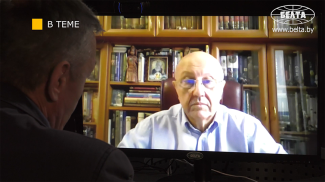
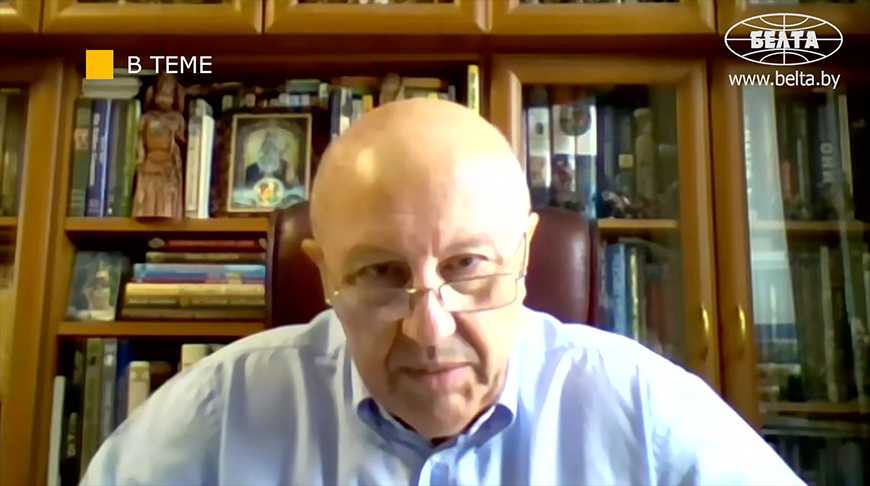
MINSK, 29 April (BelTA) - The world is too big and complex to be controlled from one point, said the Russian historian, Director of the Institute for Systemic and Strategic Analysis Andrei Fursov in a recent episode of BelTA’s project On Point.
Answering the question of who runs the world today, he outlined the role of structures such as the Bilderberg Club, the Club of Rome, and the Trilateral Commission. It was believed that in such formats the global shadow elite plotted, but those days are fading into the past.
“Who runs global processes, after all? The world is too big and complex to be controlled from one point,” Andrei Fursov said.
Commenting on the role of these structures, he noted that they are very different. “The Bilderberg Club is semi-closed, it is a more showcase-type structure. The Club of Rome and the Trilateral Commission are open. As early as in the 1990s, one could pay €12,000 and attend a meeting of the Bilderberg Club. There were more serious and significant structures, and they do exist. However, the point is that capitalism represents a kind of triangle: capital, the state, and supranational structures,” Andrei Fursov noted.
Answering the question of who runs the world today, he outlined the role of structures such as the Bilderberg Club, the Club of Rome, and the Trilateral Commission. It was believed that in such formats the global shadow elite plotted, but those days are fading into the past.
“Who runs global processes, after all? The world is too big and complex to be controlled from one point,” Andrei Fursov said.
Commenting on the role of these structures, he noted that they are very different. “The Bilderberg Club is semi-closed, it is a more showcase-type structure. The Club of Rome and the Trilateral Commission are open. As early as in the 1990s, one could pay €12,000 and attend a meeting of the Bilderberg Club. There were more serious and significant structures, and they do exist. However, the point is that capitalism represents a kind of triangle: capital, the state, and supranational structures,” Andrei Fursov noted.