Rimma Abyzova
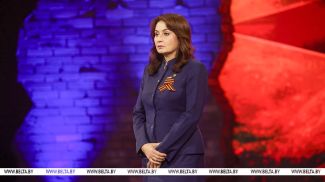
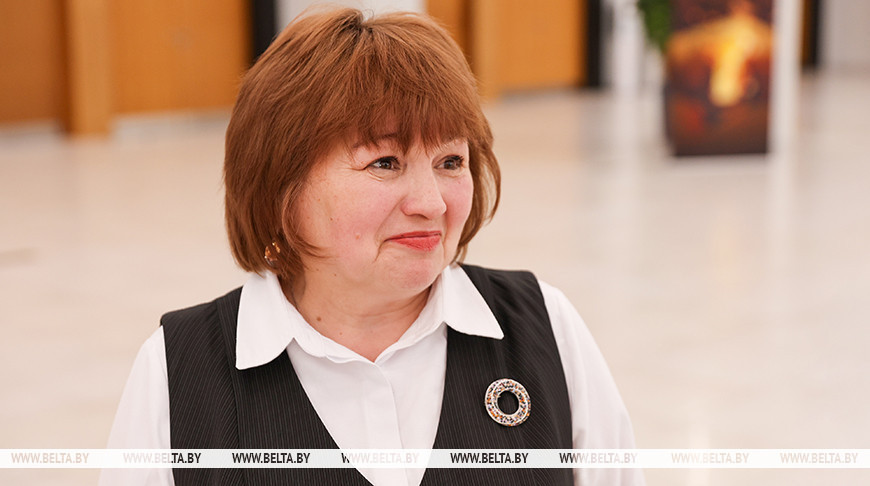
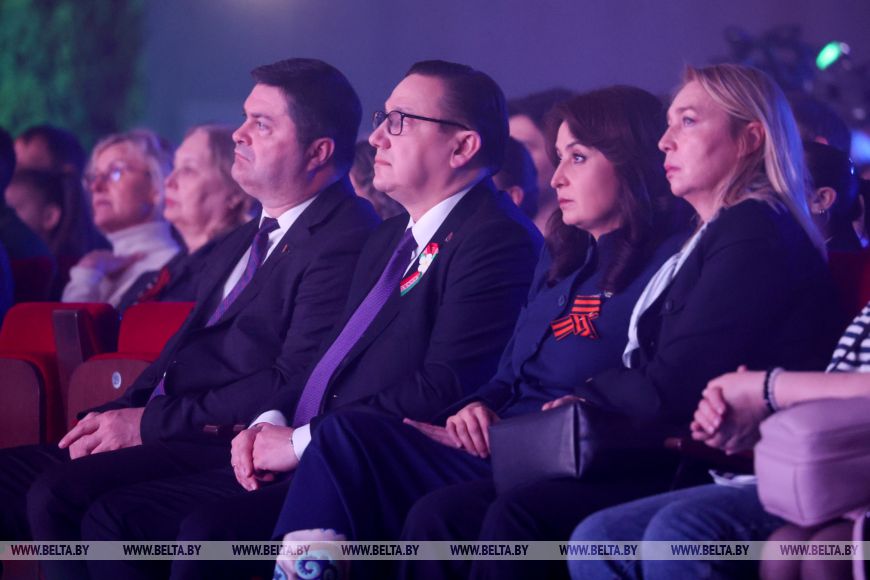
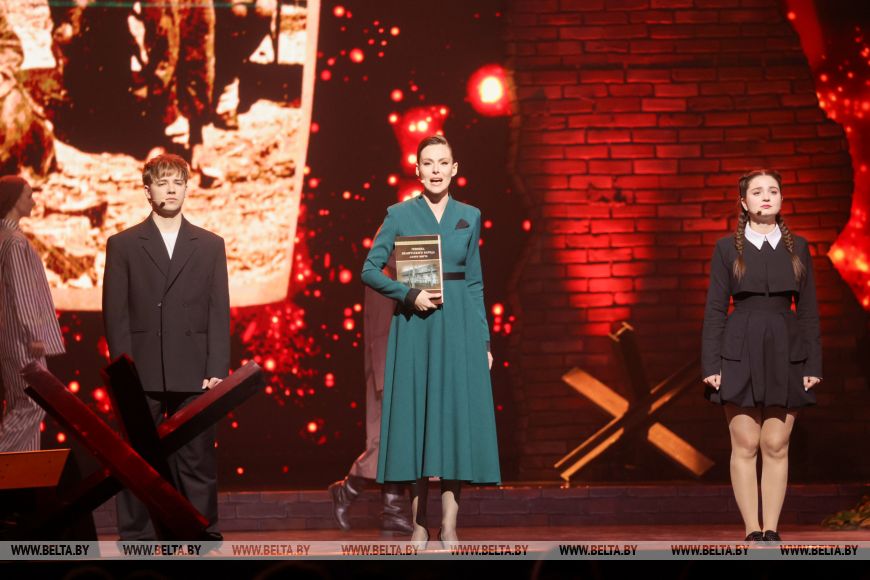
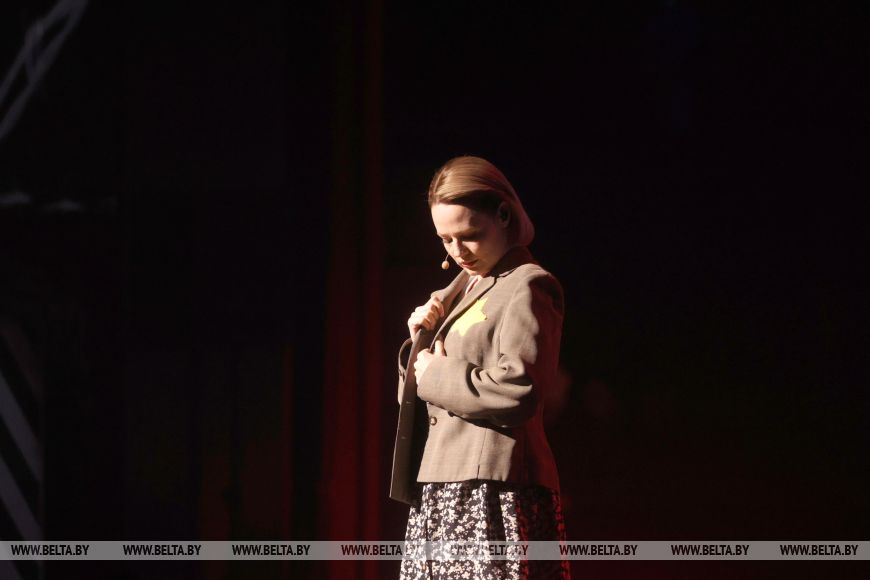
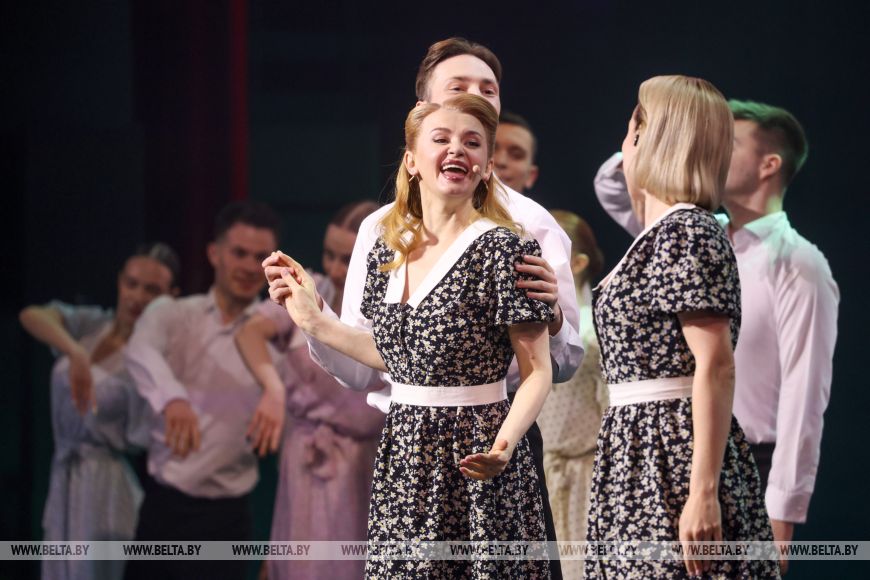
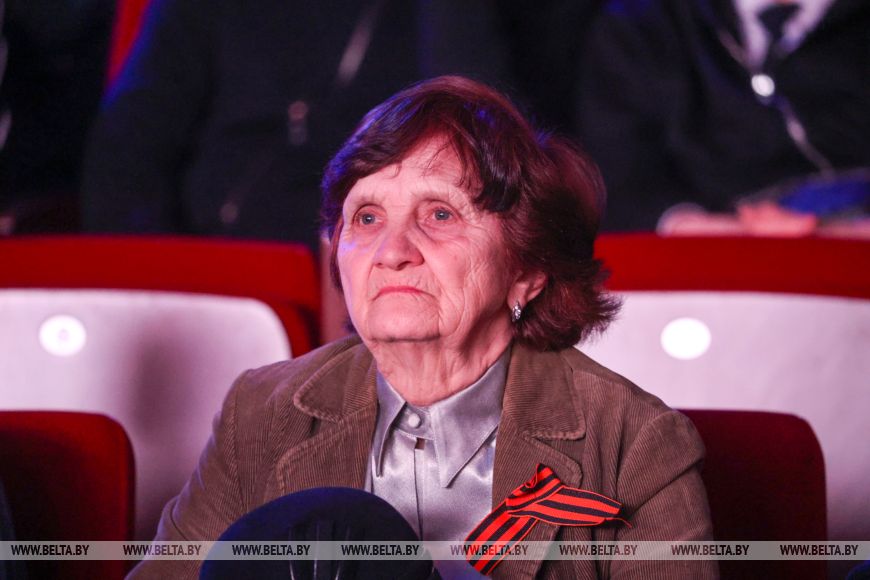
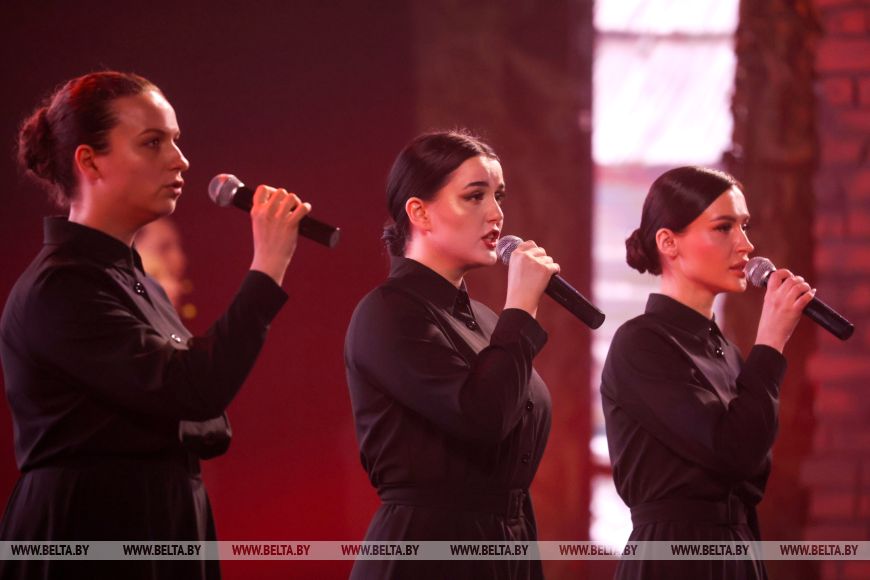
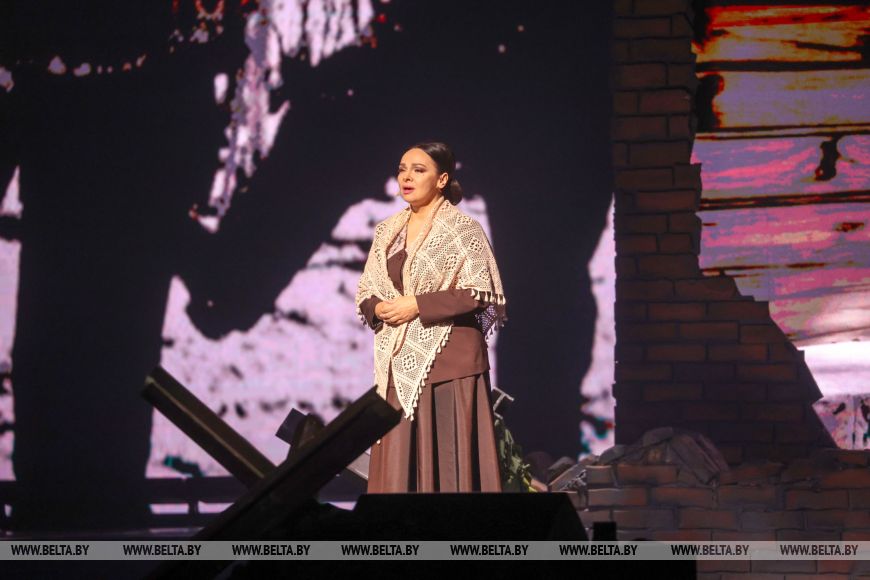
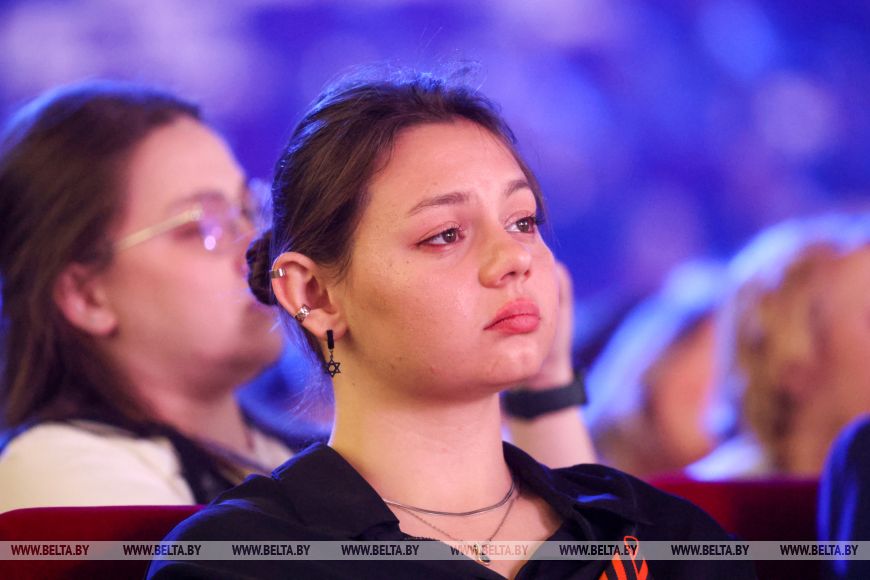
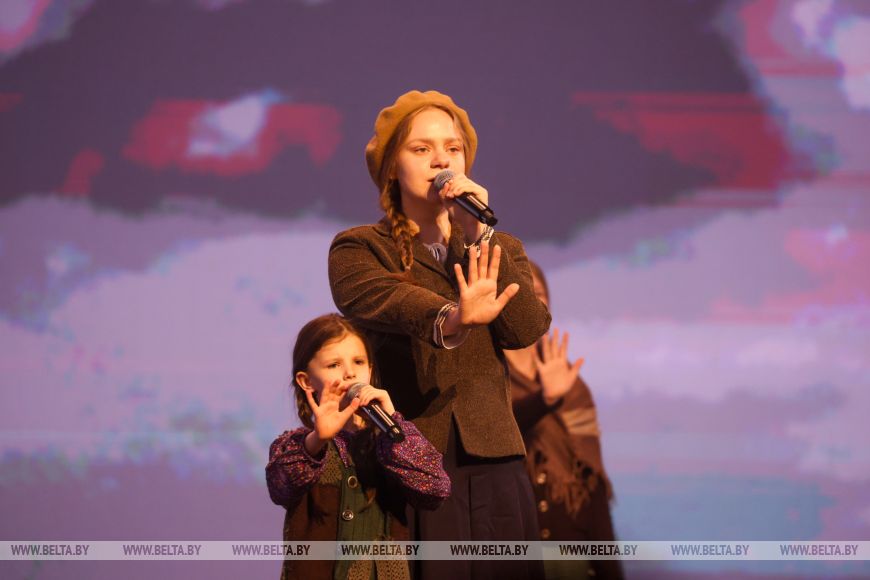
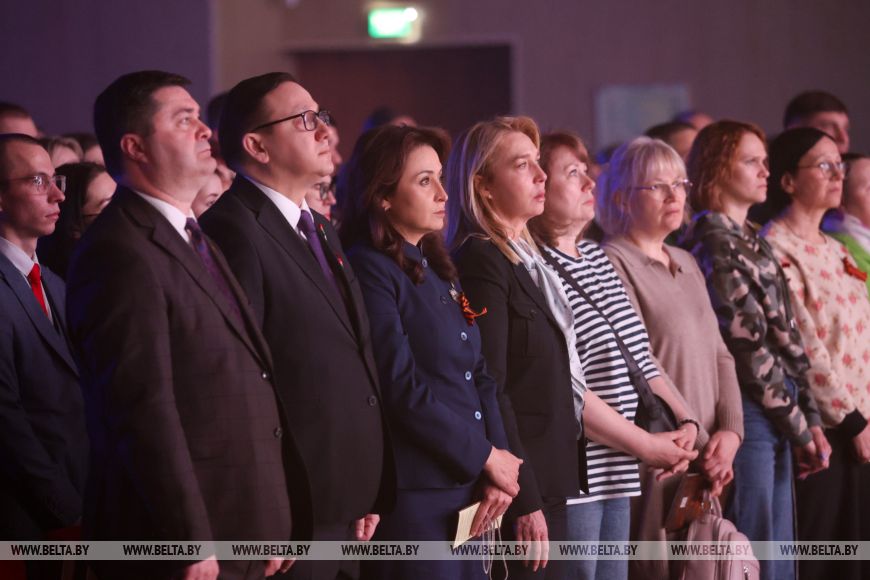
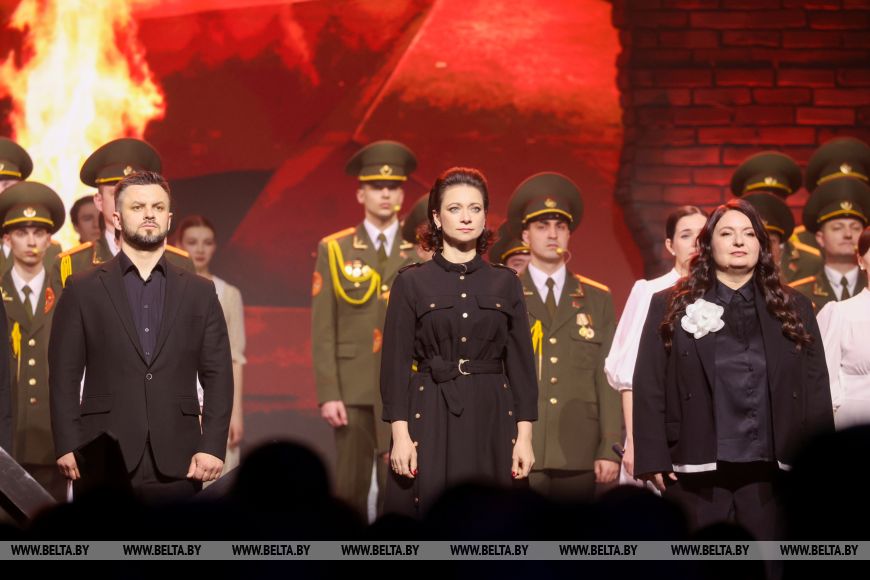
KAZAN, 29 April (BelTA) - Rimma Abyzova, head of the Yanka Kupala Museum, a branch of Tatarstan’s National Museum in the village of Pechishchy, shared her impressions of the commemorative concert Every Third, which took place in Kazan for the second time on 29 April, BelTA has learned.
“For many years, we have been promoting the legacy of Yanka Kupala and Belarusian culture in Tatarstan. Last year we celebrated our 50th anniversary, so it was very important for museum staff to attend such a significant event where this wonderful project was presented. As a museum professional, I know a lot and it’s hard to surprise me, but after watching this concert, I couldn’t say a word,” Rimma Abyzova admitted.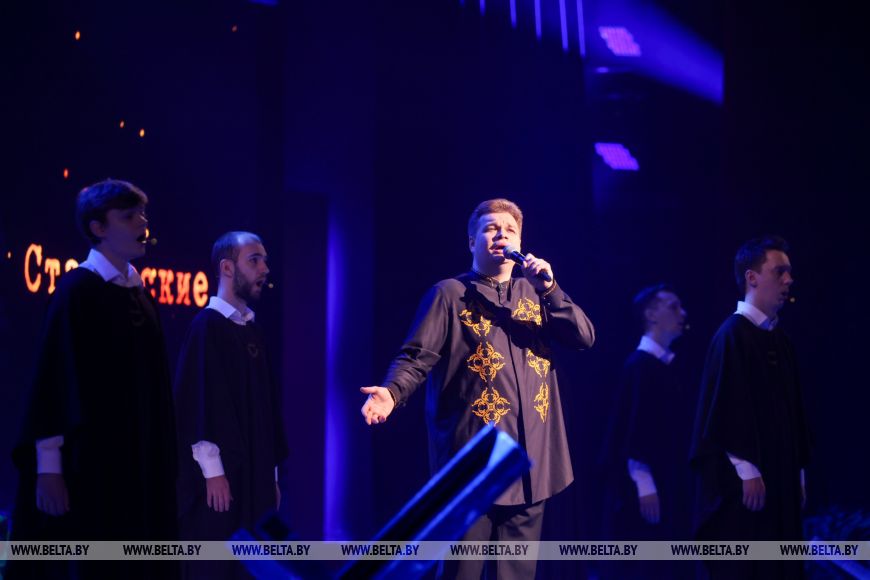
 According to her, although the museum is located 40km from Kazan, it is popular because it is located on the banks of the Volga River. “Just three years ago, we received a grant from the head of the Republic of Tatarstan, and now our museum has an entire hall dedicated to Belarusian culture. In this hall visitors can learn more about the literature, fine arts, and decorative and applied arts of the Belarusian people. Of course, we also cover the topic of the Great Patriotic War, because as one country and one people, we went through great trials, and it so happened historically that the classics of Belarusian culture and members of the Academy of Sciences were evacuated to Kazan,” she said.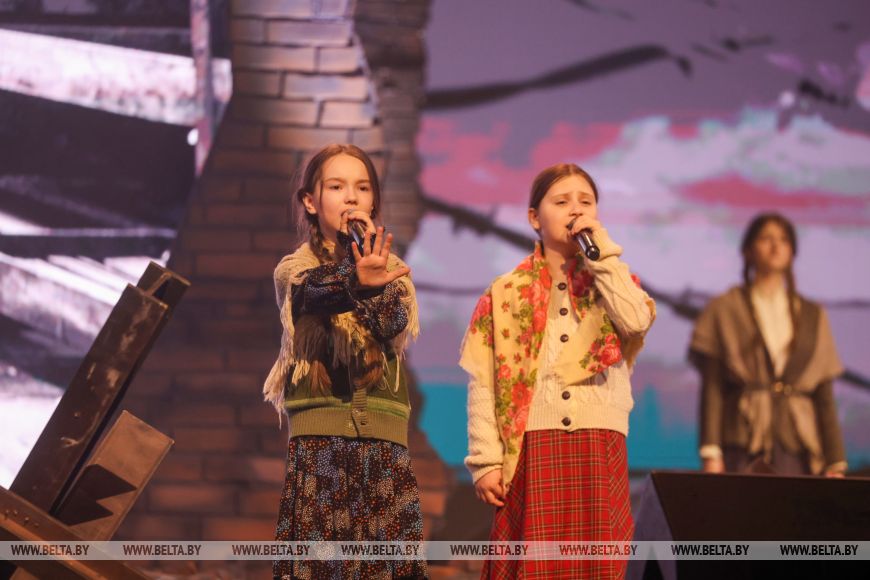
 According to Rimma Abyzova, the museum was established in 1975, and at that time colleagues from Minsk helped Kazan museum workers recreate the atmosphere in which Belarusian writer Yanka Kupala lived. The museum also preserves works by the Belarusian classic on military topics, written during his life in evacuation. Visitors can see manuscripts, publications, photographs from that time, as well as some of the personal belongings that remained in the writer’s apartment.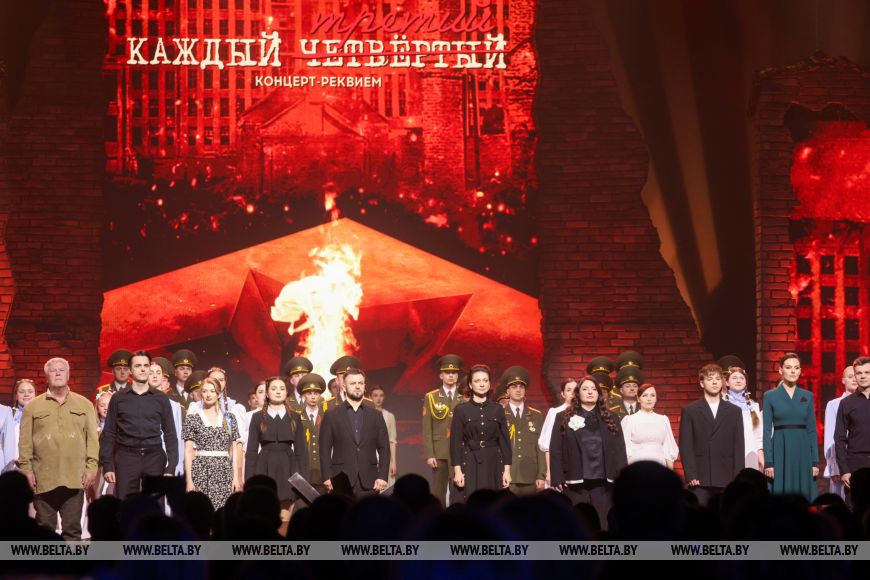
 “Yanka Kupala’s works have been translated into more than a hundred languages of the world, including Tatar. In our museum, we greet people in Russian, Tatar, and, whenever possible, we try to speak Belarusian. Our guests are grateful that the friendship between our countries is alive and that no matter what nationality we are, we live in peace, harmony, and mutual understanding,” she summed up.
“For many years, we have been promoting the legacy of Yanka Kupala and Belarusian culture in Tatarstan. Last year we celebrated our 50th anniversary, so it was very important for museum staff to attend such a significant event where this wonderful project was presented. As a museum professional, I know a lot and it’s hard to surprise me, but after watching this concert, I couldn’t say a word,” Rimma Abyzova admitted.
According to her, although the museum is located 40km from Kazan, it is popular because it is located on the banks of the Volga River. “Just three years ago, we received a grant from the head of the Republic of Tatarstan, and now our museum has an entire hall dedicated to Belarusian culture. In this hall visitors can learn more about the literature, fine arts, and decorative and applied arts of the Belarusian people. Of course, we also cover the topic of the Great Patriotic War, because as one country and one people, we went through great trials, and it so happened historically that the classics of Belarusian culture and members of the Academy of Sciences were evacuated to Kazan,” she said.According to Rimma Abyzova, the museum was established in 1975, and at that time colleagues from Minsk helped Kazan museum workers recreate the atmosphere in which Belarusian writer Yanka Kupala lived. The museum also preserves works by the Belarusian classic on military topics, written during his life in evacuation. Visitors can see manuscripts, publications, photographs from that time, as well as some of the personal belongings that remained in the writer’s apartment.“Yanka Kupala’s works have been translated into more than a hundred languages of the world, including Tatar. In our museum, we greet people in Russian, Tatar, and, whenever possible, we try to speak Belarusian. Our guests are grateful that the friendship between our countries is alive and that no matter what nationality we are, we live in peace, harmony, and mutual understanding,” she summed up.