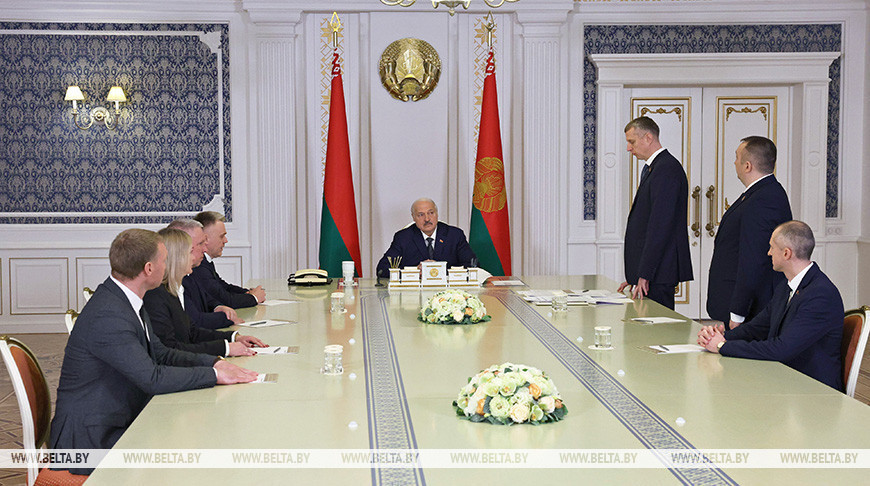
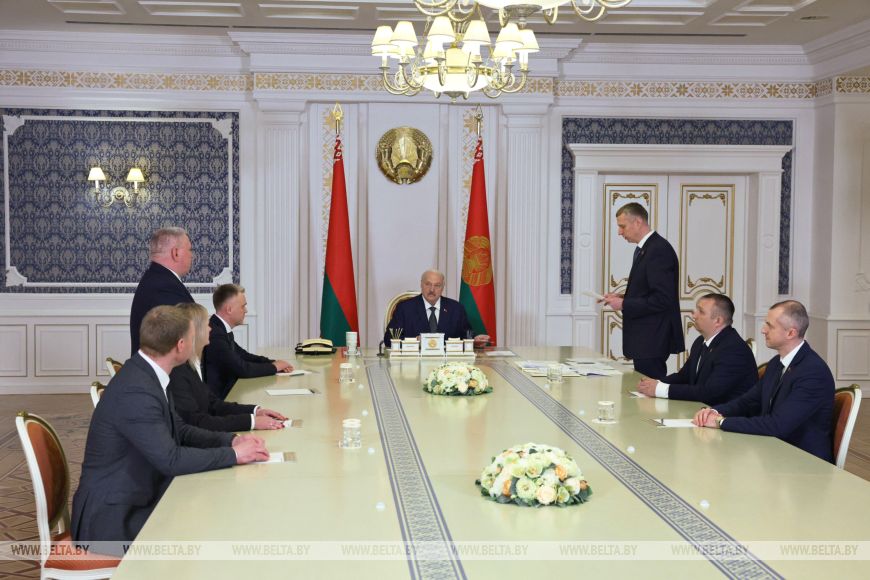
MINSK, 9 April (BelTA) – While announcing personnel decisions on 9 April, Belarusian President Aleksandr Lukashenko approved new appointments in Vitebsk Oblast and four districts across the country, BelTA has learned.
The head of state approved the appointment of two deputy governors of Vitebsk Oblast. Aleksei Guida will be responsible for social sphere, personnel, ideological work, and youth policy, while Piotr Belus will oversee the construction sector, transport, and housing and utilities services.
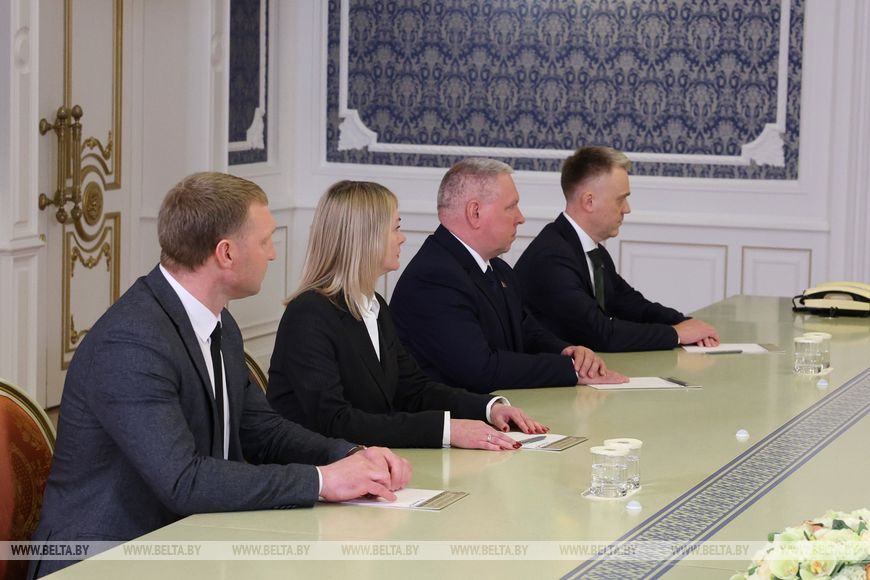
Addressing the newly appointed officials, Aleksandr Lukashenko noted that the government has recently devoted significant attention to agriculture – from specific issues such as livestock farming, the construction of calf rearing facilities, and the performance of individual agricultural enterprises, to broader issues like spring fieldwork.
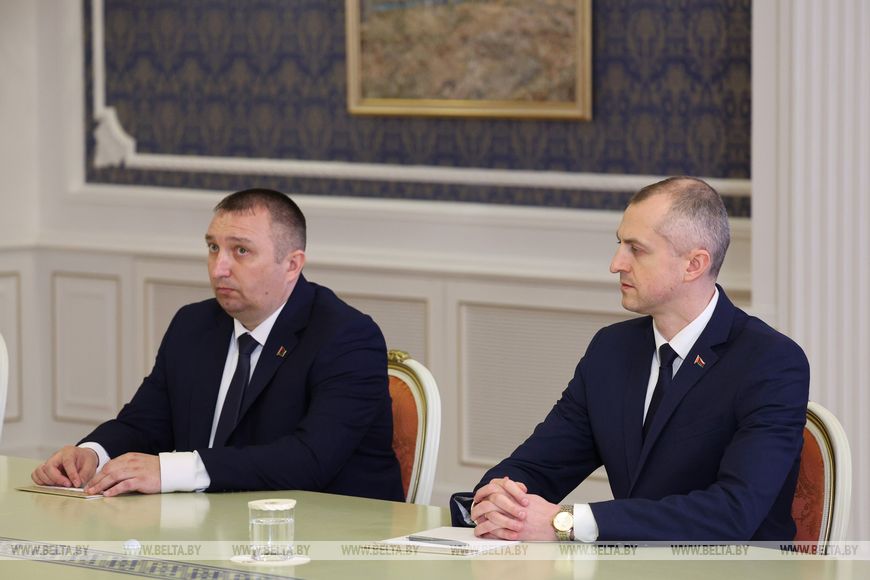
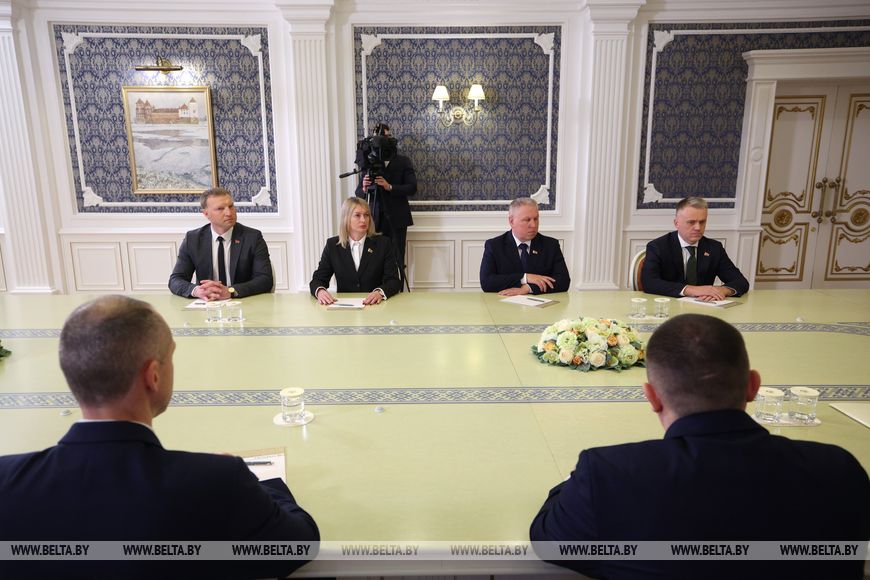 “You know what to do. These are challenging times, and you need to act,” the head of state said. “Never forget that you are leaders. You are the presidents of your own patch of land – your district. So take action. Don’t wait for someone to come and do things for you. If they come and help – be grateful. But ultimately, everything depends on you. So – only forward.”
About Vitebsk Oblast
Speaking about Aleksei Guida, the new deputy governor of Vitebsk Oblast, the president noted that the appointment would require him to relocate from Minsk to Vitebsk. For many years, he had worked as head of the Main Directorate of Personnel Policy of the Belarus President Administration, and now, as he put it himself, the time had come to “walk the earth” and gain new experience. Moreover, he is originally from Sharkovshchina District, so the region is familiar to him.
“Good for you. You’re thinking the right way. While you’re still young, you need to go through what you have to go through,” Aleksandr Lukashenko said. He also noted Aleksei Guida’s extensive experience in administrative and managerial work.
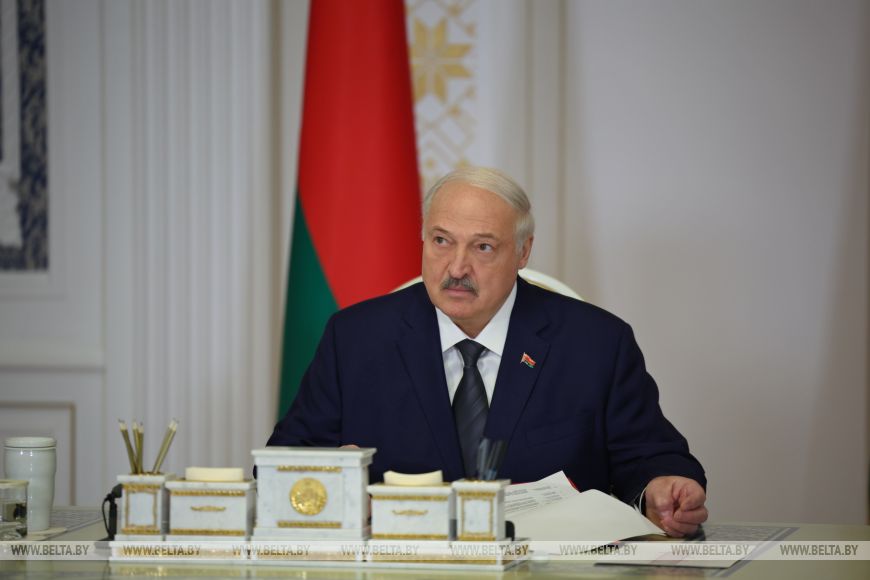
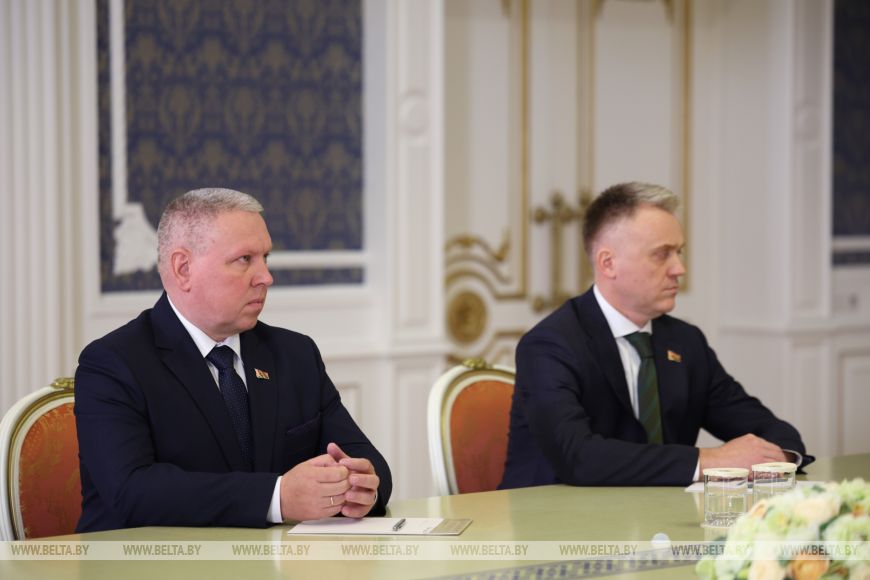 Continuing on the topic, the president mentioned current Prime Minister Aleksandr Turchin and the experience he gained during his work as the Minsk Oblast governor. “Working as a governor changed him tremendously. He understands people. You don’t need to explain things to him or convince him of anything,” the head of state noted.
In a conversation with Piotr Belus, who had headed Glubokoye District and was promoted to deputy governor of Vitebsk Oblast, the president asked about existing problems. The discussion turned to Glubokoye Dairy Canning Plant, which had encountered difficulties selling its products on foreign markets, including Russia, due to the dishonest practices of intermediaries. To resolve the situation, it is necessary to establish direct supplies and develop the company’s own distribution network.
About the new head of Glubokoye District
The new chairman of the Glubokoye District Executive Committee, Maksim Bakurov, until recently headed Orsha Meat Canning Plant – a position he was appointed to under unusual circumstances, with Aleksandr Lukashenko making the decision during a visit to the plant in June 2021. Prior to that, Maksim Bakurov had held various roles at the enterprise, including as acting head.
The president asked in detail about the current state of affairs at Orsha Meat Canning Plant. He was informed that new workshops had been built and put into operation, some were still under construction, and old buildings and premises had been reconstructed, renovated, or, where necessary, demolished. There are plans to launch new products. The enterprise is currently undergoing reorganization, with documents prepared for its merger with Agrokombinat Dzerzhinsky.
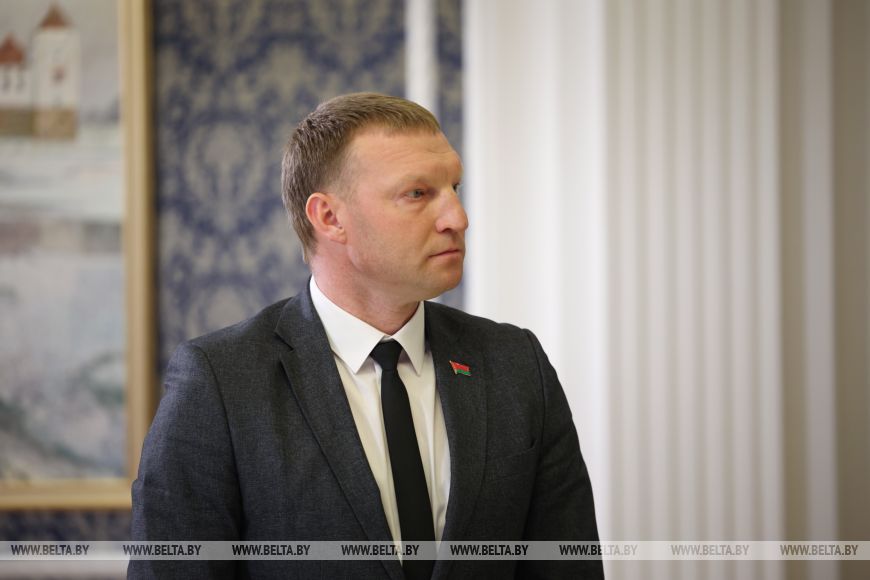
Maksim Bakurov’s experience as director of Orsha Meat Canning Plant will serve him well in his new role as head of the Glubokoye District Executive Committee, explained Head of the Belarus President Administration Dmitry Krutoi. After all, the district is home to a large enterprise in the same industry that is in need of reform to boost its efficiency.
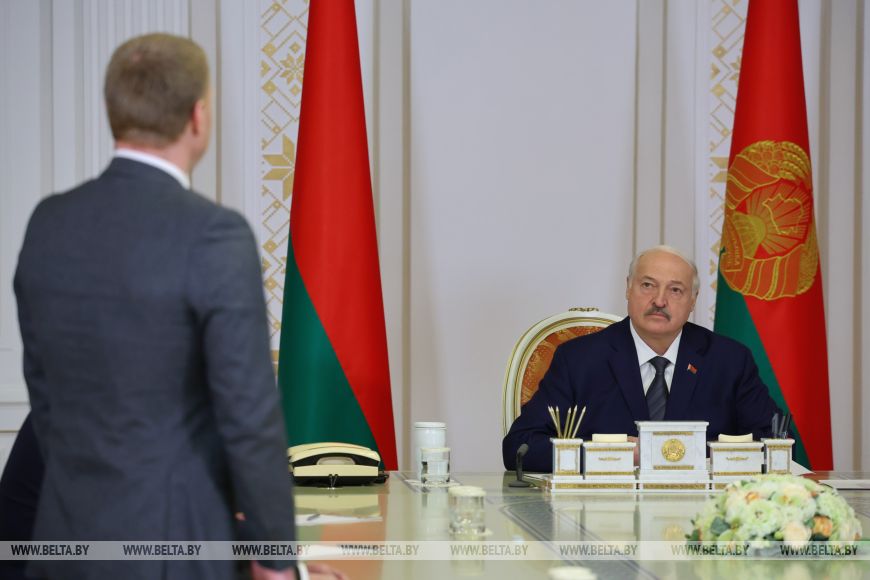
“You know the district. You know perfectly well what needs to be done,” the president told the new head of Glubokoye District, acknowledging that there are many problems to solve. He also promised to visit the district to see what gets done there.
About Orsha District
Before deciding on the new district head, the president first inquired how Igor Moroz had performed in this role and what had prompted the proposal to replace him.
“The main reason is that industry is the economic backbone of Orsha District, accounting for 60% of its economy. Br3 billion was invested in the district under a respective program running between 2018 and 2023. However, the current industrial performance of local enterprises is not quite meeting the targets set in their business plans. So the decision was made to bring in someone who has already proven themselves in an industrial setting,” Dmitry Krutoi explained. According to him, Leonid Moizhik – who until now had been the director of Orsha Instrument Plant – fits those criteria perfectly.
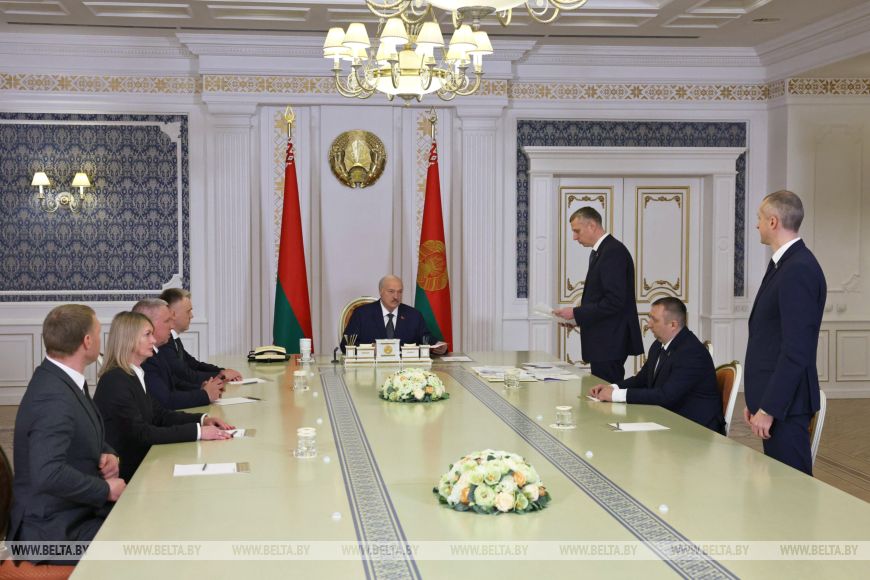
“The government, ministries, and the regional executive committee are to blame for the under-performance of local industrial enterprises,” the head of state remarked.
“The district needs an executive with a strong record in the manufacturing industry,” said the head of the Belarus President Administration.
Aleksandr Lukashenko instructed him to pay close attention to what happens next with the district’s former head, Igor Moroz. “We need to figure out whether the man can work or not. If he can and has potential, let’s move him out of Orsha and transfer him elsewhere. If he’s a sensible person, we cannot afford to lose him,” the head of state stressed. “We must not lose capable people… The government needs to take a serious look at this so we don’t offend the man.”
“So that he understands that we are not firing him. We are looking for someone with industrial experience to lead the district. Make no mistake about it. And these issues need to be studied more thoroughly,” the president continued.
“Igor Moroz took these personnel decisions in his stride,” Dmitry Krutoi assured.
Addressing the new chairman of the Orsha District Executive Committee, the head of state stressed that he would now be responsible for the entire socio-economic development of the district, and that not only industry but also agriculture would require special attention and personal involvement. “You will now have to be involved in everything,” Aleksandr Lukashenko said. “You will have to deal with calf rearing facilities, manure, milk yields, and all the rest. You need to understand that perfectly well.” Moreover, Orsha District has always been on the president’s radar; he visits it often and knows the region’s specifics very well.
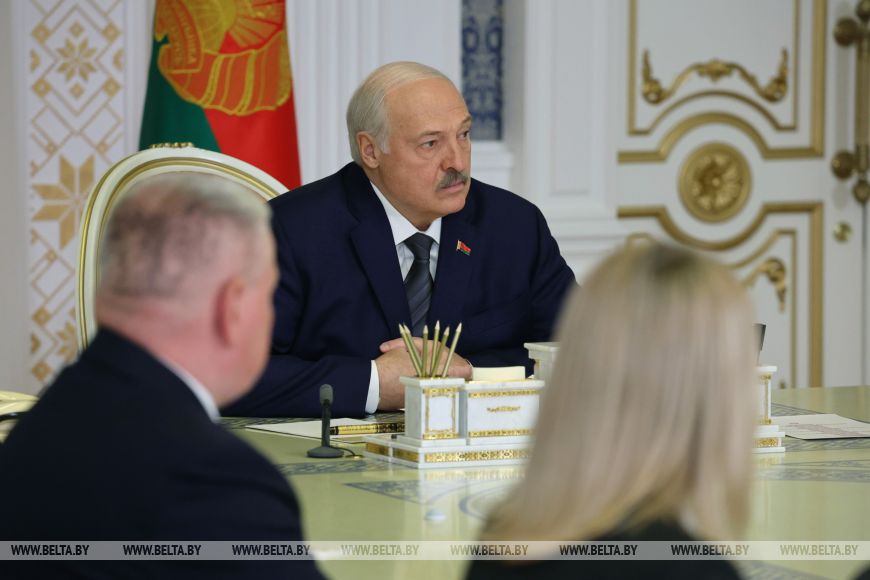
One of the president’s key demands is that Orsha District set an example in the adoption of agricultural technologies and agricultural management. Accordingly, the head of state will continue to keep a close eye on the district in the near future.
“I pay great attention to Shklov District because I know every meter of it. And I know Orsha District quite well. The two districts are different. Shklov District is agricultural. Orsha District is industrial. This is a microcosm of our entire country,” the president said. “So take these as models. Follow their example and get to work.”
Aleksandr Lukashenko paid special attention to spring fieldwork and soil preparation. Thanks to powerful domestically produced tractors, some agricultural enterprises have plowed so deeply that the fields have literally turned into trenches, the president noted. “They turned the earth over, brought it up from the other side,” the head of state said figuratively. “You’d need to send a grader just to level the field. Before sowing, it should be as flat as a table. But what they’ve done is a mess.”
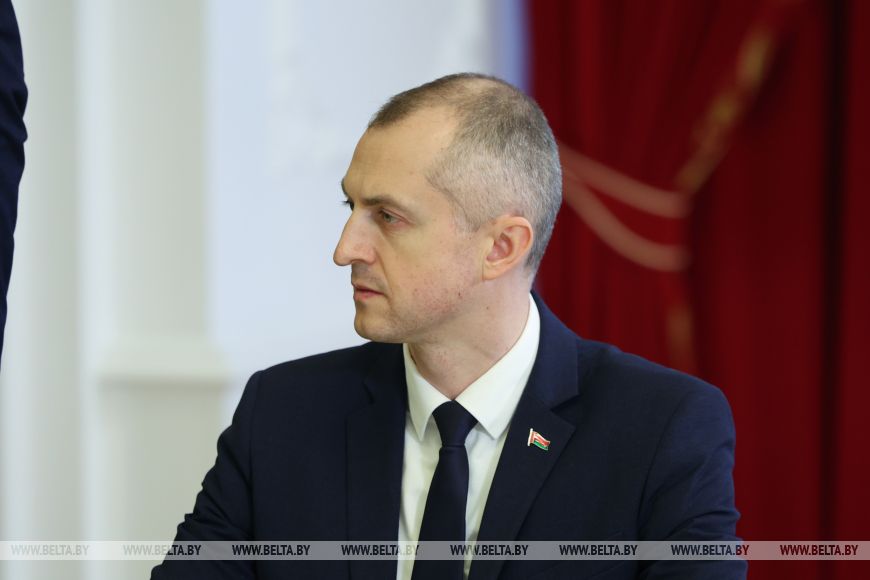
Now, to make such a field suitable for sowing, additional labor, equipment, time, and resources, including fuel, will be needed. This, in turn, will drive up the cost of agricultural products. That is why technological discipline must be observed at every stage, and well-considered management decisions must be made.
Aleksandr Lukashenko also advised local officials to be attentive to personnel, especially those with extensive professional experience. “Take a good look at your staff. Those who can do the job – let them work. Those who can’t – let them go. The governor understands this perfectly. And keep in mind – you will be held to a very high standard in this regard,” the president warned Leonid Moizhik.
On personnel losses in Lida District and the future of Voronovo District
Aleksandr Chasnoit, formerly Deputy Chairman and Head of the Agriculture and Food Department of the Lida District Executive Committee, was appointed the new head of Voronovo District.
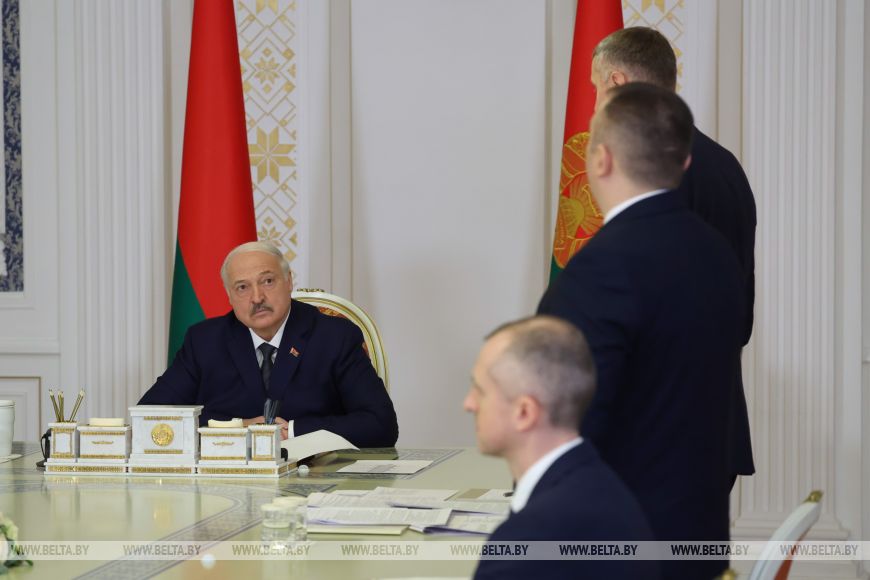
Aleksandr Lukashenko noted that not long ago Lida District had a change in leadership, and now one of its deputy heads was being transferred. “Lida is a major city for Grodno Oblast. We are not going to leave it short-staffed, are we?” the president asked the new district head. The official assured him there would be no negative consequences, noting that worthy candidates were already selected for the vacant post.
According to Dmitry Krutoi, Aleksandr Chasnoit’s track record in agriculture was a major reason he was chosen to head Voronovo District – he had delivered impressive results in Lida District. “Lida District is one of the country’s largest and most significant districts. Yet agriculturally, they were languishing at the bottom of Grodno Oblast’s standings. He pulled them up,” Dmitry Krutoi explained.
The president inquired about Lida District’s agricultural performance, from the sowing campaign and calf rearing facilities to other indicators, and also asked the new head which problematic aspects of agriculture in Voronovo District should be prioritized.
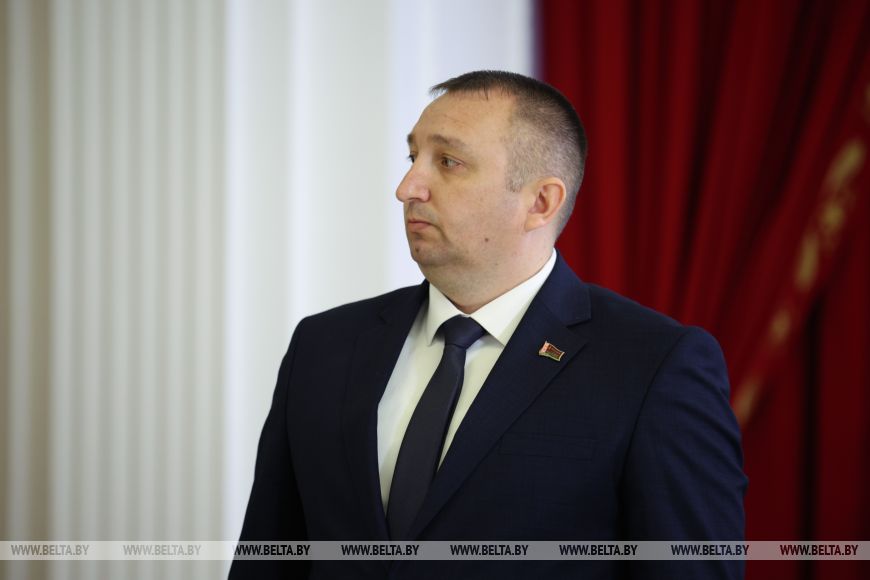
The president cautioned that the new district head would need to be personally involved in many areas – and demand the same from his subordinates. “If a leader doesn’t set foot on the farms and livestock complexes, there will be no results. People want to see their leader. ideally every day. That’s the nature of farmers,” the head of state noted.
The discussion also touched on the possible consolidation of agricultural enterprises. On this point, Aleksandr Lukashenko urged a balanced, thoughtful approach based on each situation and the capabilities of the farms themselves. “Be careful when merging, don’t attach one struggling farm to another only to have both collapse. You need to be very cautious here,” he said. Action, according to him, must be taken step by step, not by a one-size-fits-all template: “We cannot rush under any circumstances. Nothing should be done blindly by the book.”