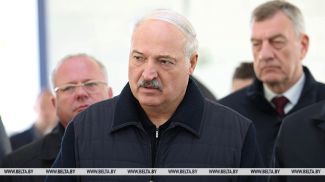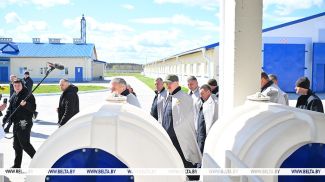
The central event of the past week was the president’s big working trip to Gomel Oblast, which ended on 27 April. The head of state worked in the south of the country for four days and the situation in the economy, agriculture, and social sphere was studied during a series of trips. Key matters primarily for the Pripyat Polesie area were not looked over either. High points from the president’s big working trip are covered by the BelTA article.
Aleksandr Lukashenko’s trip to Gomel Oblast was announced on 8 April. At that time the head of state heard a report from Chairman of the Gomel Oblast Executive Committee Ivan Krupko, during which the matters that subsequently became the focus of attention were identified. These include the expansion of the production base, the exploration of new promising areas in agribusiness, and the work of district agricultural service enterprises.
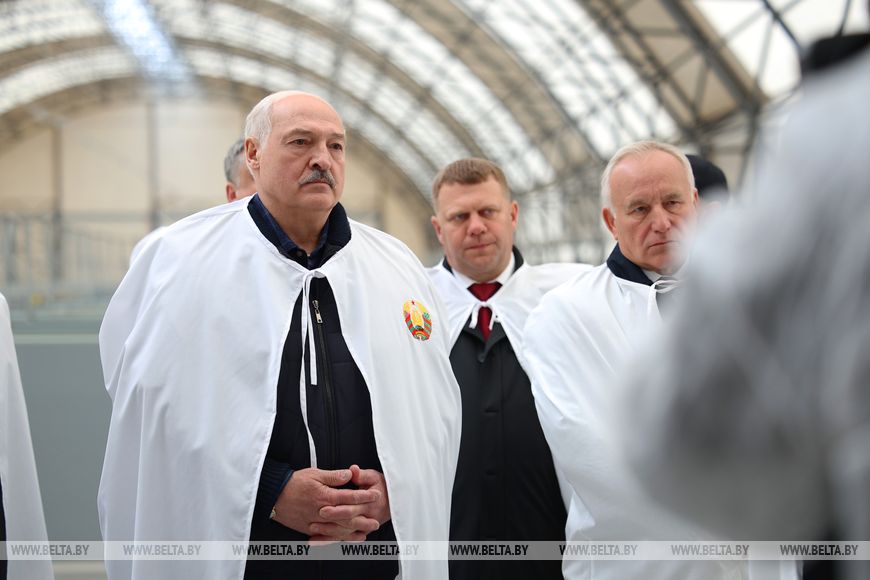
The first stop was Mozyr District, after which the president worked in Petrikov District and Narovlya District. As it has already been noted, the head of state was interested in a very wide range of matters. This is also indicated by the variety of facilities he visited: an agricultural service enterprise, a dairy complex, a nursery-kindergarten with a hospital, and even a confectionery factory.
At first glance such topics may seem insufficiently significant for the presidential level. But if you dig deeper, all of this fits perfectly into the management principles of the Belarusian leader: to go from the ground up, communicate with people, and learn on the ground about various problematic issues that need to be addressed. Ultimately, all of this fits into one global theme that can be called central to the president’s trip to the south – regional development. But let us take things in order.
One District – One Project. What Lukashenko proposed to fill the program with
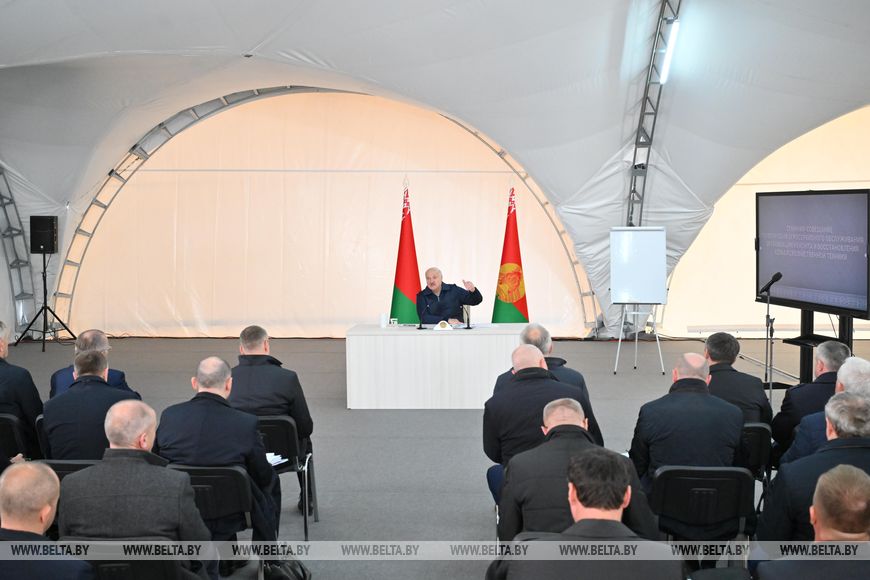
One of the key topics of the president’s trip was the implementation of the One District – One Project program. In Mozyr District Aleksandr Lukashenko announced a dedicated meeting to discuss this matter and made some proposals for filling this program. He stated that when choosing projects, many focused primarily on the volume of funding. At the same time such important indicators as expediency and economic efficiency faded into the background. Although the goals of this initiative were originally conceived as global: primarily, the creation of new manufacturing facilities and jobs, which should ultimately lead to the development of the regions. The head of state has already voiced the formula: if there is an economy in place, there will be living conditions.
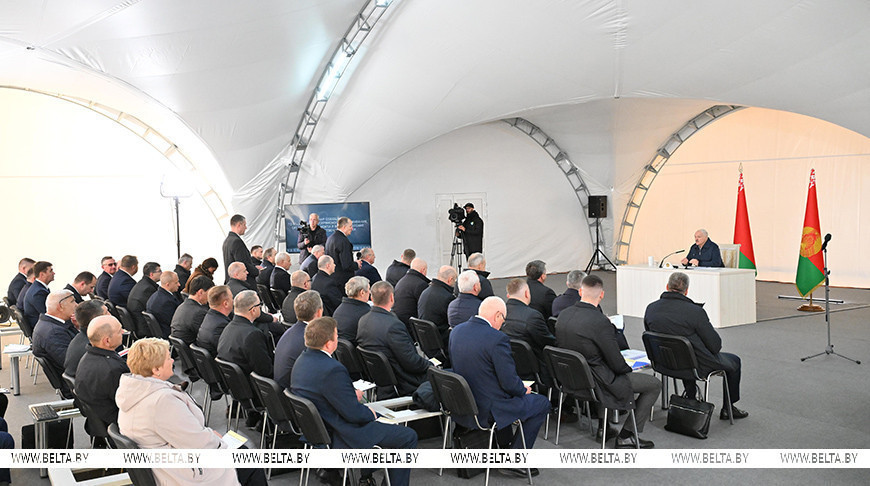
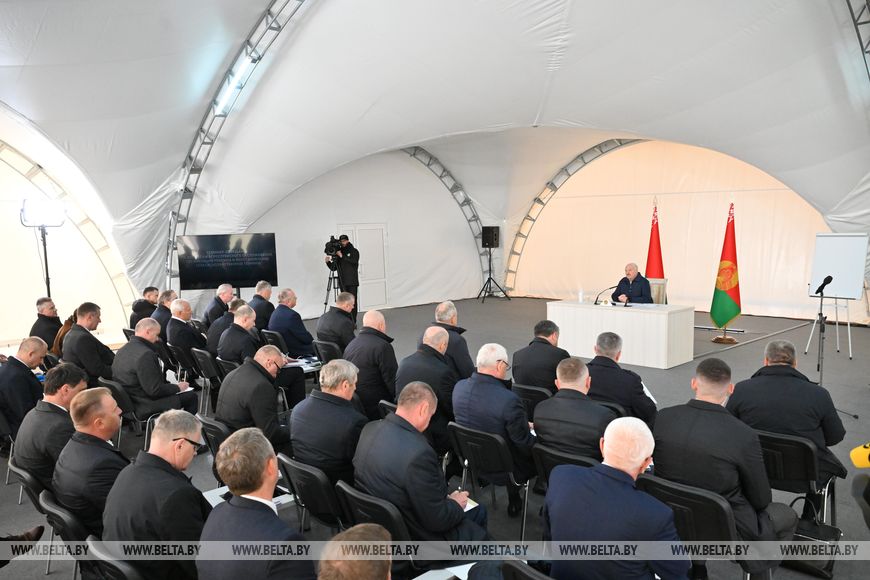
Setting up plastic-manufacturing enterprises that employ five or ten people in the manufacturing division is not at all what the president expects from the One District – One Project program. At a seminar-conference in Mozyr District Aleksandr Lukashenko proposed a promising and necessary direction: the creation of agricultural service enterprises.
“This is quite a good investment,” he noted.
According to the president, a reasonable and balanced approach should also be practiced in other areas: civil engineering, road construction, and other ones. “We also need to figure out things in that field and think about how we will advance these projects,” the head of state said.
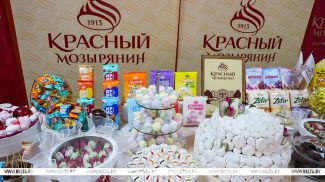
During the big working trip a specific example of the implementation of the One District – One Project program was demonstrated to Aleksandr Lukashenko. The Krasny Mozyryanin confectionery factory in Narovlya has recently completed an investment project for the reconstruction of the toffee production section with the installation of new equipment. The project cost Br4.5 million and its implementation made it possible to speed up the production of sweets, more than double the line’s performance, and create additional jobs.
Agricultural service enterprises are necessary. What does the head of state expect from them?
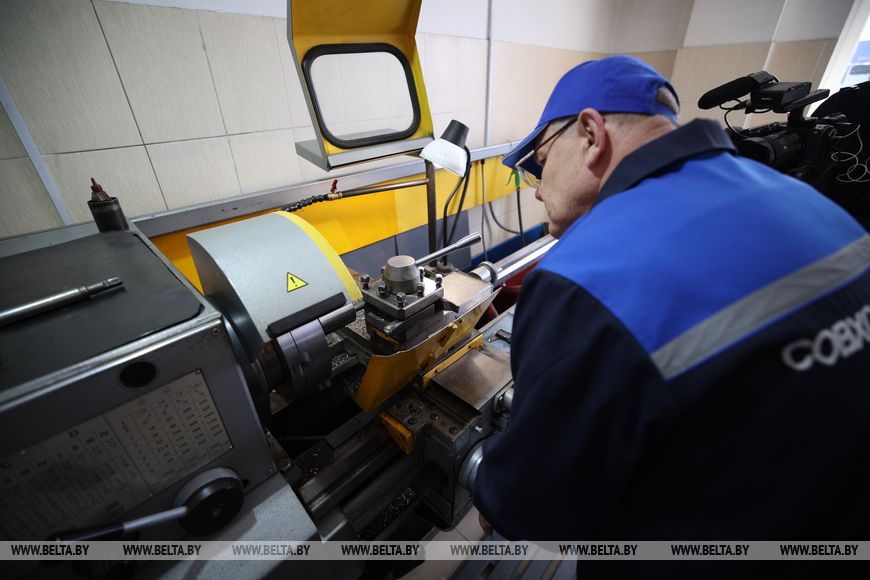
If you understand what agricultural service enterprises are, the head of state’s proposal to create them is extremely logical and, as they say, stems from life itself. These are enterprises that service agriculture. Agricultural service enterprises are engaged in the repair and maintenance of agricultural machines and vehicles and provide various services. Some even engage in manufacturing their own products.
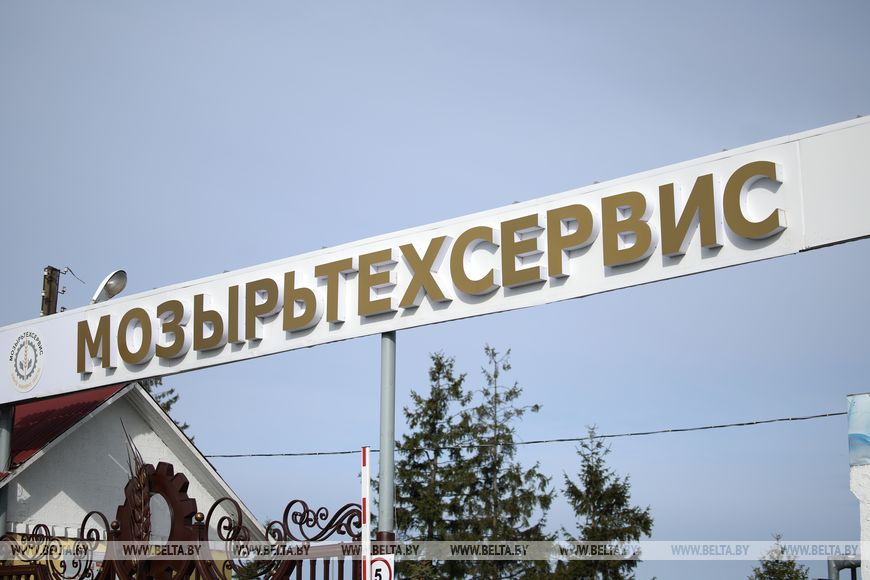
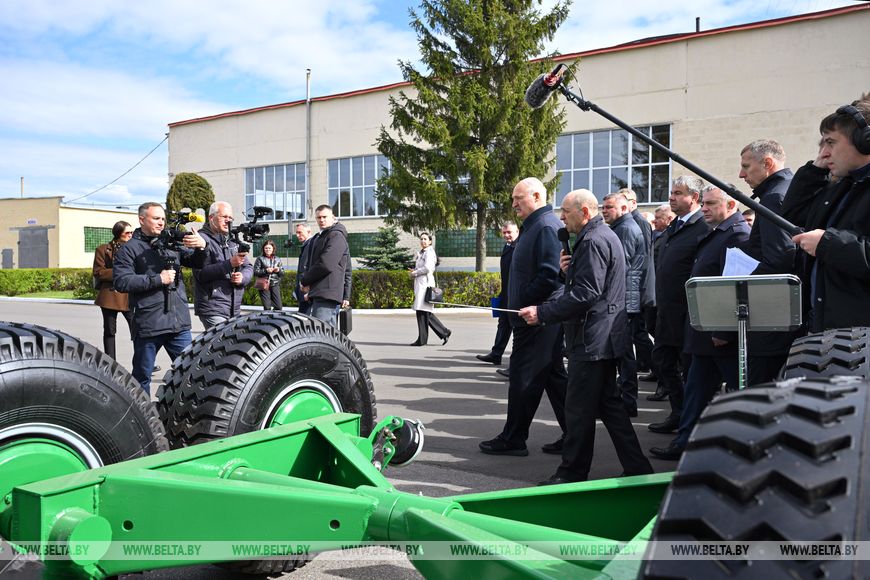
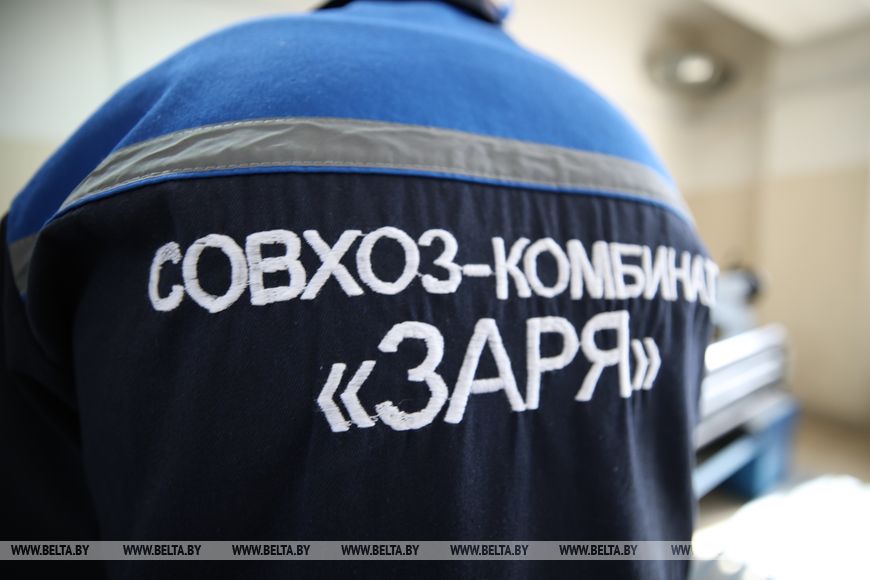
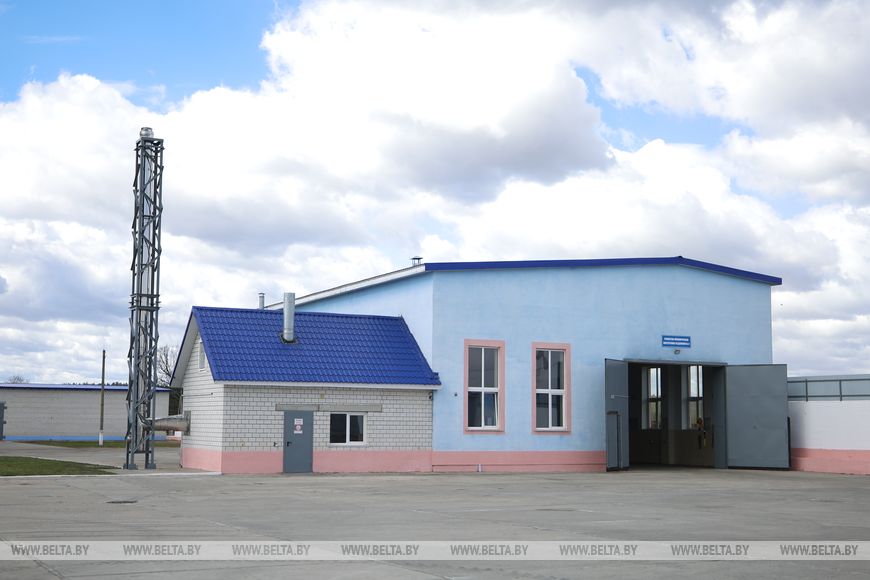
An example of such an enterprise is Mozyrtekhservis, which the president visited. At the same time Aleksandr Lukashenko emphasized that machinery repair organizations as a whole do not necessarily have to be as massive. The head of state even compared Mozyrtekhservis to a full-fledged plant.
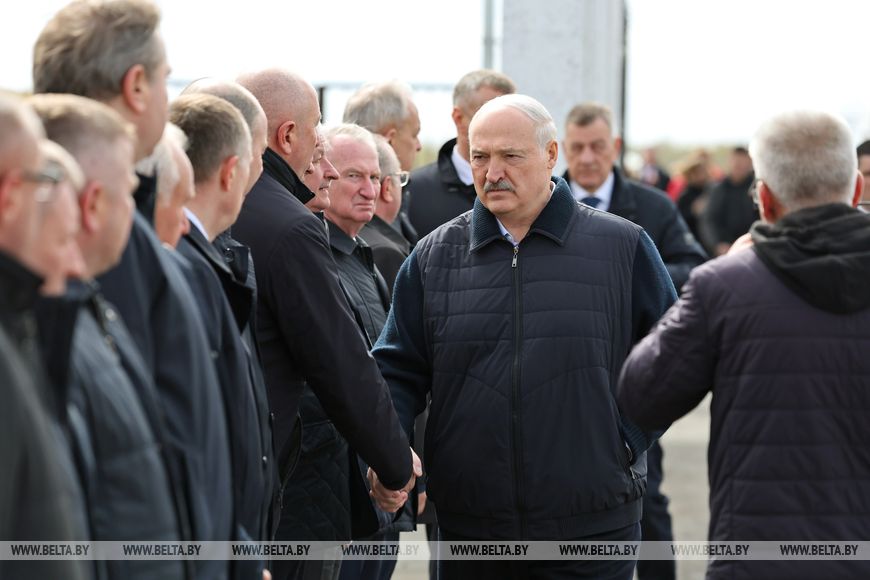
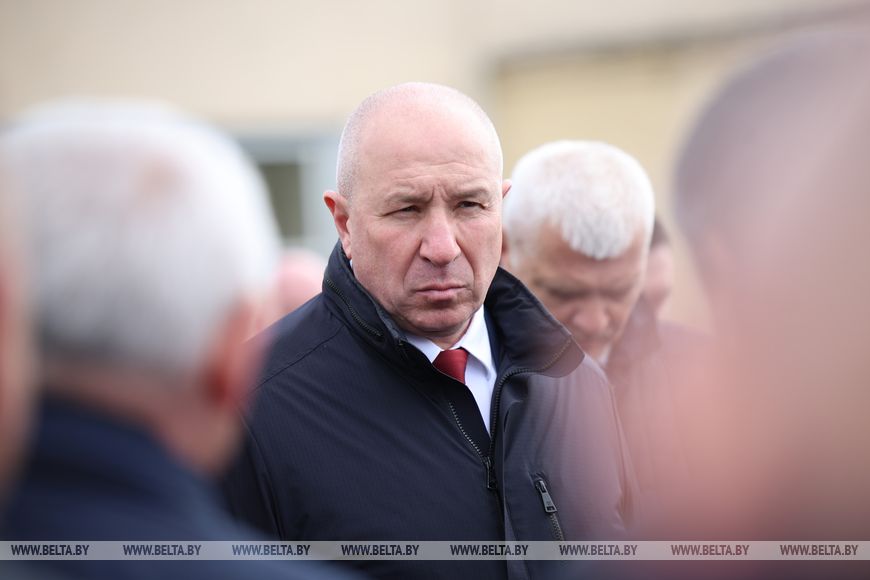
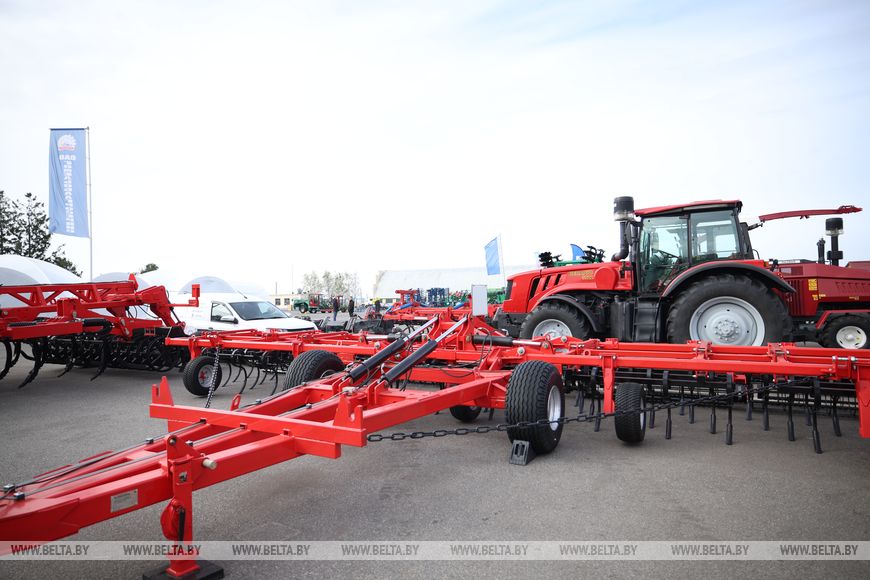
“As I am informed, Mozyr [meaning the Mozyrtekhnservis enterprise] operates as a plant in certain areas, serving many districts. But Ivan Ivanovich [Krupko, Chairman of the Gomel Oblast Executive Committee] has many problems in other districts, this is why we need to restore these service enterprises,” Aleksandr Lukashenko said. He emphasized that it is necessary to think about setting up workshops in those districts that do not have their own agricultural service enterprise.
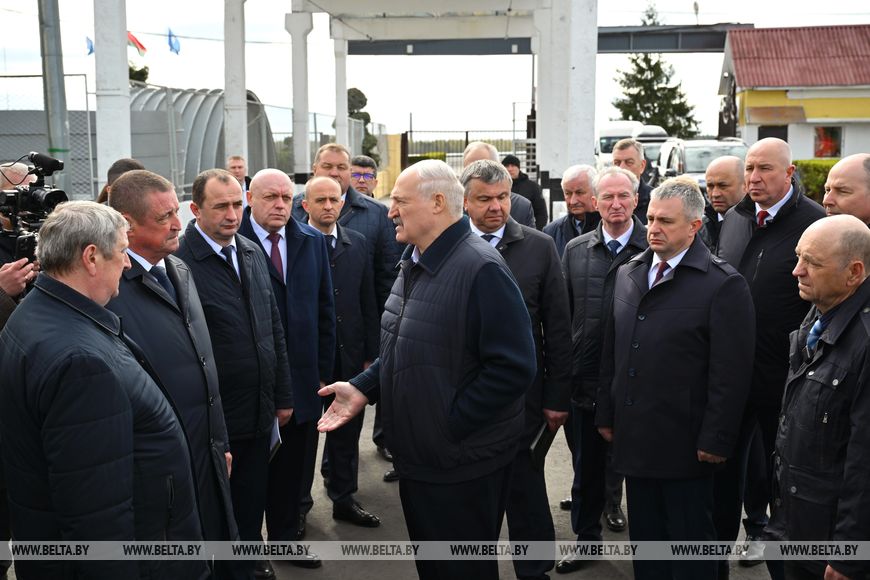
In other words, the Belarusian leader proposes to find kind of a “middle ground.” “In other words, we need to develop a system, and we need to understand the key thing: we cannot do without this,” he emphasized at the seminar-conference in Mozyr District.
Technological, convenient, frugal. Lukashenko’s formula for building dairy complexes
The president calls for finding a “middle ground” not only in the case of agricultural service enterprises but also in the construction of dairy complexes. One of them was shown to Aleksandr Lukashenko in Petrikov District. This is the Agro-Lyaskovichi enterprise, which is located in two districts: Petrikov District and Zhitkovichi District.
The head of state had visited this agricultural enterprise before. In 2025 the Belarusian leader was informed about plans to modernize the dairy complex, and he instructed to speed up the implementation of the project. And now during the president’s big working trip the enterprise had to pass the president’s exam.
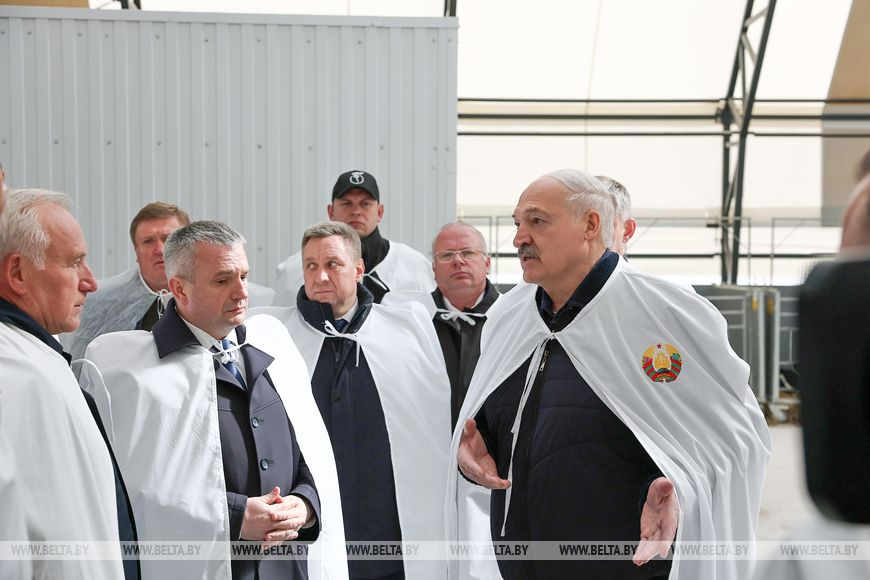
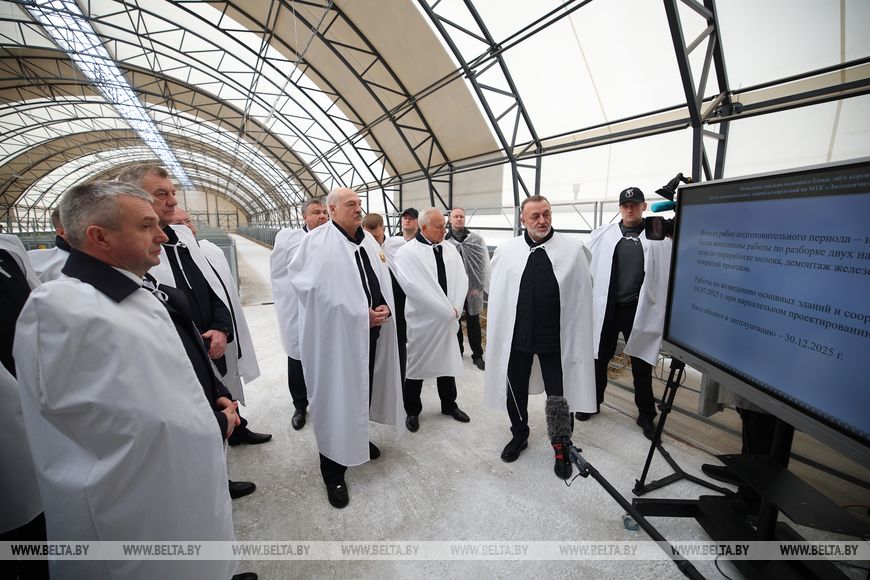
At Agro-Lyaskovichi the president was shown a calf barn made of metal structures. Its cost was Br810,000. At the same time the cost of calf nurseries currently being built in the region averages Br360,000. In other words, half the cost of what was shown to Aleksandr Lukashenko at Agro-Lyaskovichi.
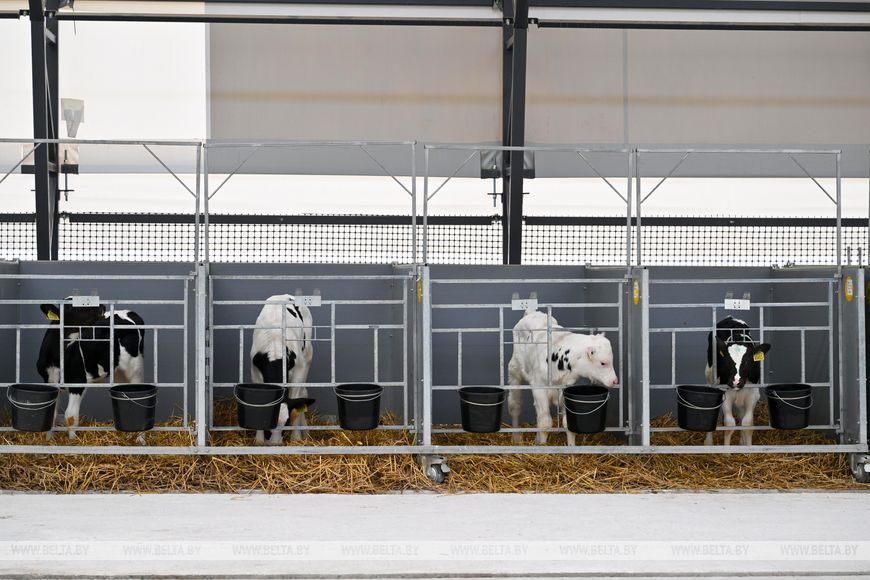
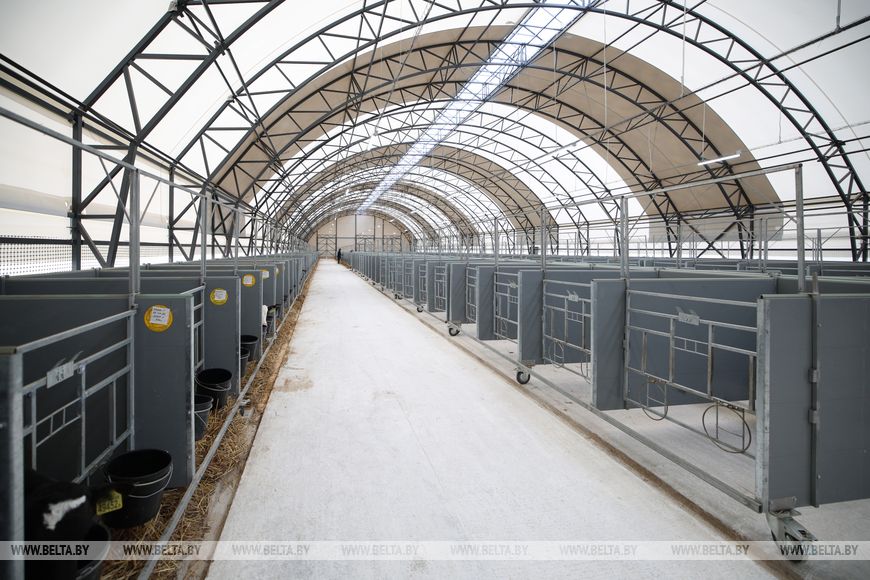
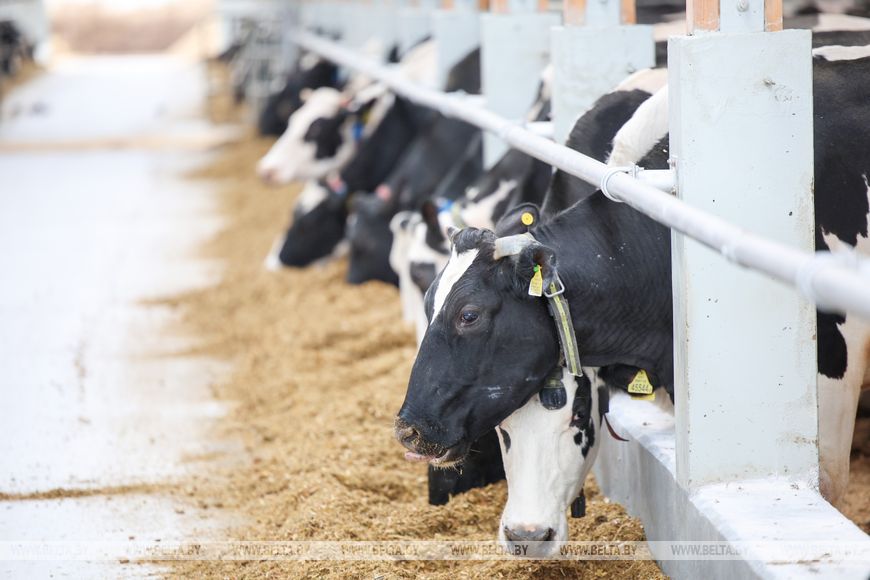
This is why the Belarusian leader reasonably wondered what the point of building a calf barn at twice the price was and presented his own approach to building such facilities. “Everything should be cheap and functional,” the president said.
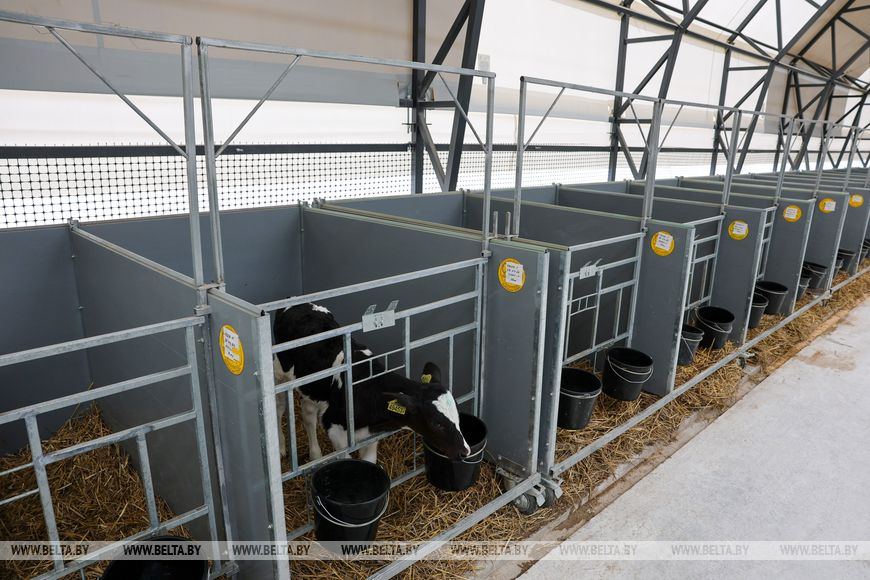
At the same time, no one stops those who want to build “palaces” for calves. But this should be done at their own expense, as Aleksandr Lukashenko explicitly stated. “Building ‘palaces’ at twice the price... If it is at your own expense, I will welcome expensive ‘palaces’ for these little ones,” Aleksandr Lukashenko added. As for state budget funds, they should be spent rationally, he stated.
Aleksandr Lukashenko drew attention to the fact that Belarus has a large amount of timber that sometimes simply rots. The president noted that it could be used, among other things, for building such facilities. An example is a dairy complex made of wooden structures that was put into operation at Agro-Lyaskovichi.
“The main thing is that it should be technological, convenient for the livestock, and frugal. Economy is a must,” Aleksandr Lukashenko emphasized.
School, hospital, kindergarten. Lukashenko was shown an example of a district capital with well-developed social infrastructure
The development of social infrastructure in small district capitals and the creation of conditions for people’s lives were at the center of attention during the president’s trip to Petrikov District. In this regard the district capital that the president visited is an example of effective and positive interaction between municipal authorities and an industrial giant. Thanks to corporate aid the town and the district develop dynamically, new social facilities are built, and existing ones are modernized.
The head of state recalled that Petrikov is the area of responsibility of Belaruskali Company. This is due to the fact that Belaruskali’s Petrikov Mining and Processing Complex, which was put into operation five years ago, operates in the district.
“Everything that is being done here in the social sphere represents the best standards,” Belaruskali Director General Andrei Rybakov said about Petrikov.
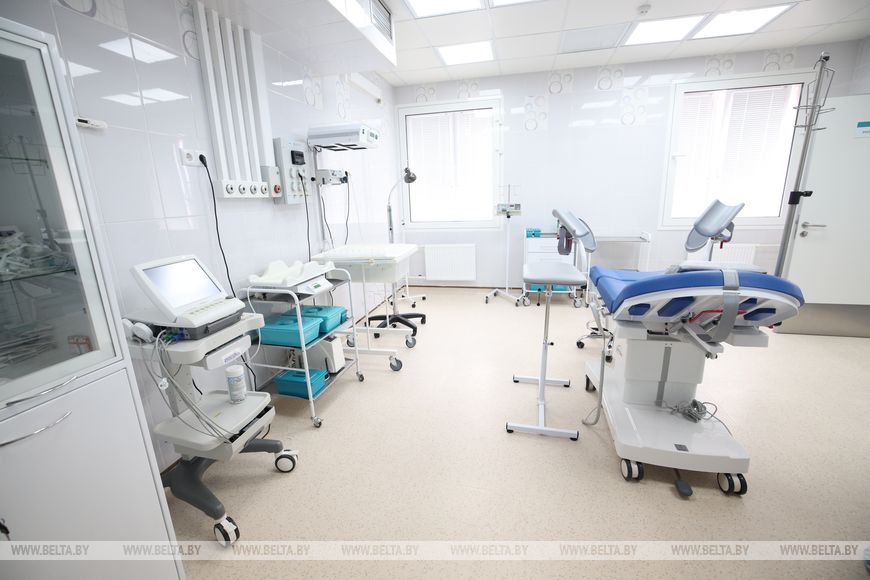
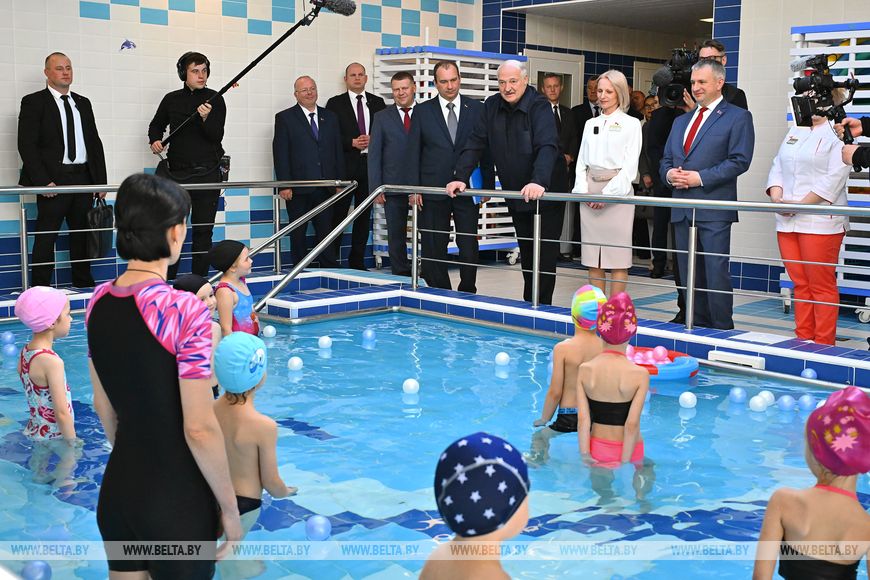
The head of state personally familiarized himself with the social infrastructure by visiting the Petrikov District Central Hospital and the Nursery-Kindergarten No.2 of the Social Development and Housing and Utilities Department of Belaruskali.
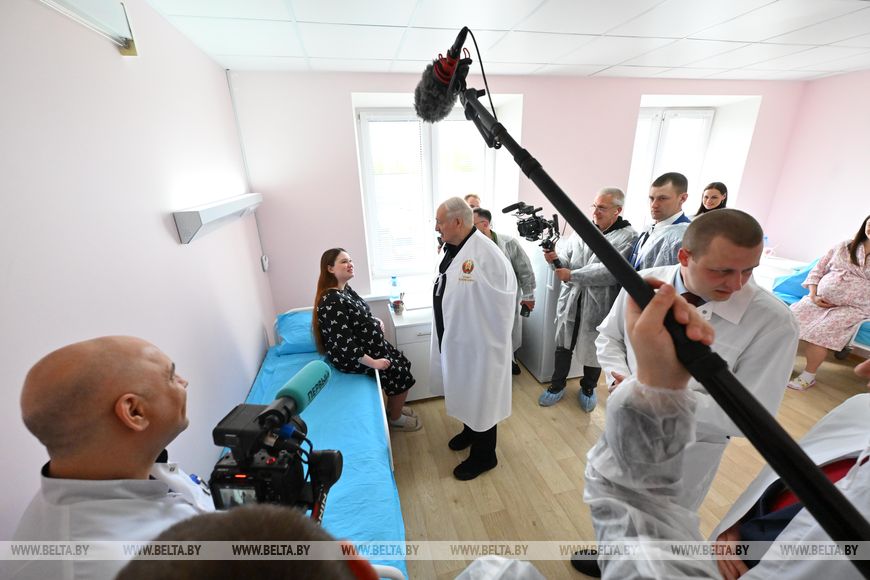
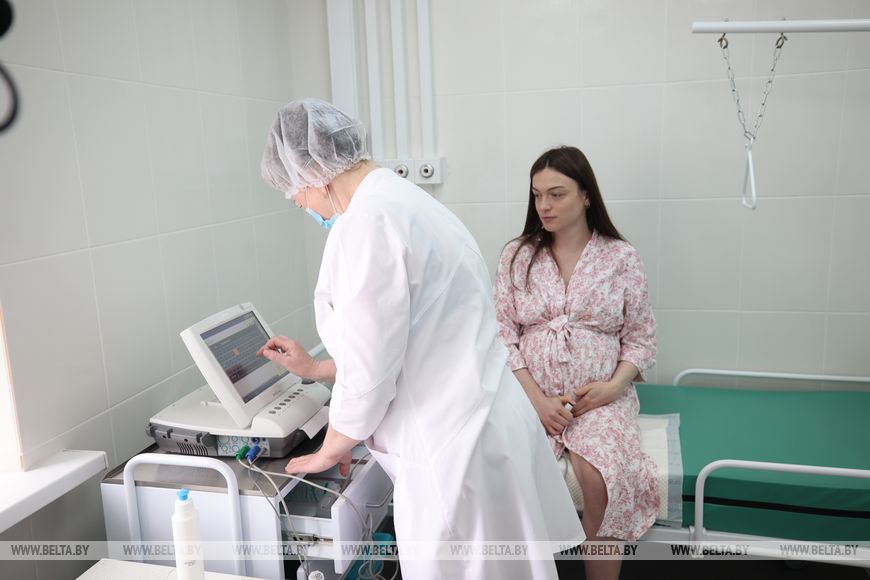
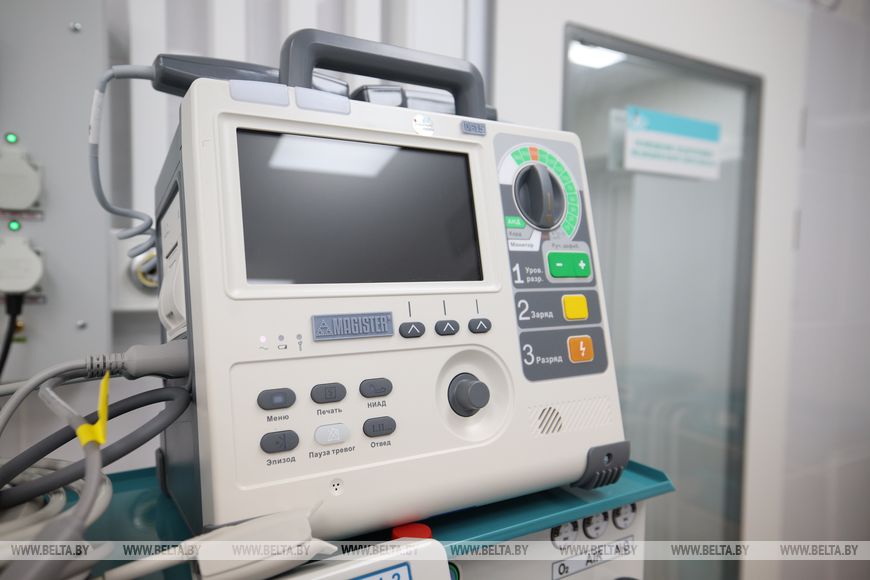
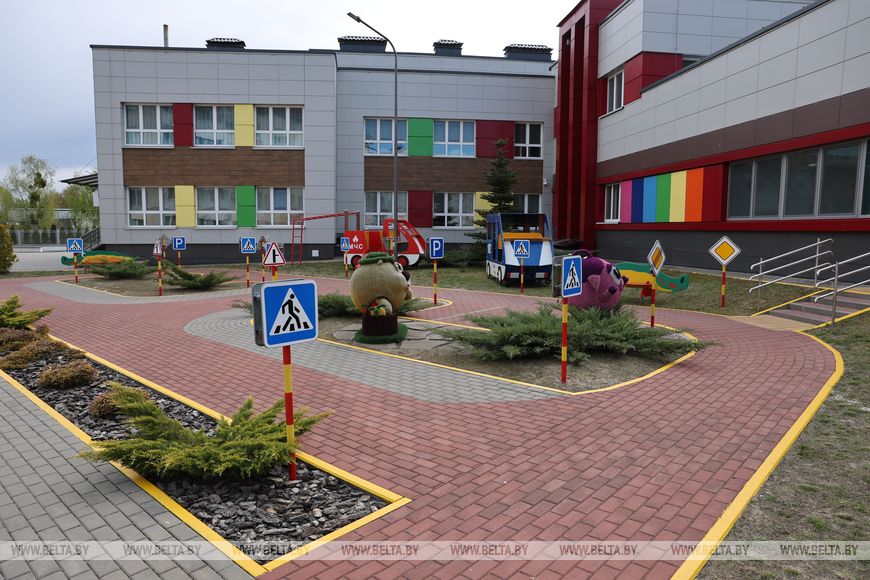
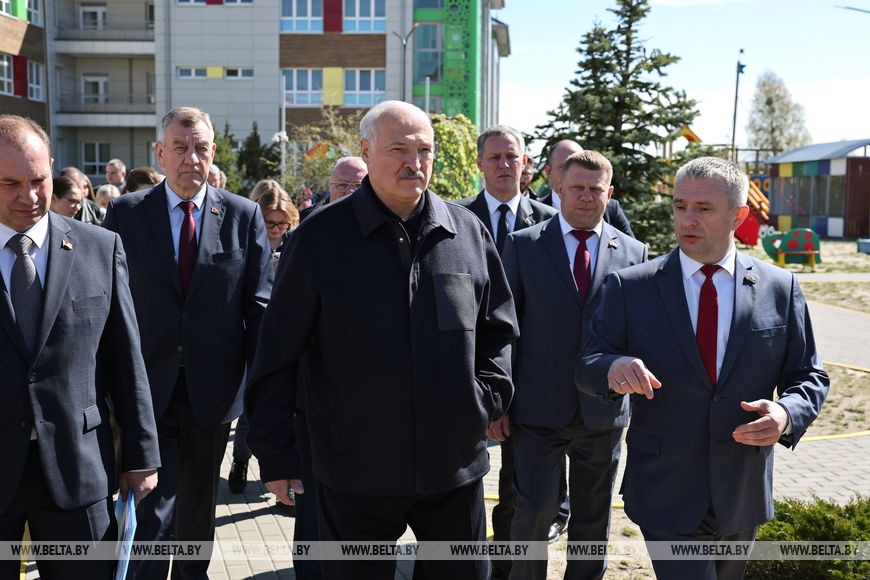
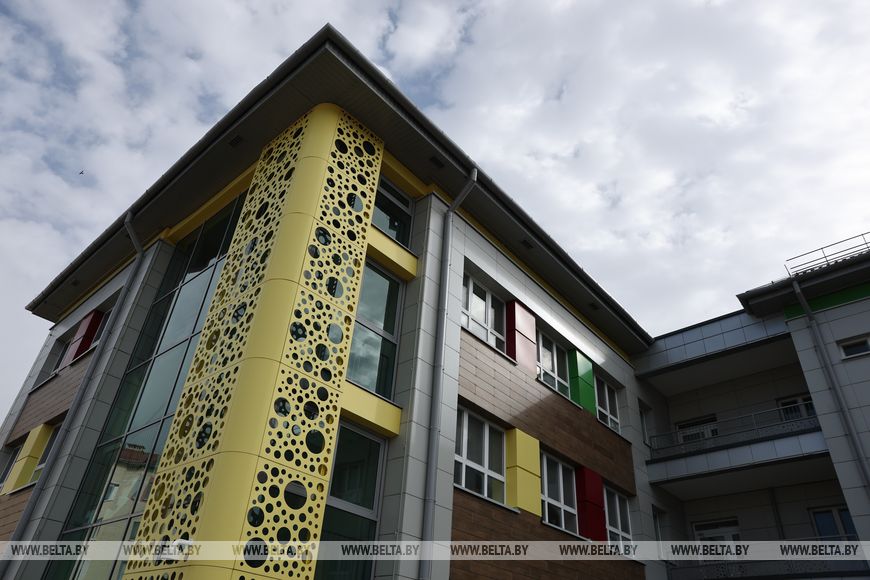
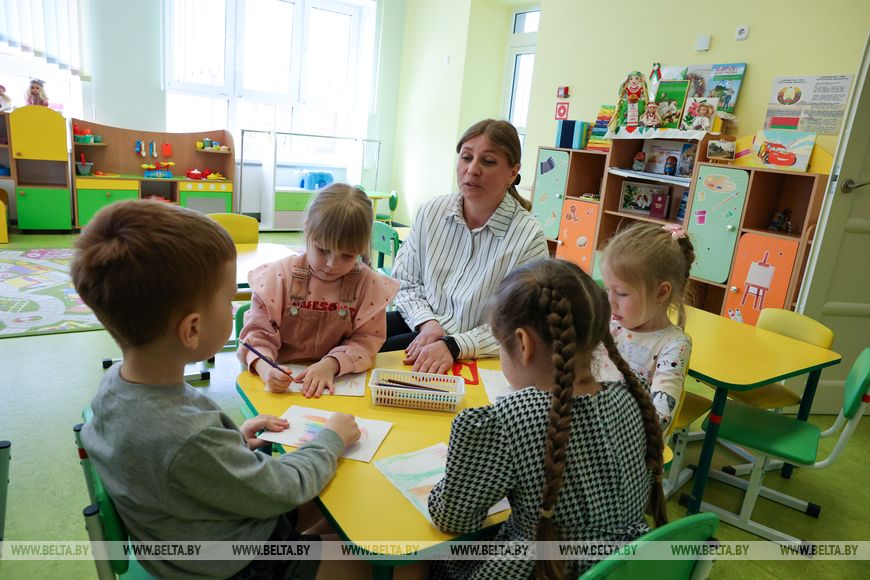
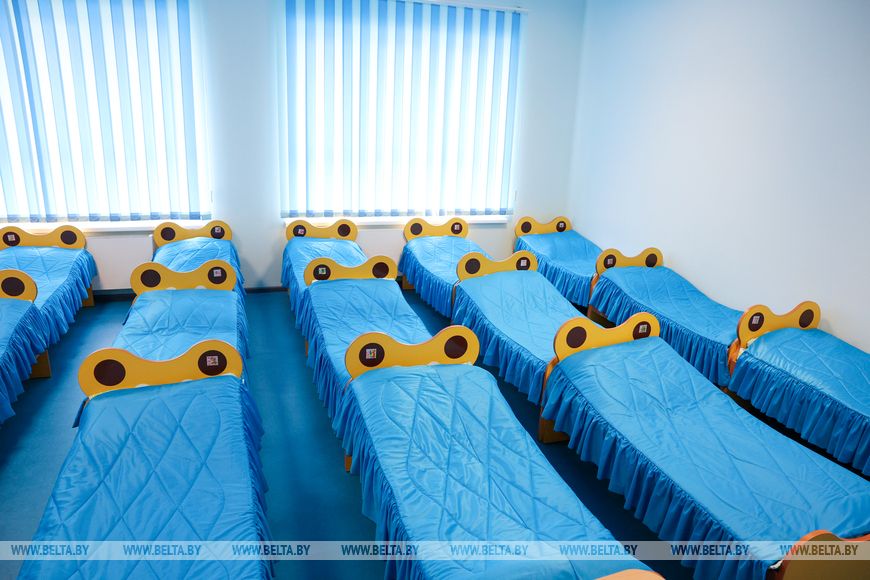
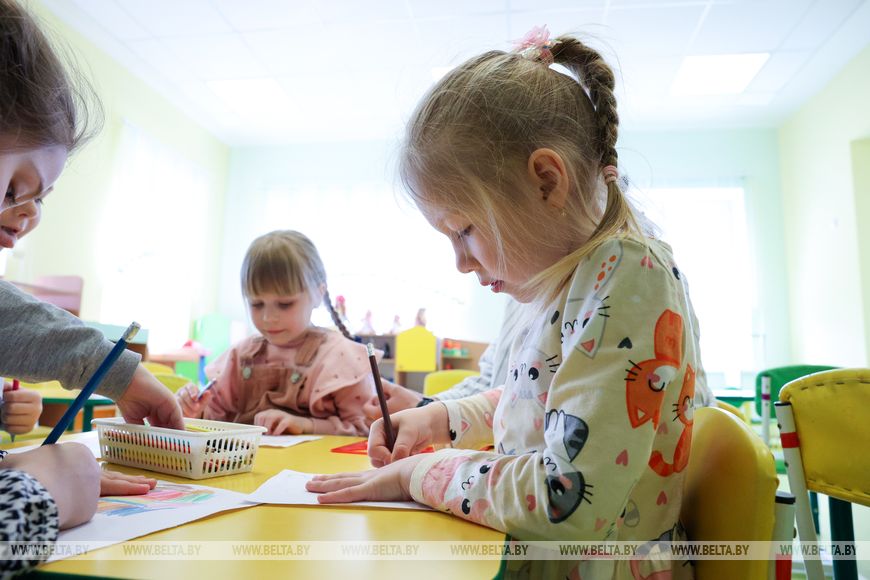
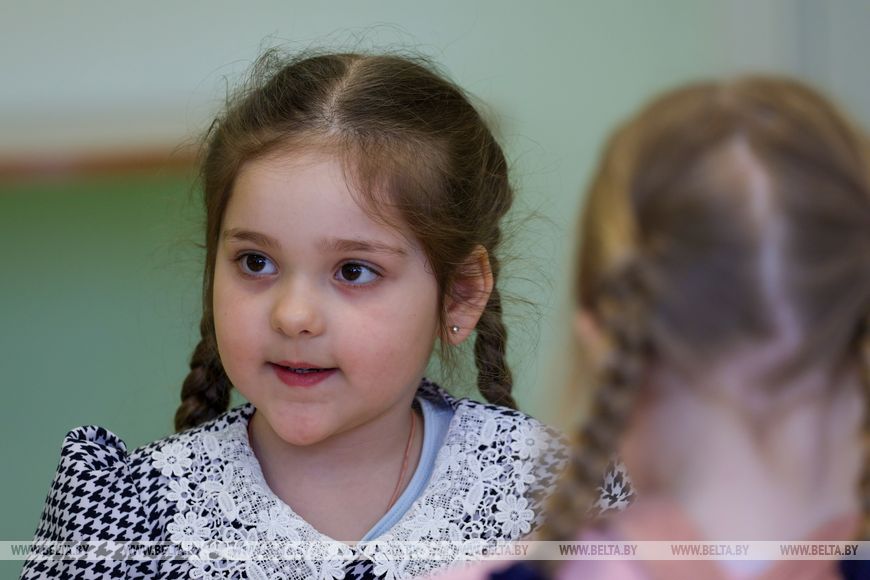
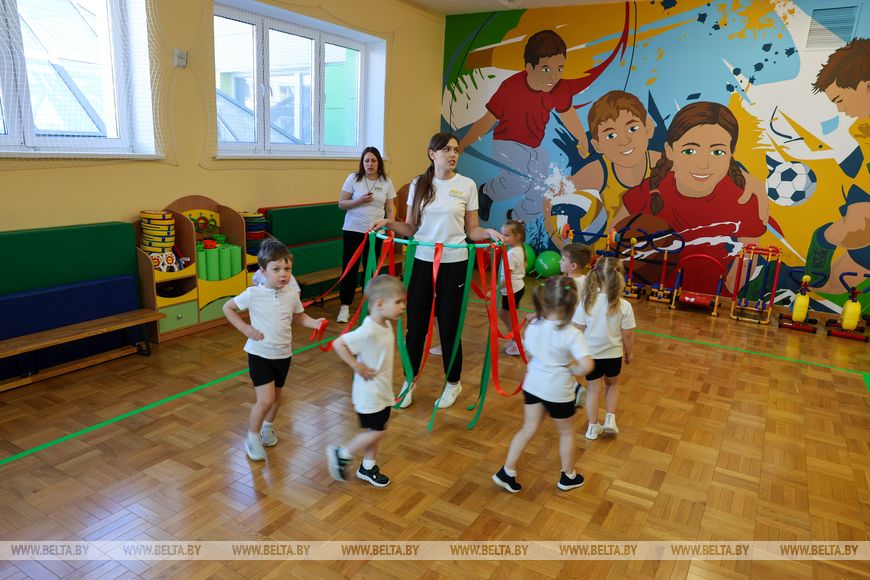
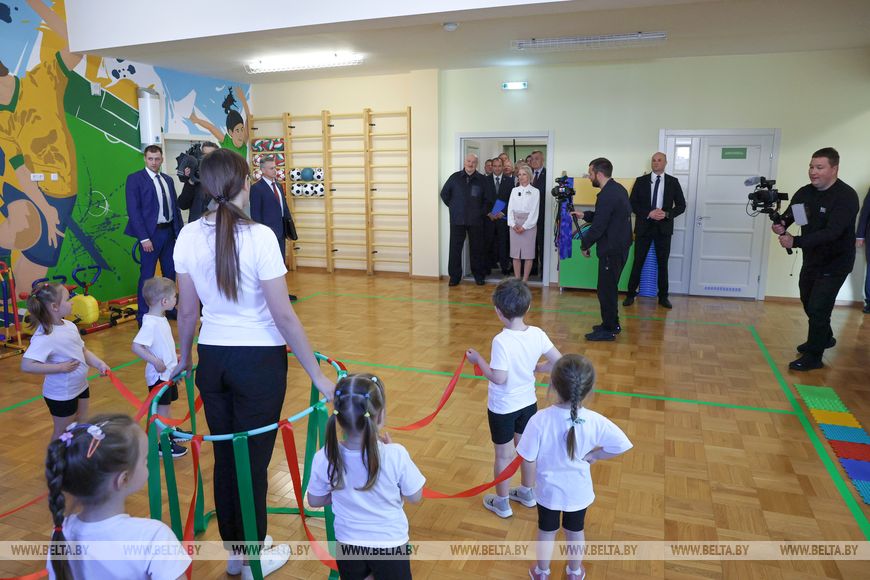
The visit to the nursery-kindergarten was particularly warm. Aleksandr Lukashenko spoke with its young students, and they performed a small artistic number. As a gift from the head of state, the children received a large basket of sweets, including President candies.
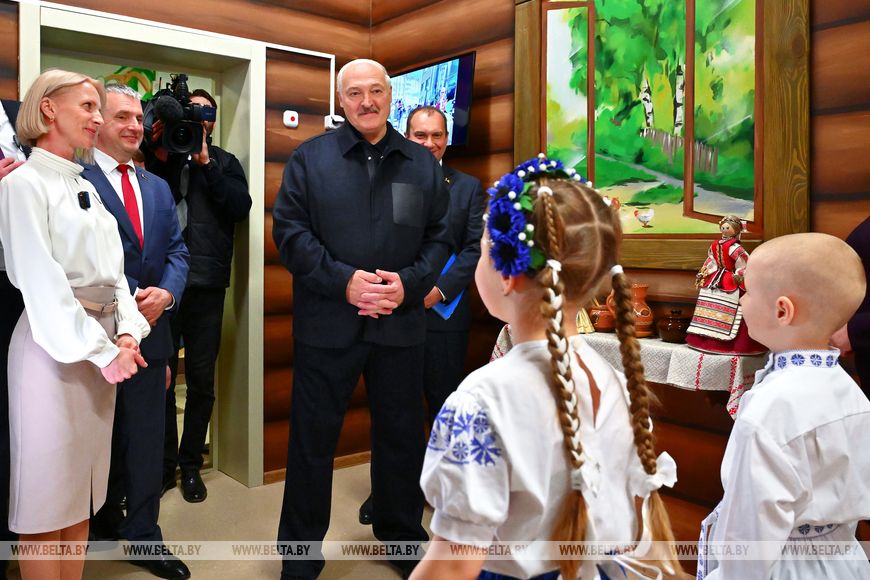
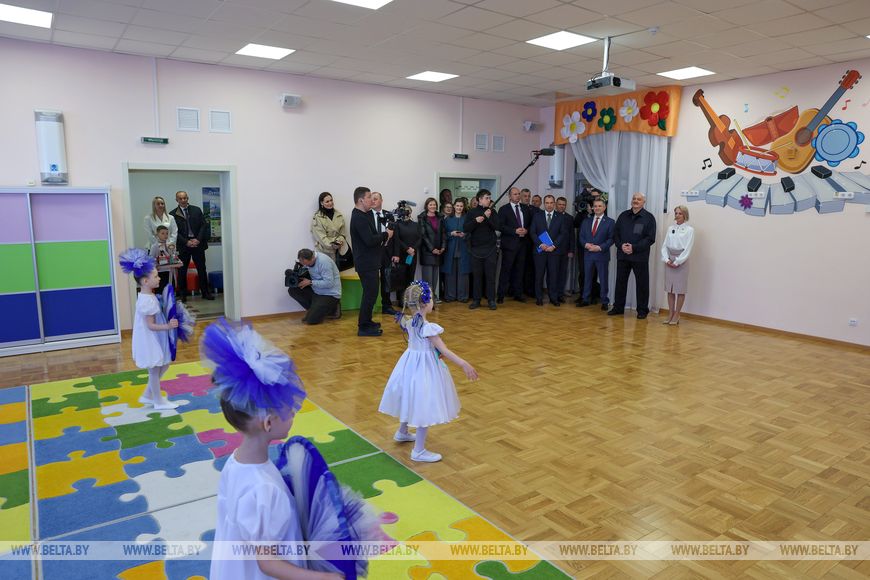
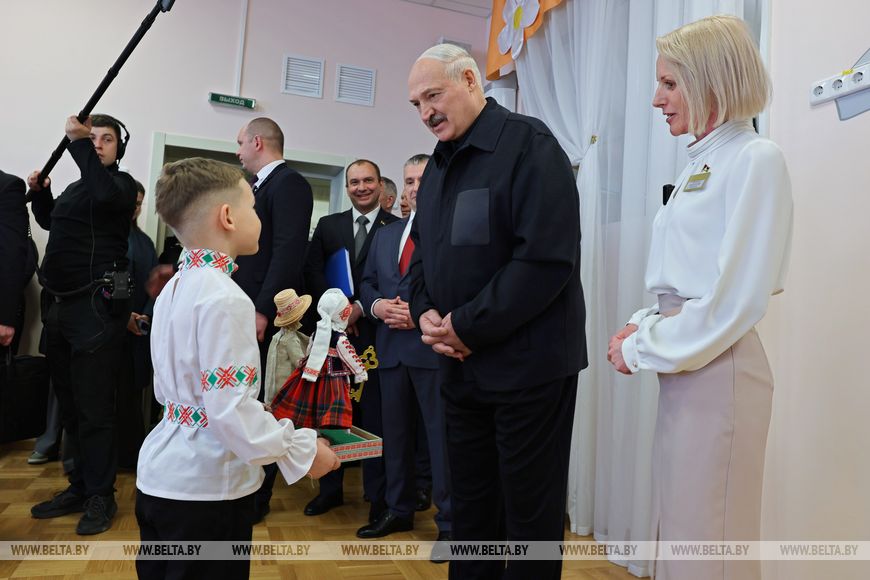
By the way, the nursery-kindergarten is located in a relatively new residential area. Andrei Rybakov informed Aleksandr Lukashenko that the company manages 16 residential buildings, one hall of residence, and 840 apartments in Petrikov. This allows providing housing for almost all employees of the local mining and processing complex in need of housing. Rental housing is provided. At present the sylvinite concentrating plant employs 800 people but there are plans to increase the figure to 1,200 people due to its expansion and higher output figures.
“Are there going to be any problems with housing?” the president asked for clarification.
“None. We [made plans for] a reserve,” the Belaruskali director general replied.
“That is the key thing. The wages over there are decent. It is important that housing will be available,” Aleksandr Lukashenko said.
Land reclamation and rehabilitation of affected lands. Lukashenko on the most important matters for Polesie area
During the big working trip the Belarusian leader also made some comments about maintaining soil fertility, which he called a state task, along with, for example, road construction. Apart from that, Aleksandr Lukashenko noted, land reclamation is of particular importance in the south of Belarus. “In Polesie this is a matter of utmost importance,” he added.
The discussion touched upon the matter as part of the talk about land reclamation. This is a matter that the head of state has been addressing repeatedly recently. A recent example is his trip to Krasnopolye District, Mogilev Oblast. At that time Aleksandr Lukashenko stated it is necessary to change the tactics of land reclamation and pointed out it is necessary to engage in soil improvement.
Carrying out land reclamation is not everything. This process is, of course, labor-intensive and expensive, but a responsible attitude towards the lands that have already been reclaimed is as important. The state invests huge amounts of money in land reclamation in order to put the land in order and make it acceptable for farming. But sometimes due to mismanagement these territories again fall into disrepair, and the money spent on land reclamation is simply buried in the ground. Aleksandr Lukashenko emphasized that it is completely unacceptable.
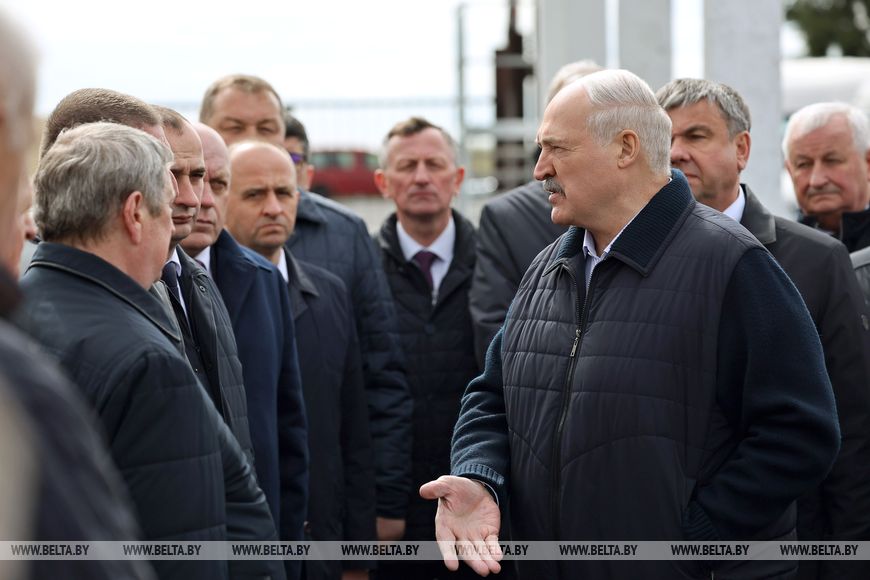
“We carried out land reclamation somewhere, but two or three years later the canals were overgrown again,” Aleksandr Lukashenko said. “You buried a considerable amount of money over there. The prosecutor will arrive now and ask: did you sign the transfer certificate?”
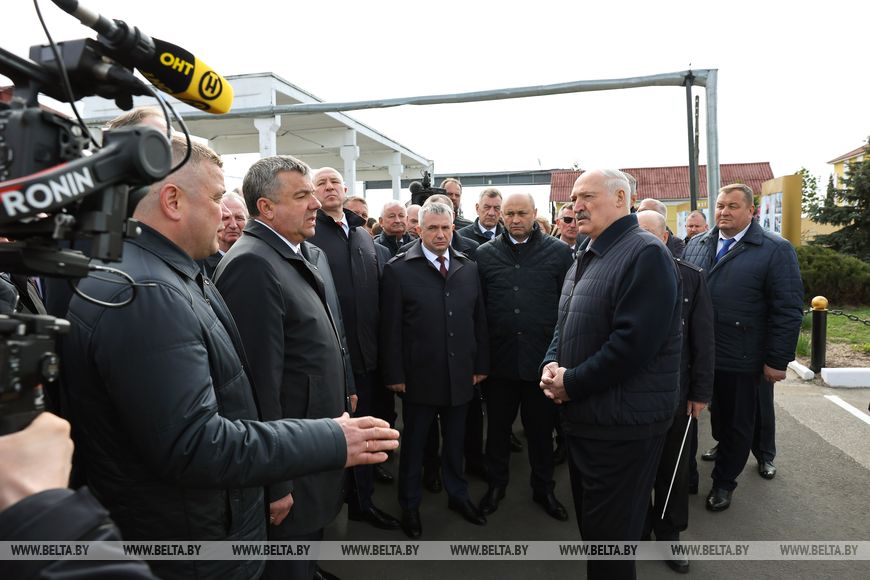
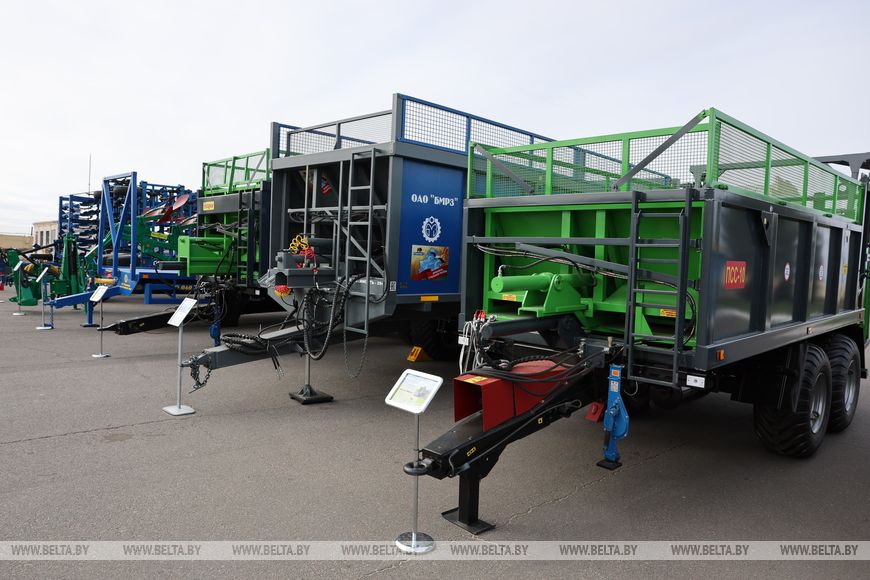
“Everything must be transferred by deed from the reclamation workers to the agricultural enterprise. Once you take this reclaimed field… Millions of rubles have been invested in it. It was transferred to you by deed. Then you are responsible,” the president emphasized.
To rehabilitate no matter the cost. Why does the president call for reclaiming affected lands for agricultural use?
Aleksandr Lukashenko did not leave without attention the matter of returning to agricultural use the lands affected by the Chernobyl nuclear power plant catastrophe. This issue affects not only the Pripyat Polesie area but also a number of other districts of the country. However, the topic was raised using agricultural practices in Narovlya District as an example.
The discussion touched upon increasing acreage by returning to agricultural use the lands affected by the Chernobyl nuclear power plant catastrophe. Across Gomel Oblast the area increased by a total of 1,300 hectares in one year. “These lands need to be rehabilitated. No matter the cost, we need to return to the lands that we had in Soviet times. And we can do it,” Aleksandr Lukashenko emphasized.
“These are so-called Chernobyl lands... So-called because I remember how political goals were secured with this topic. [The lands] were taken out of agricultural use. And now it is not so easy to reclaim them,” the head of state pointed out. “We have developed a certain scheme, a system. We need to look at the district, at the land, the number of hectares, and build [dairy] complexes. Because the situation will always be normal around a complex. If feed is needed, they will cultivate the land properly.”
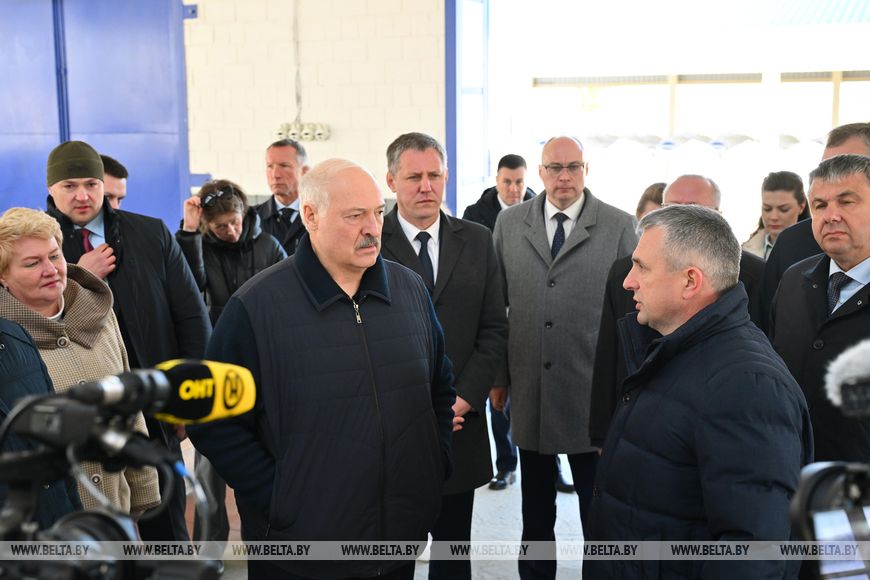
Aleksandr Lukashenko noted that farming standards in Narovlya District are high not only in comparison with the rest of the Pripyat River region but in comparison with the entire country. And this district is among those that have been hit hardest by the Chernobyl nuclear power plant catastrophe. As the example of Narovlya shows, with a developed system and proper approaches in place, such lands can indeed be reclaimed.