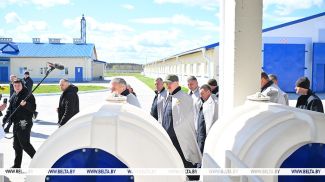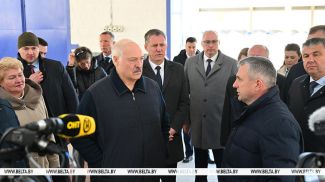
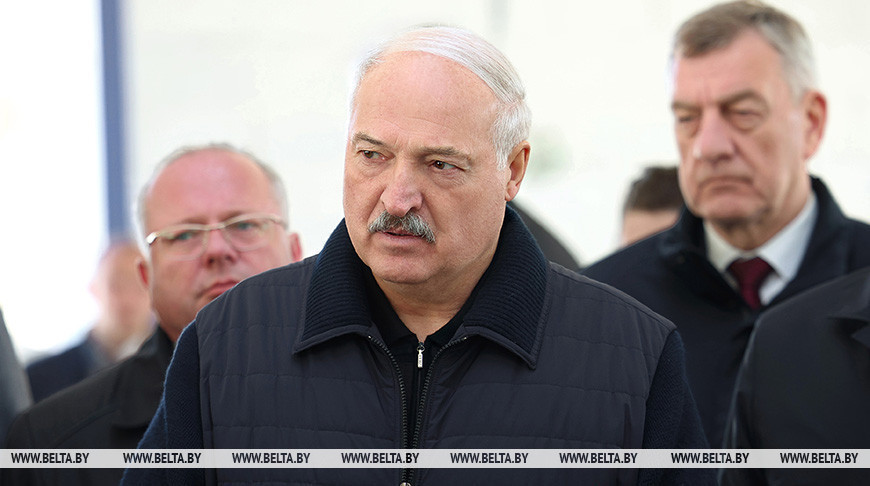
NAROVLYA DISTRICT, 27 April (BelTA) – During a working trip to Narovlya District, Belarusian President Aleksandr Lukashenko called for the return of lands affected by the Chernobyl accident to agricultural use, BelTA has learned.
Officials briefed the president on the state of agriculture in Narovlya District. Its particular feature is that some of the arable land there is being cultivated by organizations from Mozyr District. These lands were once transferred to stronger, more financially stable farms capable of developing them, as in the case of the Budki dairy farm, which is located in Narovlya District, while its parent organization, the Krinichnaya experimental farm, is in Mozyr.
“Have you managed these lands successfully?” the president asked, receiving an affirmative reply.
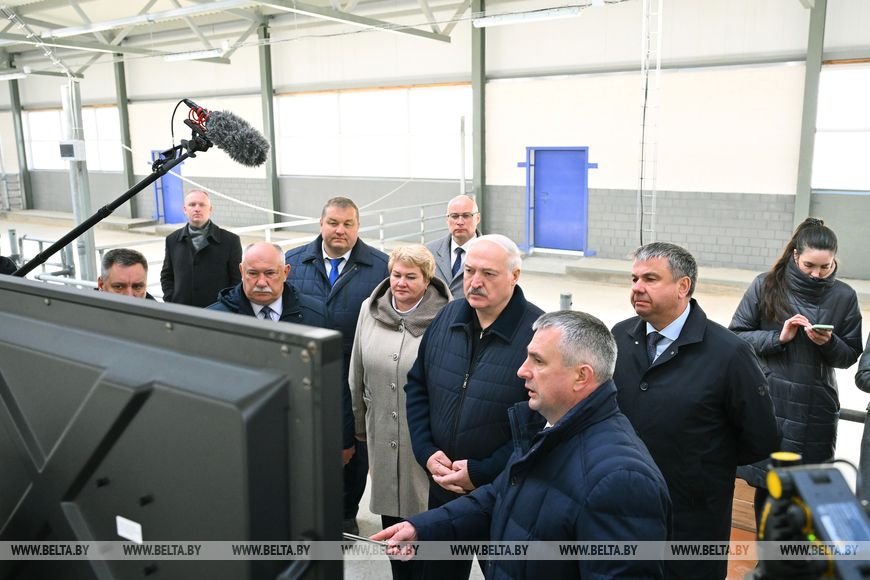
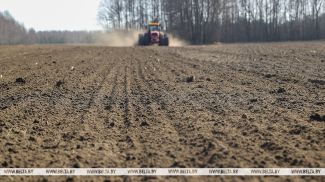
The discussion also touched upon expanding agricultural land by returning areas affected by the Chernobyl accident to cultivation. Across the entire Gomel Oblast, this added 1,300 hectares over the past year. “We must revive these lands. Whatever it takes, we must return to the lands we had in Soviet times. And we can do it,” Aleksandr Lukashenko emphasized.
“These so-called Chernobyl lands… ‘So‑called’ because I remember how politics was made out of this back then, and the lands were taken out of use,” the head of state noted. “Now it is not so easy to bring them back [to agricultural use]. We have developed a certain system. You need to look at the district, at the land, at the number of hectares, and build [dairy] complexes. Because around a complex there will always be a normal situation. Feed is neededб so the land will be cultivated properly.”
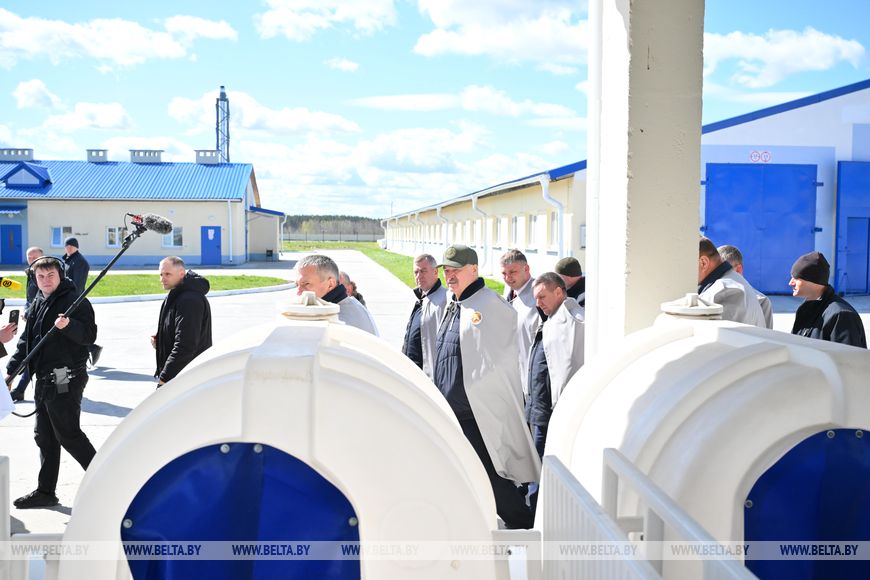
“If you continue to manage the land this way [as you are doing now]... You have carried out reclamation work. Beyond the Pripyat the order is ideal in comparison with other Pripyat districts and the country as a whole. For the country ,there is a very high level of agriculture on these lands. A very high level. If it is the case at every farm [in the district],” the Belarusian leader said.
“We are doing our best to make it this way everywhere. Of course, there is still work to be done,” replied Gomel Oblast Governor Ivan Krupko.
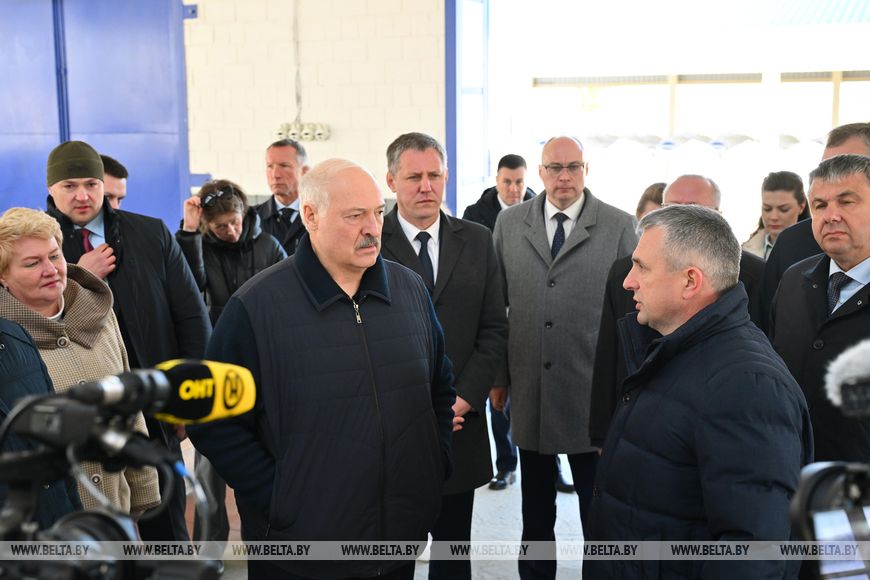
The president emphasized the importance of the interconnected nature of the agricultural industry, including crop production, livestock farming, and the availability of feed and fertilizers in achieving good results.
Officials briefed the president on the state of agriculture in Narovlya District. Its particular feature is that some of the arable land there is being cultivated by organizations from Mozyr District. These lands were once transferred to stronger, more financially stable farms capable of developing them, as in the case of the Budki dairy farm, which is located in Narovlya District, while its parent organization, the Krinichnaya experimental farm, is in Mozyr.
“Have you managed these lands successfully?” the president asked, receiving an affirmative reply.
The discussion also touched upon expanding agricultural land by returning areas affected by the Chernobyl accident to cultivation. Across the entire Gomel Oblast, this added 1,300 hectares over the past year. “We must revive these lands. Whatever it takes, we must return to the lands we had in Soviet times. And we can do it,” Aleksandr Lukashenko emphasized.
“These so-called Chernobyl lands… ‘So‑called’ because I remember how politics was made out of this back then, and the lands were taken out of use,” the head of state noted. “Now it is not so easy to bring them back [to agricultural use]. We have developed a certain system. You need to look at the district, at the land, at the number of hectares, and build [dairy] complexes. Because around a complex there will always be a normal situation. Feed is neededб so the land will be cultivated properly.”
“If you continue to manage the land this way [as you are doing now]... You have carried out reclamation work. Beyond the Pripyat the order is ideal in comparison with other Pripyat districts and the country as a whole. For the country ,there is a very high level of agriculture on these lands. A very high level. If it is the case at every farm [in the district],” the Belarusian leader said.
“We are doing our best to make it this way everywhere. Of course, there is still work to be done,” replied Gomel Oblast Governor Ivan Krupko.
The president emphasized the importance of the interconnected nature of the agricultural industry, including crop production, livestock farming, and the availability of feed and fertilizers in achieving good results.