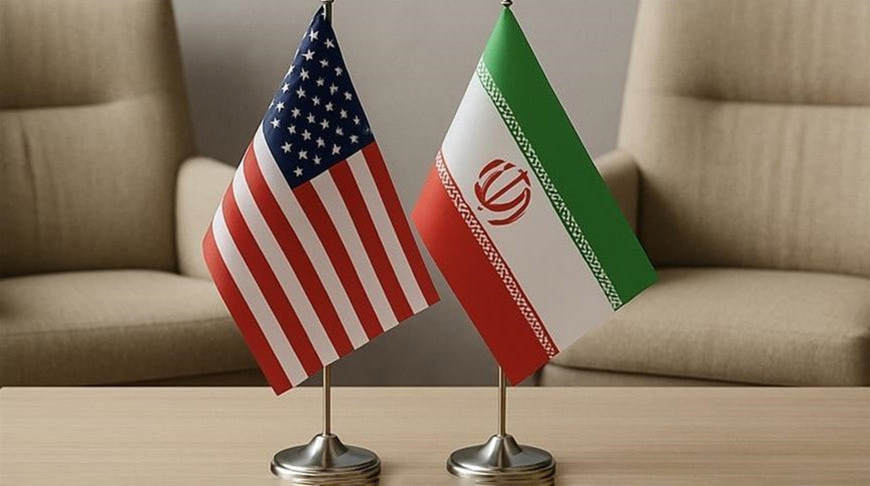
In the early hours of 8 April, U.S. leader Donald Trump announced that a bilateral ceasefire between the United States and Iran would be in effect for two weeks. The U.S. president described a 10-point peace proposal submitted by Iran as a “workable basis on which to negotiate'. According to the U.S. leader, the United States intends to facilitate the passage of ships through the Strait of Hormuz.
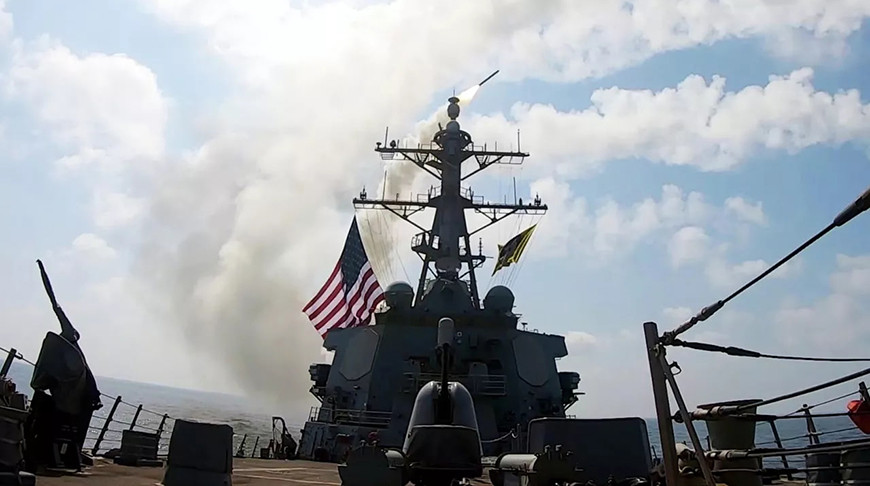
AP photo
Iran confirmed that a two-week ceasefire with specific conditions would be established between Iran, the United States, and Israel. The Iranian state television reported that negotiations between the parties to the conflict will take place in Islamabad within 15 days.
What preceded the ceasefire agreements?
On 22 March, the U.S. president issued an ultimatum to Iran. He threatened to destroy Iranian power plants if the Strait of Hormuz was not opened within 48 hours. Iran stated its readiness to take retaliatory measures and attack the energy infrastructure of the United States and Israel.
This was followed by a series of statements from both sides. Washington reported that they were negotiating with the Iranians and had already reached some agreements, while Tehran denied the information about negotiations.
The U.S. media reported that the United States had sent a 15-point peace plan to Iran, which included Tehran's renunciation of its nuclear program, the opening of the Strait of Hormuz, and a number of other concessions. Media also reported that Tehran had not accepted the U.S. proposals and had put forward its own conditions.
On 26 March the U.S. president announced a 10-day suspension of strikes on Iran’s energy infrastructure. As per Iranian Government request, please let this statement serve to represent that I am pausing the period of Energy Plant destruction by 10 Days to Monday, April 6, 2026, at 8 P.M., Eastern Time [3.00 Minsk time on 7 April]. Talks are ongoing and, despite erroneous statements to the contrary by the Fake News Media, and others, they are going very well,” Trump wrote on Truth Social.
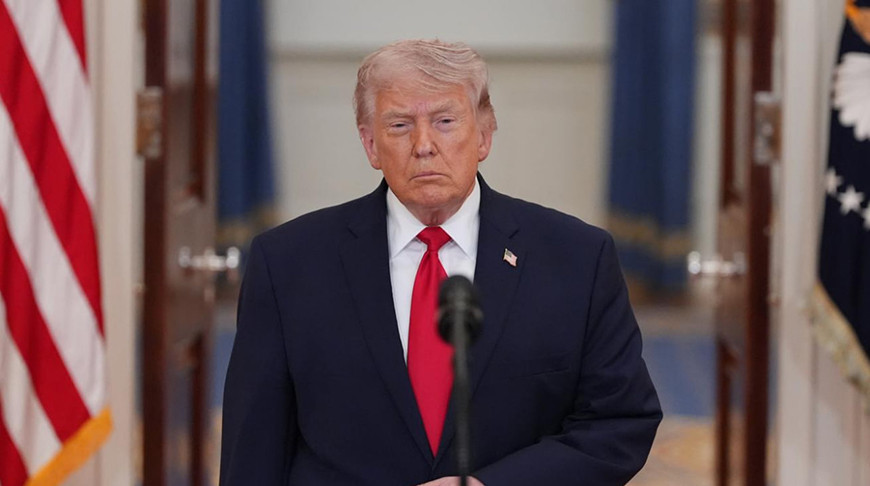 Donald Trump/Getty Images
Then, Trump apparently decided to postpone the deadline of his ultimatum by one day. “Tuesday, 8 P.M. Eastern Time (3.00 Minsk time on April 8], he posted again on Truth Social.
On Monday, 6 April, the U.S. president again threatened Iran with the destruction of all its power plants and bridges. “They don’t want to cry, as the expression goes, uncle. But they will. And if they don’t, then they’ll have no bridges, they’ll have no power plants, they’ll have no anything. I won’t go further because there are other things that are worse than those two,” Trump said.
On 7 April, the U.S. leader stated that a “whole civilization” could perish the following night if Iran does not respond to his ultimatum. “A whole civilization will die tonight, never to be brought back again. I don’t want that to happen, but it probably will,” he wrote on Truth Social.
Trump’s statement caused a wide resonance, including within the United States itself. Speculation arose that Washington might use nuclear weapons against Iran, but the White House rejected this information.
Even Pope Leo XIV commented on the threats against the Iranian people, calling them completely unacceptable. UN Secretary-General António Guterres called for immediate diplomatic efforts to end the war in the Middle East.
In Tehran, amid threats from the United States as well as strikes on the Iranian island of Kharg, officials threatened to destroy the infrastructure of the United States and its partners in the Persian Gulf, as well as to close the Bab el-Mandeb Strait.
“More than 14 million proud Iranians have so far registered to sacrifice their lives to defend Iran. I too have been, am, and will remain devoted to giving my life for Iran,” Iranian President Masoud Pezeshkian wrote on social media platform X.
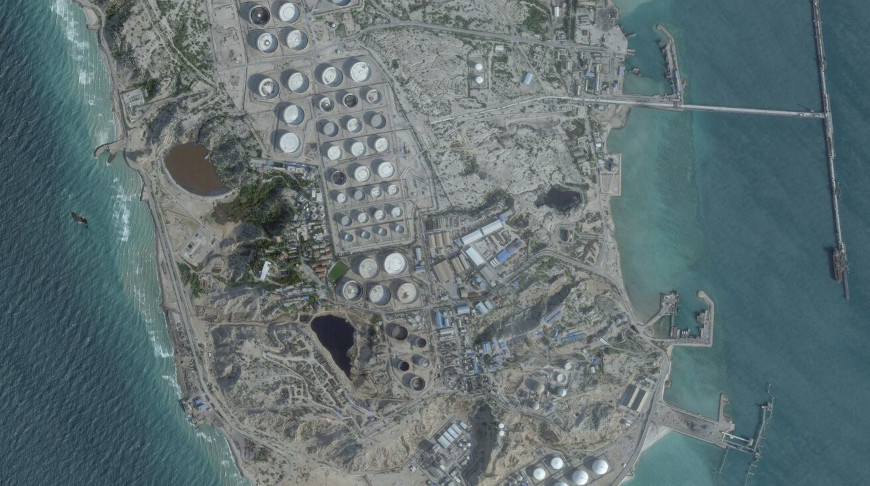 Photo by Reuters
Reaching a ceasefire agreement became possible largely thanks to Pakistan’s diplomatic efforts, as Islamabad held talks with both Washington and Tehran. Commenting on reports about the halt in hostilities between Iran and the United States, Pakistan’s Prime Minister Shehbaz Sharif stated that the ceasefire takes effect immediately and will also apply to Lebanon, which had come under attack from Israel.
Meanwhile, the Associated Press reported that China also played a role in facilitating the ceasefire between the USA and Iran. According to the agency, Beijing initially acted through intermediaries, including Pakistan, Türkiye, and Egypt, and later contacted Iran directly to persuade it to agree to a temporary truce.
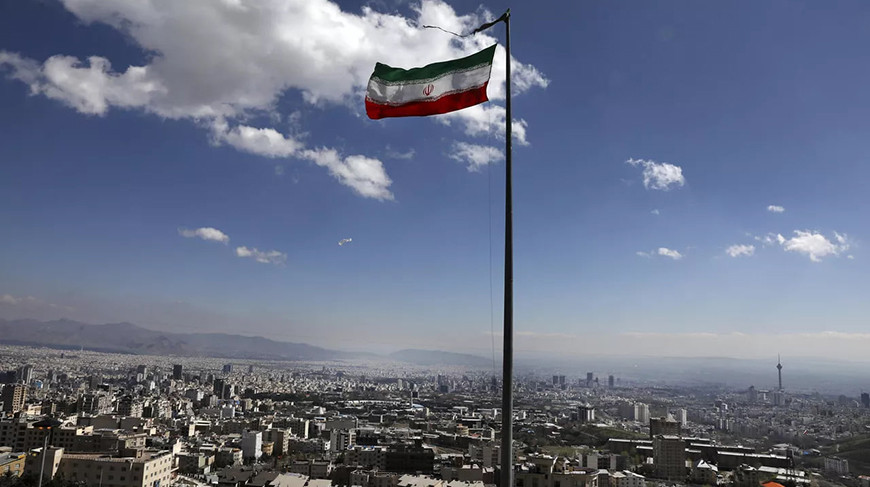
Photo from the AP archive
What is being said in Tehran?
“US President Donald Trump has backed away from his earlier threats against Iranian infrastructure and agreed to use the 10-point plan proposed by Iran as a basis for further negotiations,” Iran’s Tasnim news agency reported overnight.
Iran’s Supreme National Security Council declared victory and described the outcome as an “undeniable, historic, and crushing defeat” for the United States and Israel.
“Iran and the resistance have practically destroyed the American military machine in the region, delivering devastating and profound blows to a vast amount of infrastructure and facilities that the enemy had built and deployed in the region over many years for this war against Iran,” the Council’s statement said.
Meanwhile, citing Iranian media, TASS reports that residents in Iran are taking to the streets to celebrate the victory. In videos filmed on Valiasr Street, the longest in the Iranian capital, loud music can be heard, and people are waving Iranian flags. Heavy traffic is visible, with cars and two-wheel vehicles decorated with national flags.
What are the terms of the ceasefire?
What is being said in Tehran?
“US President Donald Trump has backed away from his earlier threats against Iranian infrastructure and agreed to use the 10-point plan proposed by Iran as a basis for further negotiations,” Iran’s Tasnim news agency reported overnight.
Iran’s Supreme National Security Council declared victory and described the outcome as an “undeniable, historic, and crushing defeat” for the United States and Israel.
“Iran and the resistance have practically destroyed the American military machine in the region, delivering devastating and profound blows to a vast amount of infrastructure and facilities that the enemy had built and deployed in the region over many years for this war against Iran,” the Council’s statement said.
Meanwhile, citing Iranian media, TASS reports that residents in Iran are taking to the streets to celebrate the victory. In videos filmed on Valiasr Street, the longest in the Iranian capital, loud music can be heard, and people are waving Iranian flags. Heavy traffic is visible, with cars and two-wheel vehicles decorated with national flags.
What are the terms of the ceasefire?
As noted earlier, this is a temporary two-week truce during which the sides plan to finalize a broader peace agreement.
According to President Trump’s statement, Washington views Tehran’s 10-point plan as a working basis for continued negotiations.
“We received a 10 point proposal from Iran, and believe it is a workable basis on which to negotiate. Almost all of the various points of past contention have been agreed to between the United States and Iran, but a two week period will allow the agreement to be finalized and consummated,” the US president said.
According to President Trump’s statement, Washington views Tehran’s 10-point plan as a working basis for continued negotiations.
“We received a 10 point proposal from Iran, and believe it is a workable basis on which to negotiate. Almost all of the various points of past contention have been agreed to between the United States and Iran, but a two week period will allow the agreement to be finalized and consummated,” the US president said.
Iran’s peace proposals are listed by the Tasnim news agency. They include a commitment from the United States to guarantee non-aggression against Iran, withdraw U.S. military forces from the region, and cease military operations on all fronts, including against Lebanon. Iran would retain the right to enrich uranium, control over the Strait of Hormuz, and receive compensation for damage caused to the country during hostilities. All primary and secondary sanctions against Iran would be lifted, as would the effect of all UN Security Council resolutions and IAEA Board of Governors resolutions against Tehran.
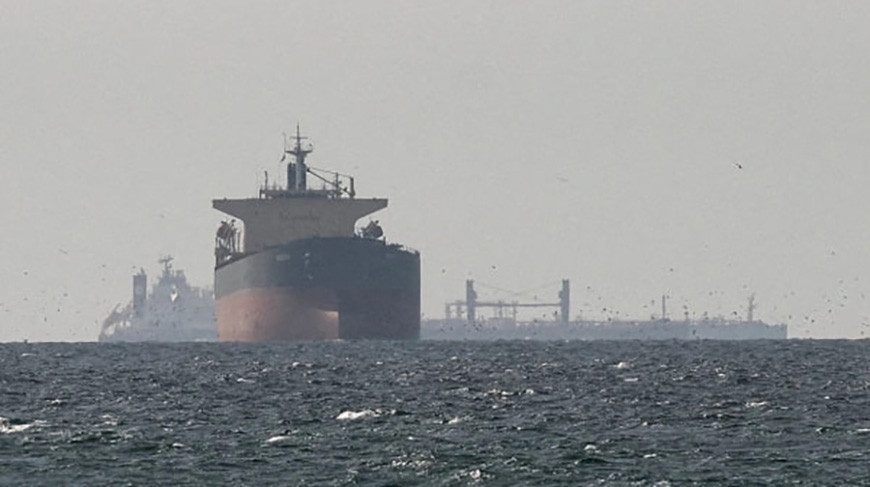
Iranian Foreign Minister Abbas Araghchi has said that passage through the Strait of Hormuz would become free within two weeks of a ceasefire being concluded. At the same time, U.S. media report that Washington intends to stop the fire only after the Strait of Hormuz is opened.
 Reuters photo
It remains unclear how Israel’s plans align with a USA-Iran ceasefire.
CNN reports that Tel Aviv has agreed to join the United States in a two-week ceasefire with Iran. The Iranian news agency Tasnim also reports that a two-week truce “with certain conditions” will be in effect between Iran, the United States and Israel.
The Israeli newspaper The Times of Israel, citing the office of Israeli Prime Minister Benjamin Netanyahu, reported that Tel Aviv supported Trump’s ceasefire decision – provided that the Strait of Hormuz is opened immediately and “all attacks on the United States, Israel and the countries of the region cease.”
At the same time, Netanyahu believes that the two-week truce does not apply to Lebanon. This contradicts the ceasefire terms outlined by the prime minister of Pakistan. Recall that Shehbaz Sharif also stated that the truce takes effect immediately. However, Israeli media report that Iran and Israel continue to exchange strikes.
The question of Iran’s nuclear and missile programs remains open. “Israel also supports the U.S. effort to ensure that Iran no longer poses a nuclear, missile and terror threat to the United States, Israel, Iran’s Arab neighbors and the world,” the Israeli prime minister’s office said in a statement cited by The Times of Israel.
The newspaper also reported that the United States and Israel will pursue common goals in the upcoming negotiations, including regarding Iran’s nuclear and missile programs. Specifically, according to The Times of Israel sources, the USA intends to demand that Tehran remove all nuclear materials from the country, abandon uranium enrichment, and eliminate the ballistic missile threat. However, these conditions, as is known, contradict Iran’s proposals for a peaceful settlement.
Iranian state television has reported that negotiations between the parties to the conflict will take place within 15 days. Islamabad will serve as the dialogue platform. The talks are expected to be direct. On the U.S. side, participants may include U.S. Vice President JD Vance, presidential envoy Steve Witkoff, and former White House senior adviser and son-in-law of President Trump Jared Kushner.
Vita KHANATAYEVA,
BelTA