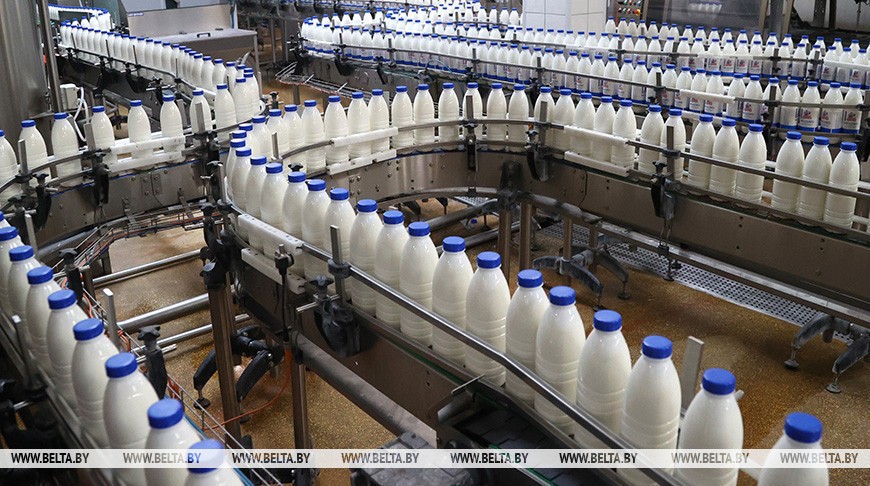
An archive photo
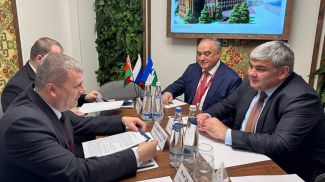
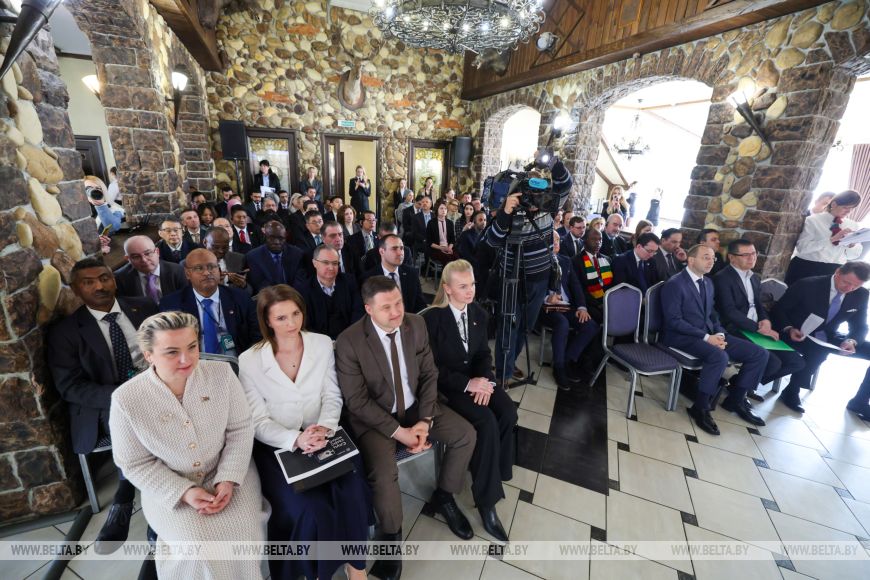
MINSK, 26 March (BelTA) – The agro-industrial complex accounts for 7% of Belarus’ GDP, Belarusian Deputy Agriculture and Food Minister Aleksandr Yakovchits said during the event for heads of diplomatic missions in Belarus on the agricultural sector, BelTA has learned.
“The state policy is focused on developing key sectors of the economy, with agriculture being one of the top priorities,” Aleksandr Yakovchits noted. “The agro-industrial complex generates 7% of the country’s GDP, and agriculture’s share in fixed-capital investment exceeds 16%. Last year, exports of food products and agricultural raw materials accounted for a quarter of Belarus’ total exports (24.4%).”
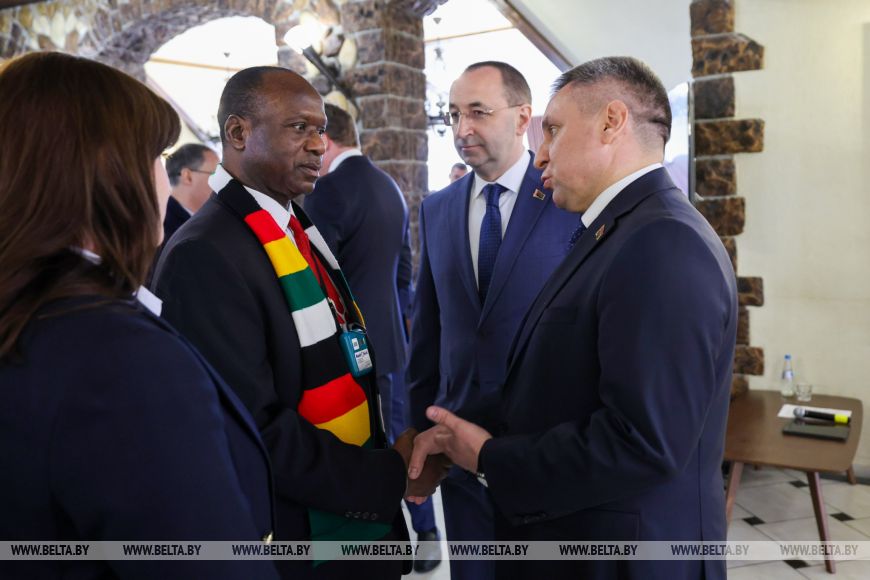
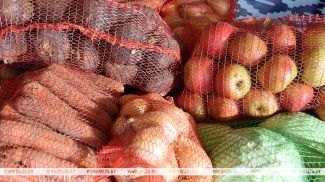
According to the Global Food Security Index, Belarus is classified as a country that fully ensures its food independence. The nation maintains a high level of self-sufficiency in major consumer products: meat – 140%, milk – nearly 300%, eggs – 130%, potatoes and vegetables – around 100%. Producers not only meet domestic demand but also possess significant export potential.
“We are among the world’s top ten exporters of dairy products and among the top fifteen exporters of meat products,” the deputy minister said.
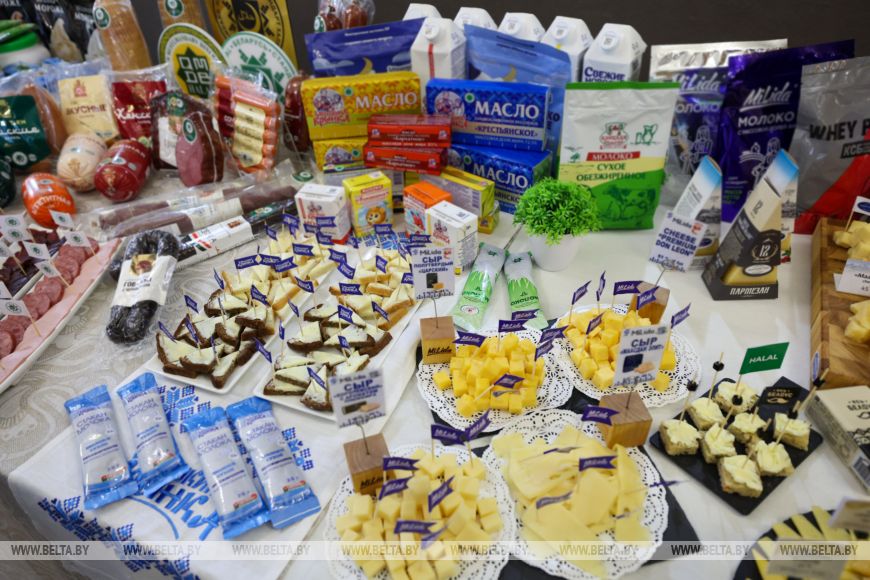
The dairy sector accounts for half of all agricultural output and forms the core of the agro-industrial complex’s export potential. Last year alone, Belarus exported $4 billion worth of processed dairy products. The geography of supplies continues to expand, currently covering 69 countries. The product range includes around 1,800 items. The most export-oriented categories are cheese (45% of total dairy exports) and butter (Belarus is among the world’s leading exporters).
The meat industry, with deep processing of raw materials, is also a priority. The country has 19 major meat-processing enterprises producing around 1,000 types of meat products and supplying them to 20 countries. Beef accounts for 53% of meat exports, while poultry exceeds 20%.
In total, Belarusian food products were exported to 117 countries last year. The main trading partners are Russia and other EAEU states, as well as China. Dozens of new markets have been opened in recent years, including in Africa and Southeast Asia. Work is underway to diversify the export portfolio.
Photos by Nikolai Petrov/ BelTA