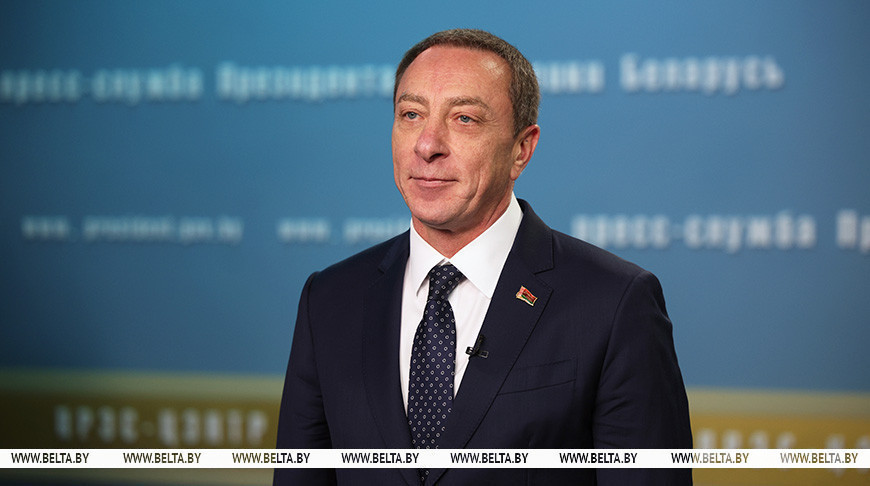
MINSK, 30 April (BelTA) – First Deputy Prime Minister Nikolai Snopkov told reporters how regional development will continue in Belarus in the spirit of the One District – One Project initiative, BelTA has learned.
According to the first deputy prime minister, the One District – One Project program is now practically over. Of the 217 projects included in the program, 144 have been implemented. The remaining projects are planned to be implemented in 2026-2028.
Nikolai Snopkov emphasized that the current five-year period envisages a mechanism for supporting investment projects. It is called the Regional Initiative. It differs from the One District – One Project initiative: the Council of Ministers will no longer approve specific lists.
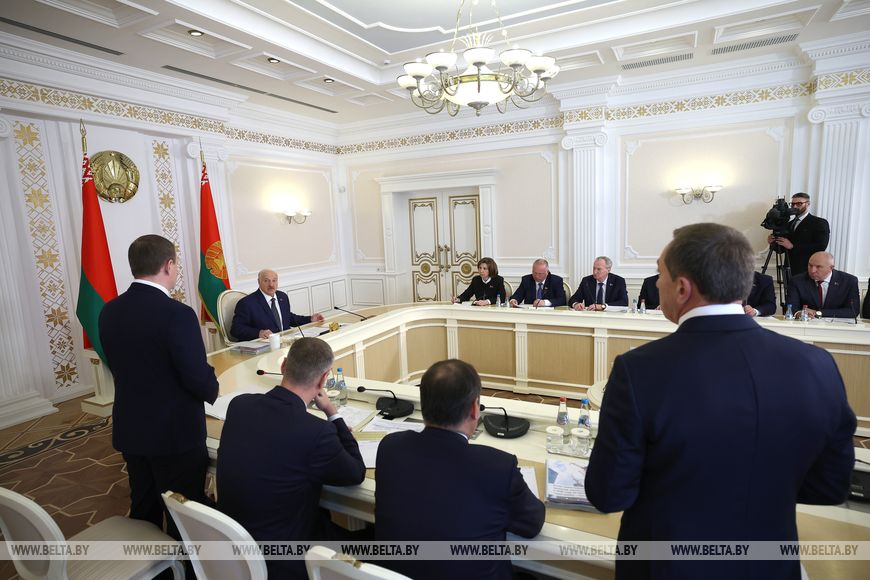
“There will be a list submitted proactively to the Economy Ministry. It will be compiled, monitored, modeled, and sent for financing to state banks by the Economy Ministry,” the first deputy prime minister explained. “Projects need to have concrete applications in concrete districts. Apart from that, the projects have to be initiated and needed by the district itself and by the oblast. These are not projects that are forced upon. These are mature initiatives. Apart from that, it is necessary to focus on projects where competences of Belarusians are as deep and as developed as possible.”
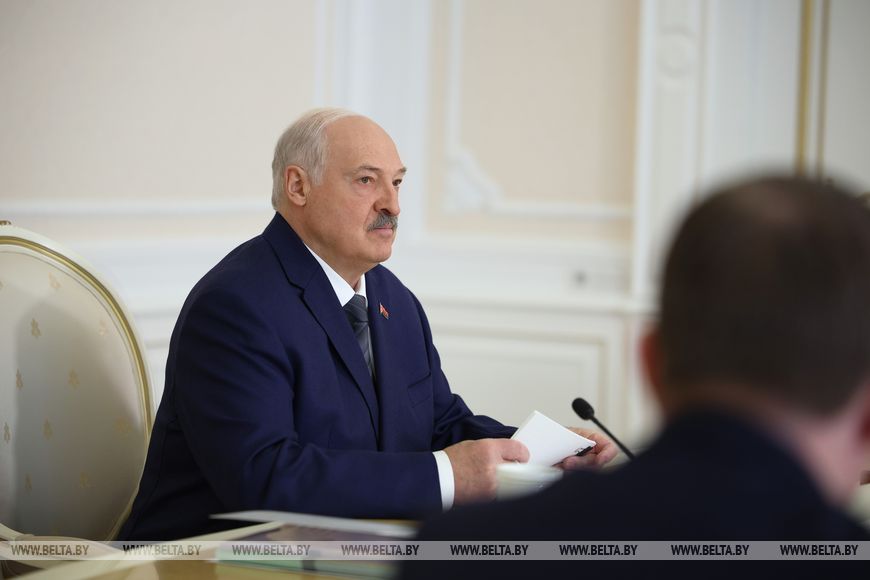
In this manner work on supporting investment projects will continue within the framework of the Regional Initiative. Nikolai Snopkov stressed that the basic goal remains the same: to develop district capitals and agrotowns, to stop the exodus of people from the regions.
“The president supported the government’s proposal to improve financial conditions aimed at implementing projects. In the regions these are special government resources coordinated with the president and the National Bank. The president also supported the innovations that stimulate investment development in terms of capital cost compensation,” the first deputy prime minister said. “They are differentiated: I reported that in industrial centers the state budget will compensate 15% of the total project’s capital costs after its implementation and in agricultural areas – up to 35%. Apart from that, the head of state supported the government’s position that this program on stimulating regional development is not only for the past five-year period but essentially a long-term guaranteed condition for bringing investments to the regions. The president also supported the government’s initiative, our desire to develop such approaches to investment projects not only in regional centers and not only through state banks, but much more broadly and through commercial banks as well.”
In the context of development of the regions participants of the conference also discussed the development and preservation of agrotowns. In particular, the need to revise the standards for enabling infrastructure environment was discussed. “During the conversation it was mentioned that an art school is necessary. It is natural because children need to develop. The standards for the development of district capitals and agrotowns need to be revised and adapted to modern conditions,” Nikolai Snopkov concluded.