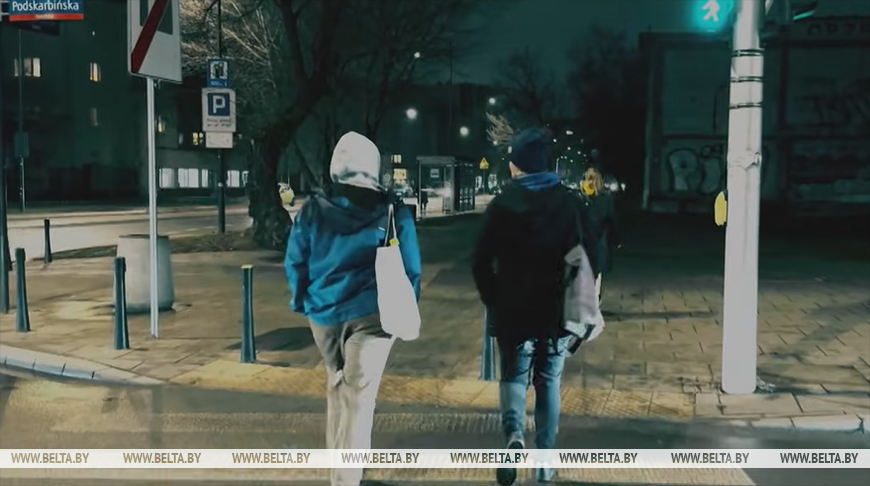
Screenshot of the Belarus 1 TV channel video
MINSK, 13 January (BelTA) – The Belarus 1 TV channel aired a report on the difficulties faced by Belarusians who moved to Poland, BelTA has learned.
On 28 November 2025, Polish media reported the detention in Warsaw and Białystok of a “spy group” consisting of citizens of Ukraine and Belarus. Among them was former Bobruisk journalist and political activist Vladimir Usser. After a harsh arrest, the 70-year-old Belarusian was taken to a hospital and later to a local shelter, where he soon died under mysterious circumstances. For unknown reasons, the prosecutor’s office seized his body.
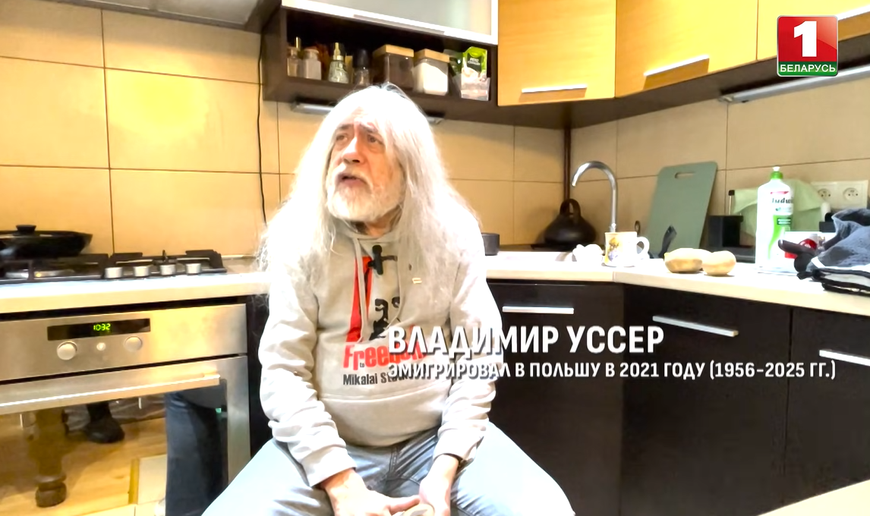
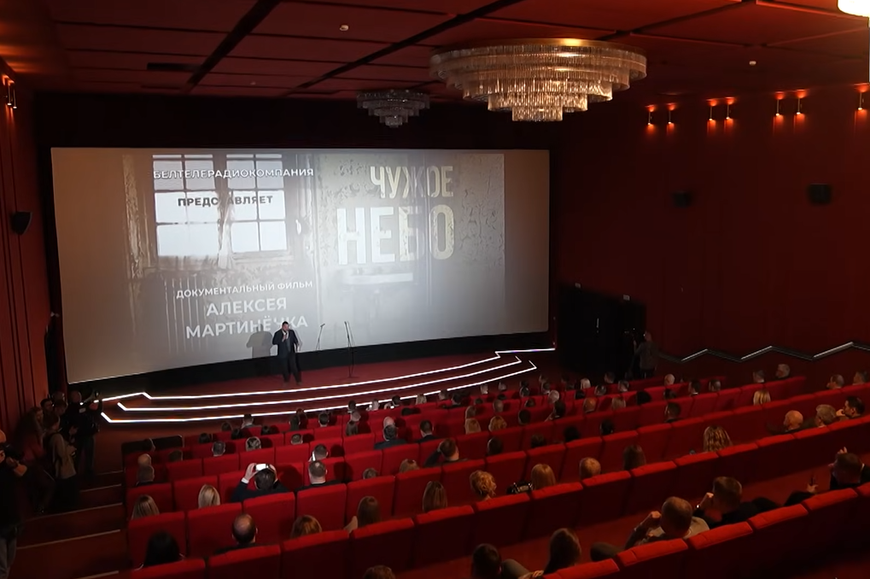
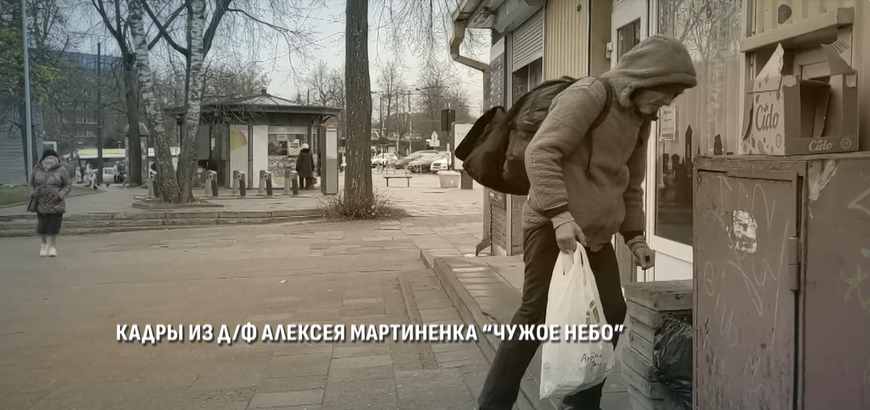
Vladimir Usser had been one of the main characters of the documentary Foreign Sky, which depicted the hardships faced by Belarusians who had moved to Poland and Lithuania. In the film, Vladimir Usser admitted that he lived in extreme poverty and longed to return home to Belarus. In October 2025, he submitted an application to the readmission commission reviewing appeals from Belarusians abroad regarding offenses committed, seeking permission to return to his homeland. The commission approved his return, but he never learned of it.
 In November, Polish security services declared that Vladimir Usser was an agent who had received assignments via Telegram between March 2024 and February 2025. He faced up to 10 years in prison under espionage charges. He was prohibited from leaving Poland. Due to his health condition, he was placed in a hospital, where interrogations also took place.
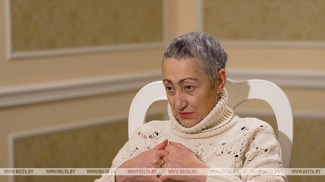
His acquaintance, Anatoly Voitekhovsky, who returned to Belarus with the assistance of the commission, described the conditions in which the 70-year-old man lived. “He was forgotten, abandoned by the very forces that made him leave. He believed he would be needed. But when he went abroad, he found himself unwanted. On the day he was detained, I heard a knock at the door and went to open it because Vladimir couldn’t get up from the sofa due to poor health. I opened the door, and eight masked men with weapons rushed in. They took me to another room. I heard them beating Vladimir, throwing him off the sofa. They shouted at him. He understood nothing because he didn’t know Polish,” Anatoly Voitekhovsky said.
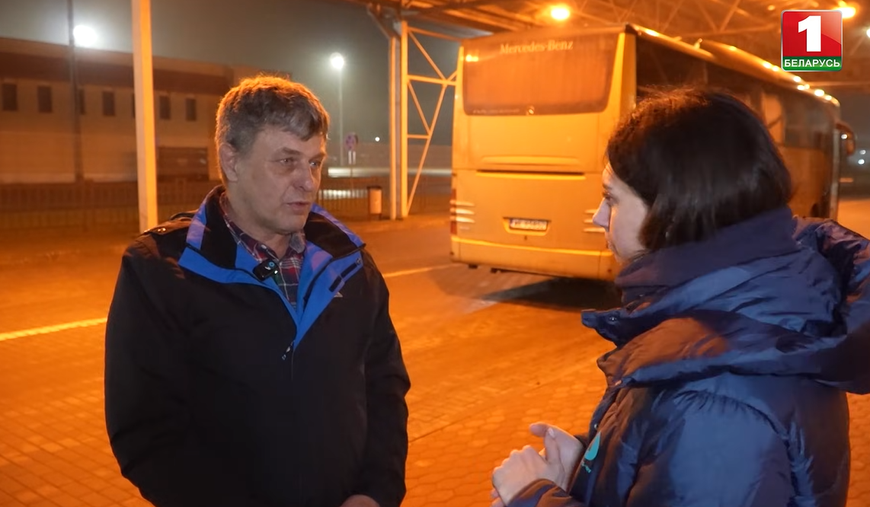
He added that Vladimir Usser lived in dire poverty and suffered health problems but refused hospitalization because of bills and lack of insurance. His money was only enough for a minimal supply of food. He could not find work due to his age and lack of Polish language skills. At the same time, he received no assistance from destructive organizations calling themselves the “Belarusian opposition”, despite those structures having received about €200 million from the EU since 2020. “I don’t know where that money goes. No one gets help. The money disappears like sand. No one reports on it. They [the leaders of these destructive organizations] help themselves first and foremost,” Anatoly Voitekhovsky emphasized.
He worked part-time as a taxi driver in Poland and lived modestly. He realized that he might soon share the fate of Vladimir Usser and decided to return to Belarus.
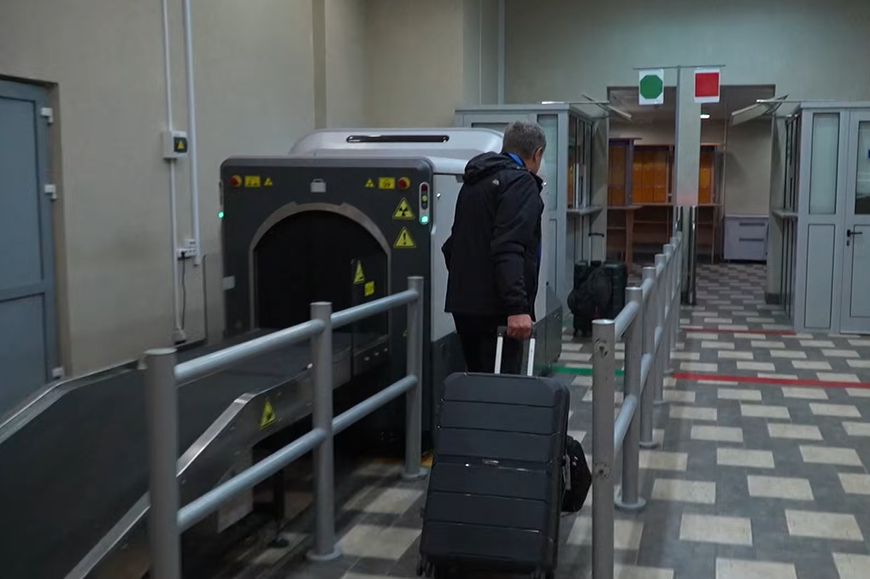
Screenshots of the Belarus 1 TV channel video