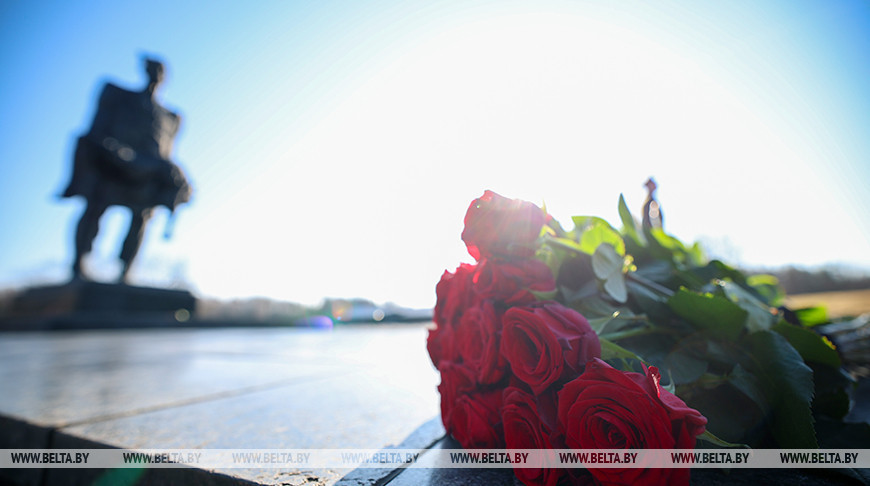
MINSK, April 7 (BelTA) - More than 700,000 people visited the Khatyn memorial complex in 2025, Anna Papko, Deputy Director of the Khatyn State Memorial Complex, said during a roundtable to discuss the patriotic tourism and cooperation of CIS states in preserving memory and educating younger generations at the Belarusian State Museum of the History of the Great Patriotic War, held as part of the Travel Hub Commonwealth forum, BelTA has learned.
“For us, patriotic education is a daily effort. According to statistics, the Khatyn memorial complex has been among the top three most visited sites for military-patriotic tourism for two years running. In 2025, we welcomed more than 700,000 people, not only residents of Belarus, Russia, and CIS countries but also visitors from far abroad. Among the visitors, over 40% are young people,” Anna Papko noted.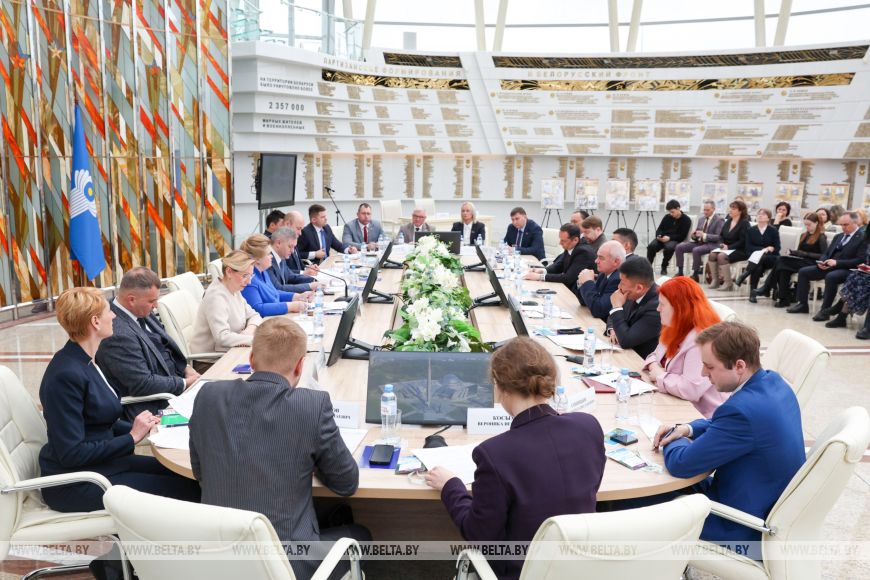
The museum at the memorial complex, she said, was specifically created to engage the younger generation. Guests do not simply walk through the halls viewing the exhibits; they become immersed in the events of the Great Patriotic War. Last year, the memorial complex and its branches conducted more than 11,000 tours.
“Every year, we hold field memorial lessons, dialogue platforms, informational meetings with work collectives, and lectures for the general public that address the topic of genocide. One form of work with the younger generation that we implement is the 'Lesson in the Museum' program. Just last year alone, more than 4,000 schoolchildren attended such lessons,” Anna Papko said.
In addition to the main exhibition, visitors can explore temporary exhibits. The collections contain items of significant interest. Many were obtained during the investigation into the criminal case into the genocide of the Belarusian people
Photos by Tatiana Matusevich/BelTA
“For us, patriotic education is a daily effort. According to statistics, the Khatyn memorial complex has been among the top three most visited sites for military-patriotic tourism for two years running. In 2025, we welcomed more than 700,000 people, not only residents of Belarus, Russia, and CIS countries but also visitors from far abroad. Among the visitors, over 40% are young people,” Anna Papko noted.
The museum at the memorial complex, she said, was specifically created to engage the younger generation. Guests do not simply walk through the halls viewing the exhibits; they become immersed in the events of the Great Patriotic War. Last year, the memorial complex and its branches conducted more than 11,000 tours.
“Every year, we hold field memorial lessons, dialogue platforms, informational meetings with work collectives, and lectures for the general public that address the topic of genocide. One form of work with the younger generation that we implement is the 'Lesson in the Museum' program. Just last year alone, more than 4,000 schoolchildren attended such lessons,” Anna Papko said.
In addition to the main exhibition, visitors can explore temporary exhibits. The collections contain items of significant interest. Many were obtained during the investigation into the criminal case into the genocide of the Belarusian people
Photos by Tatiana Matusevich/BelTA


![Sergei Karnaukhov [Screengrab/BelTA]](https://eng.belta.by/images/storage/news/with_archive/2026/000022_1777398990_179660_medium.png "Sergei Karnaukhov [Screengrab/BelTA]")