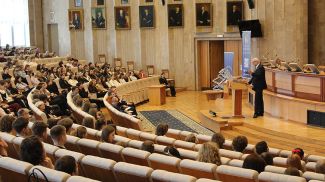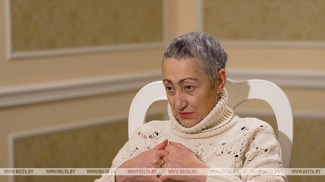
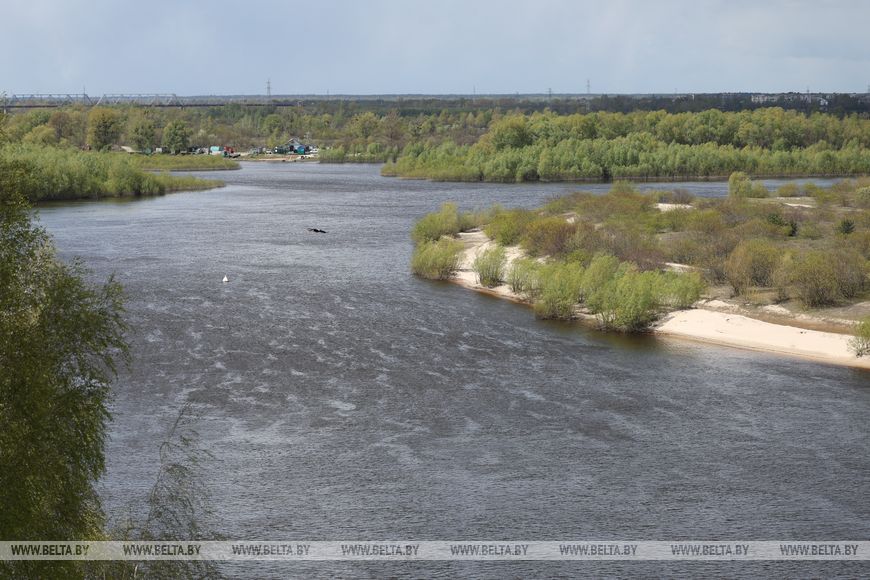
Meet the Pripyat, the “Belarusian Amazon” and the beating heart of Polesie. Its spring floods transform peaceful meadows into the “Herodotus Sea,” and the river flexes its full might in Mozyr. The city itself is a showstopper, with a landscape carved by deep ravines and soaring hills. Want to see mountain-like vistas without traveling abroad? Head to this corner of Belarus. BelTA correspondents joined a field seminar “Gomel Oblast’s Tourism Potential on Display” hosted by the National Tourism Agency and came back with stories to tell.
In harmony with nature
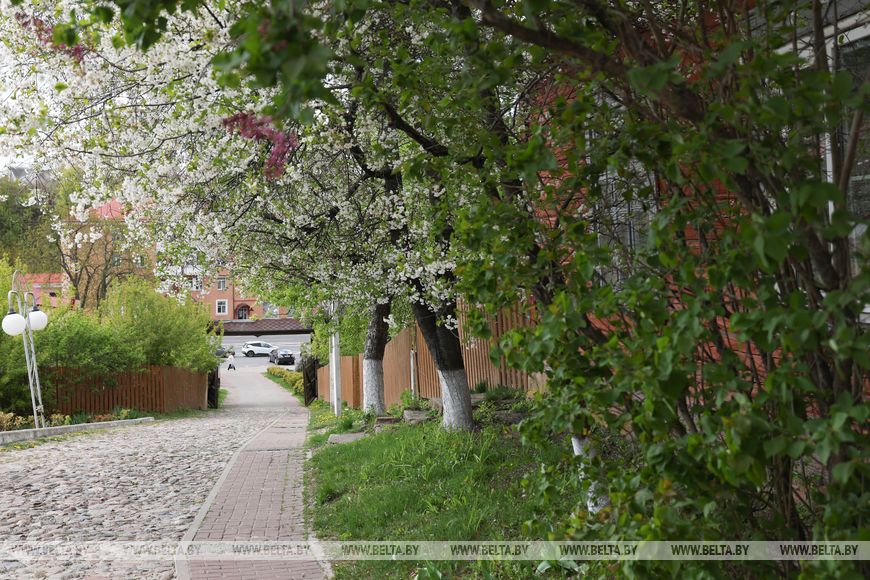
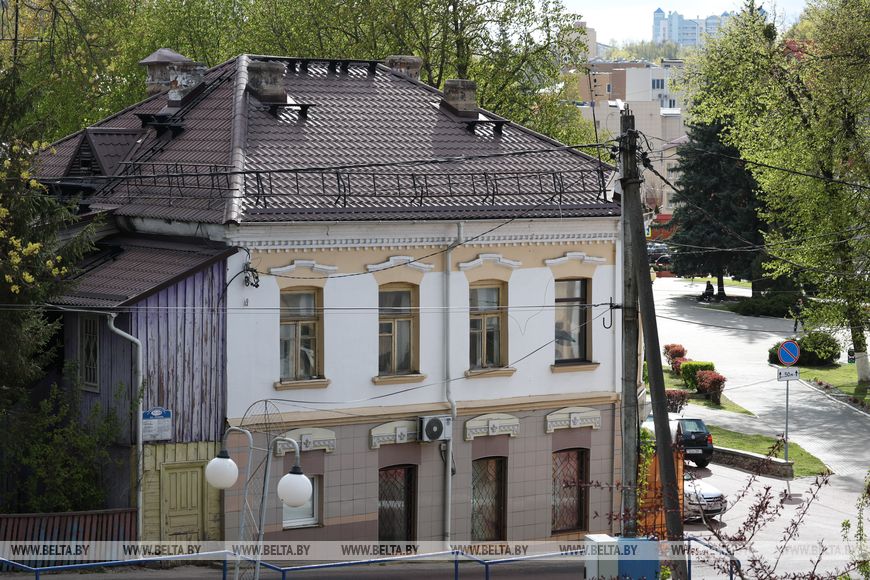
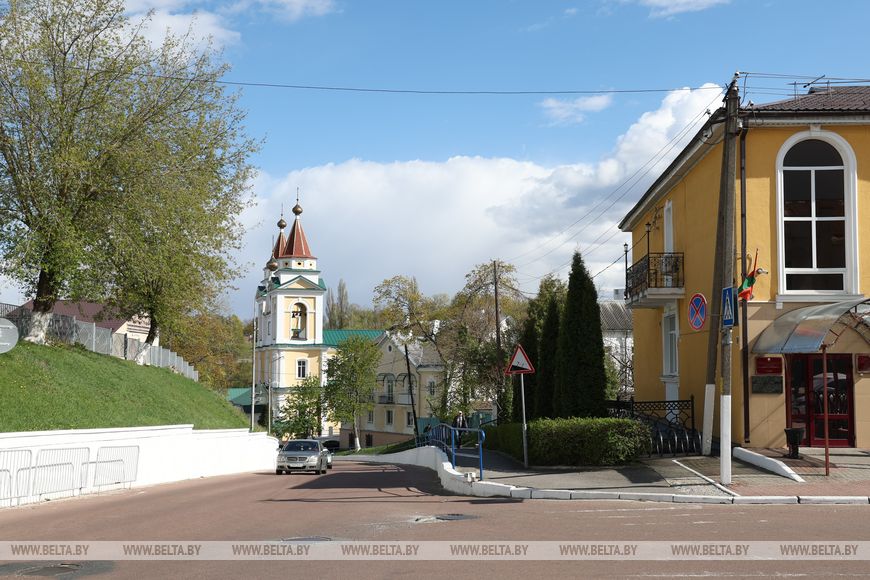
Picturesque landscapes, a rich historical and cultural heritage, industrial excursion options, and agritourism all serve as growth points for the region’s hospitality industry. The streets climb steeply upward, houses stand at multiple levels, and long staircases wind through the city. Any visitor would agree: there is nothing else like this in Belarus.
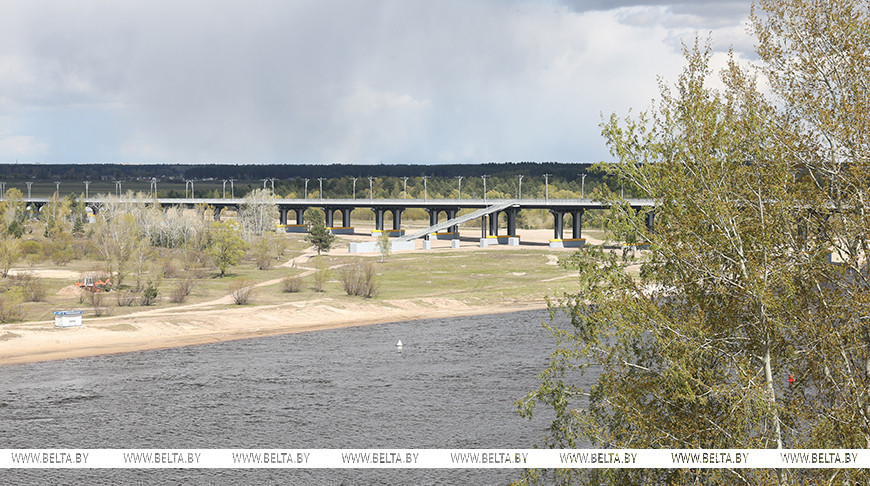
Spanning the Pripyat is one of the country’s longest automobile bridges, a landmark in its own right. What makes it unique is its architectural centerpiece: an 84-meter flexible metal arch with a cable-stayed system, modernized to enhance its strength. After a major reconstruction not long ago, a viewing platform and modern lighting were added to the structure.
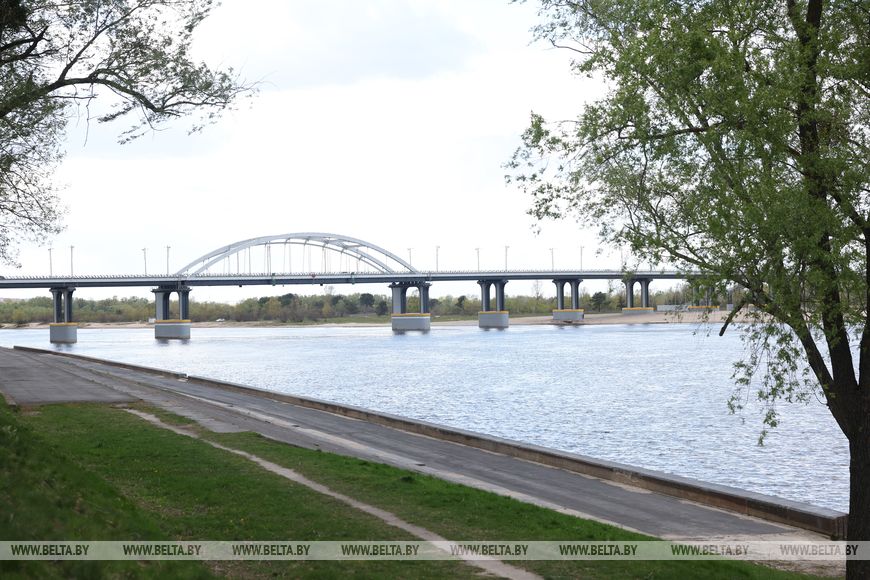
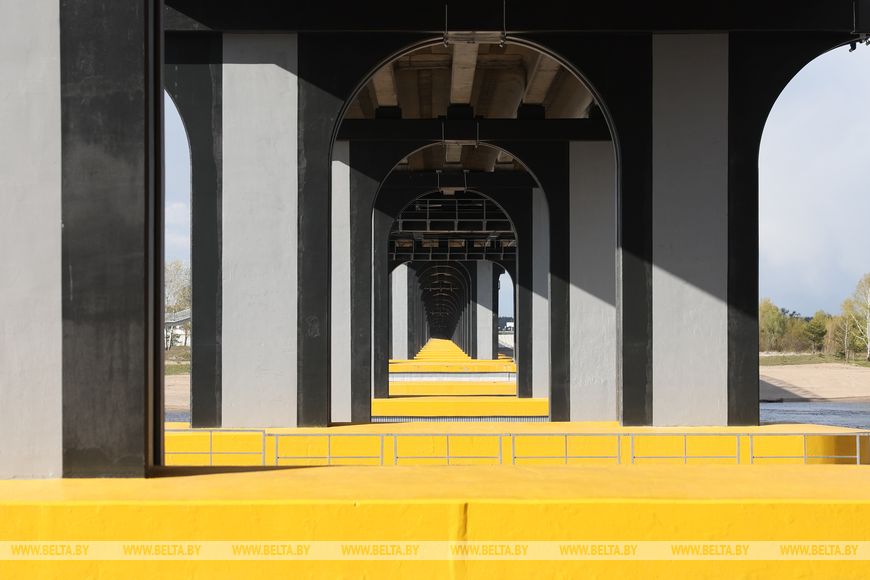
Additionally, a panoramic view of the Pripyat can be enjoyed from the hotel of the same name. The river is popular among anglers; it is home to catfish, pike, walleye, and carp.
Spiritual heritage
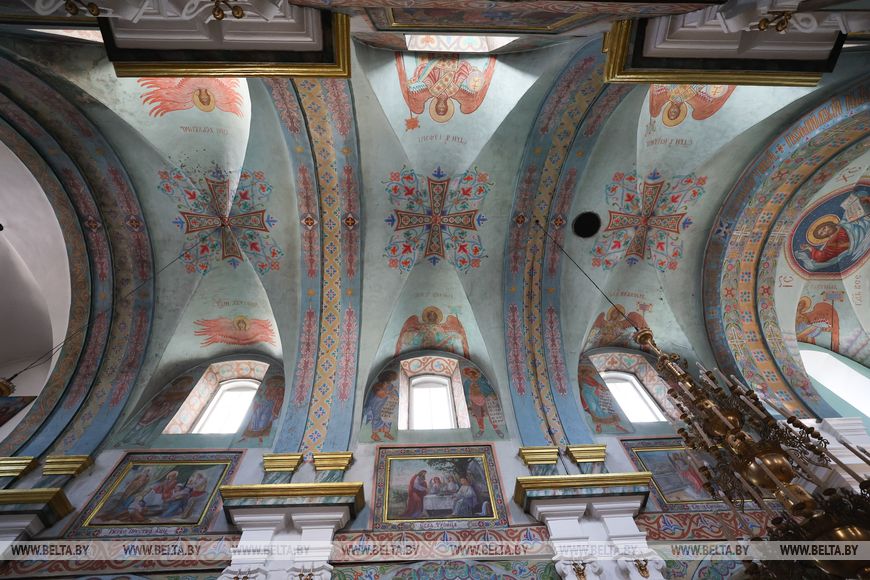
In Mozyr, seminar participants visited the St. Michael the Archangel Cathedral, the main church of the Turov eparchy. The 18th-century architectural monument in the late Baroque style was rebuilt from a Catholic church yet preserved its original character.
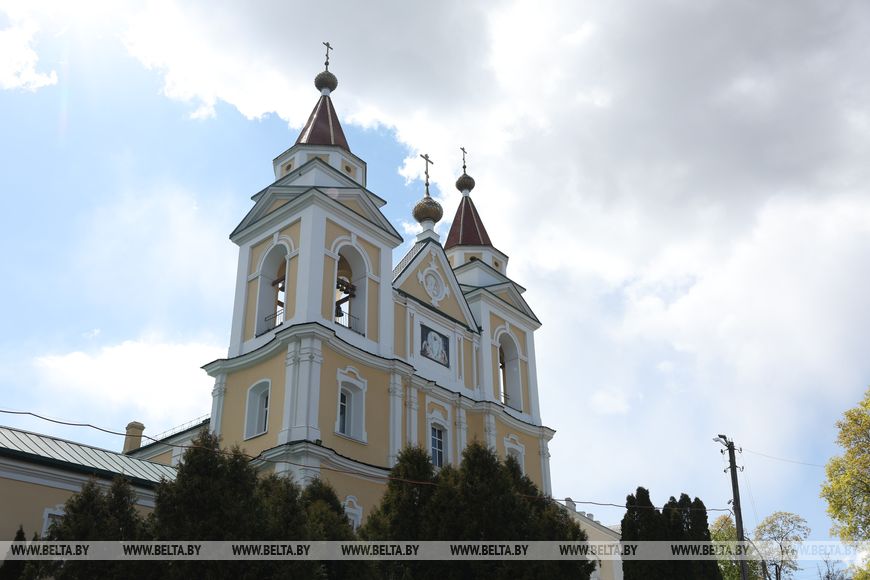
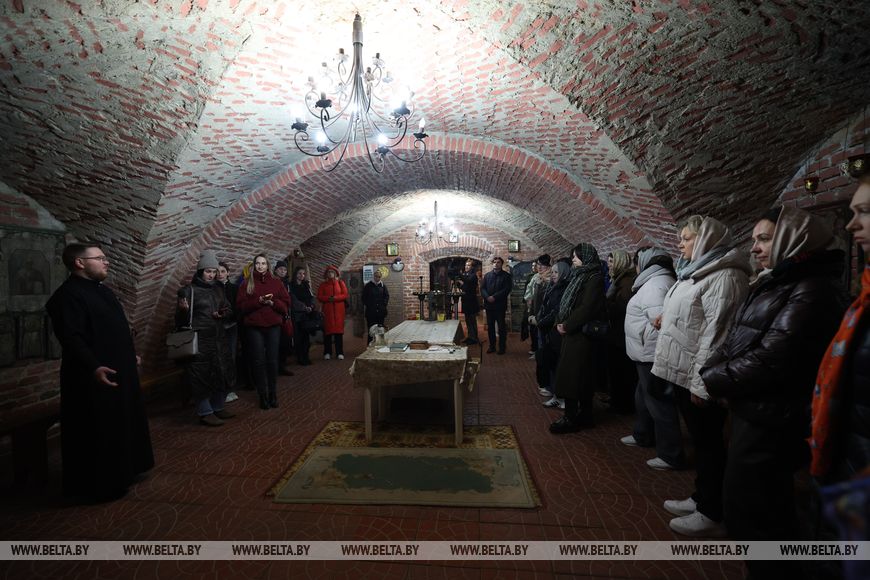
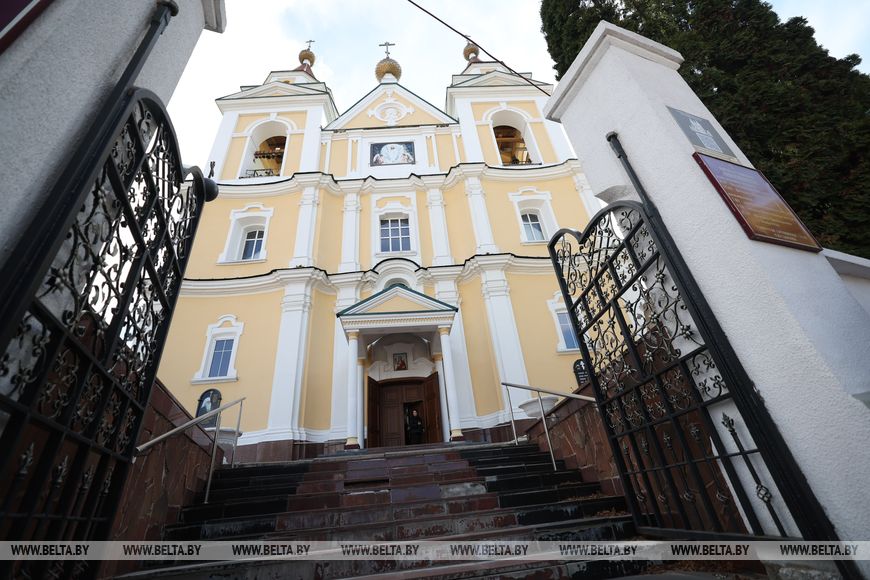 The building was once part of the Bernardine monastery complex and carries a difficult history. After the 1830-1831 uprising, the monastery was closed, and its rooms were turned into government offices of Mozyr Uezd and a hospital. During Soviet times, the crypt housed an NKVD prison for four years. Today, memorial services are held there every day, and hundreds of votive candles keep the memory of the innocent victims alive.
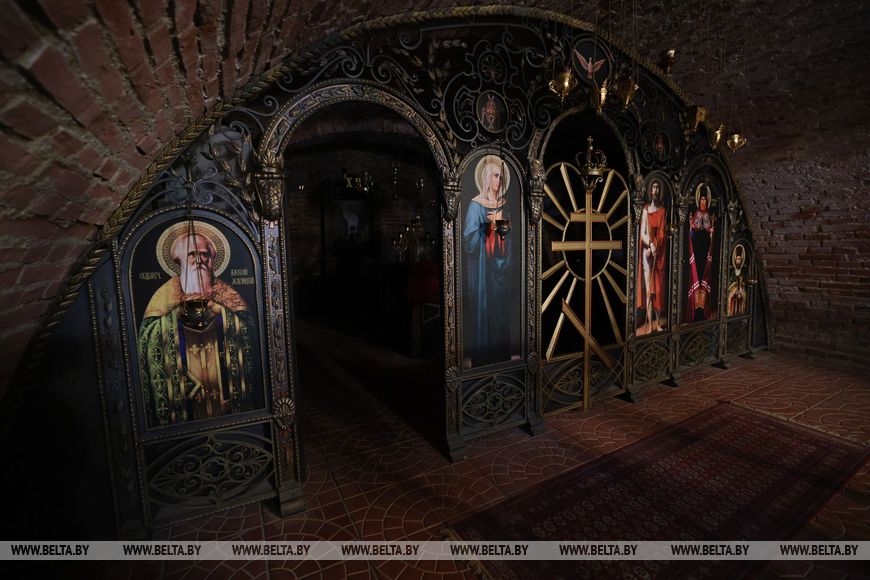
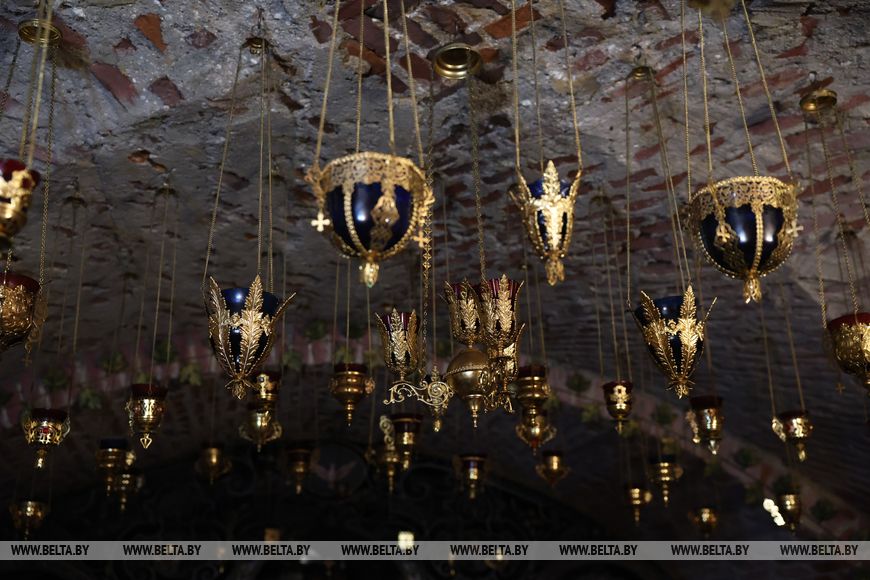
The cathedral is home to revered icons that contain relics of saints, and its walls showcase frescoes by Belarusian painter Aleksandr Isachev.
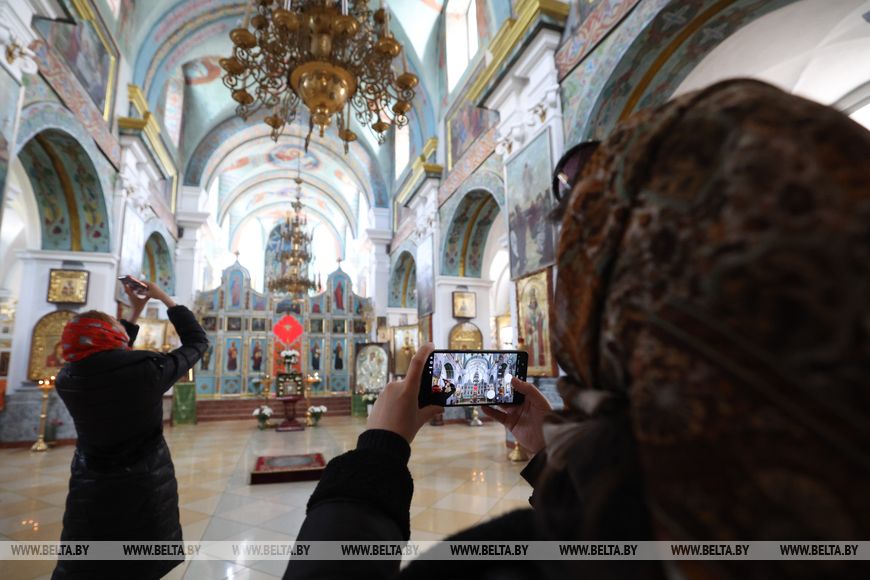
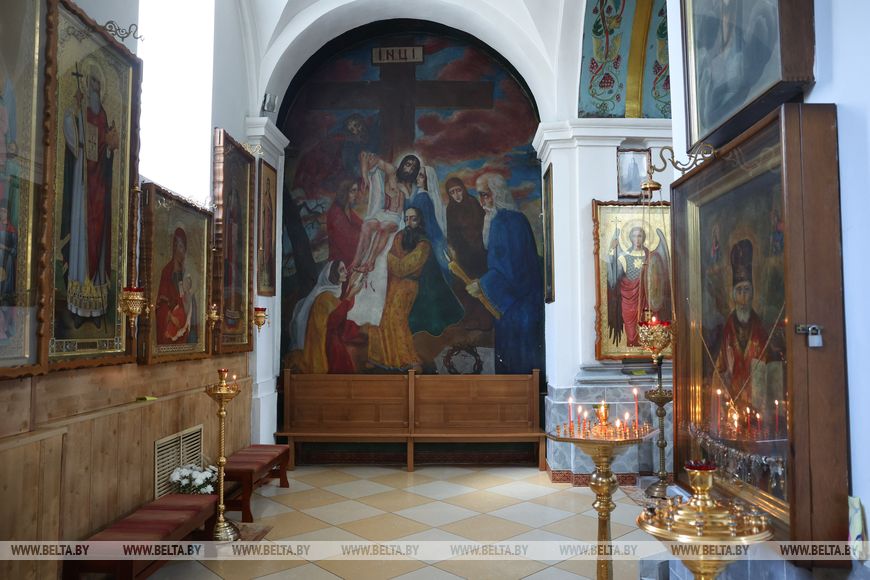
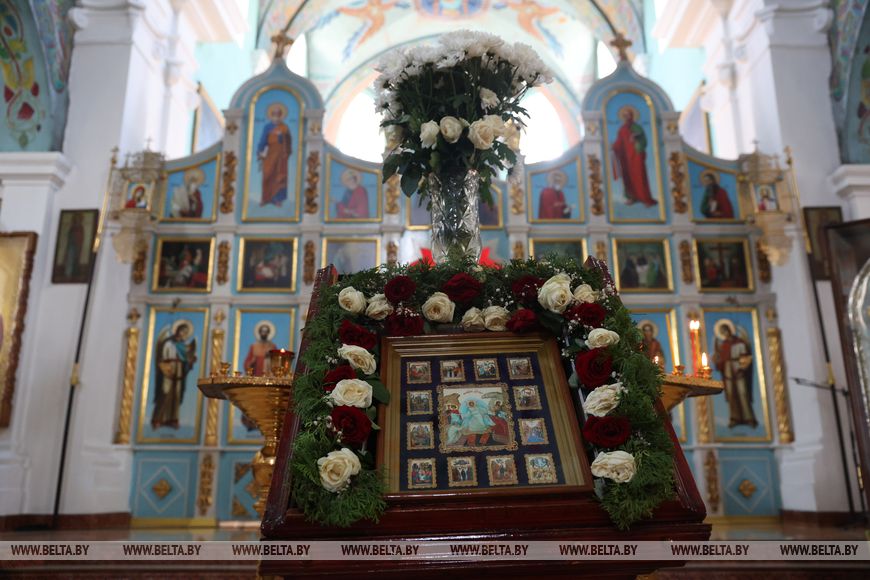
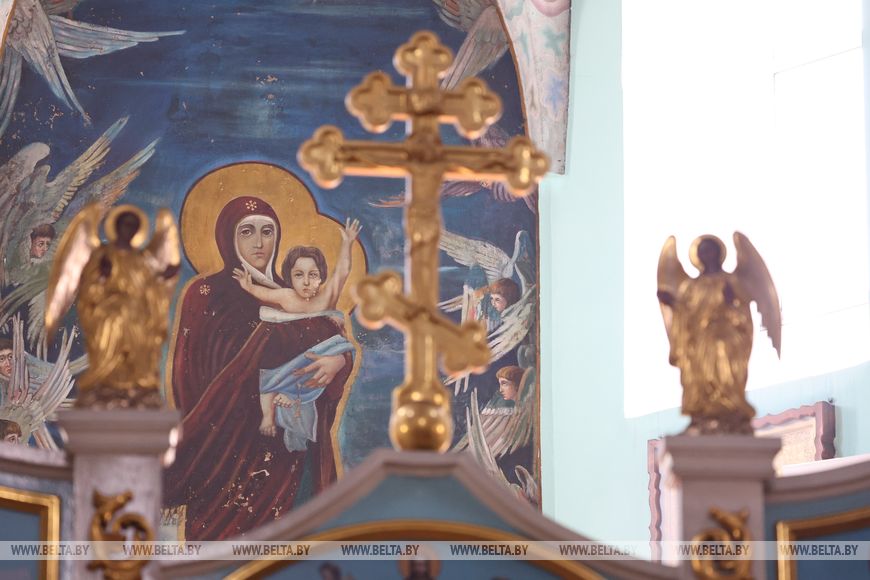
As Deacon Vadim Ivanov explained, the church offers guided tours that intertwine historical learning with the opportunity to venerate holy sites. The tours are most popular with groups from Gomel and Minsk, as well as with local worshipers.
Exhibition of regional identity
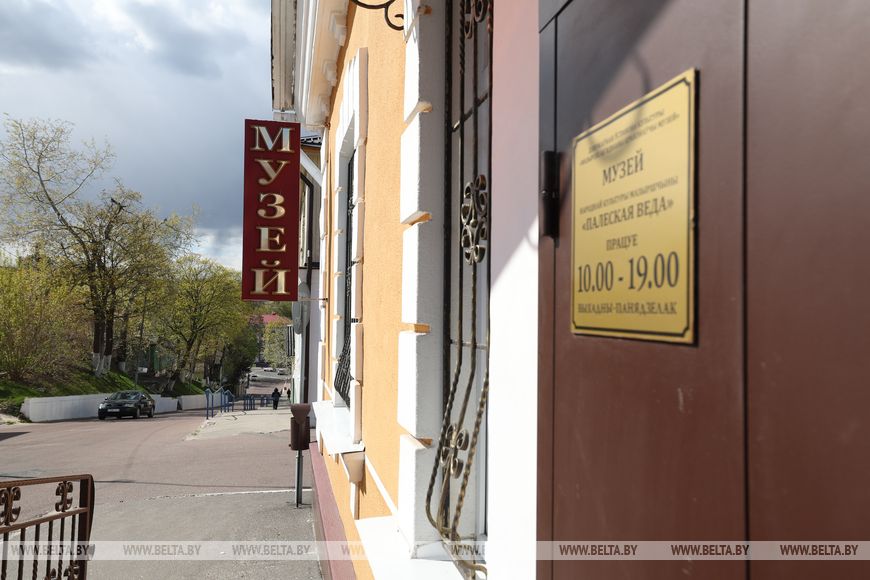
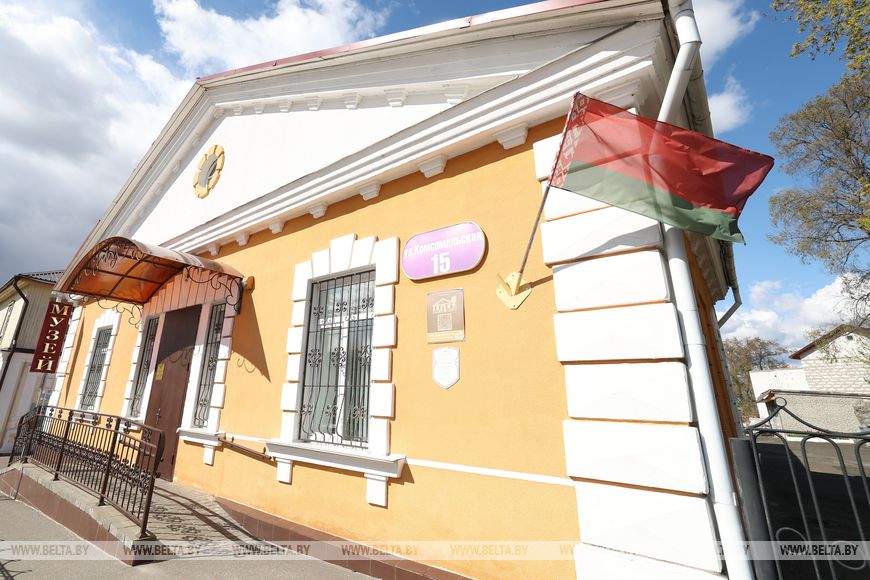
The next stop on the itinerary was the Paleskaya Veda Museum of Folk Culture, a venue that impresses with both its creative design and its rich collection.
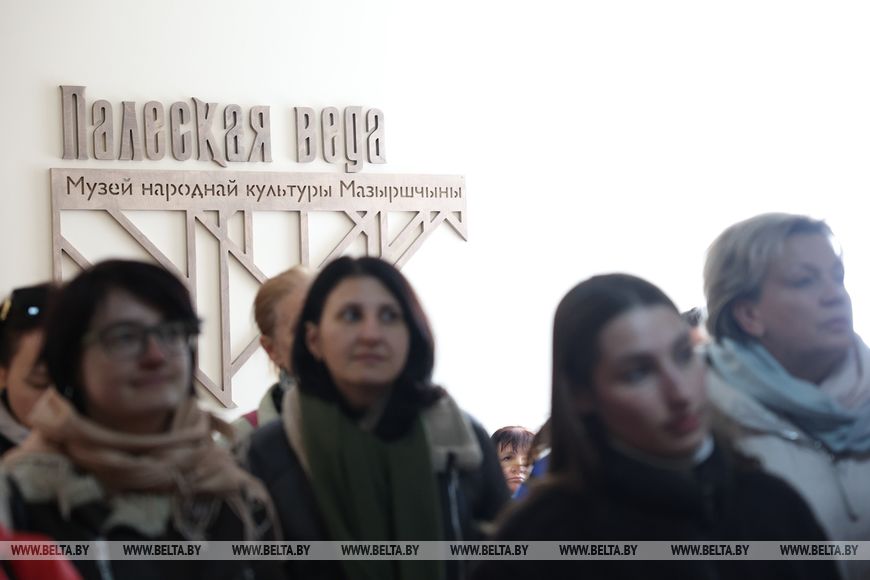
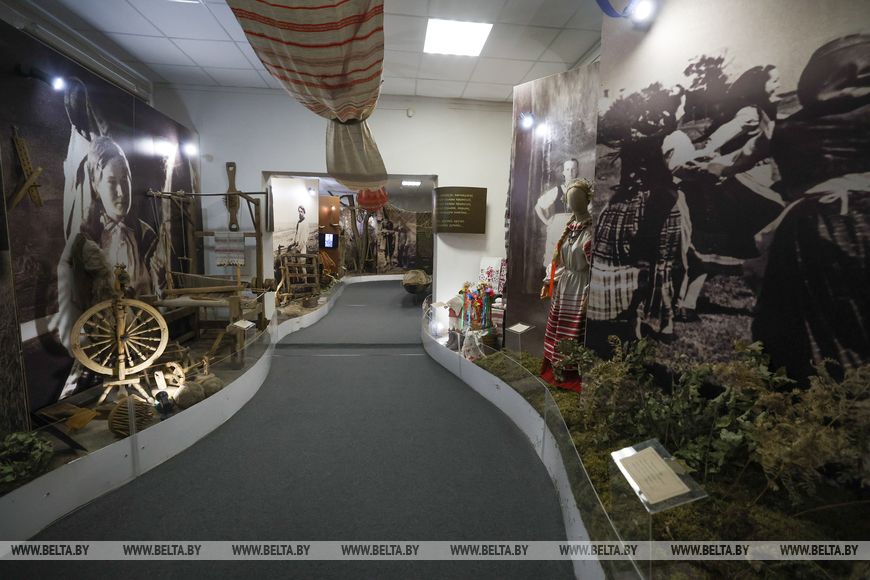
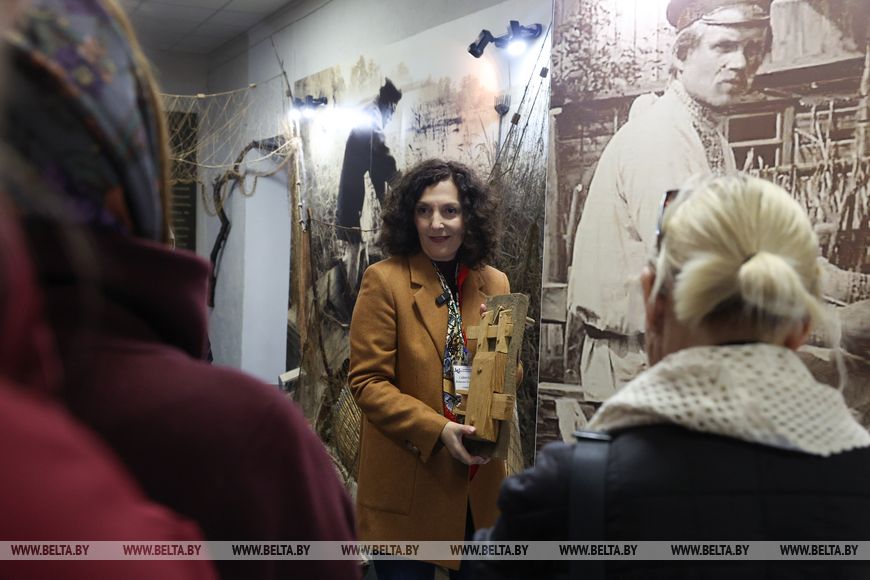
Vitalina Saifutdinova, the museum’s academic secretary and a certified guide, took participants on a journey through the region’s past. Her compelling storytelling was punctuated by musical breaks, while multimedia screens brought folk festivals to life. One of the most distinctive rituals on display was the “Farewell to the Mermaid”.
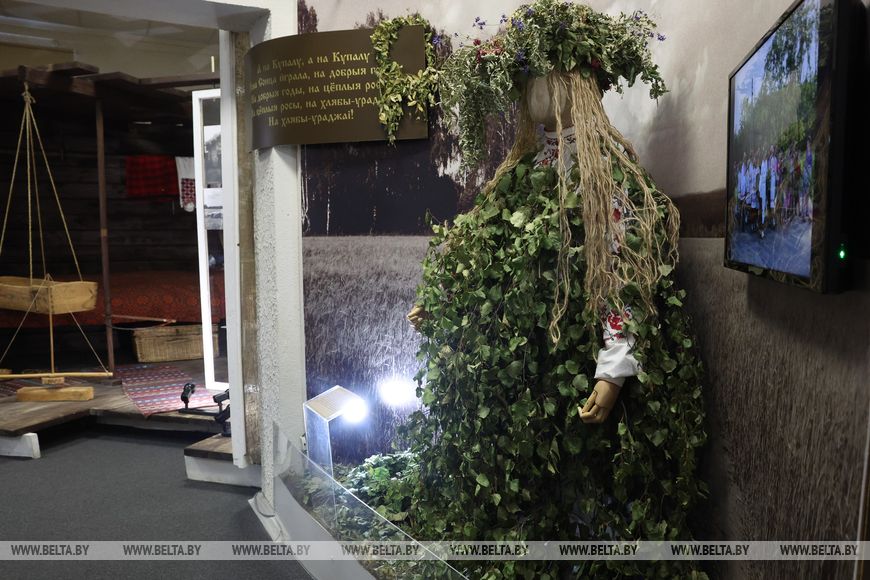
According to Vitalina Saifutdinova, this ritual was once common across the Belarusian-Russian-Ukrainian borderlands, and its traditions are still carefully preserved in the village of Veliky Bor in Khoiniki District.
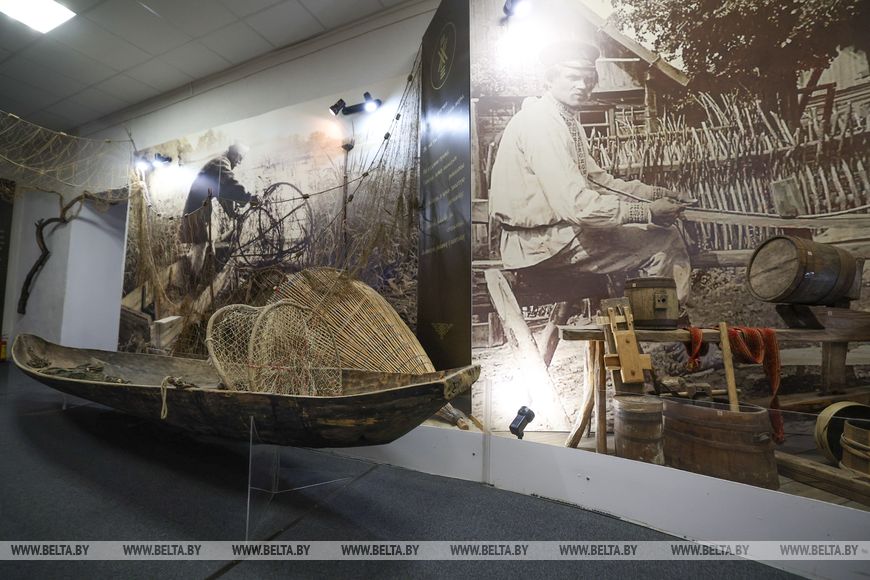
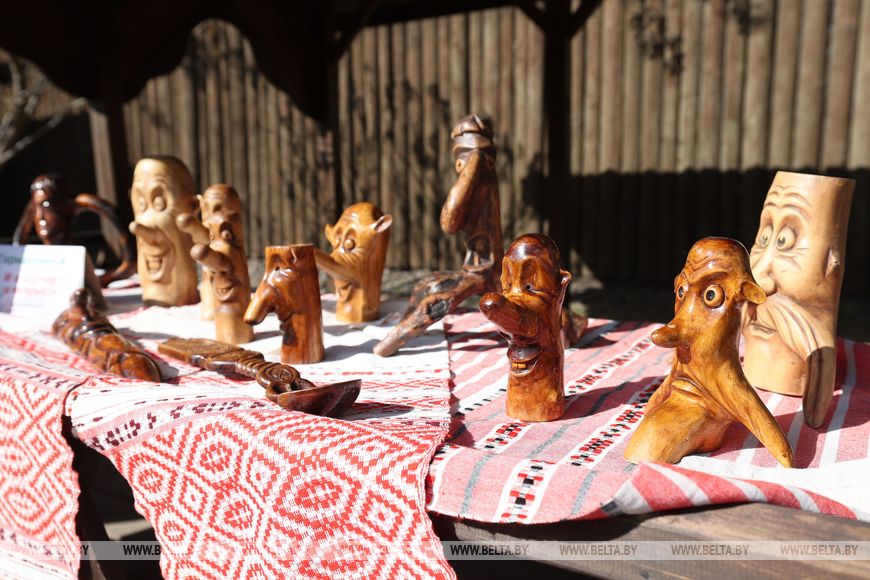
The Paleskaya Veda Museum of Folk Culture was conceived as a voyage into a world of shadows, images, and hidden meanings, a space where the spiritual and the material touch, and where humanity and the world around it come into dialogue. Photographs and household artifacts on display reveal the rhythms of life in the region.
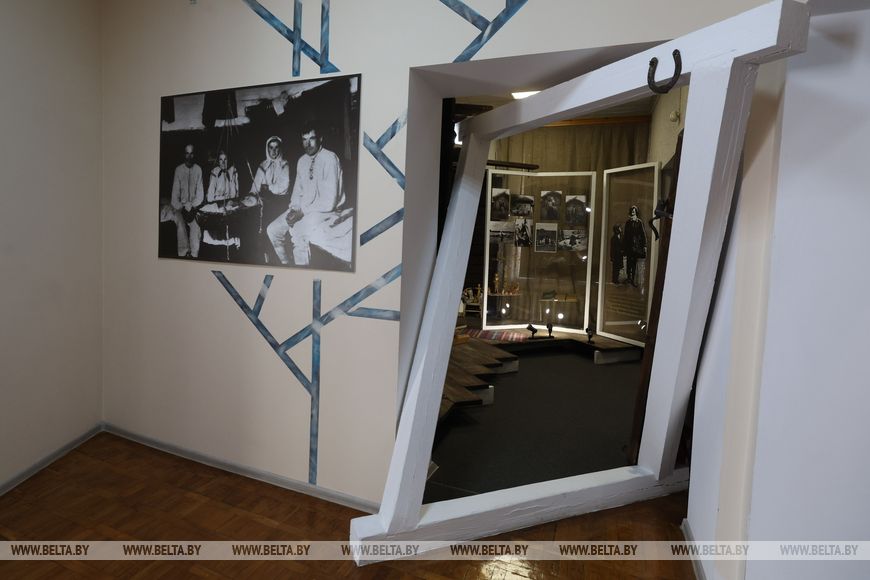
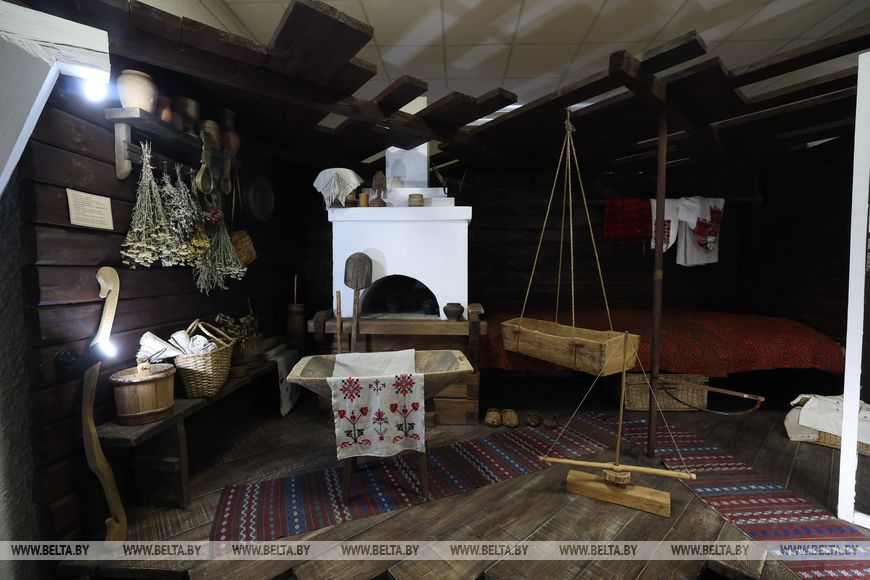
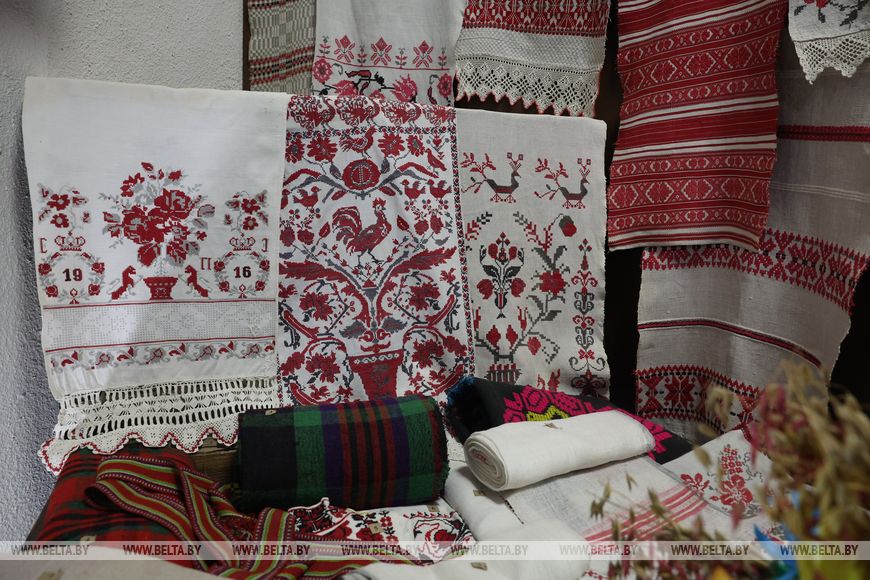
Be sure to pay attention to the wedding costumes of brides and grooms. “The bride is wearing a wedding wreath from the early 20th century. It is made of wire wrapped in fine thread and waxed leaves. Few museums can boast such a treasure. Another unique piece is the serpanak, a woman’s headdress from the second half of the 19th century,” the guide explained.

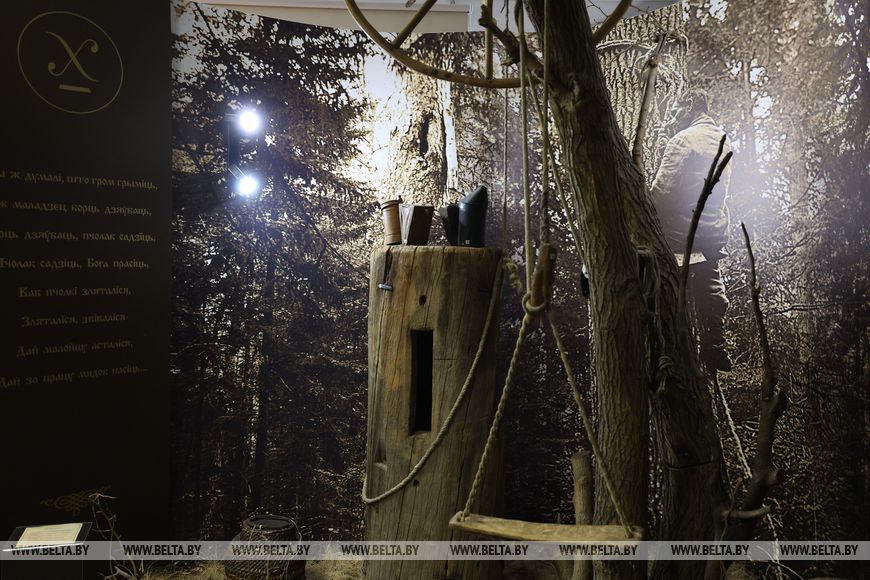
Visitors can also see a choven (a boat carved from a single tree trunk). In fact, the tradition of boatmaking in Polesie is considered intangible cultural heritage. Other items on display include a hunting horn, and a wooden lock once used to secure village huts. The theme of forest beekeeping is also presented. This trade is widespread in the region.
Where the city was born
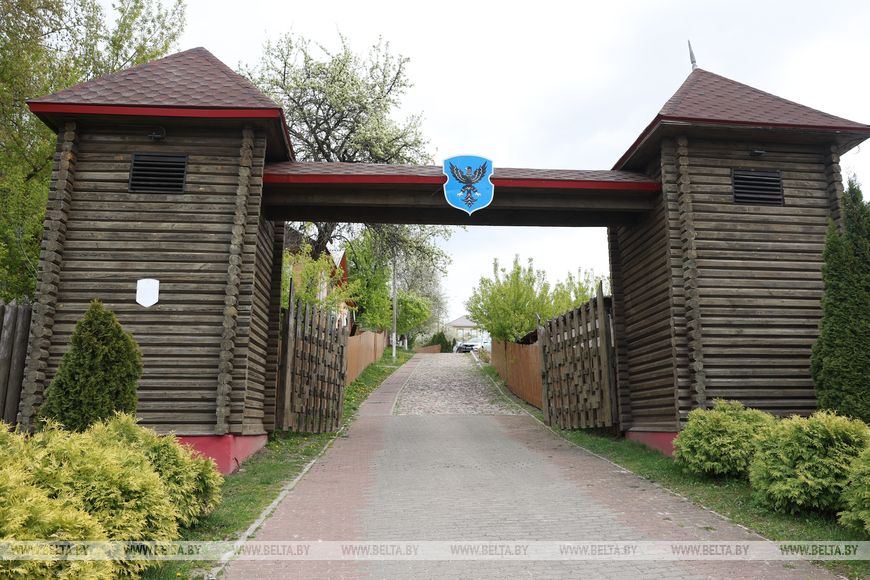
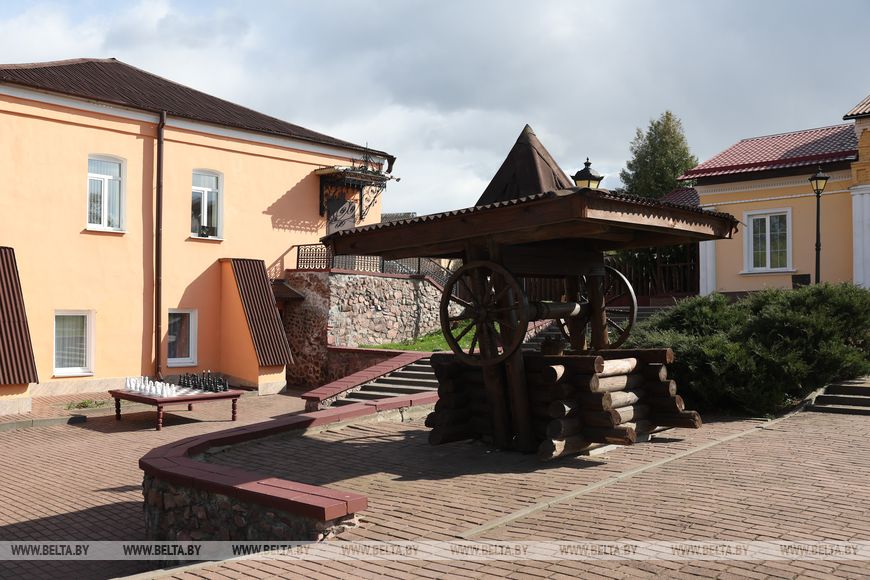
The next stop was the historical center known as “Mozyr Castle”. First mentioned in chronicles in 1155, this fortified settlement on the Pripyat’s steep banks grew under the influence of Kiev and Turov and played a key role in trade.
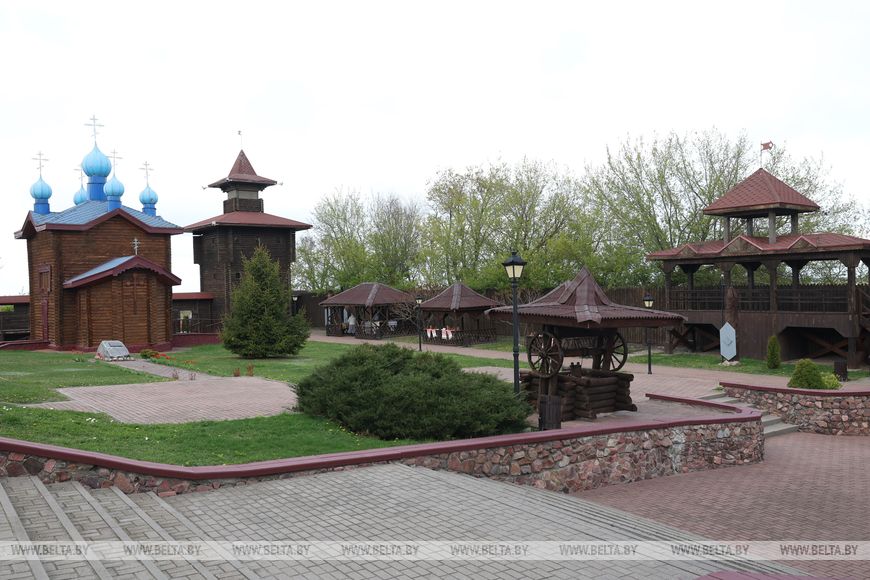
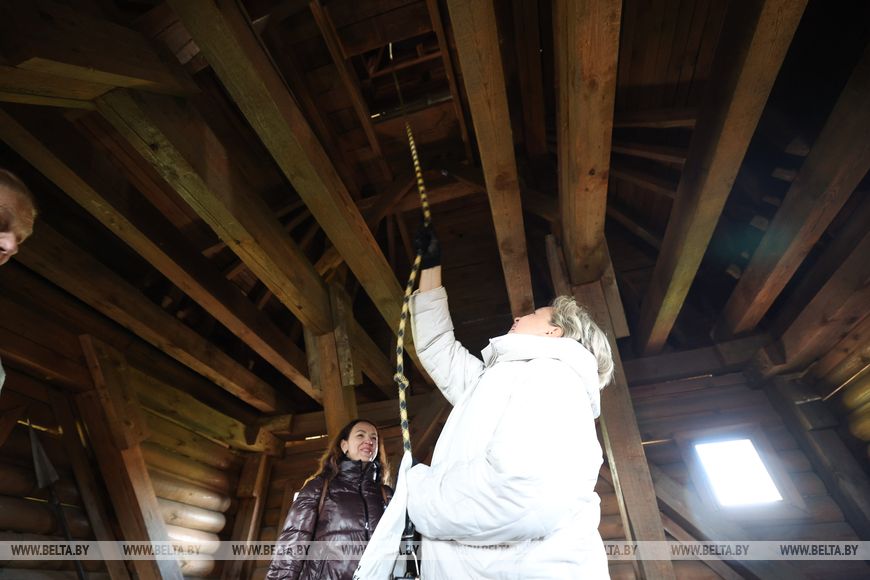
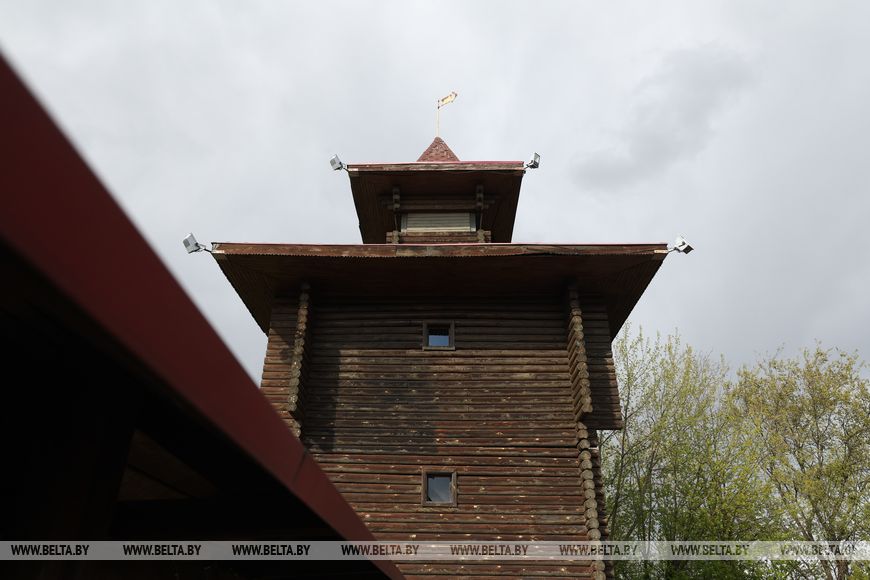
“One of Belarus’ oldest cities sprawls across picturesque hills,” said Vitalina Saifutdinova. “It constantly changed hands and was often destroyed. “Mozyr Castle” is a museum where the entire landscape is the exhibition. It is not a reconstruction but rather a stage set to show what medieval Mozyr might have looked like. Alongside the fortress walls and towers, a wooden church has been rebuilt. Newlyweds especially love this place.”
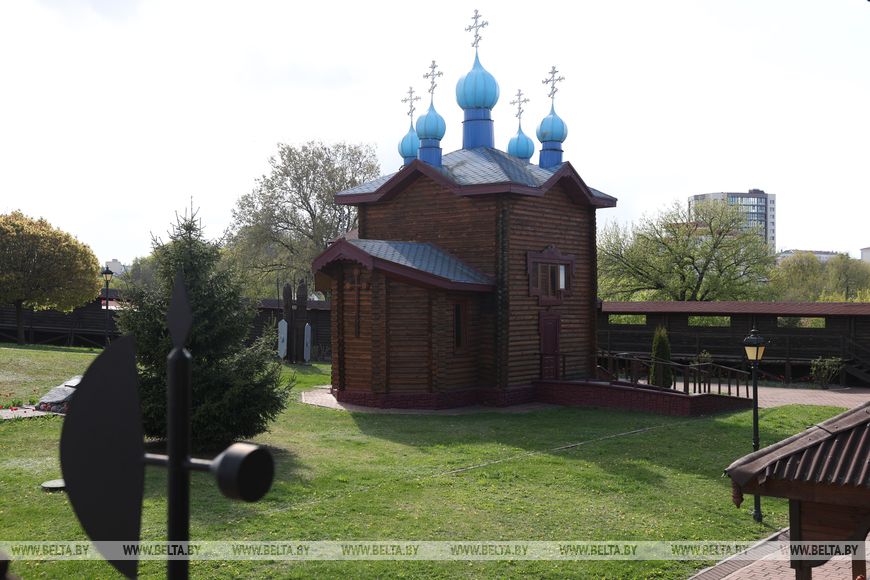
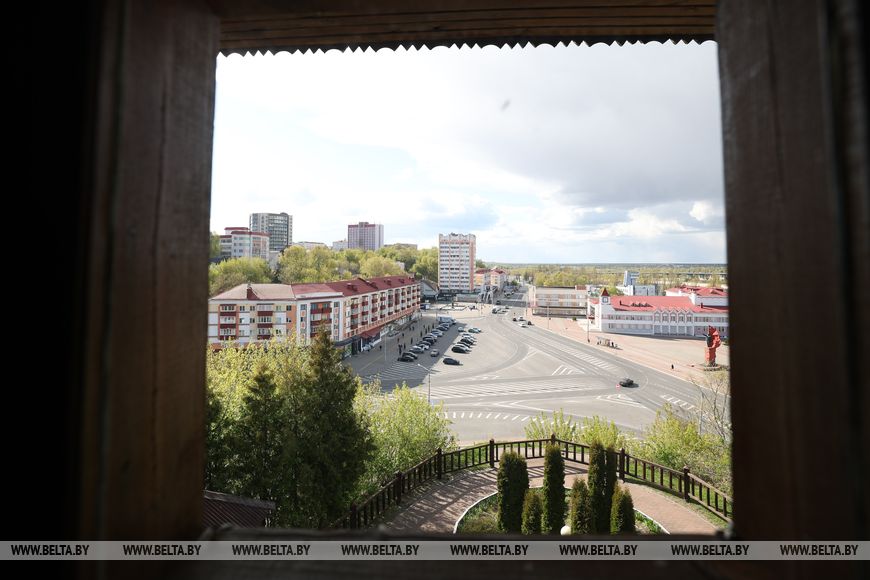
 From the high hill, visitors can have a view of the city center.
 Mozyr ravines
The final stop of the guided tour was the Mozyr Ravines National Landscape Reserve. Tourist surveys rank this site among the most visited in Mozyr, reflecting the growing popularity of active tourism. Seminar participants walked a forest path, explored a barefoot trail, and made wishes at the “tree of love”.
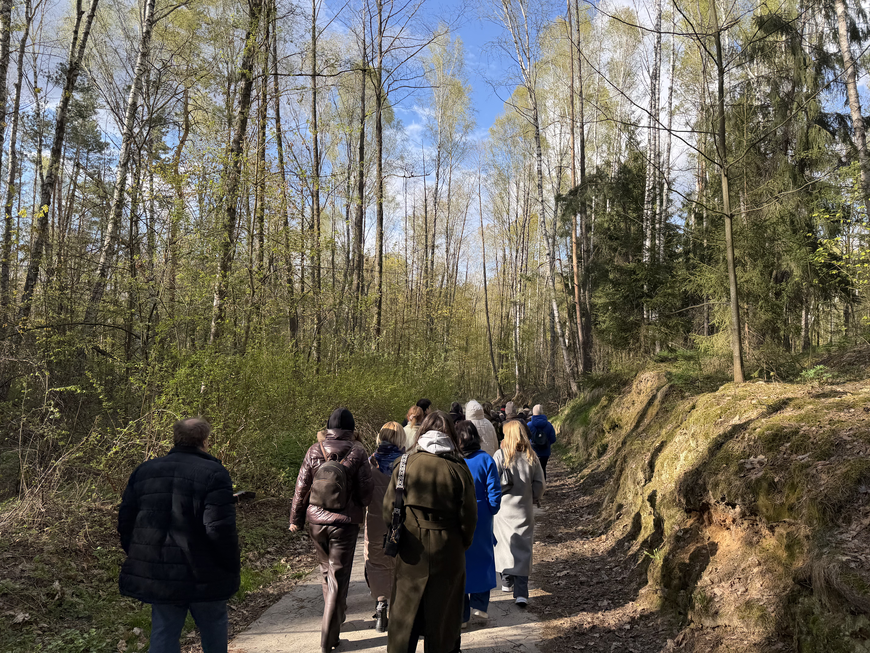
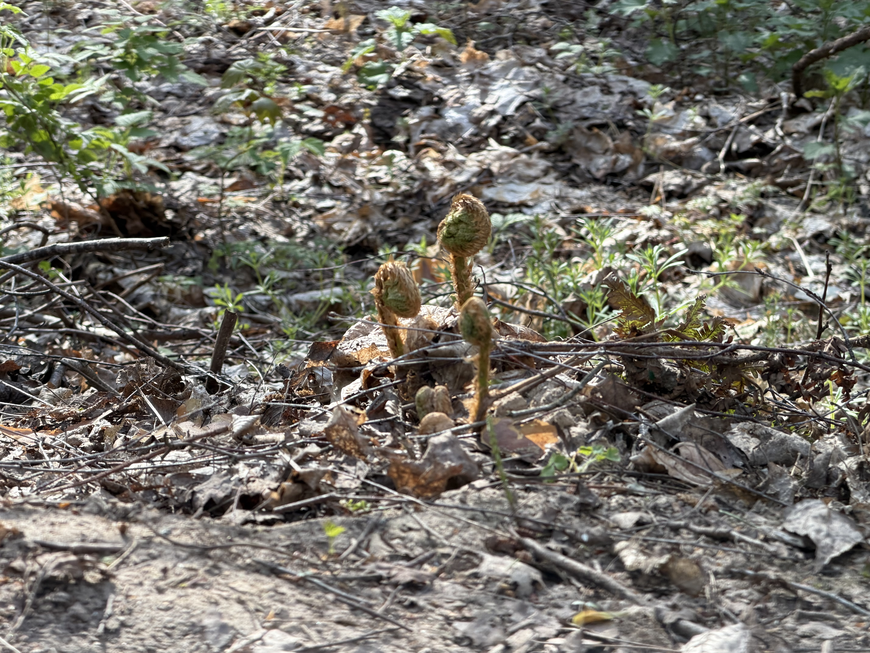
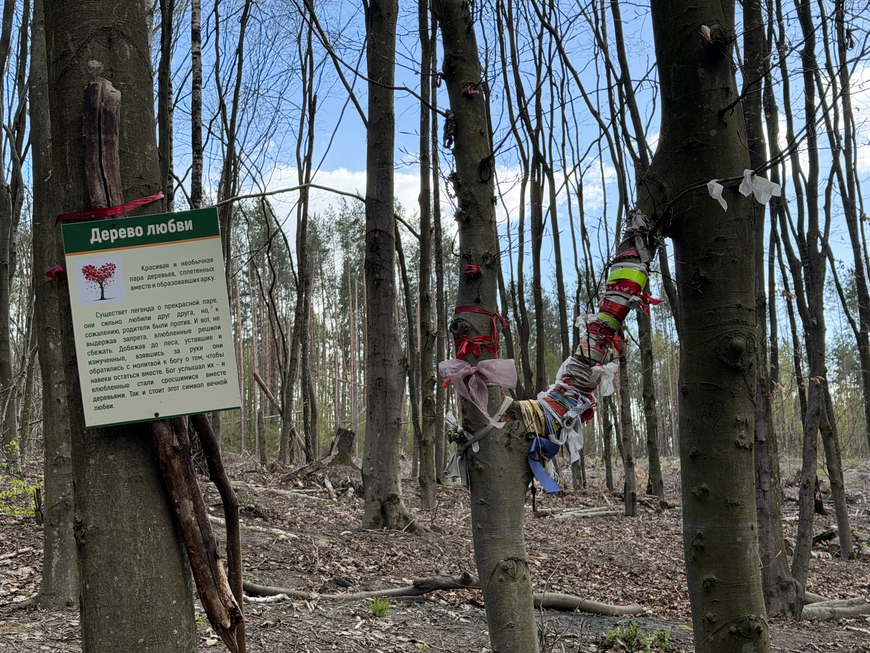
According to Olga Pivovarova, Deputy Director for Ideological Work of the Mozyr Experimental Forestry, the reserve marks its 40th anniversary this year. This geological monument from the ice age was formed 250,000 to 300,000 years ago. The area was once almost barren. When spring and summer arrived, when rains fell and snow melted, soil would wash into the river and interfere with navigation. Reforestation efforts began in the 1960s. “Trees were planted in terraces, and now their roots hold the soil. This measure has yielded results,” Olga Pivovarova noted.
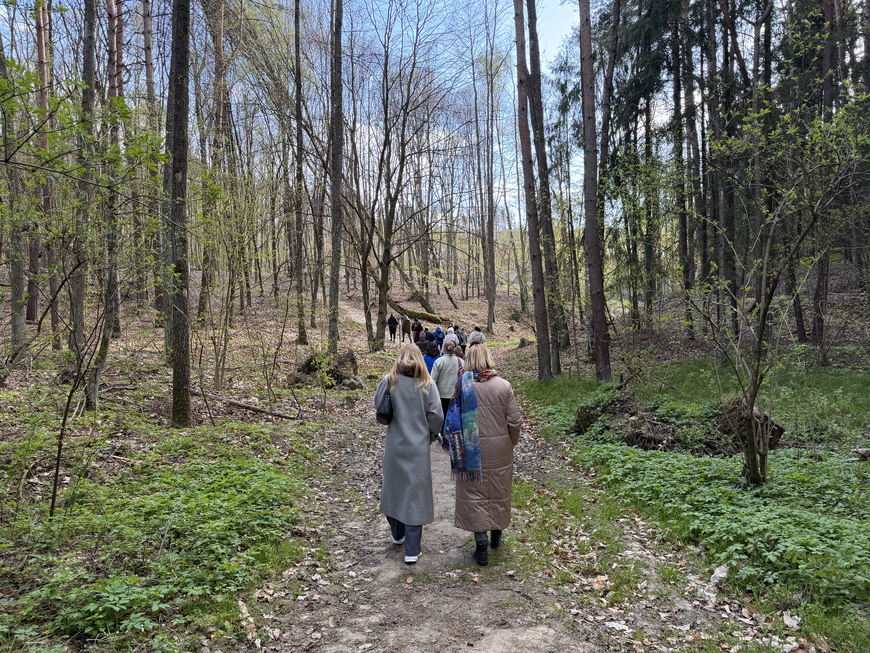
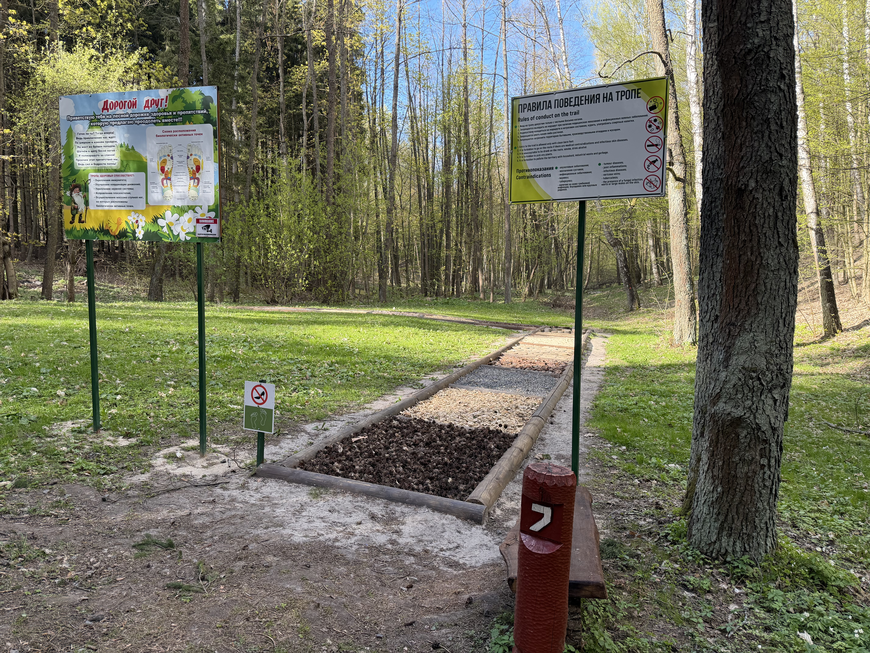
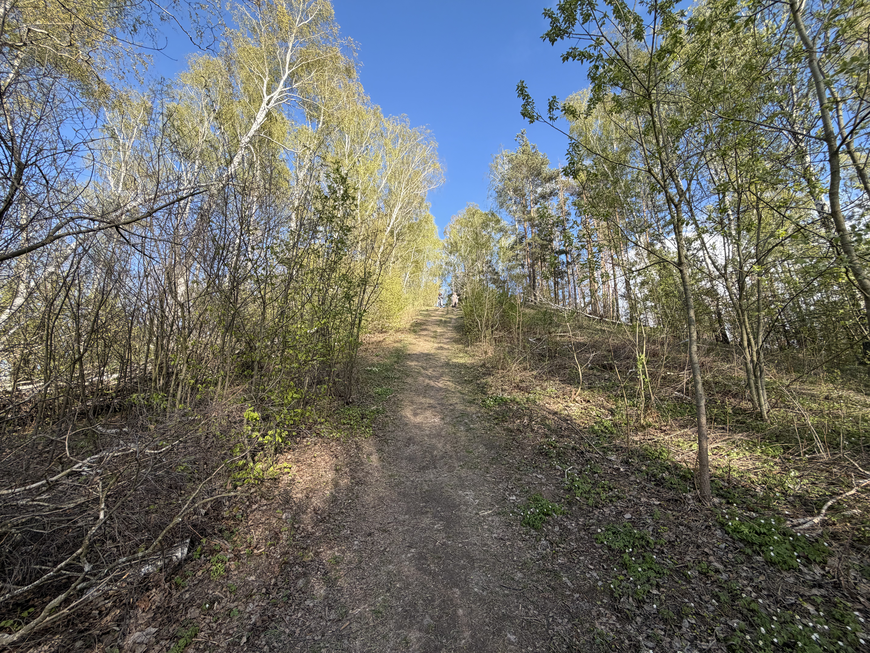
Within the reserve, a forest plot of European beech and larch has been established, named after Grigory Bondar, the forester who first initiated slope stabilization. Several ecological trails have been developed, ranging from 1.2 to 6 kilometers in length. Local residents admit that the slopes can even cause their ears to pop, as the elevation change reaches 60 to 70 meters. A noticeable temperature difference can be felt between the upper and lower areas.
Why you should visit Polesie
The region’s authentic atmosphere draws visitors from near and far. Many arrive on the motor ship Belaya Rus during Pripyat cruises, while others come on their own. Yet the potential for excursion tourism, particularly domestic travel, has yet to be fully tapped.
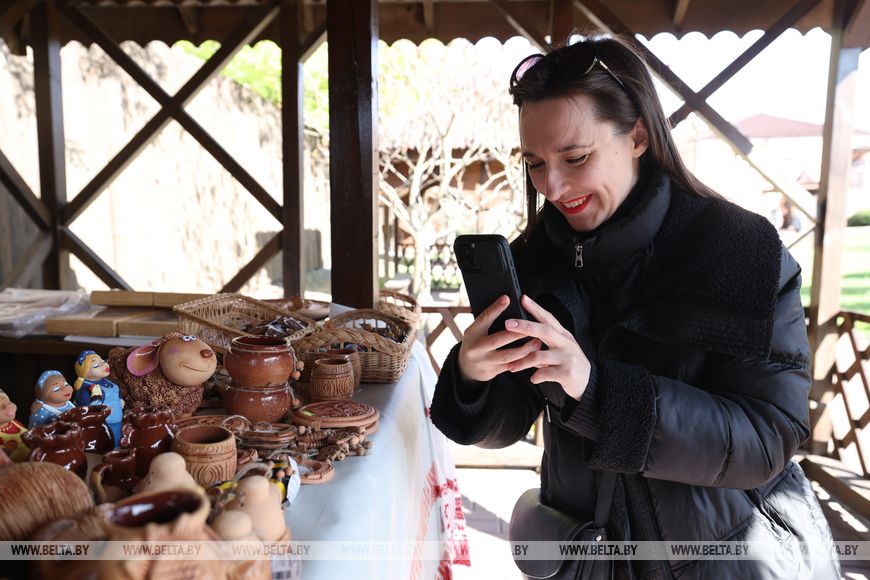
“Polesie is an amazing place,” said Olga Azarenok, an employee of a Minsk travel agency. “It will reveal itself differently to everyone. You absolutely must visit the “Herodotus Sea”, walk through the Mozyr ravines, take a boat ride on the Pripyat, and go for a hike in the marshes.”
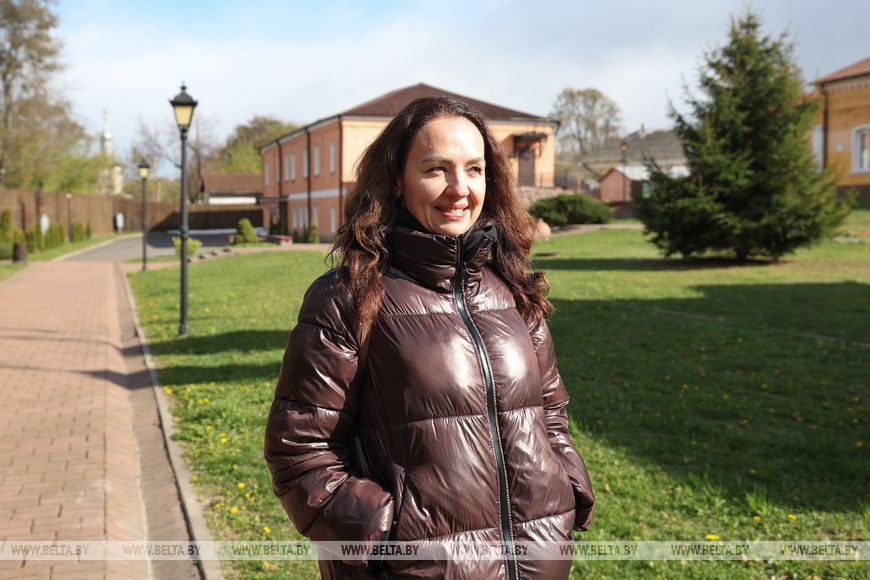
“Mozyr has its own unique charm. There is plenty to see here. It is my first time, and I am delighted to see this city with my own eyes. I’ve noted many points of interest that would also appeal to Russian tourists. Personally, I was impressed by the bridge and the view of the Pripyat; these landscapes are unusual for us Minsk residents. We will actively promote this region,” added Natalya Mashko, another seminar participant.
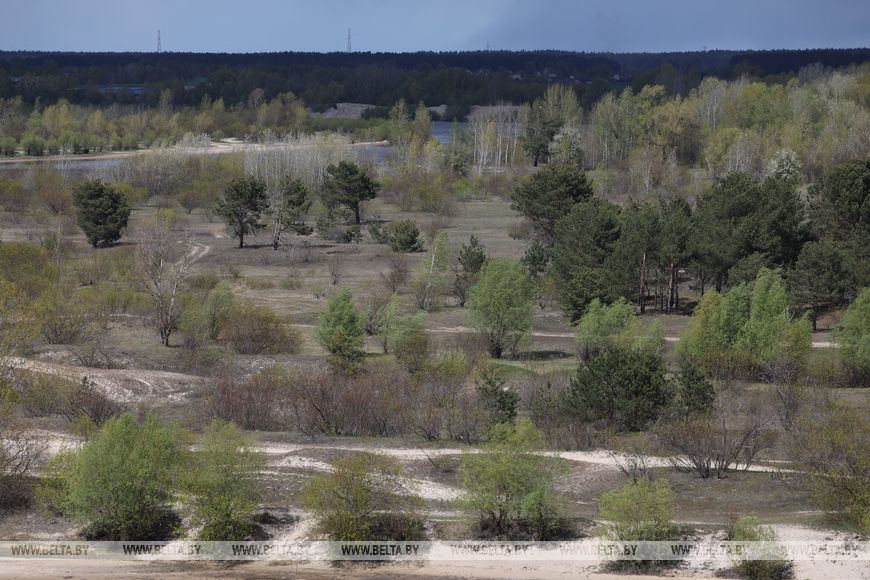
The two day program also took in the Memorial Complex to the Prisoners of the Ozarichi Death Camp, the Holy Nativity of the Theotokos Monastery, the open air museum at a primitive human settlement in Yurovichi, and the Polesie State Radiation and Ecology Reserve, all in addition to Mozyr.
By Nadezhda MATVEYEVA,
photos by Tatiana MATUSEVICH and seminar participants,
BelTA.