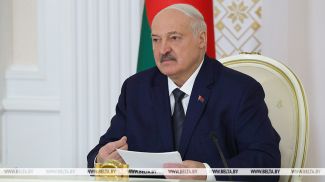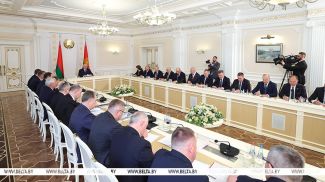

Belarusian President Aleksandr Lukashenko made a working trip to Dribin District, Mogilev Oblast on 13 March. This trip had several aspects. The first was production-related: the development of meat and dairy cattle farming, and the expansion of breeding stock. There is a demand for these both within the country and abroad, which means it represents good export opportunities.
The second aspect, one might say, stems from the first: the social and economic development of the territories, particularly Dribin District. The district center itself, Dribin, has the status of an urban settlement with a population of only about 3,000. This makes it the smallest district center in the country. Aleksandr Lukashenko recalled how, in the past, he had been repeatedly suggested to abolish this district, dividing its territories among neighboring ones. However, the president did not take this step, because administrative status does, after all, provide a locality with certain advantages.
Now the task is, and that was the main goal of the president's visit, to develop the district from an economic perspective: that means production facilities, jobs for people, and ultimately, investments, tax revenues, and opportunities for growth. The economy of Dribin District is primarily agricultural in nature, and the head of state decided to see the growth points specifically in this sector.
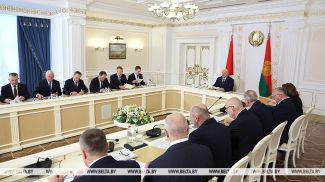
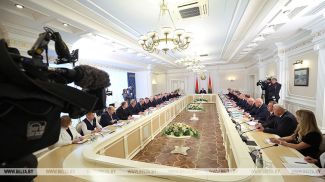
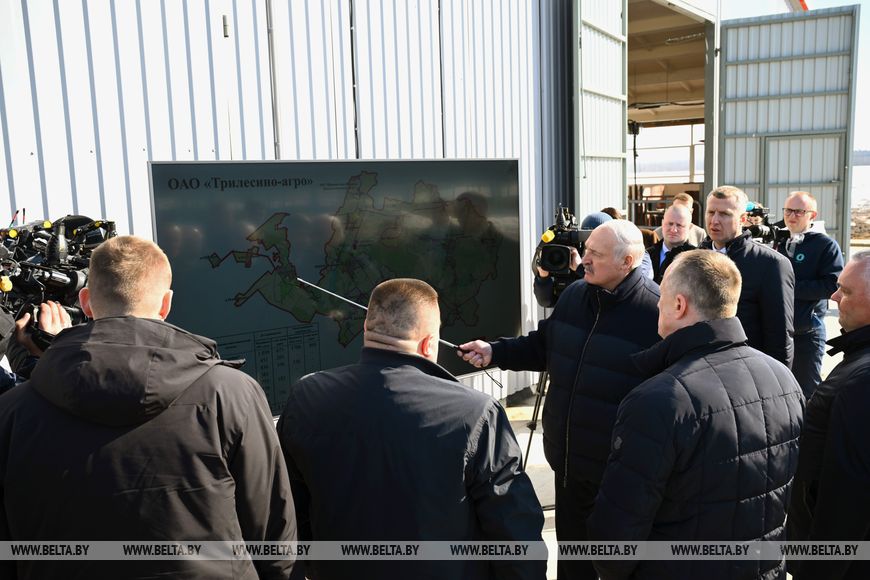
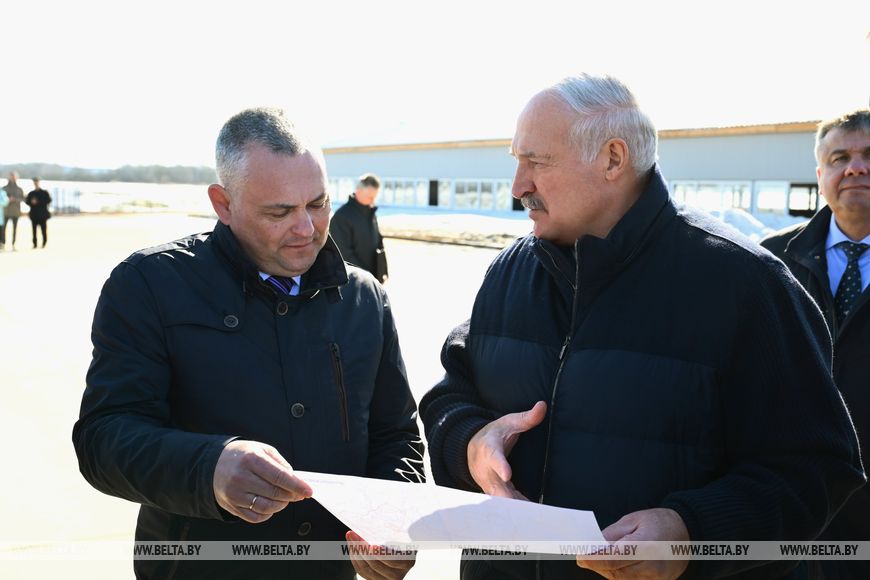
During the working trip, Aleksandr Lukashenko and the accompanying officials repeatedly referred to maps showing the boundaries of the district and the agricultural enterprises located within its territory. They discussed how to scale up the successful experience, including in neighboring districts. Therefore, it is not out of the question that the compact Dribin District could, in the future, expand if not in terms of administrative borders, then at least through the expansion of economic activity. How can one not recall here the successful example of the Dzerzhinsky agricultural complex near Minsk, which, as it developed, acquired assets in a number of districts of Minsk Oblast becoming a major producer not only on a regional scale but also for the country as a whole.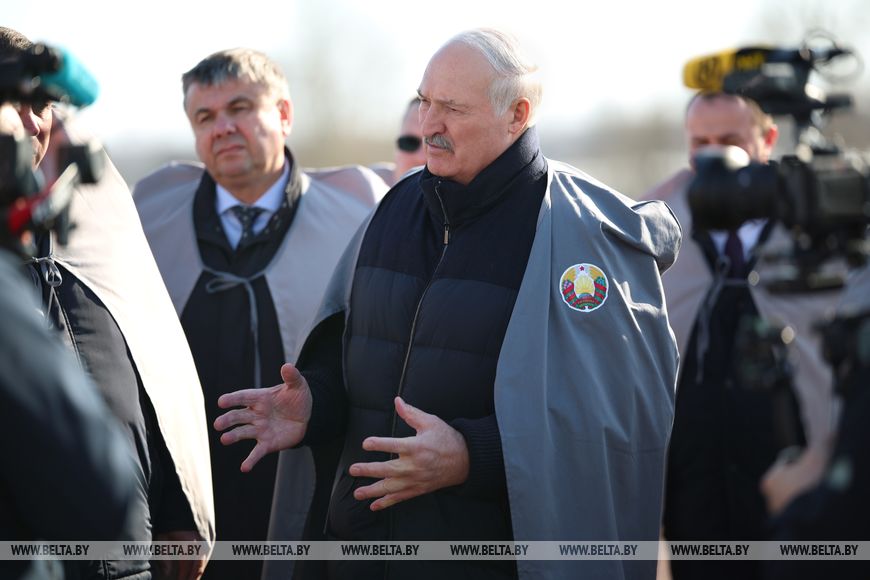
 “I suggest that you and the governor think about the development of Dribin District. Maybe involve a part of Shklov District [in project implementation]. And make a proper district. But take the land as entire farming enterprises,” the president said.
 The president warned against any red tape involving various kinds of design and estimate documentation, gathering approvals and signatures. “There should be no bureaucracy. Pay attention to this. Because they, the managers, complain most of all that it’s impossible to build anything, that they have to go to the governor, to ask there. Take strict control of this,” Aleksandr Lukashenko instructed Head of the President Administration Dmitry Krutoi.
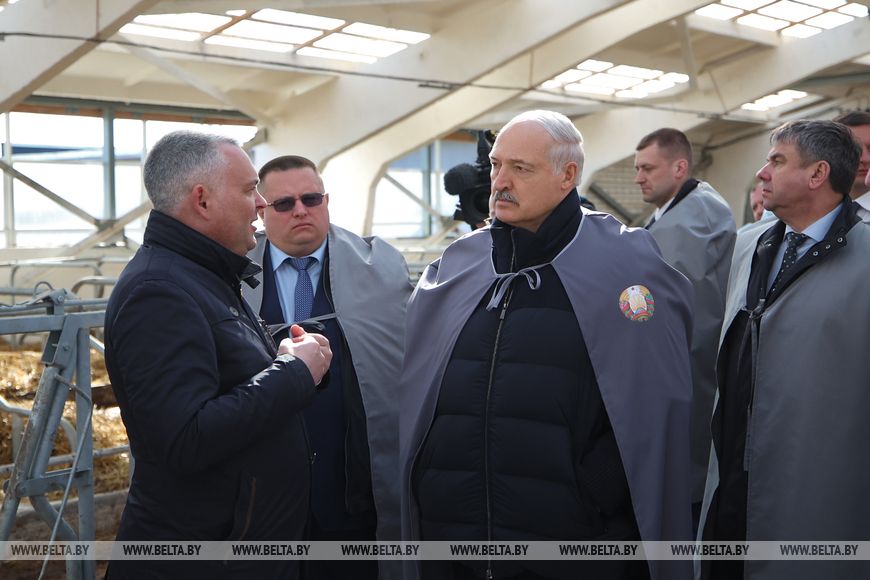
 Another fundamental point that the head of state always emphasizes is strict adherence to discipline. Without this, there can be no order, no efficiency, no high incomes, and ultimately no impact from any planned projects. “Discipline is the foundation of any technological process. It’s not because Lukashenko is a 'dictator.' Discipline is dictated to us by technology. If it's lacking all the investments will be in vain; there will be no technology,” he remarked during a conversation with journalists.
 These, the president emphasized, are elementary requirements that do not need additional financial costs: “You must come on time, leave on time, and perform the operations that the technology requires. If this [discipline] is not there, there will be trouble.”
The second aspect, one might say, stems from the first: the social and economic development of the territories, particularly Dribin District. The district center itself, Dribin, has the status of an urban settlement with a population of only about 3,000. This makes it the smallest district center in the country. Aleksandr Lukashenko recalled how, in the past, he had been repeatedly suggested to abolish this district, dividing its territories among neighboring ones. However, the president did not take this step, because administrative status does, after all, provide a locality with certain advantages.
Now the task is, and that was the main goal of the president's visit, to develop the district from an economic perspective: that means production facilities, jobs for people, and ultimately, investments, tax revenues, and opportunities for growth. The economy of Dribin District is primarily agricultural in nature, and the head of state decided to see the growth points specifically in this sector.
“I suggest that you and the governor think about the development of Dribin District. Maybe involve a part of Shklov District [in project implementation]. And make a proper district. But take the land as entire farming enterprises,” the president said.
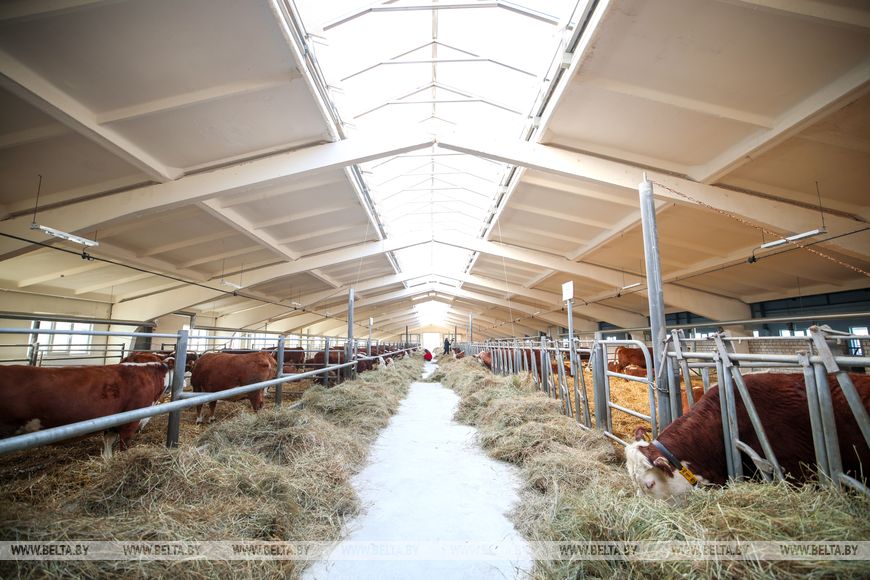
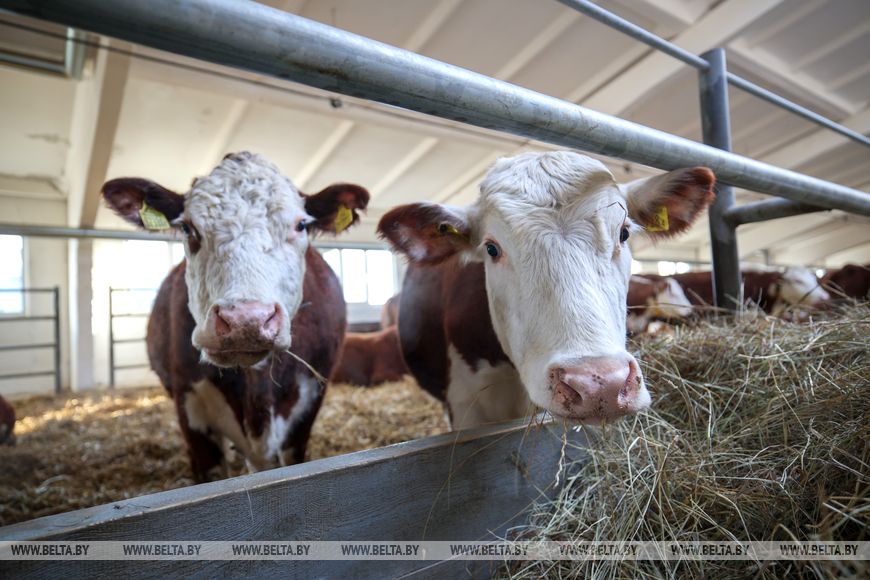
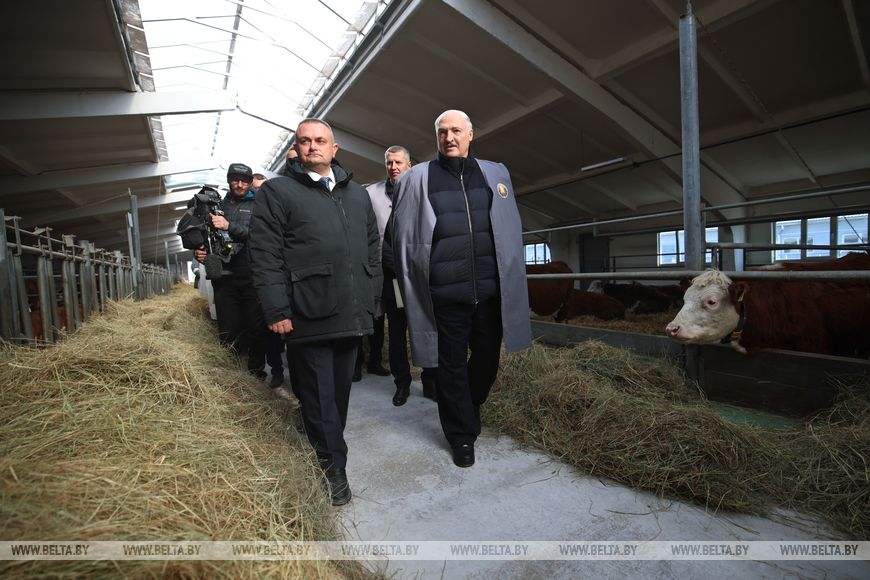
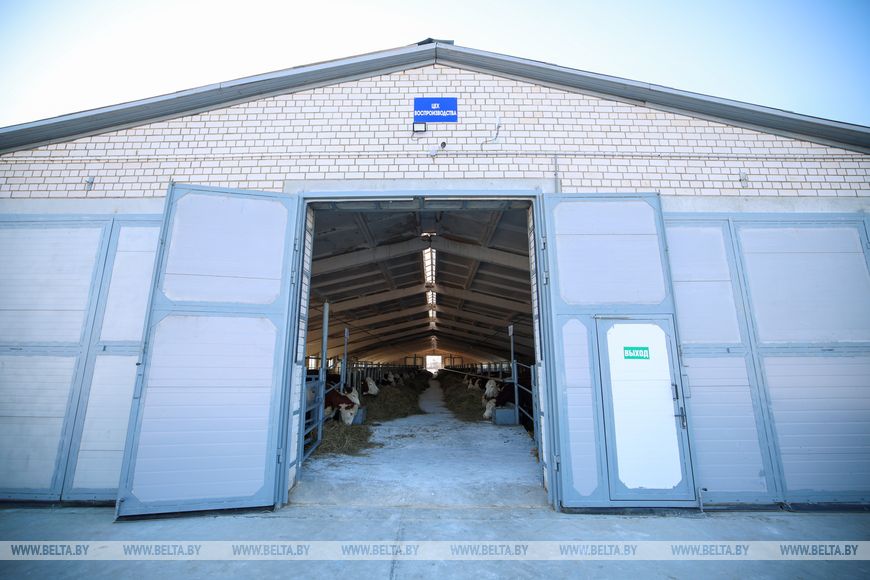
One of the growth points identified in Dribin District is meat cattle breeding, and in particular, the breeding of pedigree stock. Aleksandr Lukashenko toured a breeding farm specializing in Hereford cattle. This is part of a large national project by the Belarusian state association for livestock breeding Belplemzhivobyedinenie. Over the five-year period, they aim to double the national livestock. Breeding farms in five regions of the country (all except Minsk Oblast) are involved in this. “We will expand. We will increase from 5,000 to 10,000 [the number of pedigree livestock] by 2030,” Agriculture and Food Minister Yuri Gorlov reported.
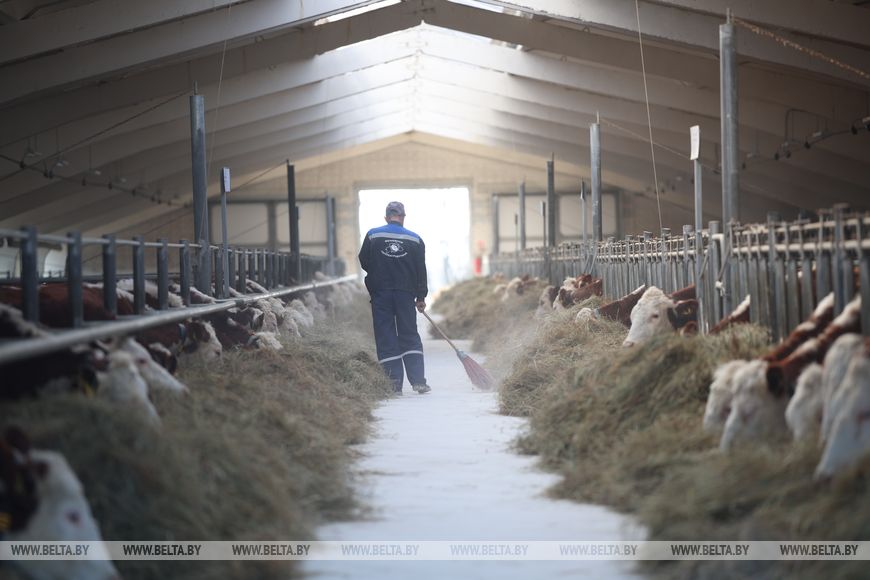
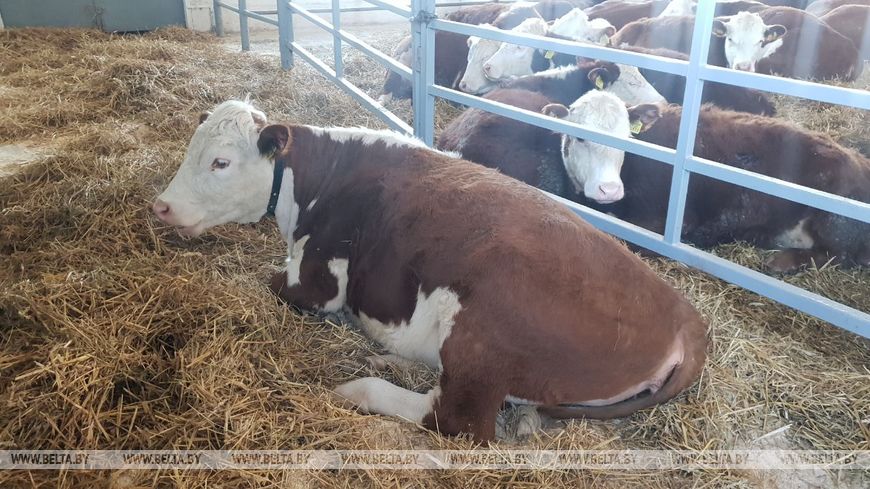
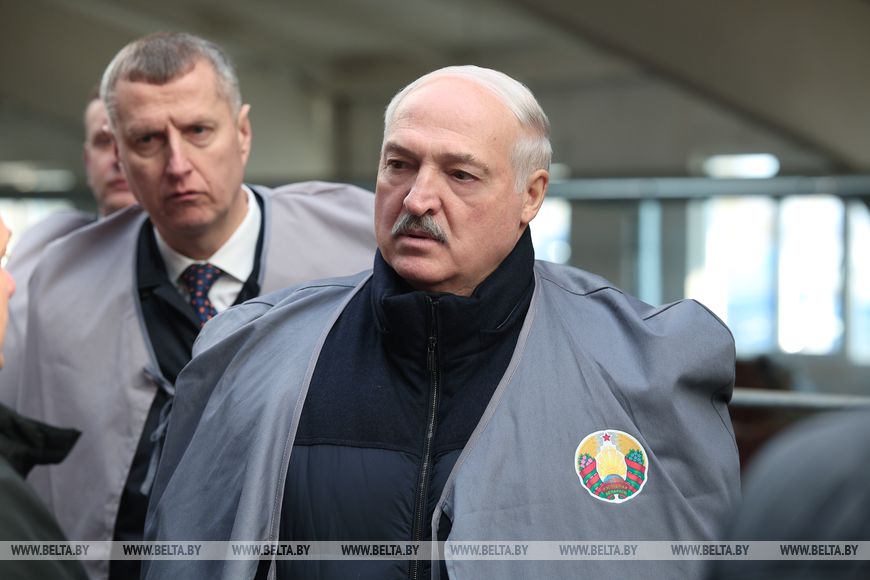 The head of state noted that this industry could be promising for the country as a whole, but he suggests starting, after carefully calculating everything, primarily with Vitebsk Oblast. There is indeed good reason for this, considering the soil and climatic conditions of the northern region of Belarus, which are less favorable for maintaining a highly productive dairy herd. However, for a beef herd, everything necessary is available. Moreover, the capital costs for infrastructure are much lower in this case.
The most important thing is that this sector has good export potential and demand abroad. This applies not only to pedigree livestock but also to meat cattle breeding in general. In recent years, greater emphasis in Belarus has been placed on the dairy industry, but high-quality beef is also a very profitable business. The main thing is to calculate everything carefully so as not to make a mistake. With these priorities in mind, Aleksandr Lukashenko is urging a faster implementation of the planned initiatives.
“Given such profitability of around 18% and such demand, not pursuing this would be a crime,” he said.
“We need to give them a green light if there is demand for this product. Export is crucial for us. If there is demand, we need to try to seize the opportunity,” the Belarusian leader emphasized. “We need to invest in Dribin. Local men can work. We will help in this regard. There must be order and iron discipline. That depends on the local authorities.”
The head of state noted that this industry could be promising for the country as a whole, but he suggests starting, after carefully calculating everything, primarily with Vitebsk Oblast. There is indeed good reason for this, considering the soil and climatic conditions of the northern region of Belarus, which are less favorable for maintaining a highly productive dairy herd. However, for a beef herd, everything necessary is available. Moreover, the capital costs for infrastructure are much lower in this case.
“Dairy farming is currently profitable and cost-effective. We need to make beef production just as profitable. It's a good business. If there is demand, why not develop it? The government needs to think this through very seriously. We need to decide where else we will build complexes. And they must be fully stocked,” Aleksandr Lukashenko stated.
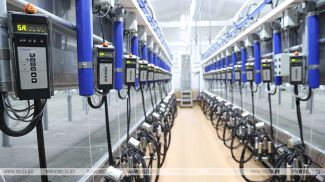
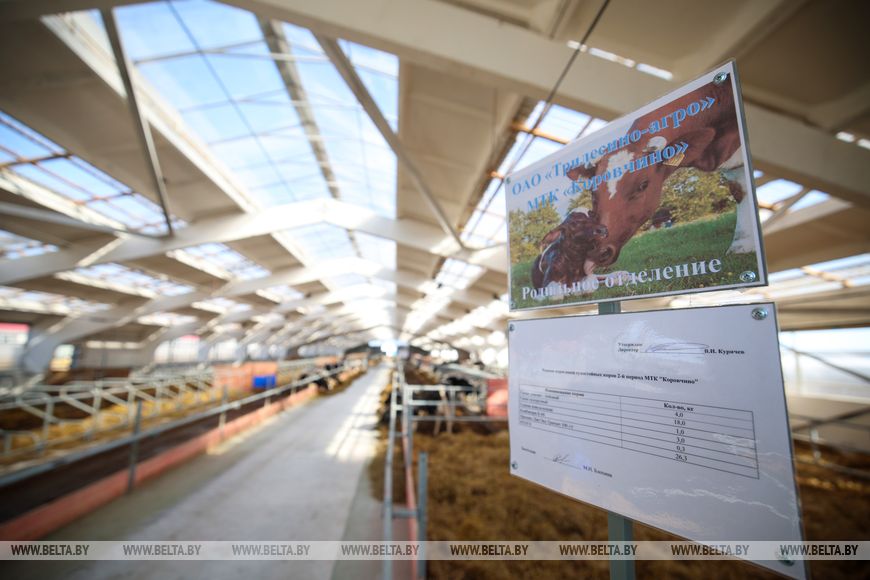
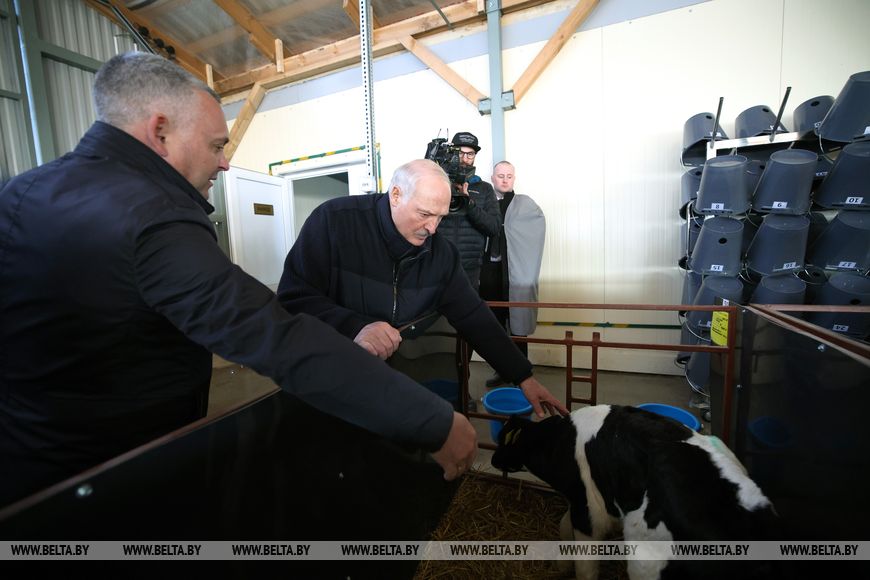
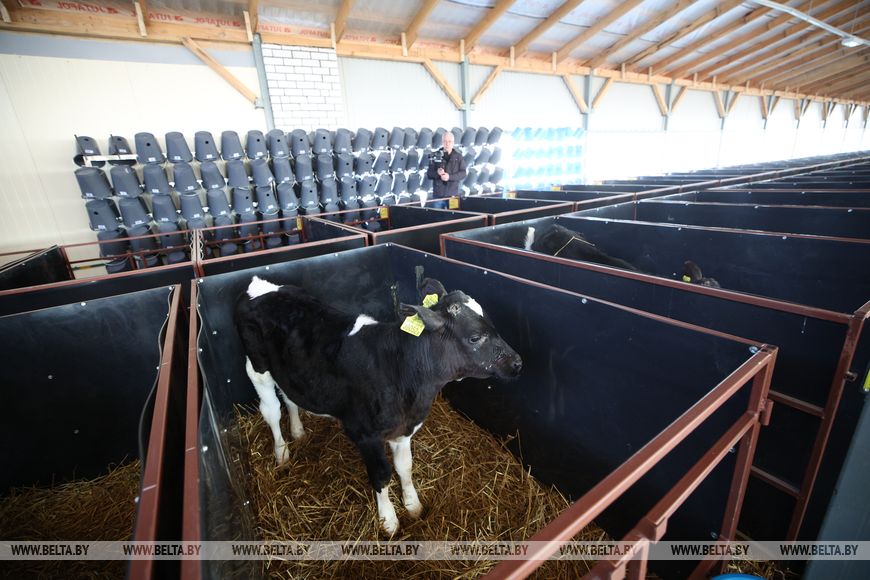
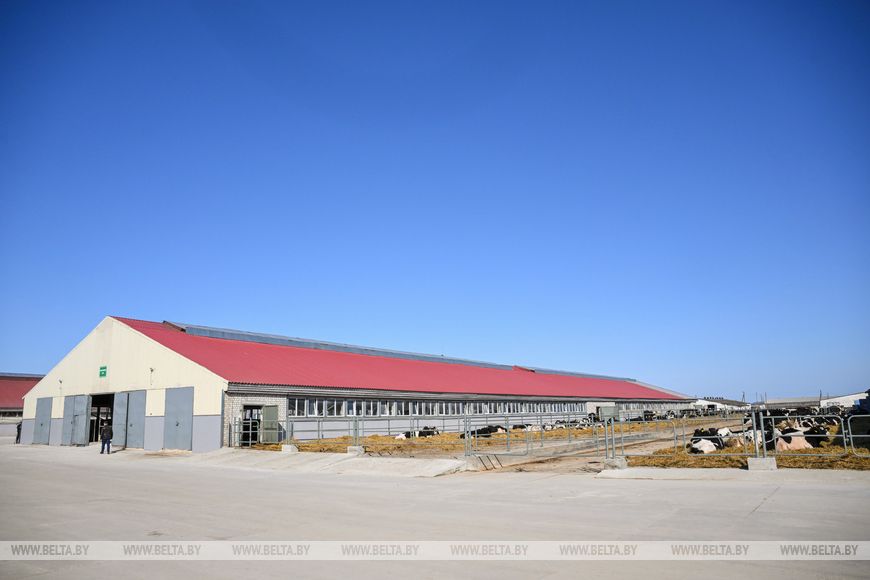
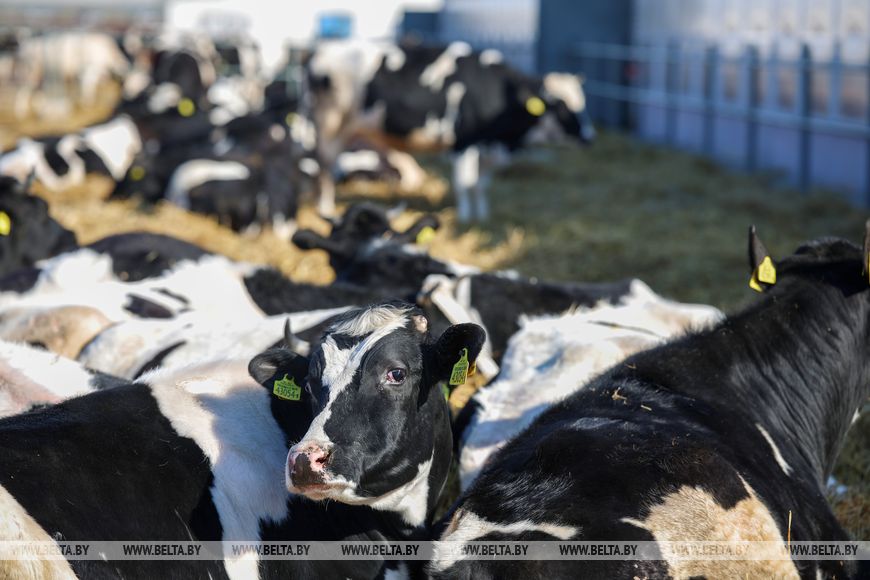
The second stop on the head of state’s working trip to Dribin District was the dairy complex of the Trilesino-Agro company. The complex visited by the president was recently reconstructed. This year, plans are underway to begin the reconstruction of a second dairy complex. Aleksandr Lukashenko was also briefed on plans for the development of dairy farming across Mogilev Oblast. In total, plans call for the construction and reconstruction of 83 dairy complexes by 2030. The region is ahead of schedule in this regard.
The president warned against any red tape involving various kinds of design and estimate documentation, gathering approvals and signatures. “There should be no bureaucracy. Pay attention to this. Because they, the managers, complain most of all that it’s impossible to build anything, that they have to go to the governor, to ask there. Take strict control of this,” Aleksandr Lukashenko instructed Head of the President Administration Dmitry Krutoi.
The president assured that the state is ready to provide financial support for various projects, but the main condition is that they must be cost-effective. “We will lend you the money. Do not expect that we will give you the money and forget about it,” he warned.
Another fundamental point that the head of state always emphasizes is strict adherence to discipline. Without this, there can be no order, no efficiency, no high incomes, and ultimately no impact from any planned projects. “Discipline is the foundation of any technological process. It’s not because Lukashenko is a 'dictator.' Discipline is dictated to us by technology. If it's lacking all the investments will be in vain; there will be no technology,” he remarked during a conversation with journalists.These, the president emphasized, are elementary requirements that do not need additional financial costs: “You must come on time, leave on time, and perform the operations that the technology requires. If this [discipline] is not there, there will be trouble.”
Aleksandr Lukashenko also stated that a new stage in the requirements for maintaining discipline is now beginning.