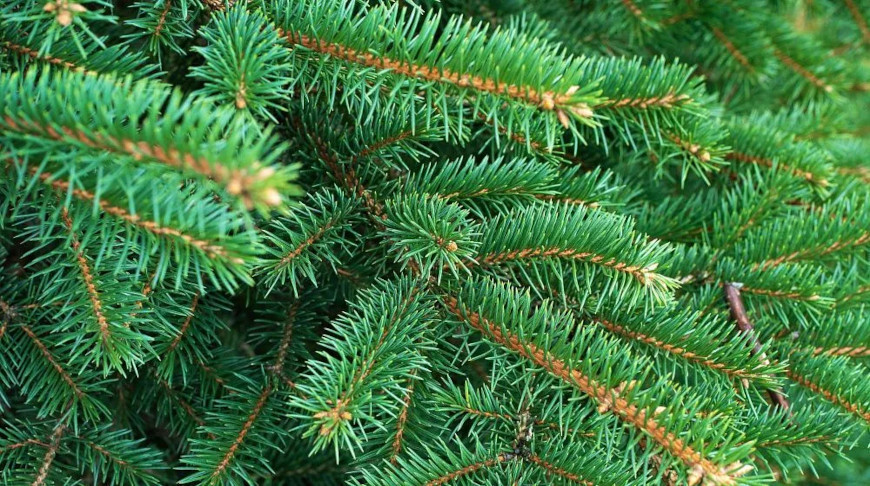
Photo: Kulikova Anna / iStock
MOSCOW, 6 April (BelTA - TV
BRICS) - Russian scientists have modified a polysaccharide (a complex
carbohydrate) derived from spruce wood and enhanced its ability to
prevent blood clotting and neutralise free radicals. This will help
create new medicines and biocompatible materials that do not cause blood
clots. The research is reported on the website of the Federal Research
Centre "Krasnoyarsk Science Centre of the Siberian Branch of the Russian
Academy of Sciences".
Modern pharmaceuticals are seeking ways to create medicines with fewer side effects. The use of naturally occurring substances, such as plant polysaccharides, offers such prospects. Polysaccharides are biocompatible, non-toxic and biologically active, and can be obtained from plant waste from the agricultural and woodworking industries.
Russian chemists have obtained the polysaccharide galactoglucomannan (a natural biopolymer) from the wood of the common spruce (Picea abies) and modified it with molecules containing sulphate groups. The introduction of sulphate groups gave the new derivatives better water solubility compared to the original polysaccharide, and also increased their anticoagulant and antioxidant activity.
The samples obtained with the longest sulphation duration and the highest number of sulphate groups in the structure demonstrated the greatest efficacy in tests for anticoagulant activity and blood clotting. Their activity increased a hundredfold compared to the original polysaccharide. At the same time, they were able to neutralise model free radicals by 96 per cent, thus combining two beneficial properties at once.
Sulfation altered the polymer’s mechanism of action. Understanding these mechanisms will enable scientists to specifically ‘tune’ the properties of biopolymers for specific tasks in the future.
"Understanding the mechanism of free radical neutralisation is crucial for the development of effective drug delivery systems, particularly in cases where oxidative processes predominate. In the future, such modified biopolymers could form the basis for the creation of controlled-release drug carriers, encapsulating materials and biologically active supplements, which will contribute to the development of the domestic pharmaceutical industry," noted Valentina Borovkova, PhD in Chemistry and research fellow at the Institute of Chemistry and Chemical Technology of the Siberian Branch of the Russian Academy of Sciences.
Alongside staff from the Krasnoyarsk Scientific Centre of the Siberian Branch of the Russian Academy of Sciences, the research was conducted by their colleagues from Siberian Federal University and the Russian Ministry of Health.
Modern pharmaceuticals are seeking ways to create medicines with fewer side effects. The use of naturally occurring substances, such as plant polysaccharides, offers such prospects. Polysaccharides are biocompatible, non-toxic and biologically active, and can be obtained from plant waste from the agricultural and woodworking industries.
Russian chemists have obtained the polysaccharide galactoglucomannan (a natural biopolymer) from the wood of the common spruce (Picea abies) and modified it with molecules containing sulphate groups. The introduction of sulphate groups gave the new derivatives better water solubility compared to the original polysaccharide, and also increased their anticoagulant and antioxidant activity.
The samples obtained with the longest sulphation duration and the highest number of sulphate groups in the structure demonstrated the greatest efficacy in tests for anticoagulant activity and blood clotting. Their activity increased a hundredfold compared to the original polysaccharide. At the same time, they were able to neutralise model free radicals by 96 per cent, thus combining two beneficial properties at once.
Sulfation altered the polymer’s mechanism of action. Understanding these mechanisms will enable scientists to specifically ‘tune’ the properties of biopolymers for specific tasks in the future.
"Understanding the mechanism of free radical neutralisation is crucial for the development of effective drug delivery systems, particularly in cases where oxidative processes predominate. In the future, such modified biopolymers could form the basis for the creation of controlled-release drug carriers, encapsulating materials and biologically active supplements, which will contribute to the development of the domestic pharmaceutical industry," noted Valentina Borovkova, PhD in Chemistry and research fellow at the Institute of Chemistry and Chemical Technology of the Siberian Branch of the Russian Academy of Sciences.
Alongside staff from the Krasnoyarsk Scientific Centre of the Siberian Branch of the Russian Academy of Sciences, the research was conducted by their colleagues from Siberian Federal University and the Russian Ministry of Health.