An archive photo
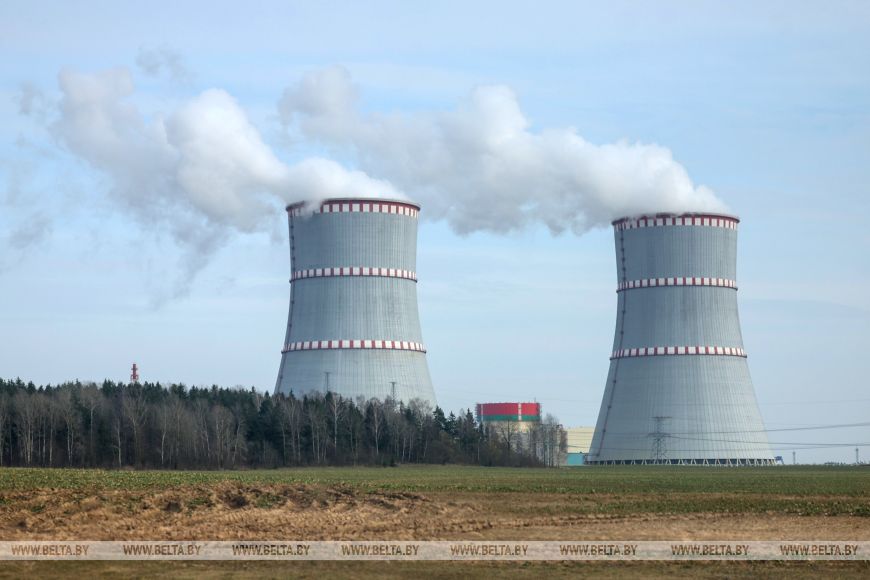
OSTROVETS DISTRICT, 25 March (BelTA) – The Belarusian nuclear power plant project was the key one for the sustainable development of the energy industry and for reinforcing Belarus’ energy security, BelTA learned from Belarusian Energy Minister Denis Moroz.
The energy minister, the Belarusian Finance Minister, national coordinator on reaching the SDGs Vladislav Tatarinovich, and representatives of UN agencies in the Republic of Belarus took part in a roundtable session on partnership in the interests of implementing the regional strategy on sustainable development of Grodno Oblast. During the roundtable session Denis Moroz pointed out that the energy industry had been entrusted with the key task of ensuring stable and affordable supply of energy. At present Belarus is one of the countries where the entire population has access to electricity.
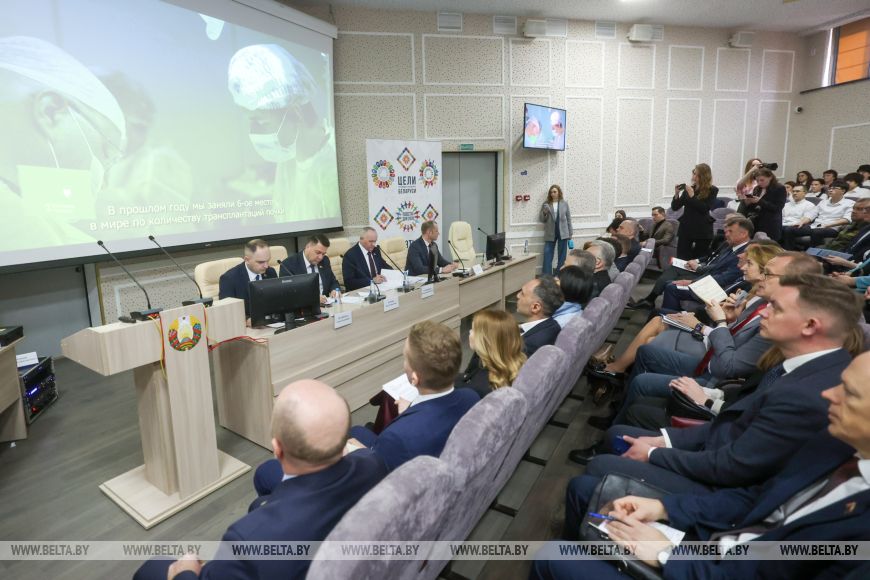
“Achieving the SDGs is a key priority for the country’s energy sector. Energy industry organizations are actively implementing measures to modernize the power grid infrastructure, introduce energy-efficient technologies, and automate and digitize production processes,” he said.
According to the energy minister, the project to construct the Belarusian nuclear power plant in partnership with the Russian state nuclear industry corporation Rosatom has become key to the sustainable development of the energy sector and the strengthening of the country’s energy security. Denis Moroz emphasized that special attention was paid to operational safety during the project’s implementation, which has been repeatedly confirmed during numerous IAEA missions.
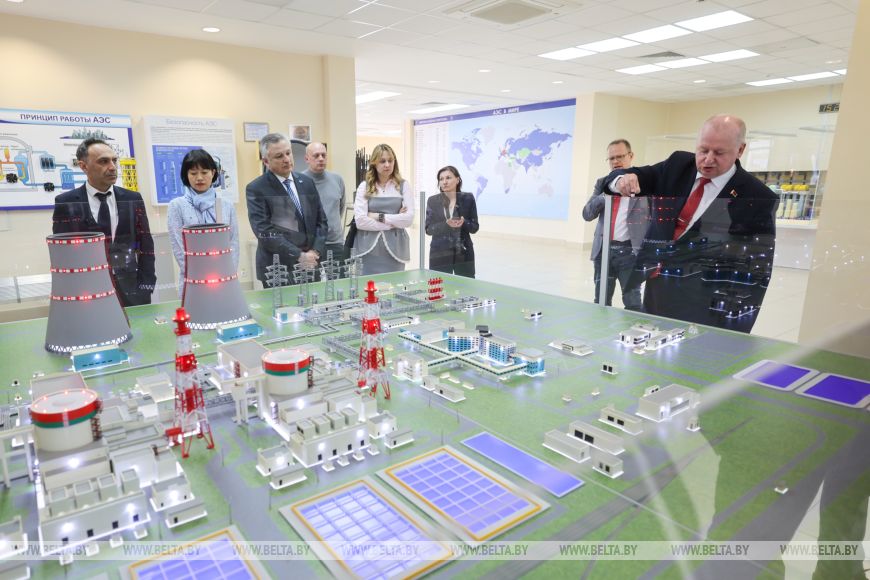
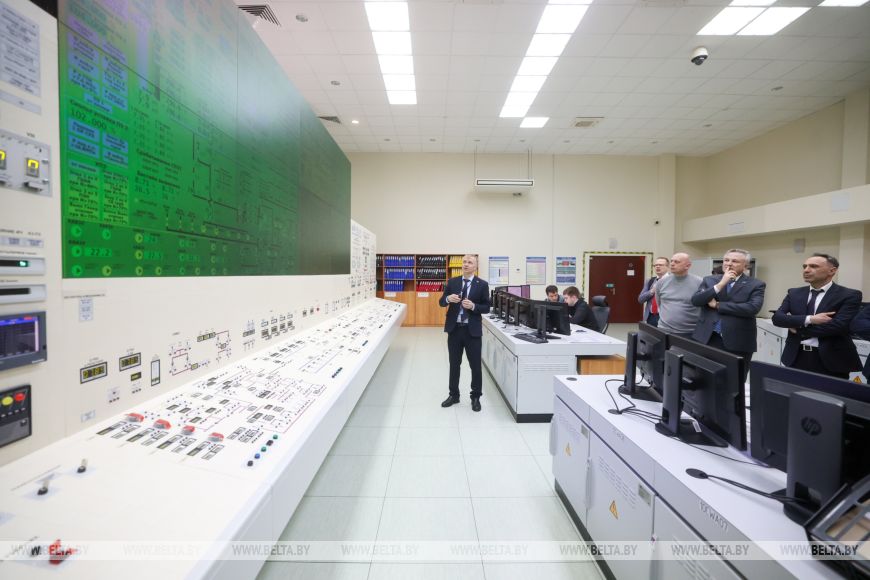
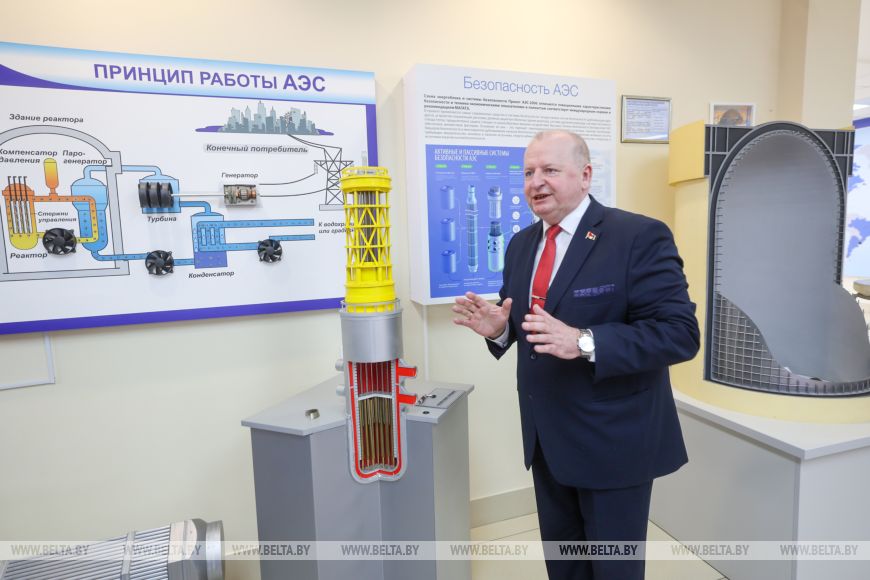
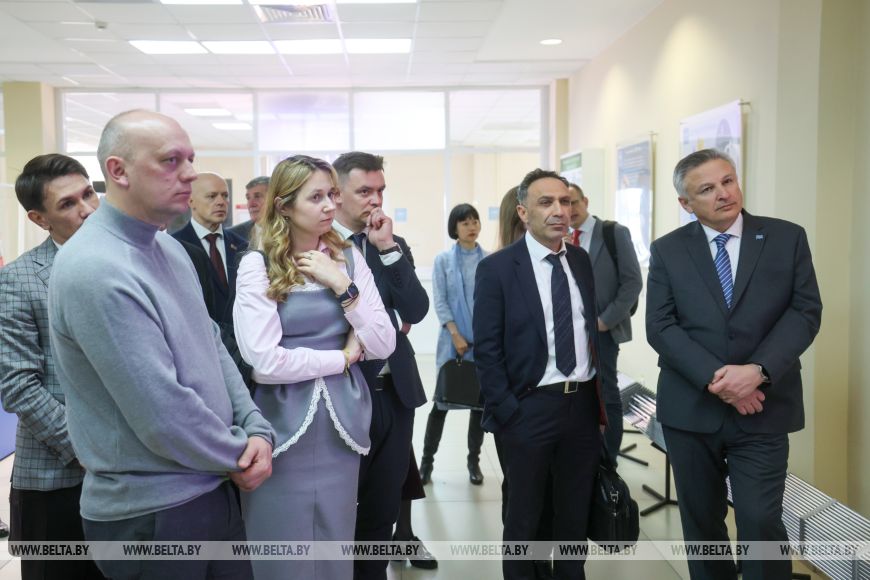
“To date, the nuclear power plant has generated over 58 billion kWh of electricity, which has allowed us to replace approximately 16 billion m3 of natural gas. It accounts for about 40% of the country’s total energy balance,” stated Denis Moroz. “But Belarus’ contribution to the global environmental agenda lies in the fact that thanks to the Belarusian nuclear power plant we reduce carbon dioxide emissions by 7 million tonnes annually. This is our country’s enormous contribution to the green agenda.”
The energy minister emphasized that the nuclear power plant is not just an energy project, its commissioning has also transformed related industries. “First and foremost, it has opened up the possibility of using electricity for heating and hot water supply. Before this facility was built, we did not have this option in our country,” said Denis Moroz. “From 2021 to 2025 more than 2.2 million m2 of housing that uses electricity for heating and hot water supply was built in the country.”
“There is also a broad program aimed at switching housing to using electricity for heating. To date, more than 160,000 technical specifications have been issued in our country to allow single-family homeowners to use electricity for these purposes. It means that 160,000 homes have stopped using firewood, coal, peat, and natural gas, and now use electricity as the most convenient and affordable means of heating their homes and ensuring a comfortable living environment,” noted the head of the Energy Ministry.
Thanks to the emergence of a reliable and stable source of electricity in Belarus, electric transport develops rapidly: “We see an explosive increase in the number of electric vehicles in our country. The number more than doubled over the past year. Today more than 50,000 electric vehicles are on our roads. This leads to both an increase in electricity consumption and a reduction in the environmental impact on nature.”
The town of Ostrovets, which has long been a hallmark of the Belarusian nuclear industry, is a good example of the contribution of the Belarusian nuclear power plant to regional development. For instance, before construction of the nuclear power plant began, just over 8,000 people lived there. Today the population exceeds 15,000. It is a comfortable, modern town with developed infrastructure and all the necessary amenities for living, including for young families.