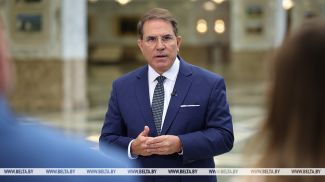
MINSK, 26 April (BelTA) – Gosatomnadzor has found no excess of radionuclides in water or food in the contaminated zone in recent years, First Deputy Head of the Nuclear and Radiation Safety Department of the Belarusian Emergencies Ministry (Gosatomnadzor) Leonid Dedul said in BelTA’s project The Nation Speaks.
According to Leonid Dedul, over the past four years, no cases of radionuclide exceedances have been detected in drinking water (from both closed and open sources in populated areas within the contaminated territory), nor in milk or meat. “This indicates that the measures taken allow us to keep the situation under control. We can now rightly focus on the socio-economic development of the affected regions,” Leonid Dedul said.

Over the past ten years, the situation has stabilized, and the focus has now shifted to the development of this territory. “We are moving forward within the framework of sustainable development,” he noted.
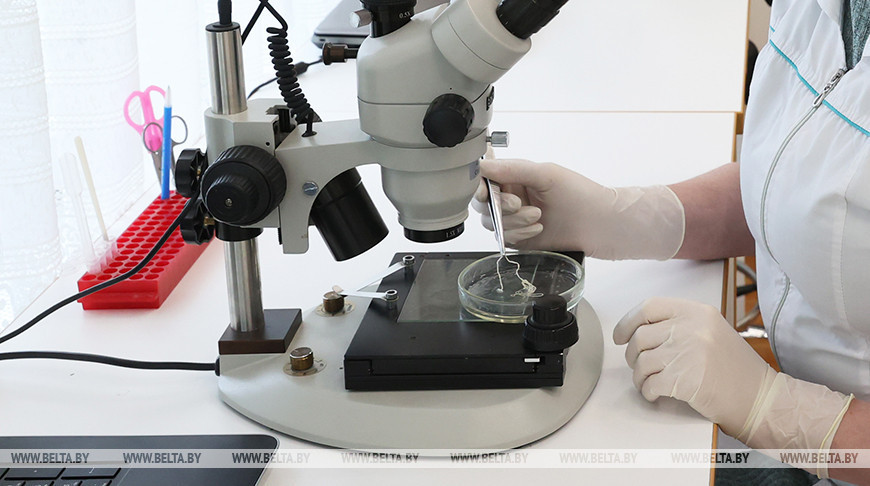
Six state programs have been implemented to address the consequences of the Chernobyl accident. Under these programs, more than 2,500 instruments and pieces of equipment (some funded by the state budget) have been delivered to organizations that conduct radiation monitoring. These include the Ministry of Agriculture and Food and the Forestry Ministry. “These organizations oversee production facilities that have to monitor incoming raw materials and final products for sale. We cannot afford a single mistake,” Leonid Dedul stressed.