
MINSK, 18 April (BelTA) – As he visited the construction site of the National History Museum during the nationwide community clean-up day (subbotnik), Belarus President Aleksandr Lukashenko gave instructions to make optimal exhibitions but without skimping, BelTA has learned.
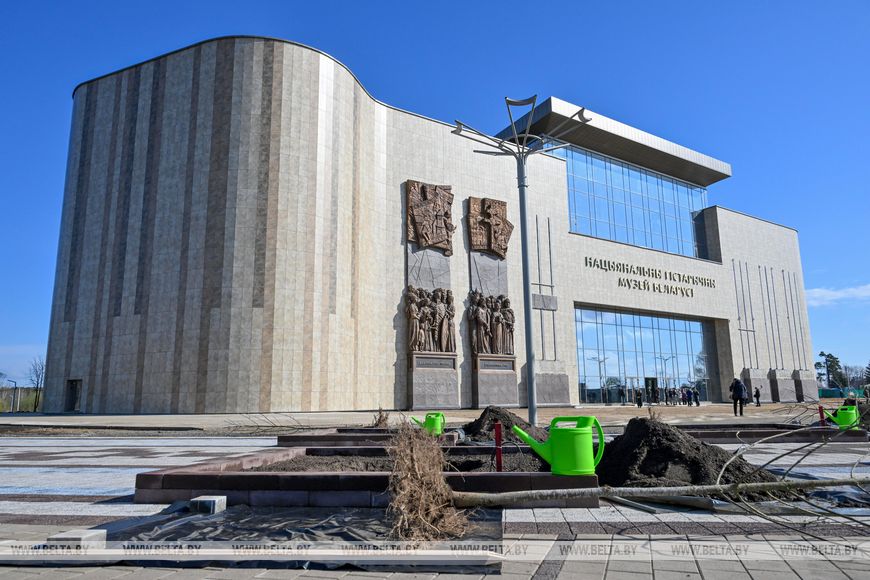
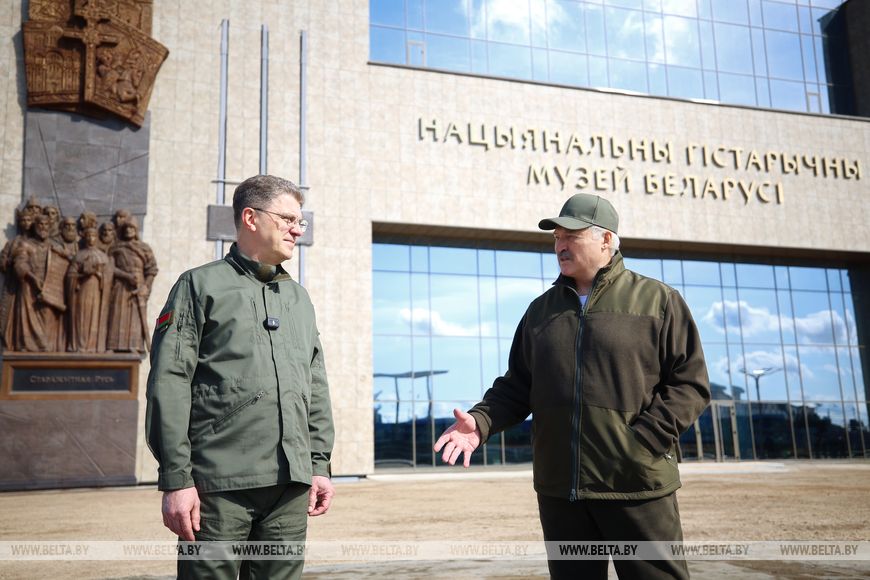
At the National History Museum site Chairman of the Minsk City Executive Committee Vladimir Kukharev reported to the president on the progress of the building’s construction. The head of state emphasized the need to use Belarus-made materials. “Everything should be made from our own materials the way the Chinese do it. We can make everything,” he stressed.
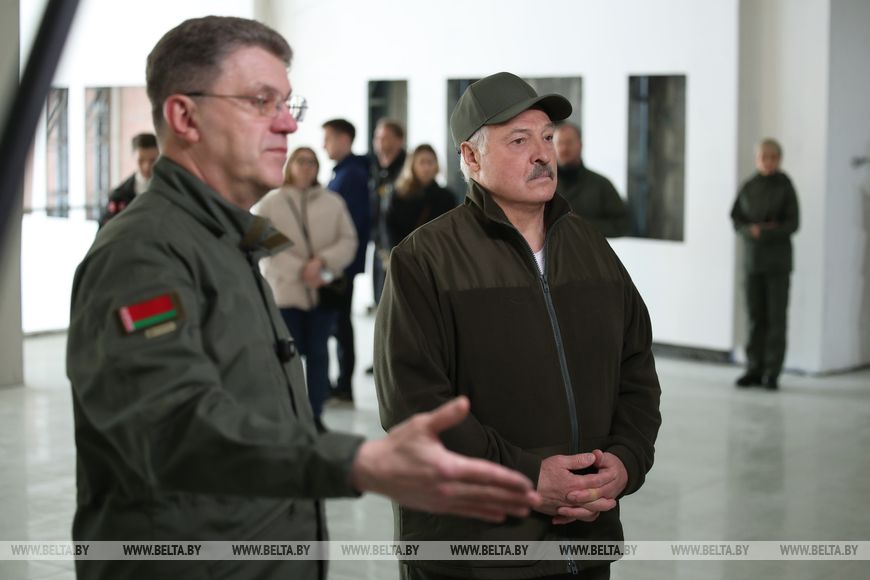
In turn, Culture Minister Marat Markov told the head of state about the formation of the museum’s exhibitions.
“Make sure it is optimal. Because a stingy person pays twice. It needs to be done in a way to avoid any criticism,” Aleksandr Lukashenko instructed the culture minister. “There are so many ‘smart’ people [who would criticize]. They should try to do it themselves...”
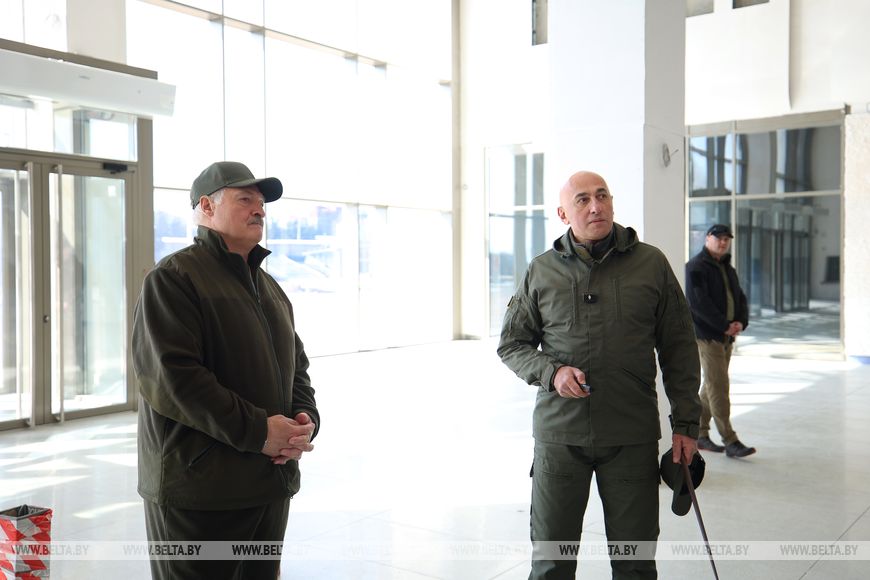
Apart from that, Aleksandr Lukashenko suggested thinking about what the name of the museum would be: whether it would remain the National History Museum or would become the National Museum. “Some criticize us, historians for naming it the National History Museum of Belarus. As I recall, history was defined as a science about the past back in my day,” said Aleksandr Lukashenko. “But we also reflect the present here and may even look into the future. Should it simply be the National Museum of Belarus?”
As much as Br224 million was supposed to be allocated for the construction part of the work. Nevertheless, Vladimir Kukharev noted that a lot had been saved during construction. At present the project costs about Br108 million. The permanent exhibition will occupy about 15,000m2 while the temporary one will occupy about 2,000m2. The museum is unparalleled either in the history of sovereign Belarus or in the history of the BSSR.
The president was informed that the second floor of the museum is supposed to house sections covering historical periods from prehistoric times to the 18th century. The exhibition is supposed to be truly massive: more than 20,000 exhibits.
The third floor of the museum will include sections dedicated to Belarus in the late 18th – early 20th centuries and to Belarus in 1917-1991. The section dedicated to the contemporary Republic of Belarus will be located on the fourth floor of the museum. A zone for a rotating exhibition and a hall for official ceremonies will also be located there.
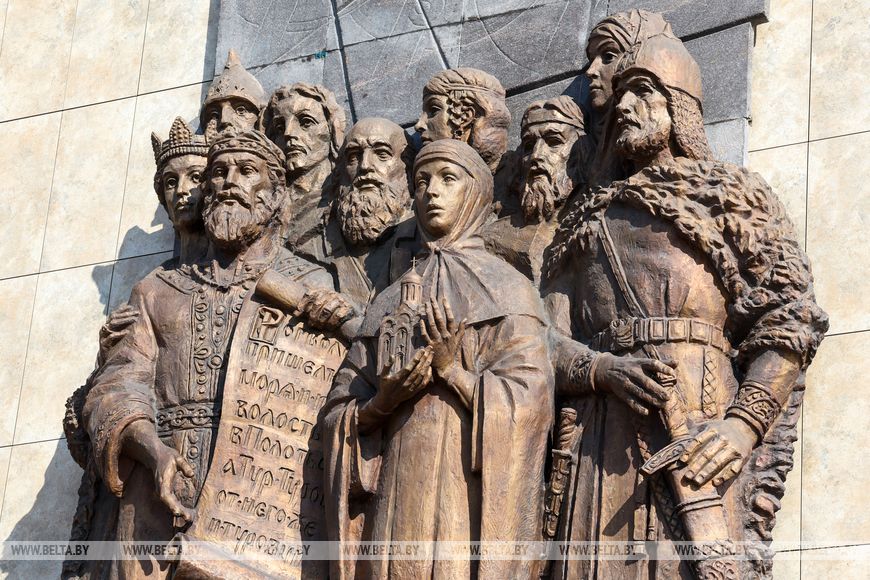
The placement of a collective image of historical figures on the bas-reliefs was also discussed. “Bas-reliefs without any specific personalities? Situational ones?” Aleksandr Lukashenko asked for clarification and received a positive answer. “It may be for the better in order to avoid disputes about someone being there while Lukashenko is not. Let these be some kind of event-based scenes,” the president said.
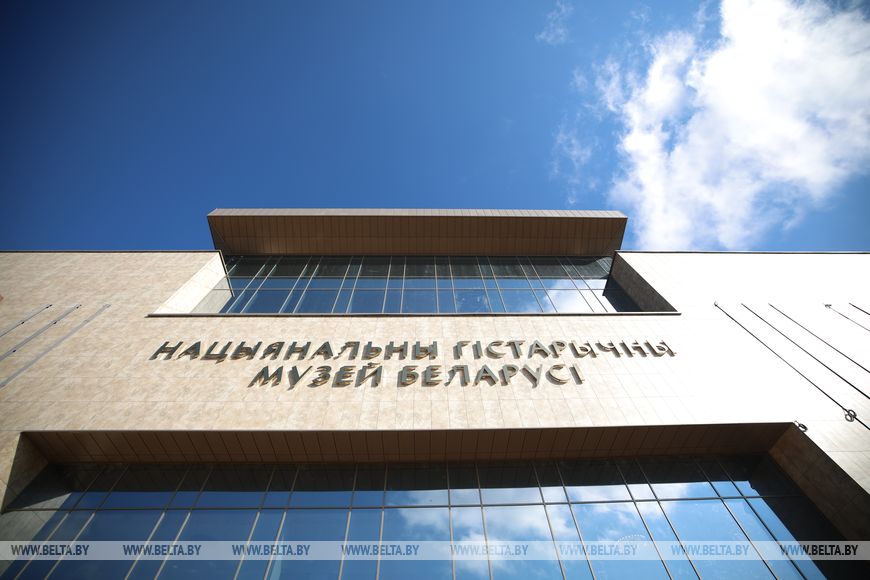
The discussion also touched upon the timeline for completing all the work and the possible opening of the museum to coincide with a significant date for Belarus – 17 September, People’s Unity Day. Work on the building’s facade – glazing and roofing – is essentially finished. The first phase of development of People’s Unity Park is nearing completion. All the work is planned to be completed by August. An underground passage to the museum is planned to be put into operation in May.
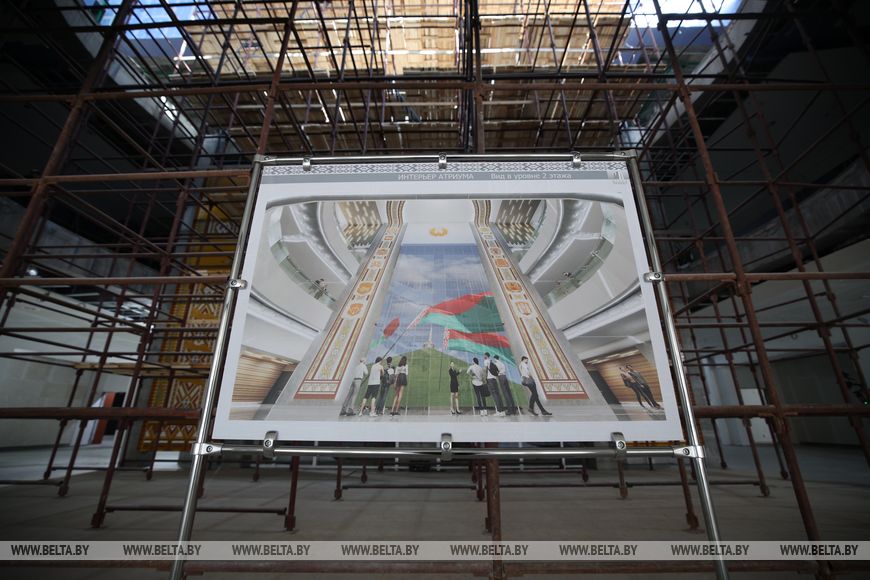
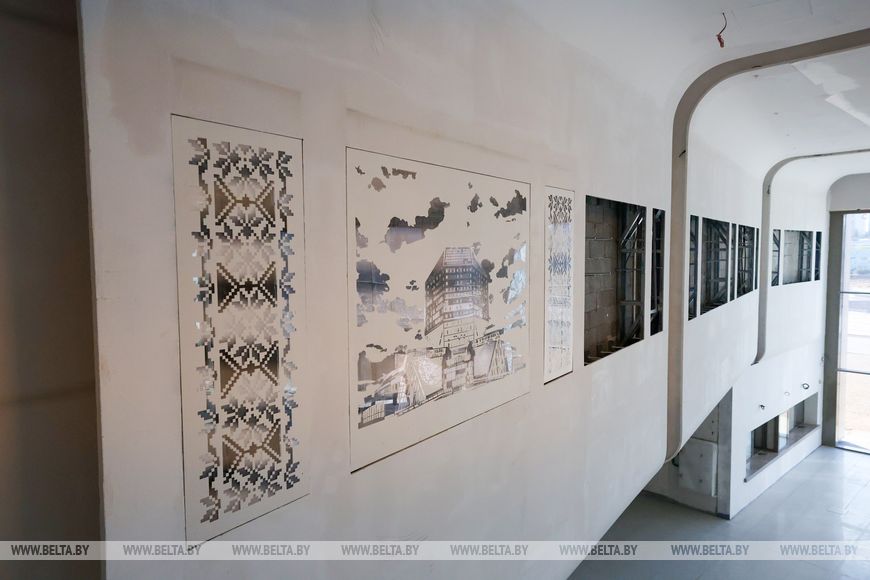
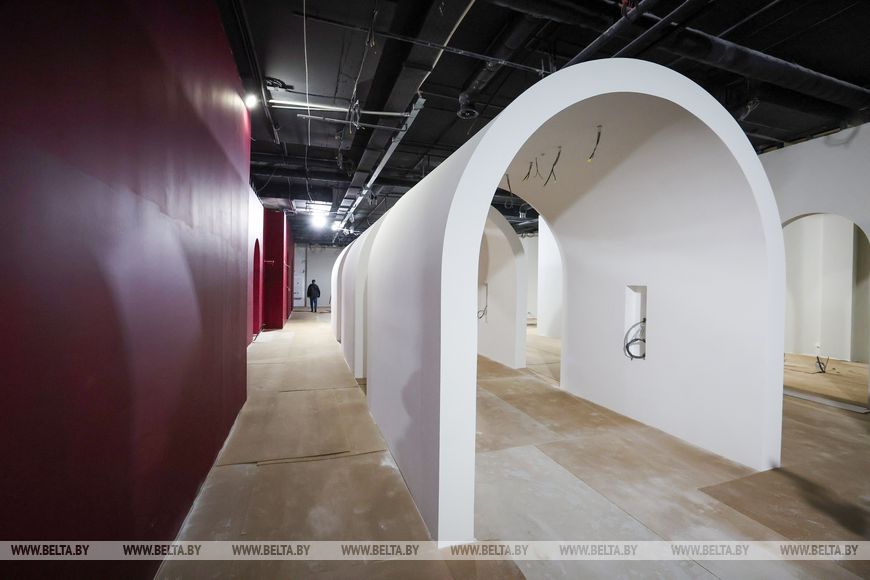
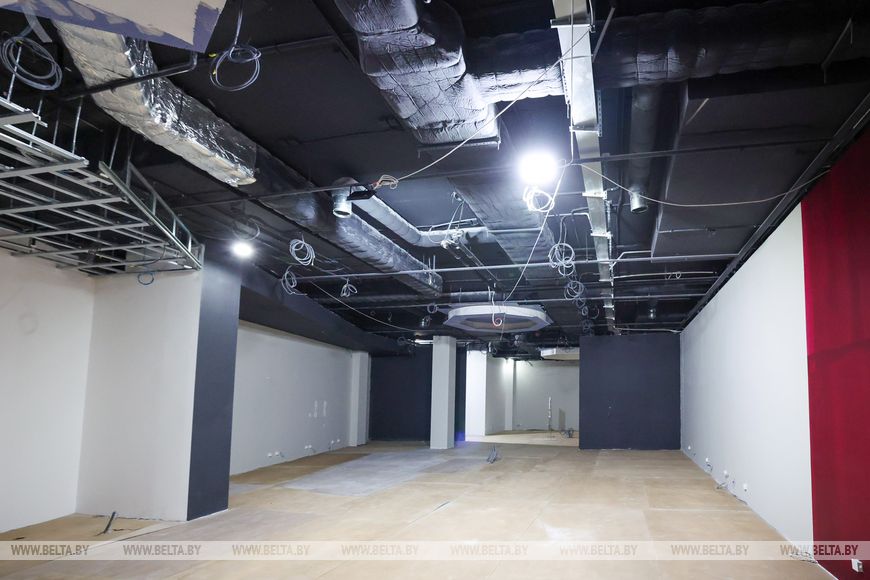
After a brief report the head of state was invited to tour the halls of the National History Museum under construction. The president was given a detailed account of the museum’s interior design and the placement of future exhibitions. The design’s authors plan to use state-of-the-art approaches, which will allow visitors to more fully immerse themselves in the most important events of Belarusian history.
Aleksandr Lukashenko also spoke about retail outlets near the National History Museum. Addressing Vladimir Kukharev, he suggested making them temporary and setting them up at the site near the museum during various events. At the same time, everything should be done in a businesslike manner.
“As for various retail outlets, we can set them up at the site before an event. They just have to look nice: little houses, exhibitions... In a businesslike manner: no need to restrict, but it should be decent. Let them make some pretty little houses or small pavilions. They come, set up quickly, do their work, and leave,” the Belarusian leader noted. “It needs to be done in a way to earn some money as well. Not to the detriment of the museum, of course, but there is enough space. People will come here.”
The head of state also inspected the layout of People’s Unity Park – a site as significant as the National History Museum. The area being landscaped exceeds 32 hectares. A stele with the inscription “People’s Unity Park” is planned to be installed in the park. A pedestal has already been prepared for it. Apart from that, bicycle paths are planned to be built. The president wants a businesslike approach to be applied here as well – from benches to the fixtures that light the park. Apart from that, he added, the area around the entire ensemble, which includes the Independence Palace, the State Flag Square, and the BelExpo National Exhibition Center in Pobeditelei Avenue, also needs to be put in order. The National History Museum and People’s Unity Park will become part of it soon.
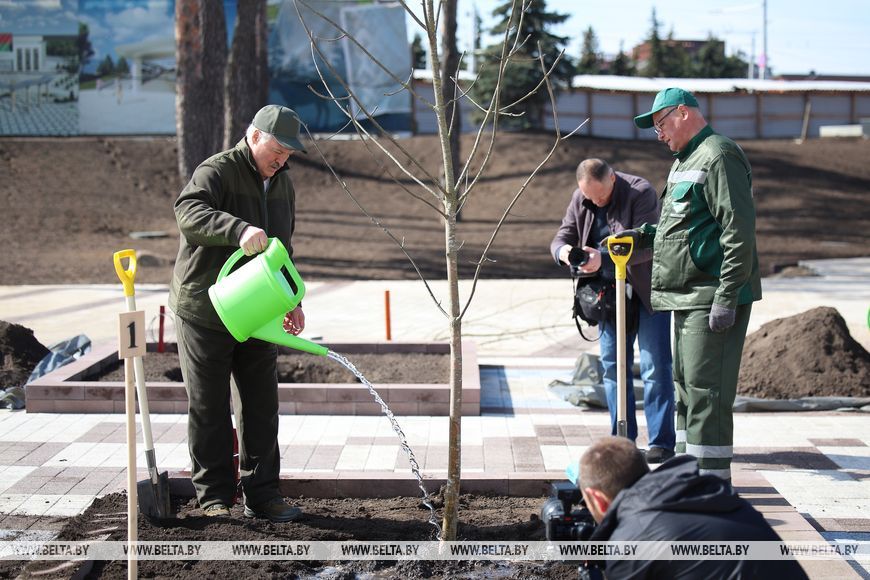
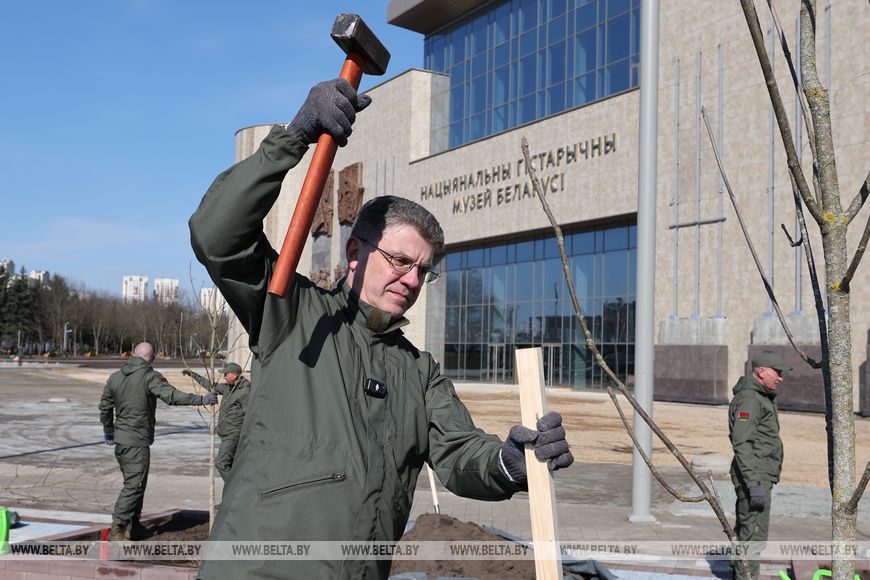
After inspecting the museum building and the park’s territory, Aleksandr Lukashenko, together with other participants of the clean-up day, planted trees in the territory adjacent to the museum. A total of about 100 saplings of ash, rowan, and birch were planted.
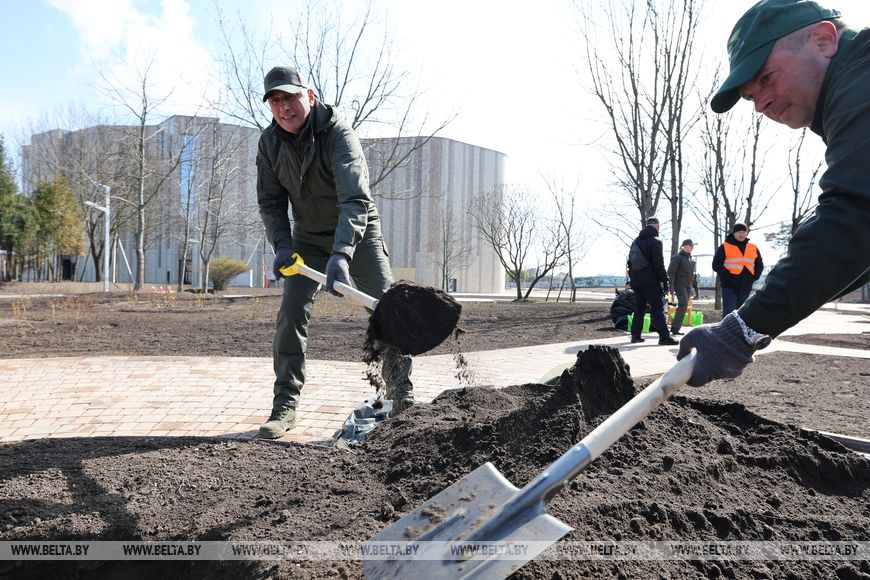
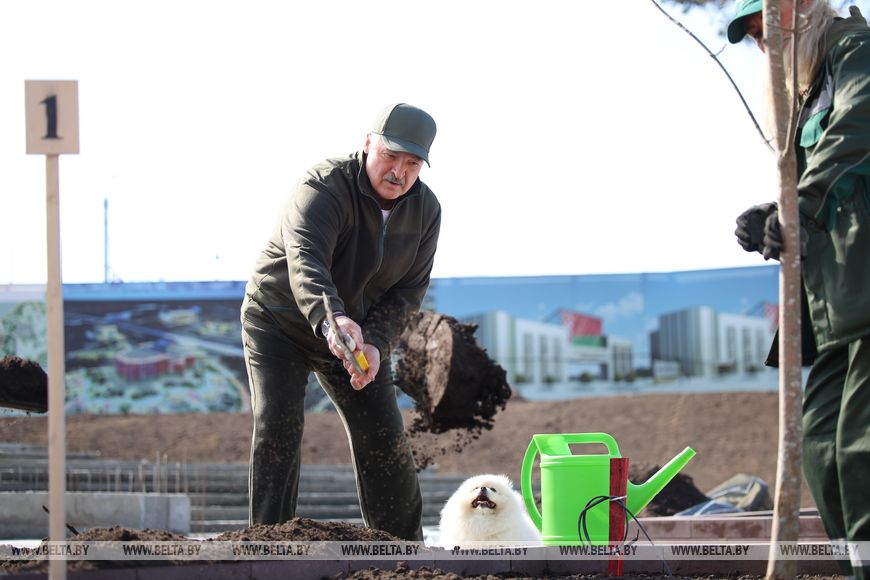
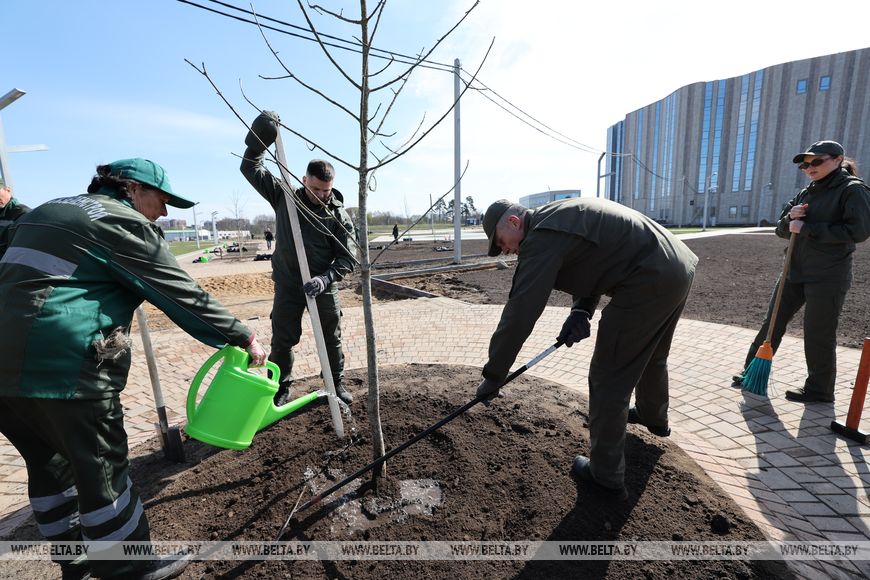
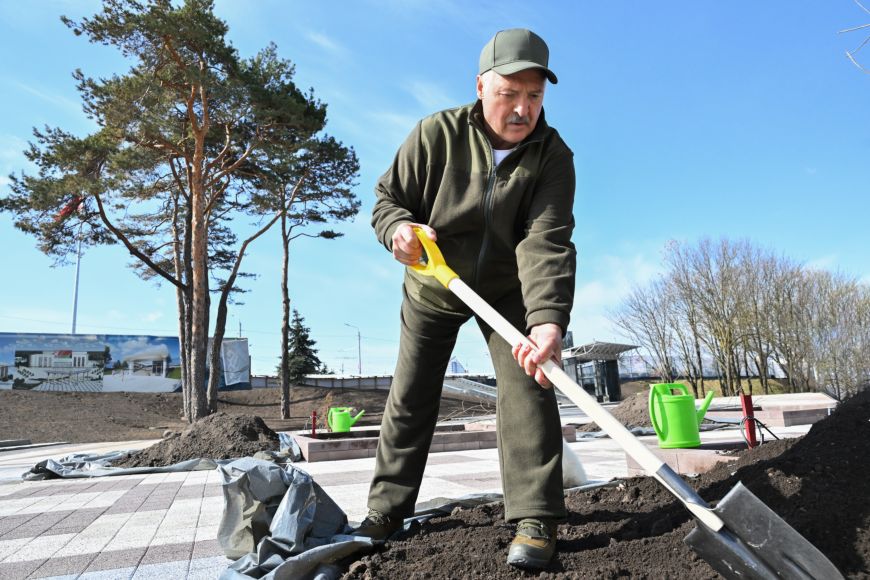
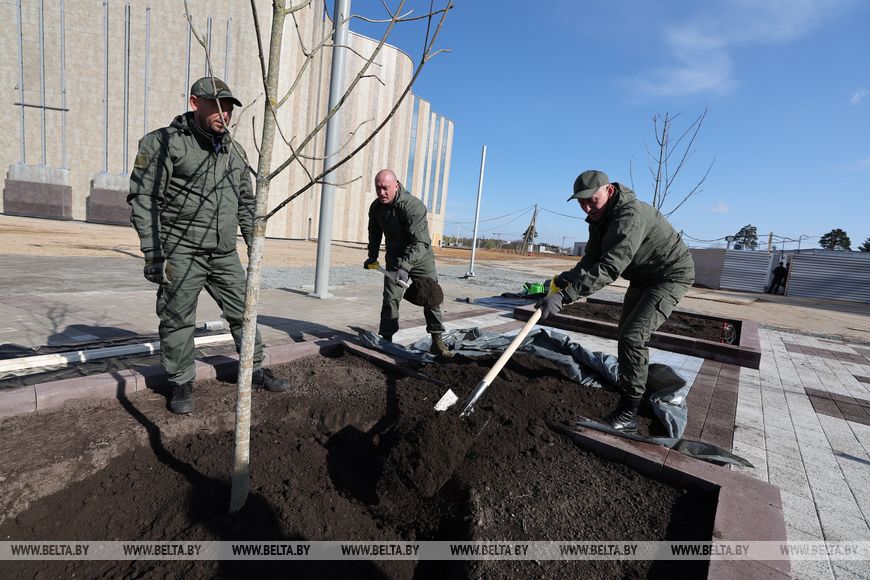
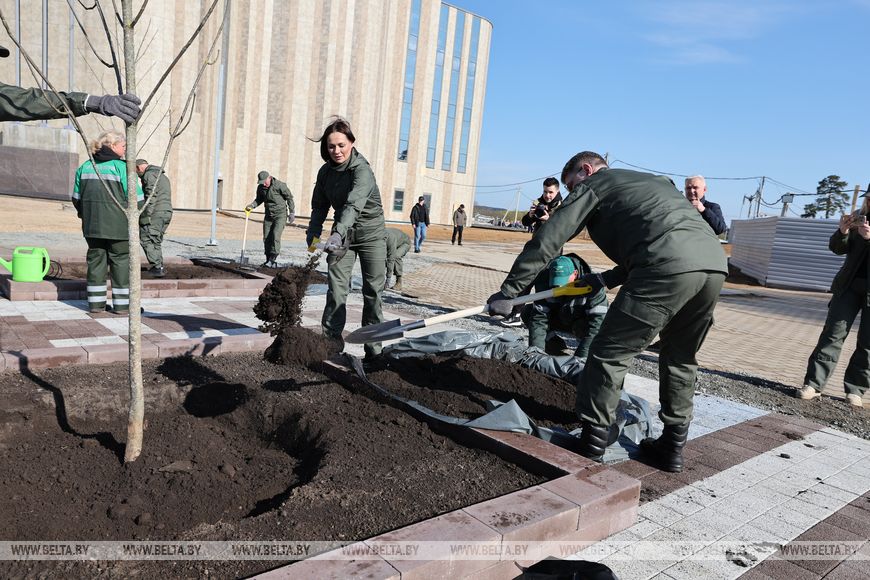
The funds earned from the spring community clean-up day will be channeled toward the creation of a permanent exhibition at the National History Museum of Belarus, which is currently under construction, as well as other related work.
Work to build the museum began in February 2025. The building is now finished. Painting and finishing of the premises and interior decoration are underway. Apart from that, work on the establishment of People’s Unity Park continues.
The construction sites of the National History Museum of Belarus and People’s Unity Park have been granted the status of a nationwide youth construction project. A total of 12 student teams consisting of 128 people have worked at the sites, including five teams from Minsk higher education institutions and colleges. Volunteer youth events are also held regularly, with more than 3,000 people having taken part in them. At present two student teams of 20 people are working on the site. Those are students of the Minsk State College of Innovative Construction Technologies named after I.M. Zhizhel.