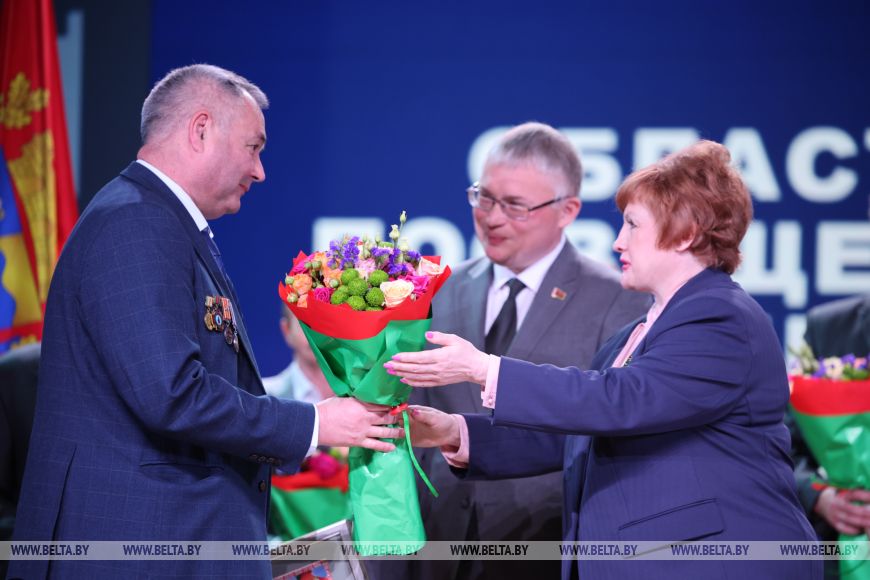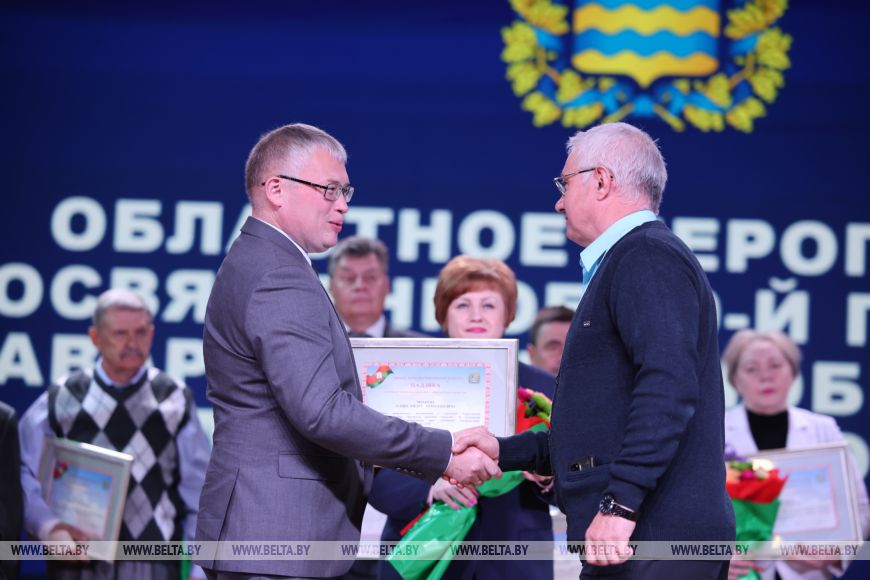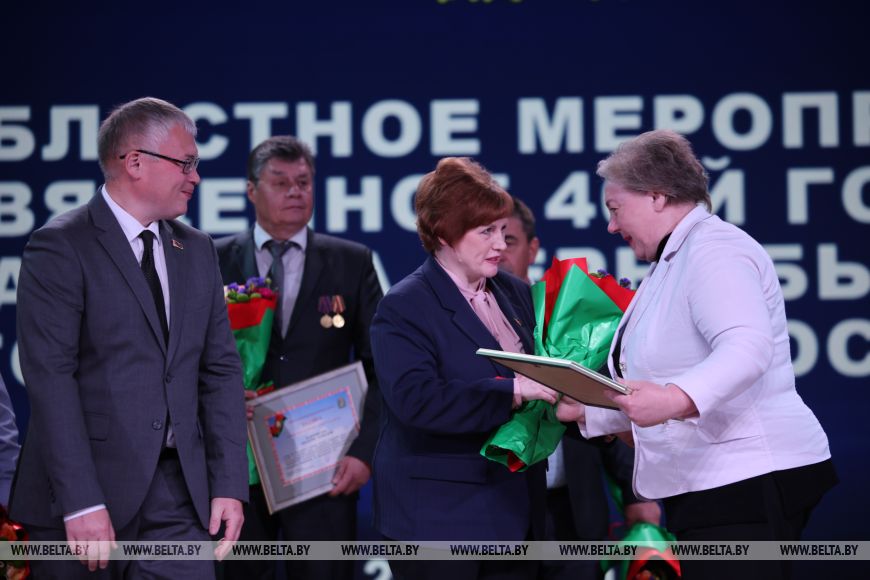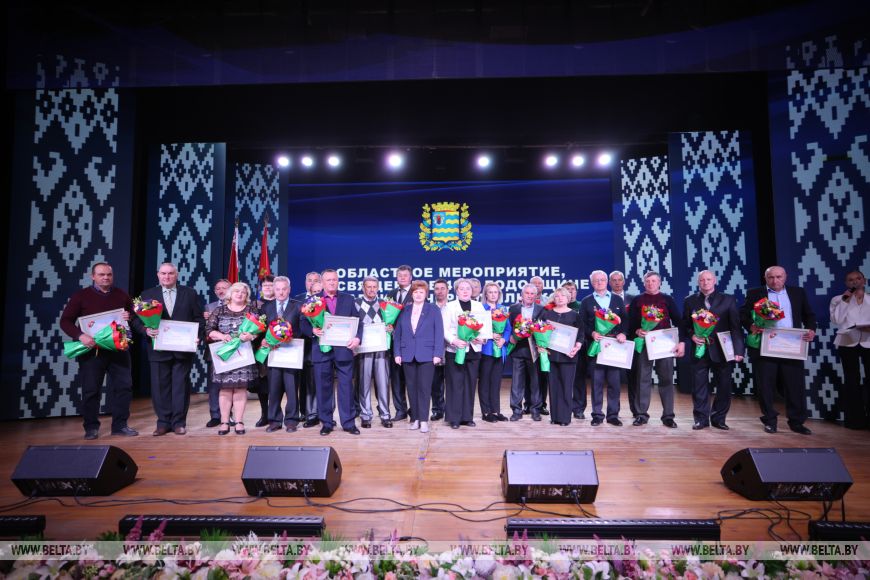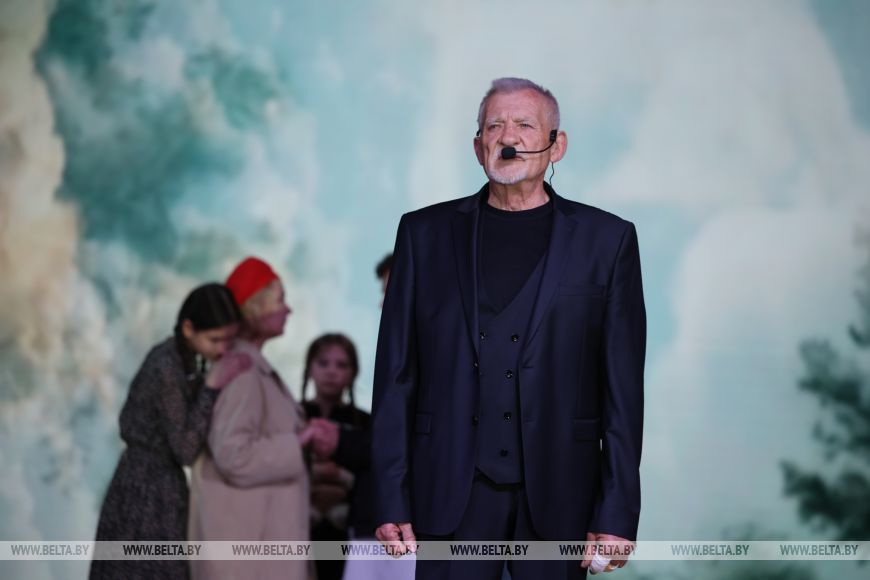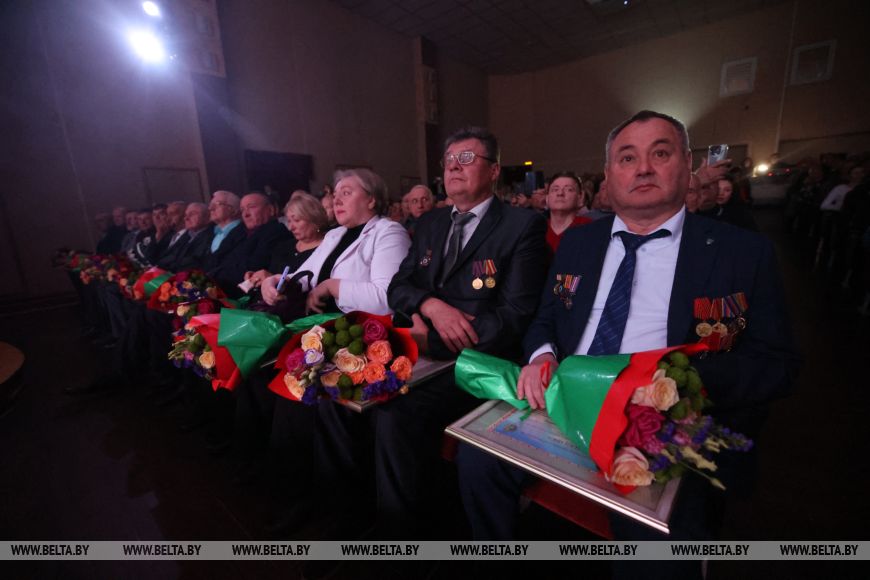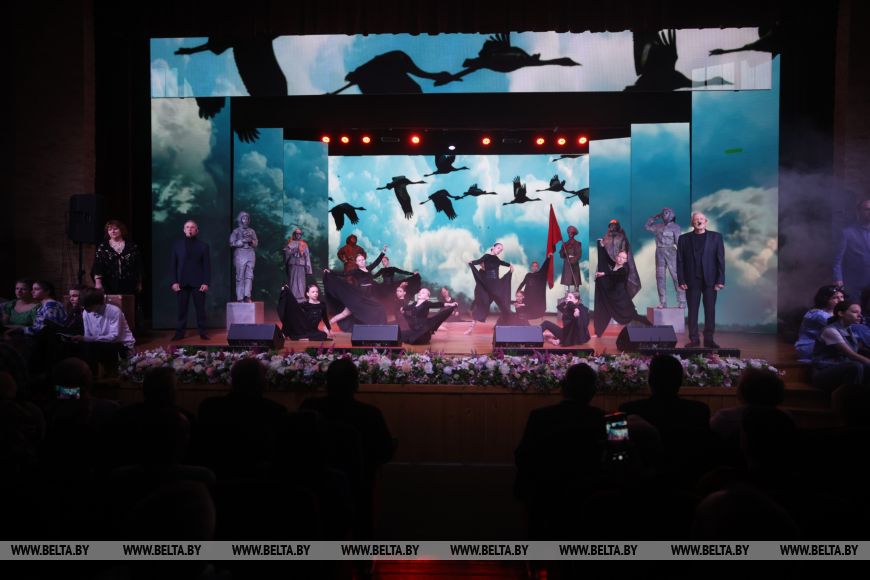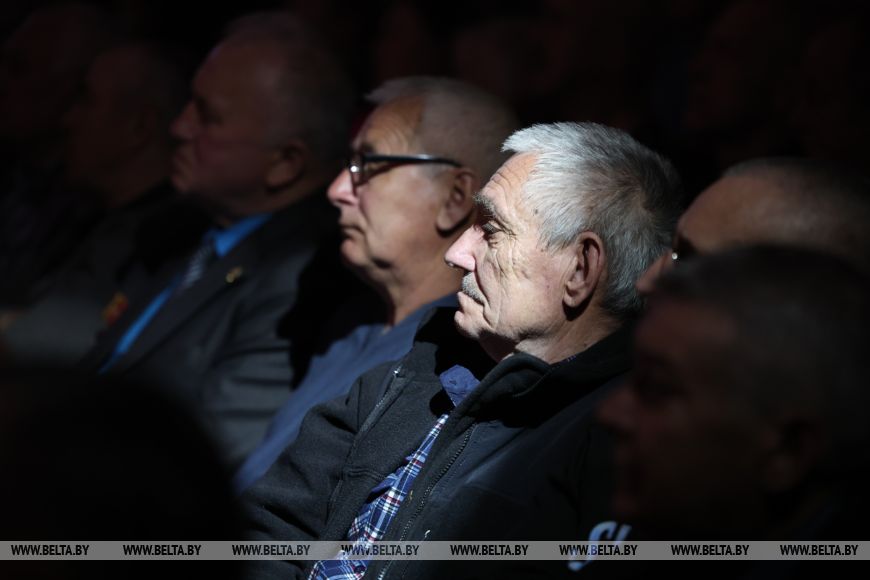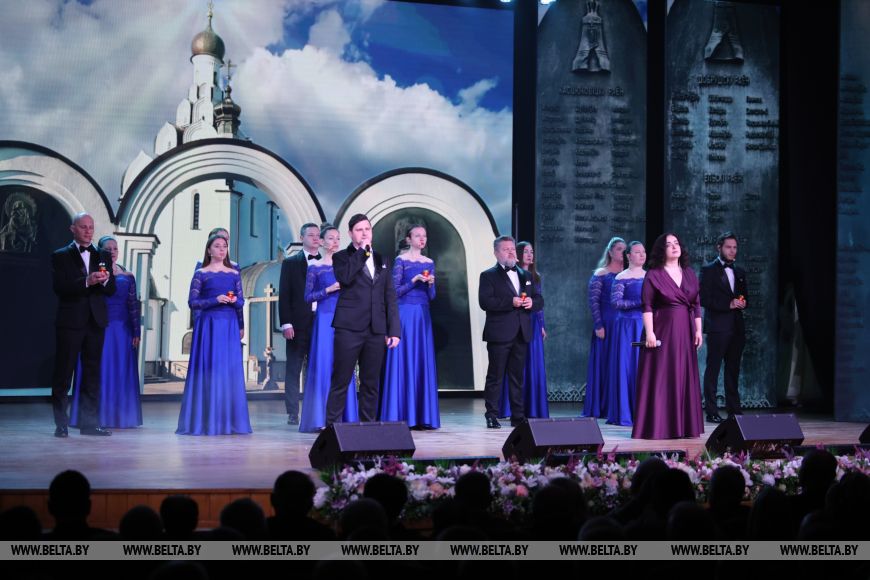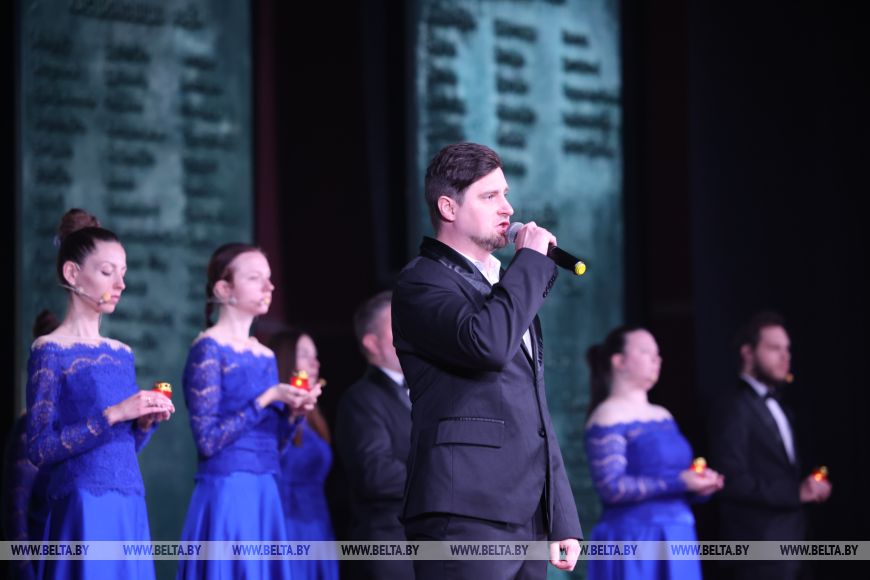
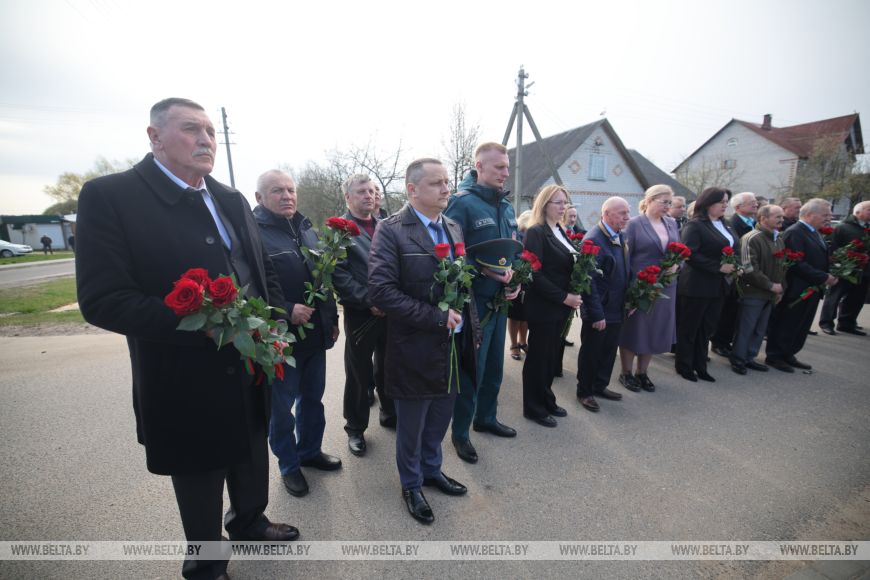
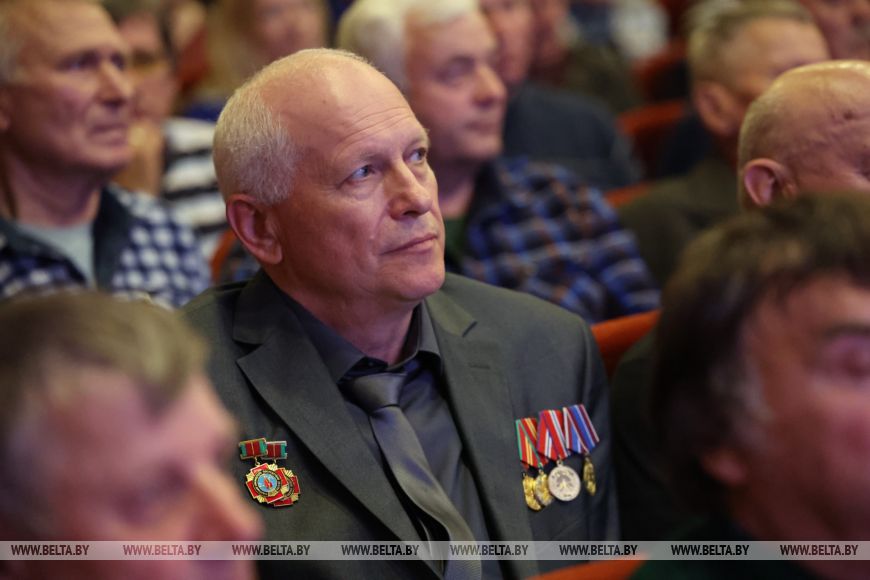
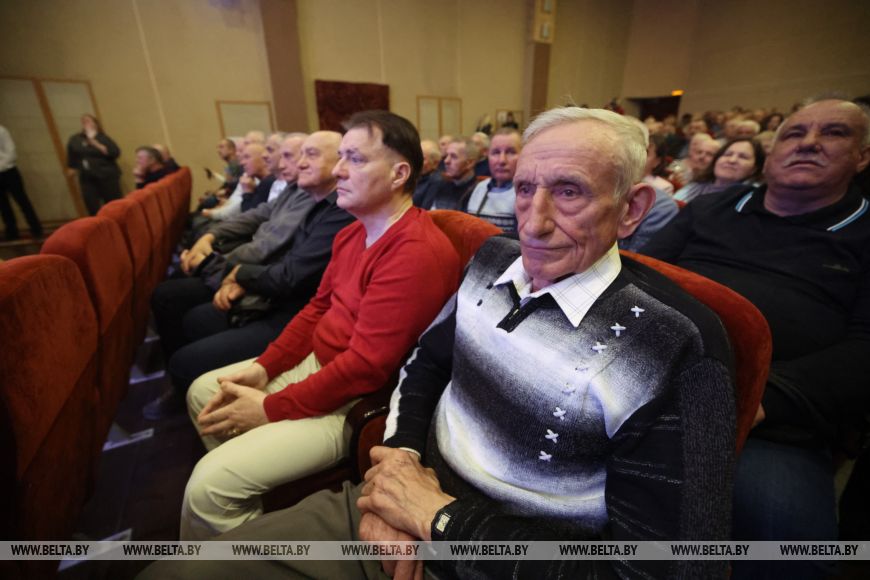
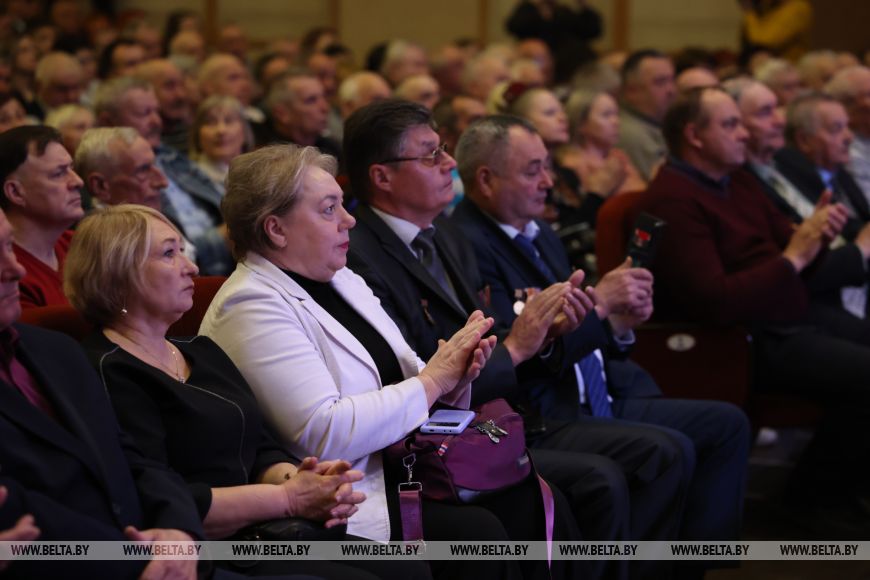
BEREZINO, 25 April (BelTA) – Today more than 300 liquidators of the consequences of the Chernobyl nuclear power plant accident came to the town of Berezino from all districts of Minsk Oblast to pay tribute to the fallen hero firefighters, BelTA has learned.
Among the first to go to extinguish the fire at the nuclear power plant was Vasily Ivanovich Ignatenko, a squad leader with the 6th independent paramilitary firefighting unit in charge of protecting the city of Pripyat, a native of Bragin District. The brave rescuer, who was only 25 years old at the time, received a lethal dose of radiation.
Minsk Oblast became a second home for his family: his parents were resettled to Berezino from his native village of Sperizhye in Bragin District. Later on his sister Natalya Sinkevich, who also served as part of the Emergencies Ministry system, moved to the district capital.
“When the accident happened, I was still a child. At that time, I was on vacation at a summer camp. But I remember well how difficult it was for my parents. Vasily was a very cheerful person and athletic. He loved fishing, was passionate about football, and helped around the house. He was a true pillar of support for the family,” she said. Their home carefully preserves albums with photographs as well as numerous newspaper clippings telling about the first responders, who were the first to take the blow of the Chernobyl nuclear power plant accident.
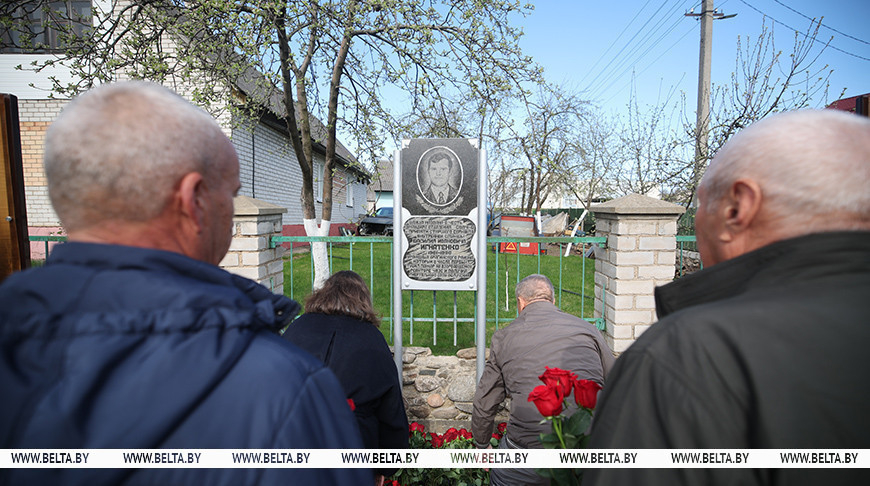
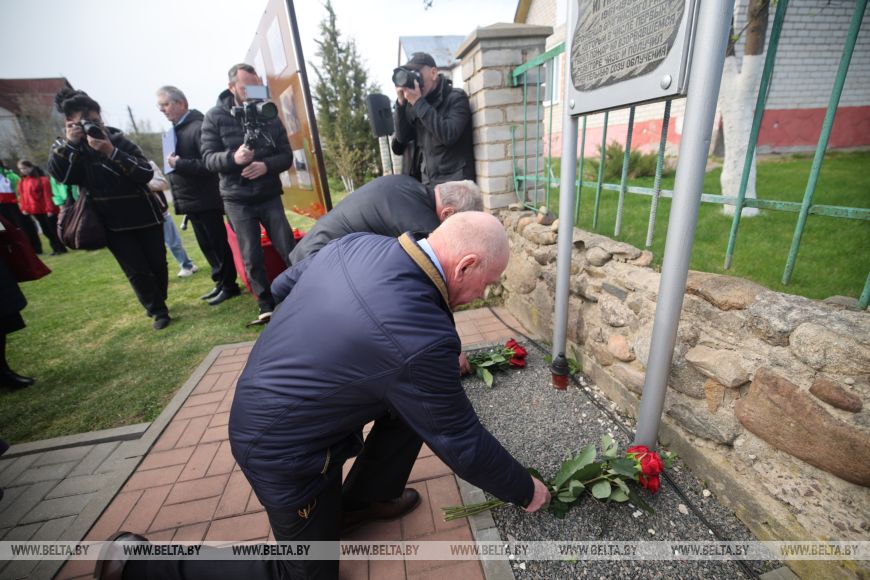
A street in Berezino has been named after Vasily Ignatenko, who was awarded the Order of the Red Star, and a memorial sign has been installed at its beginning. The liquidators brought flowers to it today.
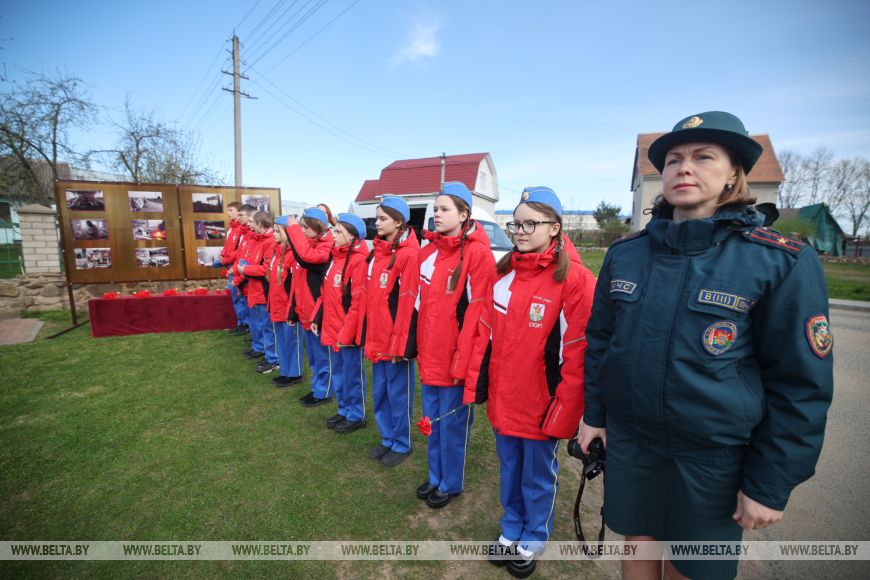
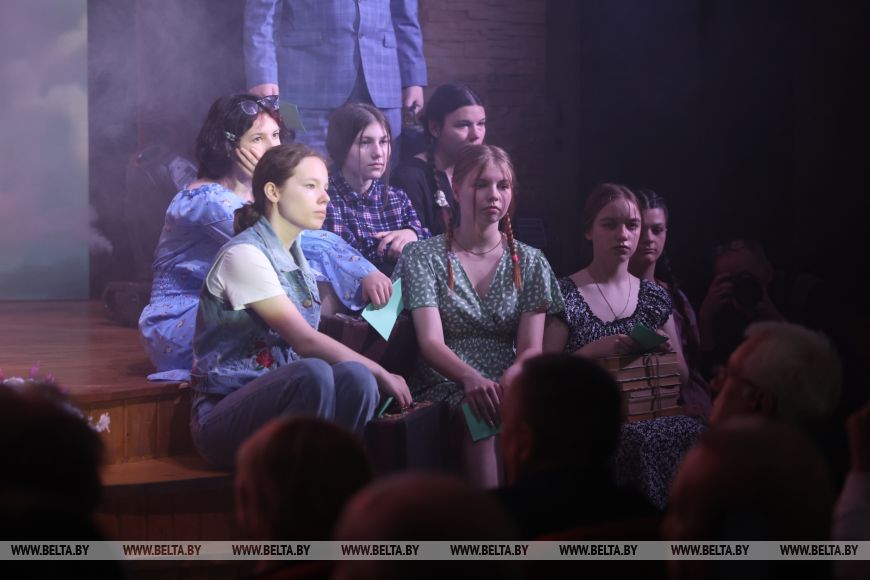
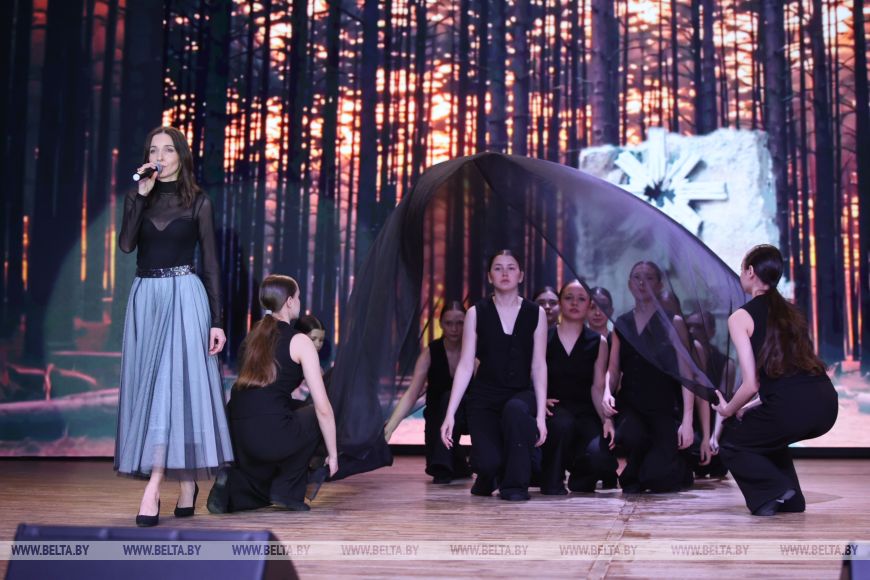
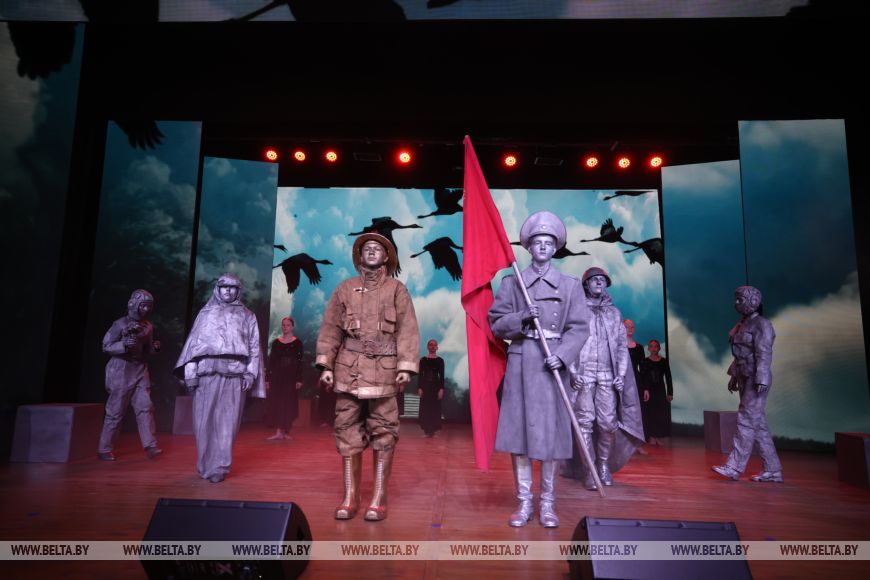
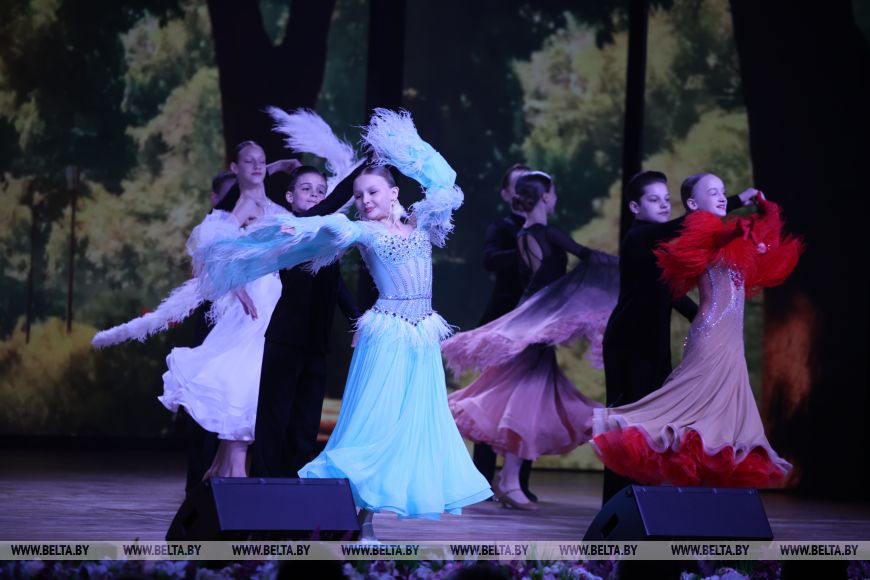
The event continued at the Berezino District Center of Culture where participants were able to view materials from an exhibition presented by the Minsk Oblast State Archive. These materials make it possible to reconstruct the chronology of events and the adoption of important state decisions. Among the documents are lists of workers from various organizations of Minsk Oblast who took part in eliminating the consequences of the Chernobyl accident. There were more than 8,500 of them.
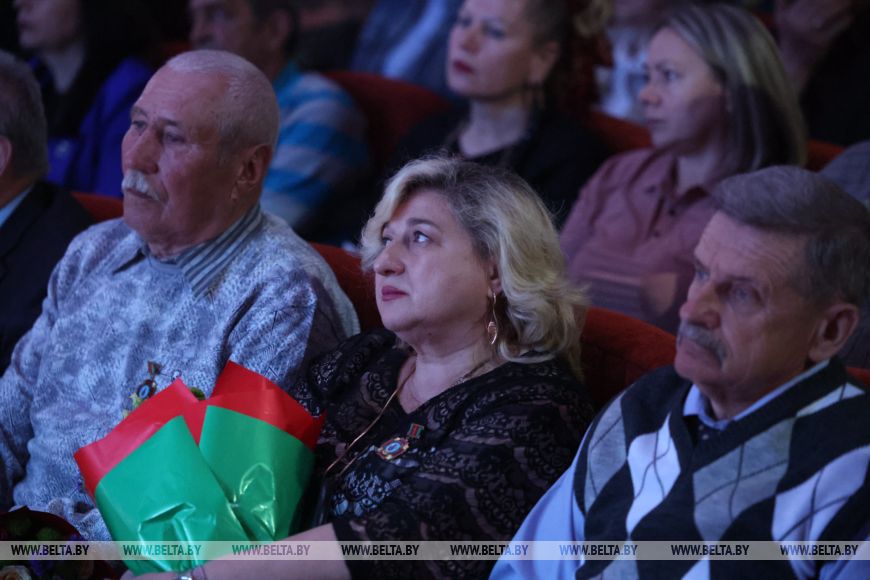
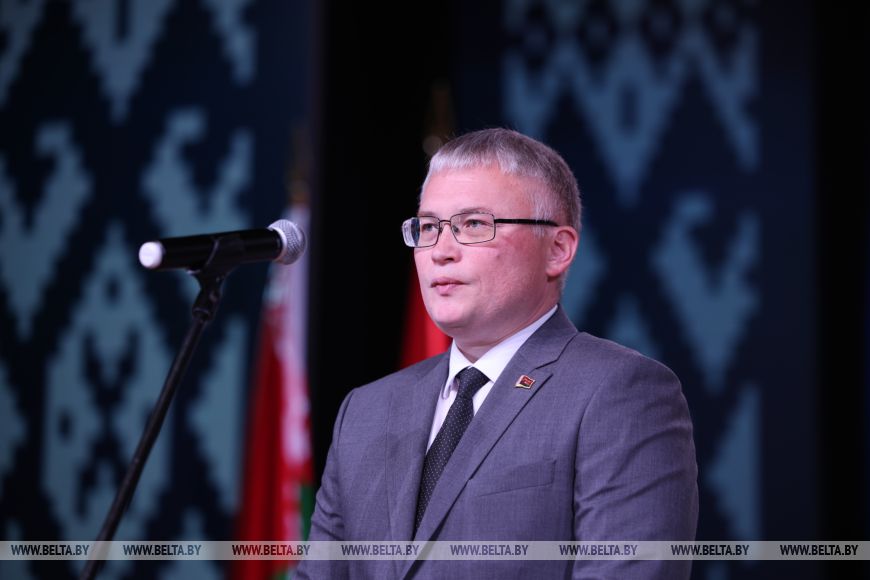
Addressing participants of the event, Deputy Chairman of the Minsk Oblast Executive Committee Aleksandr Ilyasevich noted that those who became liquidators had to make a difficult choice, risking their lives. “And they made that choice, just as our heroic ancestors once did, saving the country and society, fulfilling a task of state importance. We are sincerely grateful to you for your heroic feat and for your conscious choice. Goodness and peace to your families,” he said.
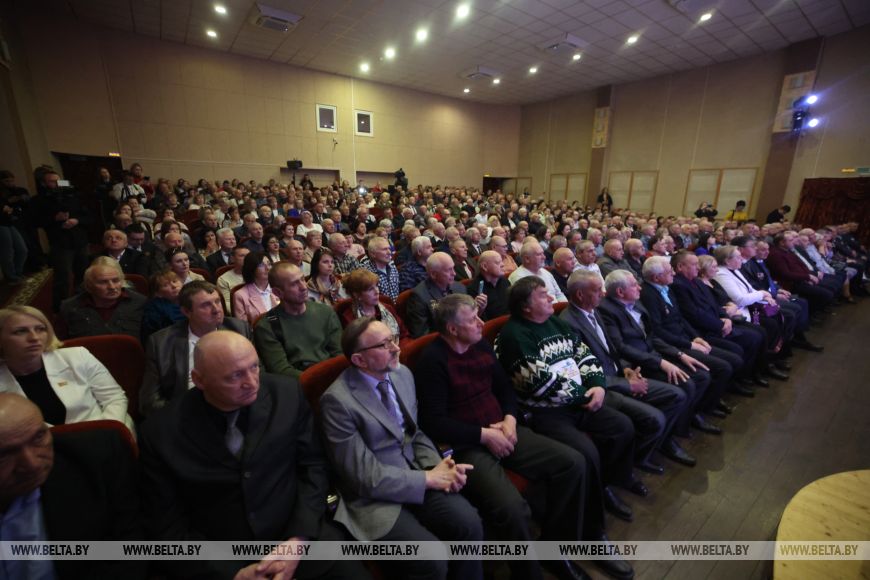
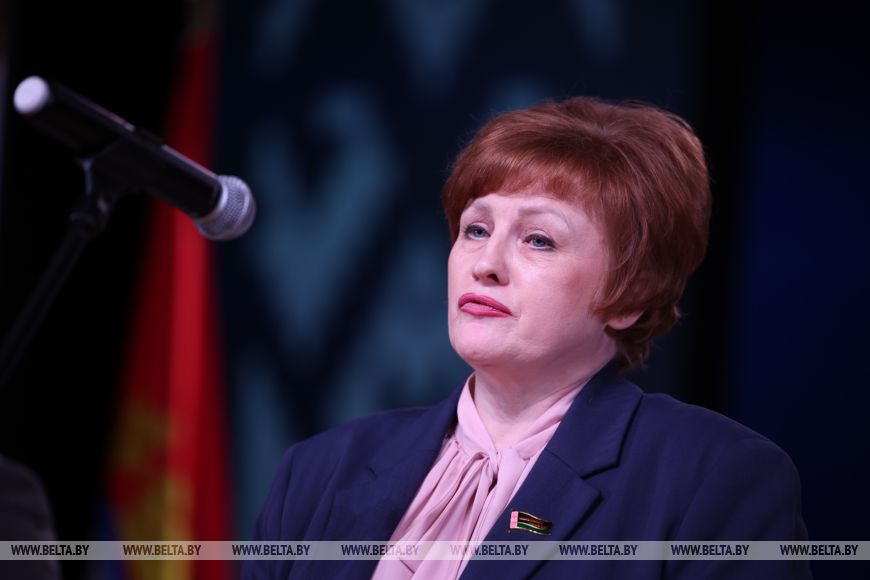
Chairwoman of the Minsk Oblast Council of Deputies Natalya Yakubitskaya emphasized that many families had to change their place of residence after the accident, but in our country everything possible was done to make new cities and towns feel like home for them.
Just like it was done for Nikolai Leonidovich Sivak, who moved from Narovlya to Staryye Dorogi.
“In Gomel Oblast I worked as a driver in an agricultural chemistry enterprise. Of course, the population was in panic. No one understood what to do because radiation makes no sound. But I had served in the chemical troops and felt a tickle in my throat just like during exercises. But we had to live and work. For example, I transported livestock from the exclusion zone on my truck. In Staryye Dorogi we built a house, I moved my family, this is why all of it is in the past,” he said.
Among those who have the status of liquidator is Yevgeny Pavlovich Globash, a former locksmith of the Nesvizh gas utility enterprise.
“As a person liable for military service, I was sent to Chernobyl. We worked in close proximity to the reactor. We had to remove a layer of bitumen at the height of a nine-story building. We worked 20 minutes a day because the radiation levels were off the scale. Then a shower and rest. Physically, it didn’t feel like much. Just a tickle in the throat, mild weakness. I spent 14 days in the reactor zone,” Yevgeny Pavlovich Globash said.
Valery Ivanovich Savich came to Berezino from Zhodino. He is a veteran of the Internal Affairs Ministry and took part in eliminating the consequences of the Chernobyl nuclear power plant accident by maintaining public order in the 30km zone and protecting evacuated territories from looters.
“I ended up in Chernobyl in 1987. First, I helped with the evacuation of the population leaving the exclusion zone. Then I implemented restricted access measures in the exclusion zone, worked at checkpoints,” he said. “We lived in a school building in an evacuated village where 150 people were housed. There were plenty of problems, but that is all in the past. It was our duty. There was no time for reflection. The key thing for me is that in Zhodino we were able to install a memorial sign to participants of the liquidation of the Chernobyl nuclear power plant accident in 2011 and events will also be held there tomorrow.”