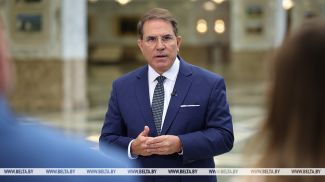
MINSK, 6 April (BelTA) – Belarus has made significant progress in implementing evidence-based public health measures, Sergei Diorditsa, WHO Representative – Head of the WHO Country Office in Belarus told BelTA.
“WHO notes substantial progress by Belarus in implementing evidence-based public health measures. The country is actively using the results of studies conducted in 2016-2020 to develop measures aimed at reducing noncommunicable diseases,” Sergei Diorditsa said. “A consistent tobacco-control policy has already produced noticeable results: the prevalence of smoking among men decreased from 49% in 2016 to 42% in 2020. These measures are an example of effective implementation of WHO recommendations and have contributed to increased life expectancy.”
He emphasized that an especially important step was the inclusion of HPV vaccination in the national immunization schedule starting in 2025. “This decision makes Belarus part of WHO’s global strategy to eliminate cervical cancer as a public health problem and demonstrates the country’s commitment to using scientifically proven and effective preventive measures,” he added.
“WHO highly values Belarus’ cross-sectoral work, particularly initiatives under the Healthy Cities program, which brings together specialists in healthcare, education, urban planning, road safety, and sports, helping create an environment that enables people to lead healthier lives,” Sergei Diorditsa noted.
The WHO representative also highlighted the organization’s successful cooperation with the Belarusian Healthcare Ministry on the Electronic Patient Atlas project based at the National Center for Medical Technologies. “Belarus is also taking into account rapid-impact measures that can reduce mortality from noncommunicable diseases in under five years: smoking cessation supported by medication, the introduction of front-of-pack traffic-light nutrition labeling, and promoting physical activity through smart urban planning,” he said.
“On behalf of the World Health Organization, I would like to express gratitude to the [Belarusian] Healthcare Ministry and all medical workers who contribute every day to creating a healthy environment and advancing evidence-based solutions. WHO remains your reliable partner on the path toward a healthier and more sustainable future for all,” he concluded.