
Irina Abelskaya
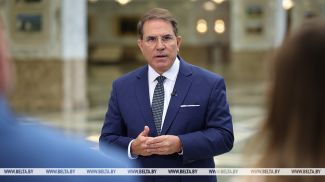
GRODNO, 6 February (BelTA) – Efforts of the monitoring group in charge of inspecting the healthcare system have been summarized in part concerning the state of affairs in Grodno Oblast, BelTA learned from the head of the group, Irina Abelskaya, Chief Physician of the Republican Clinical Medical Center of the Belarus President Property Management Directorate.
The monitoring group set up to inspect the healthcare system upon instructions of the Belarusian president continues working. Since September 2025 its highly qualified and experienced medical specialists have been analyzing the healthcare system in Mogilev Oblast, Minsk Oblast, and Gomel Oblast. The monitoring group is now focusing on Grodno Oblast.
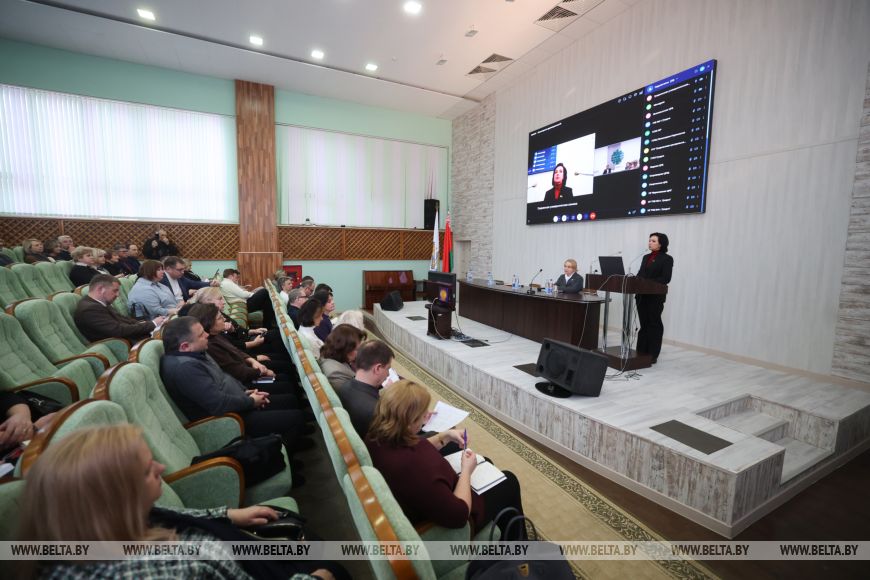
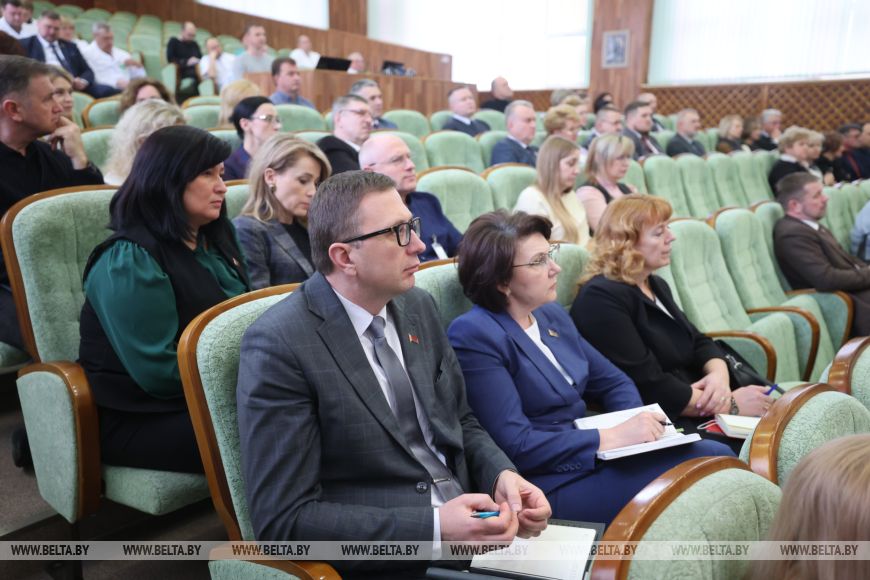
The head of the group, Chief Physician of the Republican Clinical Medical Center of the Belarus President Property Management Directorate Irina Abelskaya noted that the main goal was to evaluate the work of interdistrict centers. There are three such centers in Grodno Oblast: in Ostrovets, Lida, and Volkovysk.
“Our primary focus was on the organization of medical care for patients with acute coronary syndrome and acute cerebrovascular accident. Modern medical equipment has been purchased for the interdistrict centers, angiography rooms have been opened, and specialists have been trained. They are staffed with the appropriate personnel. And they have already started working quite intensively,” said Irina Abelskaya. “I would like to mention the Lida District Central Hospital. There are also those who still need to learn, who still need to gain experience and practical skills.”
According to the group leader, the focus was on multi-level interaction between districts, interdistrict centers, and the city of Grodno. The opportunities for residents of districts, small towns, and villages to use healthcare services were assessed and analyzed. The team looked at their routes to the interdistrict centers and how the roadmaps that exist everywhere today are being implemented. The level of implementation varies. And, of course, how the interdistrict centers refer patients for certain types of medical and diagnostic tests to the oblast level.
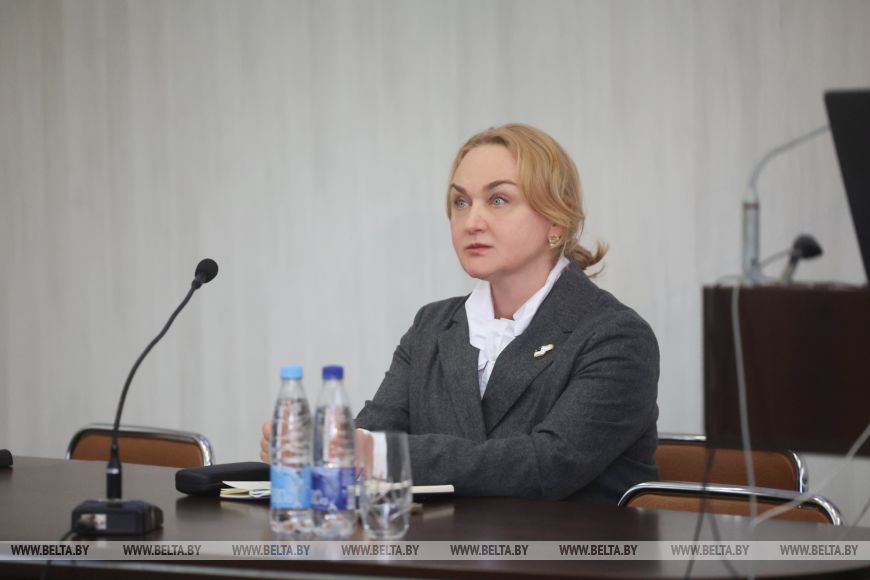
“These stages of interaction are a rather difficult path and a difficult process. A team approach plays a big role in this area. Many questions and comments relate specifically to the organizational aspect. It has been discussed at all levels: with the heads of institutions and with top officials of municipal government agencies that oversee social affairs,” said Irina Abelskaya.
The monitoring group also familiarized themselves with the healthcare system in Grodno, primarily from the perspective of assessing inter-level interaction. And as a whole, they looked at how the city develops, what its plans and prospects are.
“I would say that today it is such a large-scale medical construction project, and the scale is truly impressive. I believe that today Grodno and Grodno Oblast have absolutely every opportunity in terms of material and technical resources, medical equipment, and personnel training, with their own medical university, to bring healthcare in Grodno Oblast to the highest level. To do this, it is necessary to use all available resources effectively and rationally,” said Irina Abelskaya.
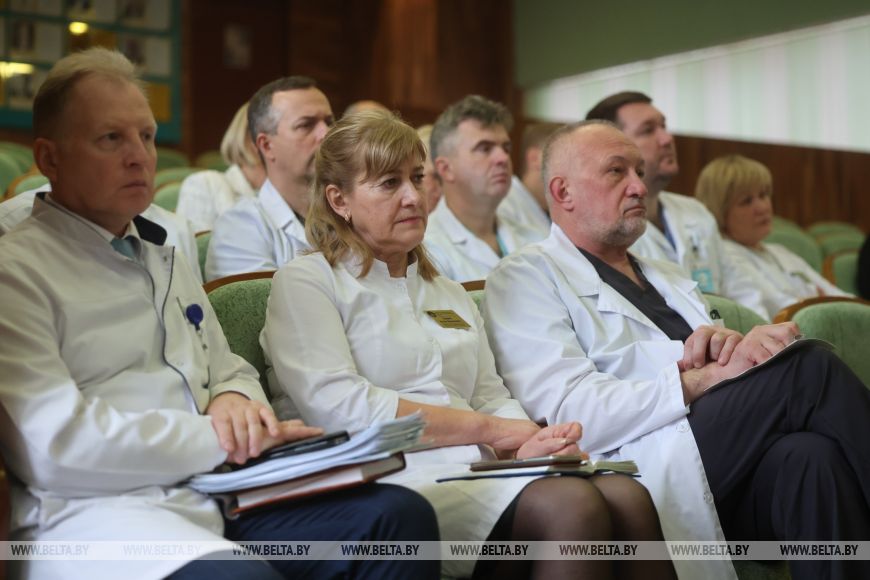
All central district hospitals in Grodno Oblast joined the meeting via video conference.
“Of course, there are systemic issues that affect everyone. At the same time, there has been a very serious change in attitudes towards healthcare and medicine as a whole. Today the material and technical state of healthcare institutions, including their equipment with medical instruments, some of which are expensive, is ahead of the approaches, quality, and levels of medical care provided. We need to place a strong emphasis on professional training at all levels. This is not only the task of educational institutions, not only medical colleges and medical universities. I am talking about the mentor movement, about fostering responsibility for what happens specifically in your department, in your hospital. After all, oblast centers are also organizational and methodological institutions, centers for all the lower-level structures and healthcare institutions. This is where we still have work to do. We have the foundation for this, the tools, and the professionals. If there is a will, a bit more responsibility, a little less formalism, everything will work out,” concluded Irina Abelskaya.
The analysis conducted by the monitoring group allows identifying weak points and finding solutions together, which helps medicine in the regions to steadily move forward.