

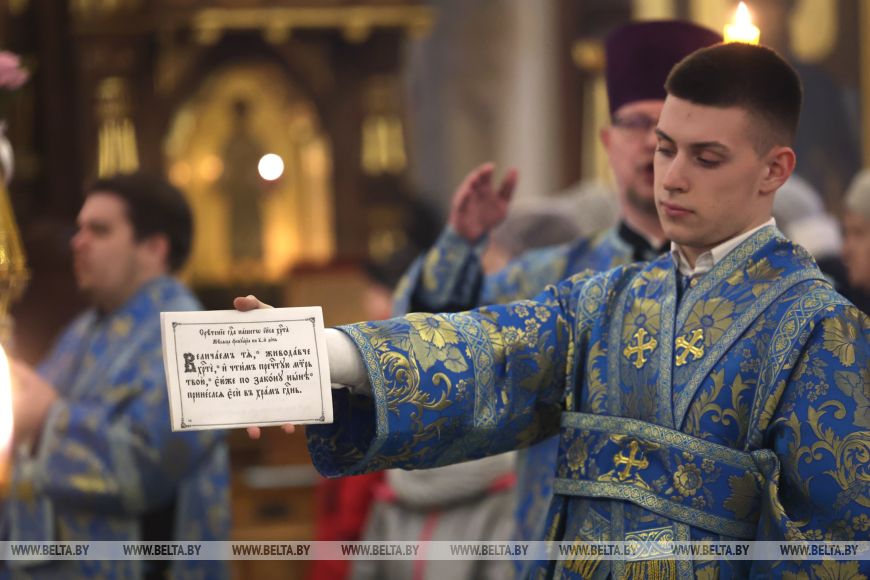
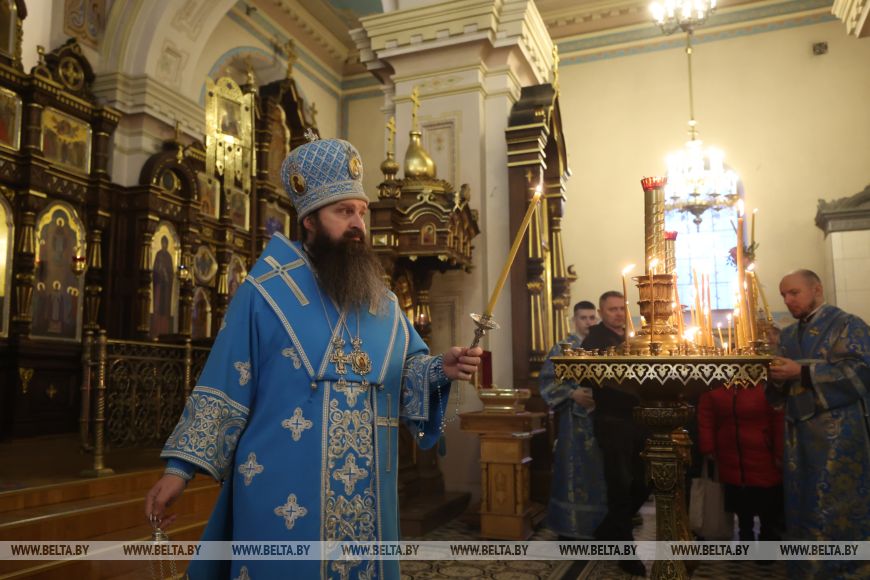
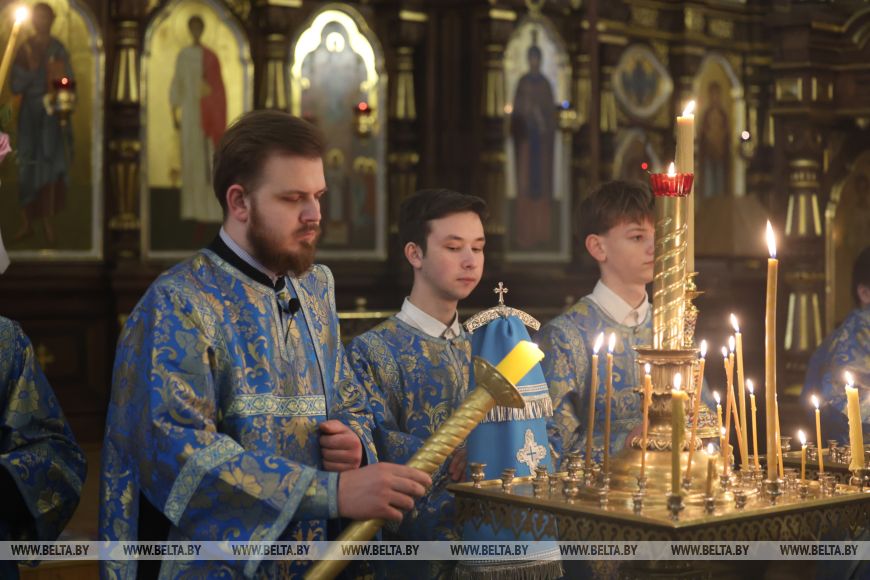
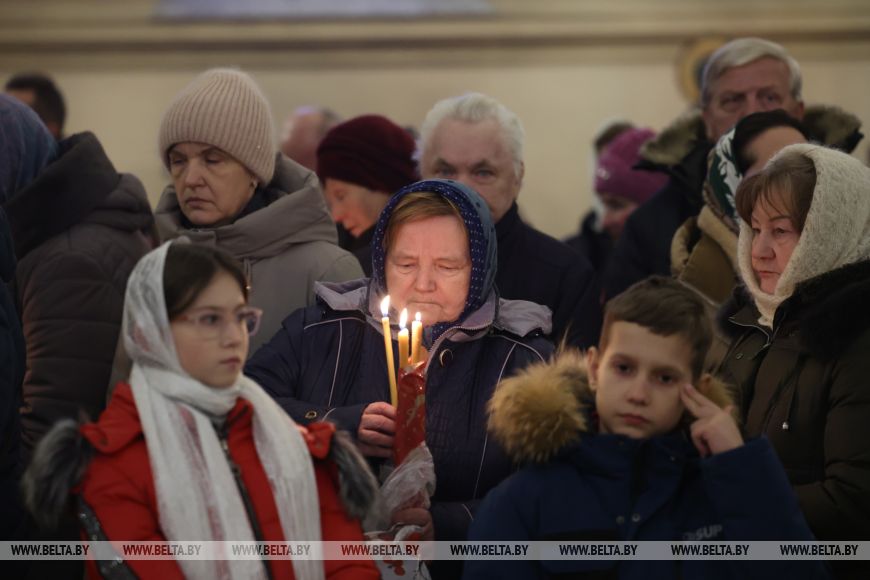
MINSK, 16 February (BelTA) - On Sunday, 15 February the Orthodox Church celebrated the Feast of the Presentation of the Lord Jesus at the Temple. This is one of the great feasts of the Orthodox calendar, standing alongside Christmas and the Epiphany of the Lord.

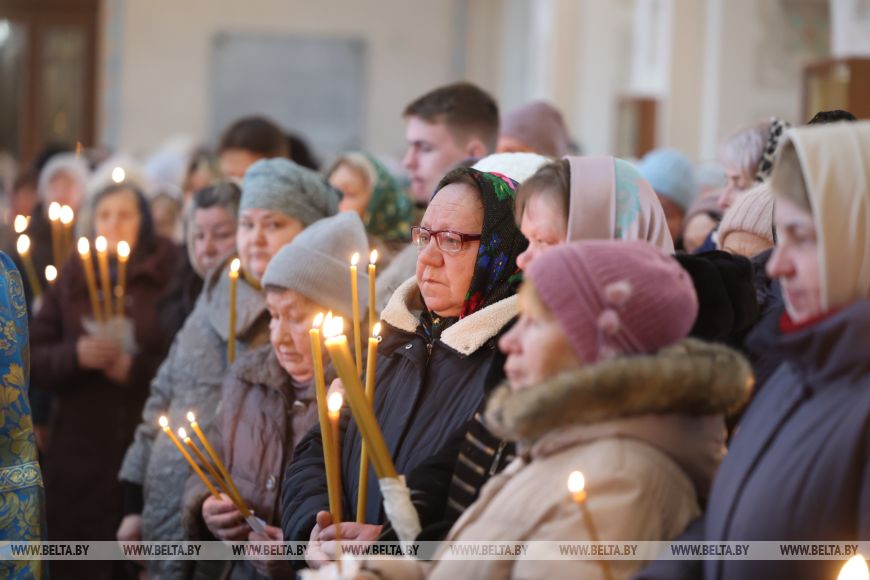 At that time, there lived in Jerusalem a righteous elder named Simeon. He had received a revelation from above that he would not die until he had seen the Savior. Obeying divine inspiration, the righteous elder came to the temple and there he beheld a miracle - the Lord in the form of an infant. Simeon declared Jesus to be the Savior. Turning to the Mother of God, Simeon prophesied to her about Jesus: “This child is destined to cause many in Israel to fall, and many others to rise. He has been sent as a sign from God, but many will oppose him. Yea, a sword shall pierce through thy own soul also.” This meant that the Mother of God would experience great grief for her Son when he would suffer..
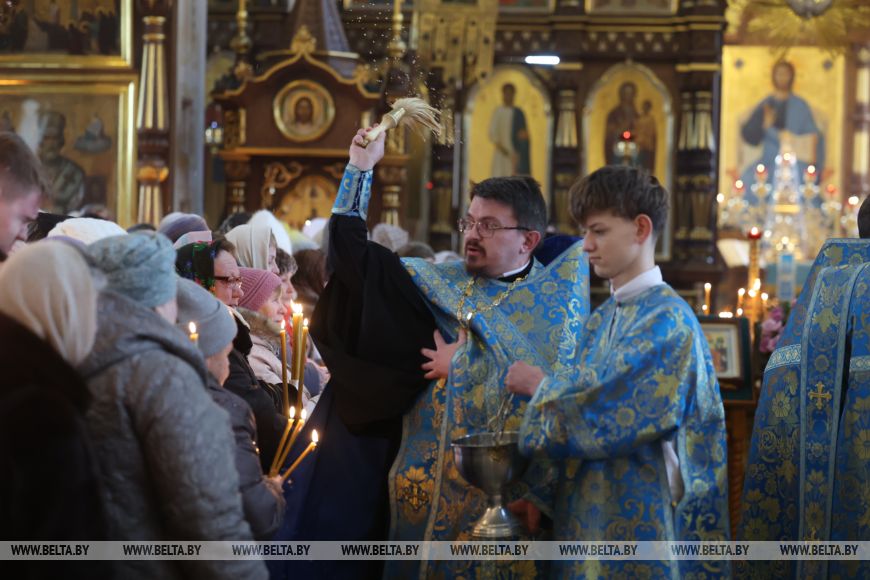
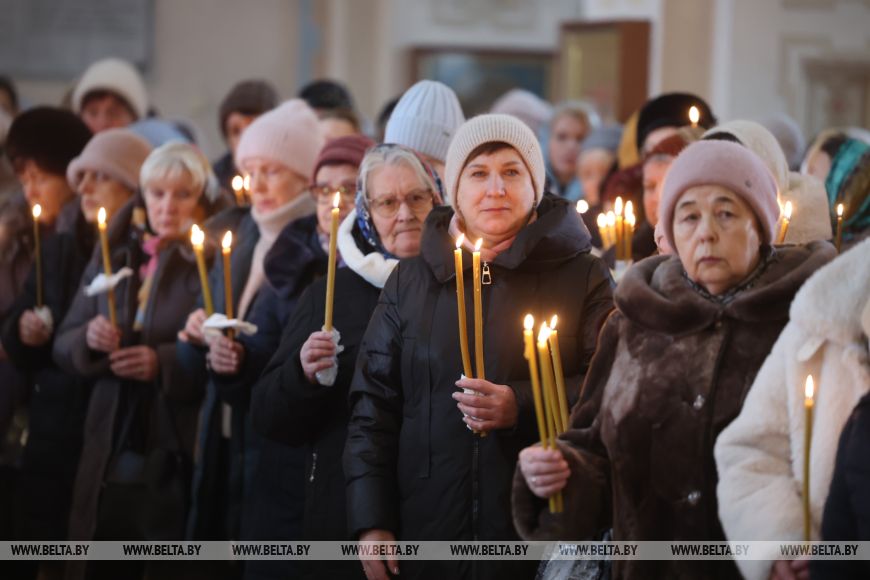
 In memory of these events, the feast was established, which symbolically marks the meeting of the Old and New Testaments, the meeting of God's people with their Savior (Messiah). Translated from Old Slavic, the word “sretenie” means “meeting”.
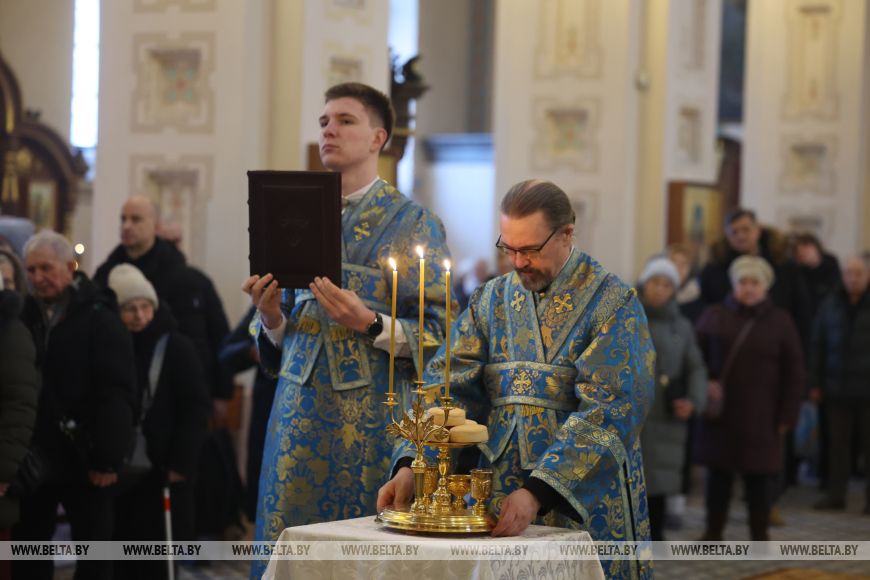
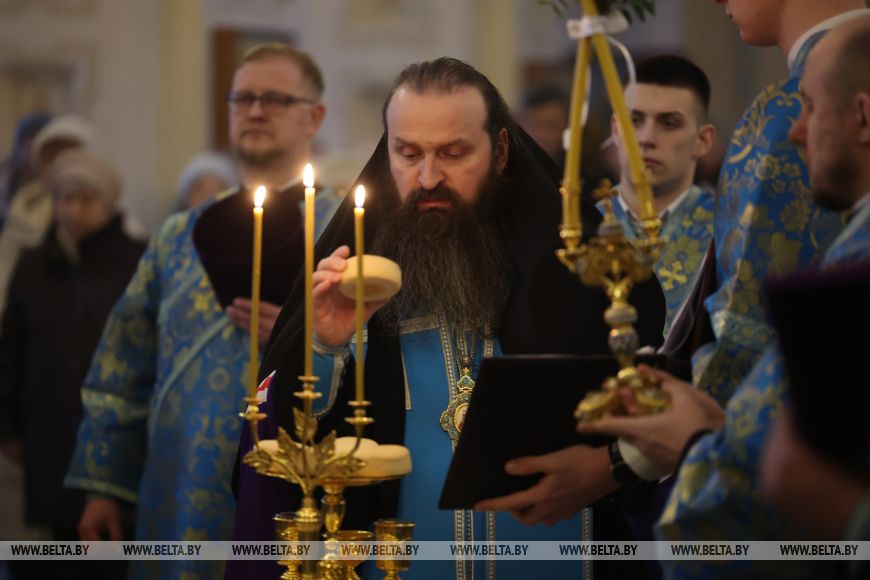
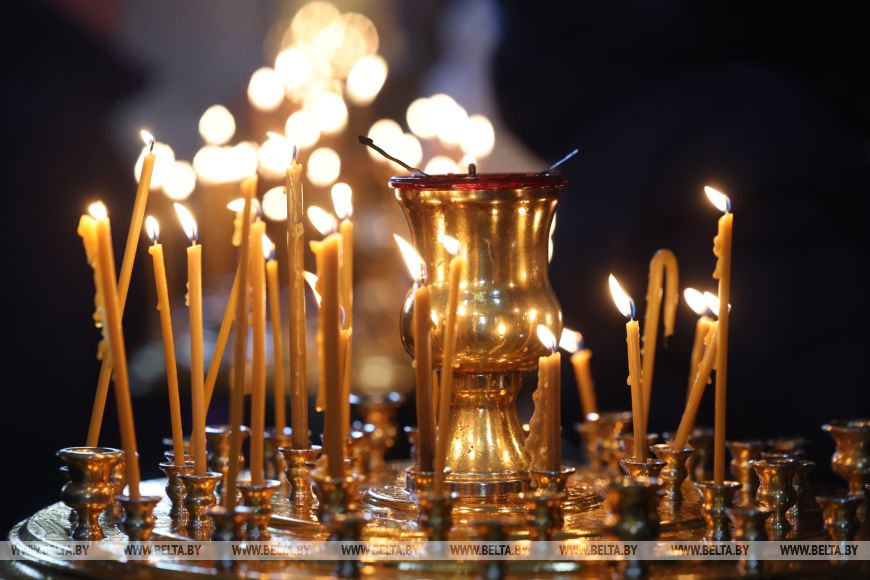
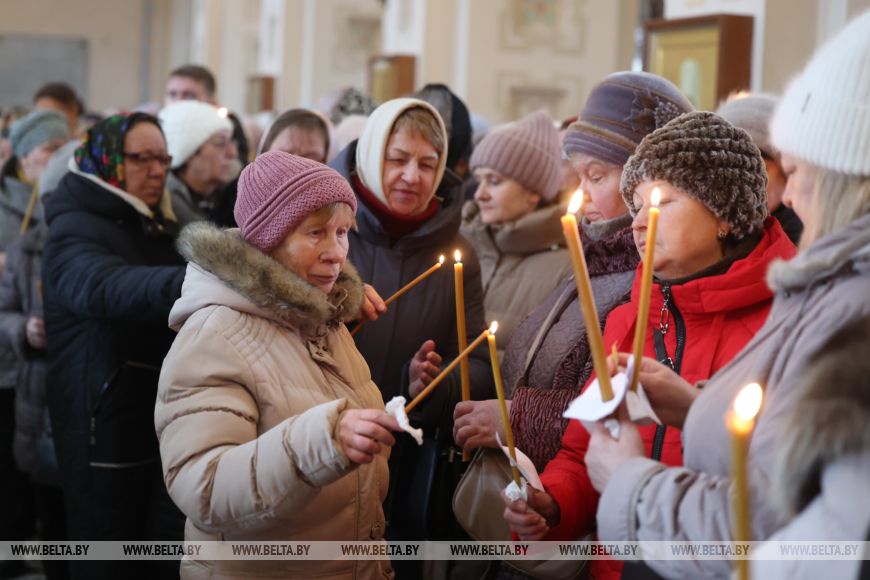
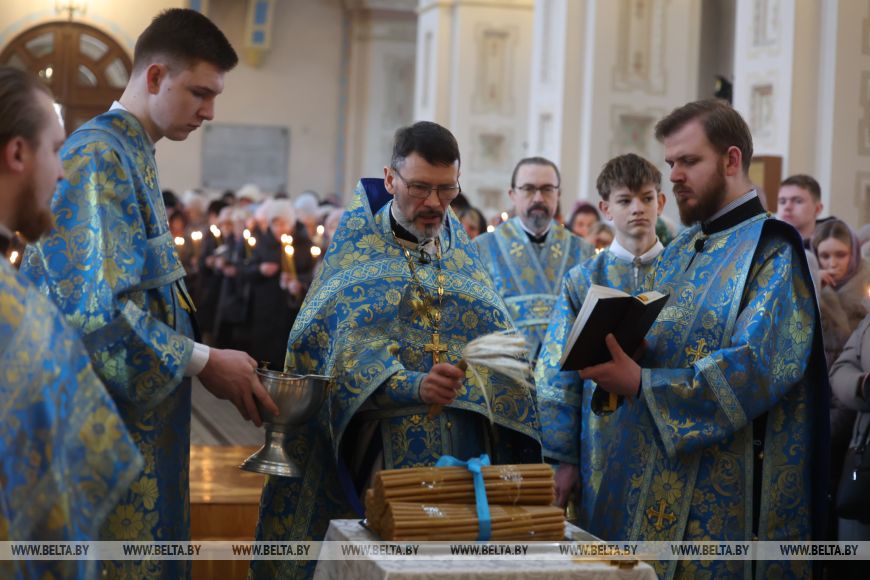
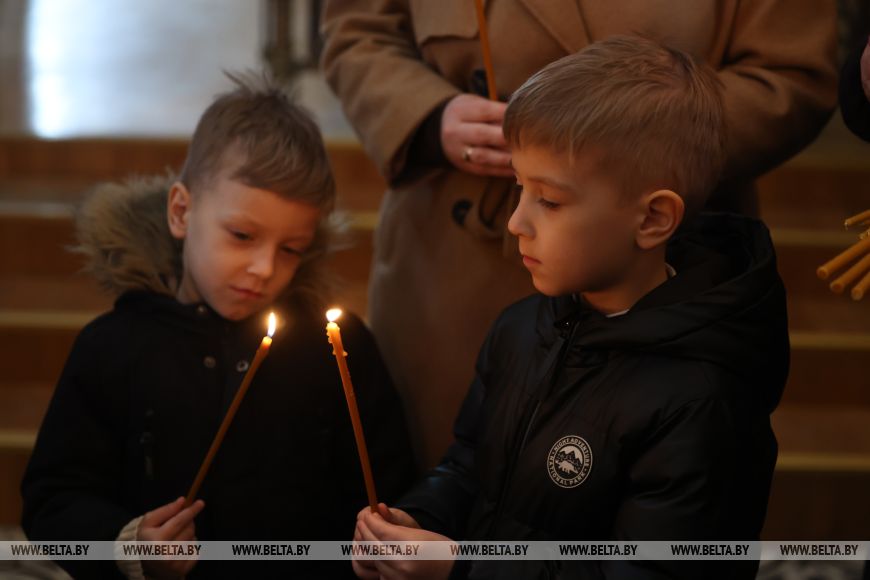
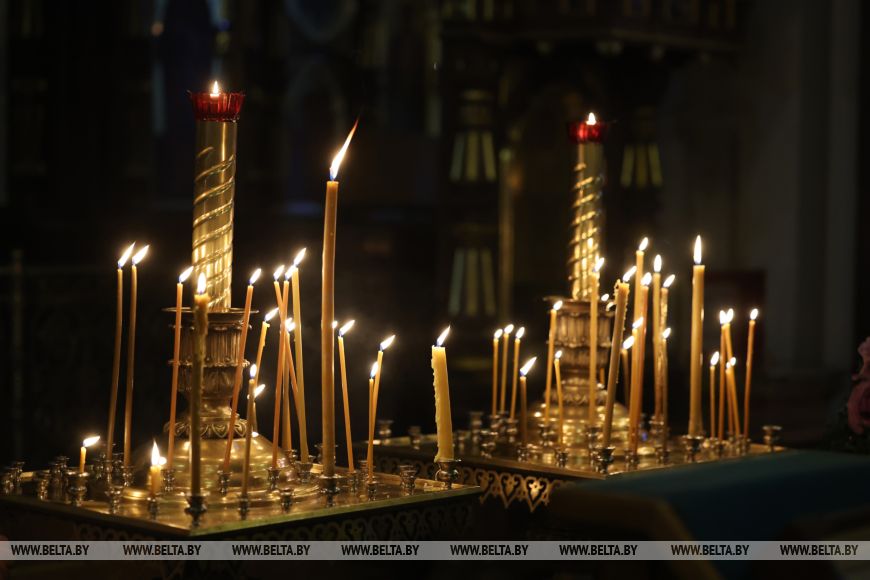
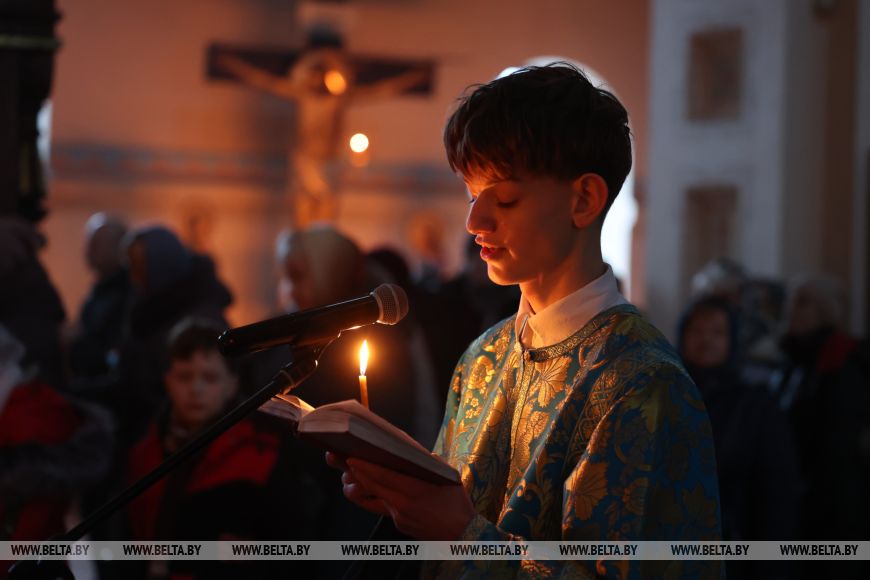 On the day of the Presentation, festive liturgies are held in all churches and candles are blessed. This tradition has its roots in antiquity, when believers organized something like a procession through the city, carrying lit lamps in their hands. On this day, prayers include a request to God that souls, enlightened by the Holy Spirit, may avoid the darkness of sin.
According to Old Testament law, every firstborn male was to be consecrated to God; however, this rite could not be performed until at least 40 days after the boy's birth. The parents were required not only to present the child to God but also to offer a purification sacrifice. In fulfillment of this requirement, Mary and Joseph brought the infant Jesus to the Jerusalem Temple, and for the sacrifice, they chose two young pigeons. The Most Holy Virgin Mary had no need for purification, but out of deep humility, she submitted to the requirement.
At that time, there lived in Jerusalem a righteous elder named Simeon. He had received a revelation from above that he would not die until he had seen the Savior. Obeying divine inspiration, the righteous elder came to the temple and there he beheld a miracle - the Lord in the form of an infant. Simeon declared Jesus to be the Savior. Turning to the Mother of God, Simeon prophesied to her about Jesus: “This child is destined to cause many in Israel to fall, and many others to rise. He has been sent as a sign from God, but many will oppose him. Yea, a sword shall pierce through thy own soul also.” This meant that the Mother of God would experience great grief for her Son when he would suffer..
In memory of these events, the feast was established, which symbolically marks the meeting of the Old and New Testaments, the meeting of God's people with their Savior (Messiah). Translated from Old Slavic, the word “sretenie” means “meeting”.On the day of the Presentation, festive liturgies are held in all churches and candles are blessed. This tradition has its roots in antiquity, when believers organized something like a procession through the city, carrying lit lamps in their hands. On this day, prayers include a request to God that souls, enlightened by the Holy Spirit, may avoid the darkness of sin.
In the Slavic tradition, the Presentation is the day when winter meets spring: “As the weather is on the Presentation, so will spring be.” It is believed that if a thaw sets in on 15 February, then spring will be early and warm, and if the day is cold, then spring will be cold. Snow falling on this day means a long and rainy spring. 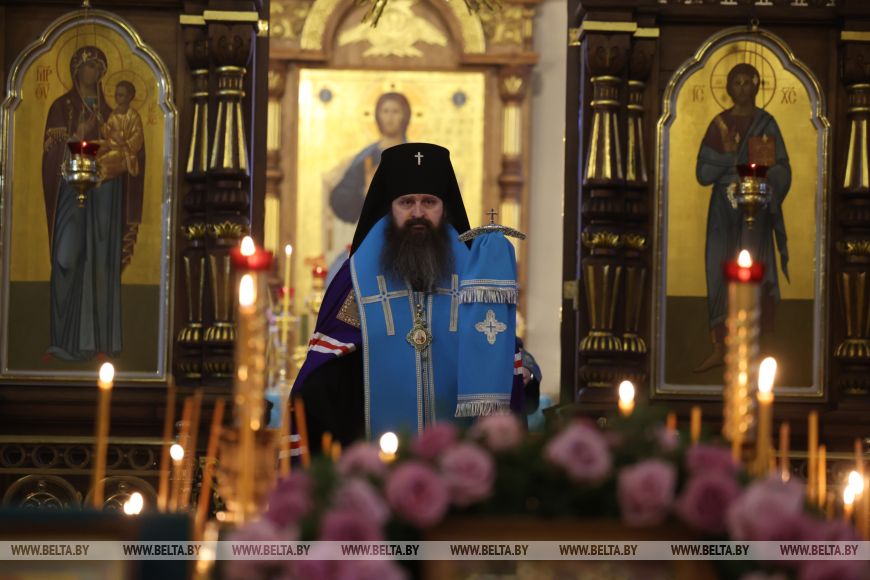
 Photos by Leonid Shcheglov/BelTA
Photos by Leonid Shcheglov/BelTA