
MINSK, 3 May (BelTA) - Director of the Radiobiology Institute at the National Academy of Sciences of Belarus (NASB), PhD in Medical Sciences, Associate Professor Igor Cheshik outlined the scientists’ input in decisions regarding the removal of territories from the contamination zone in a recent episode of BelTA’s Nation Speaks project.
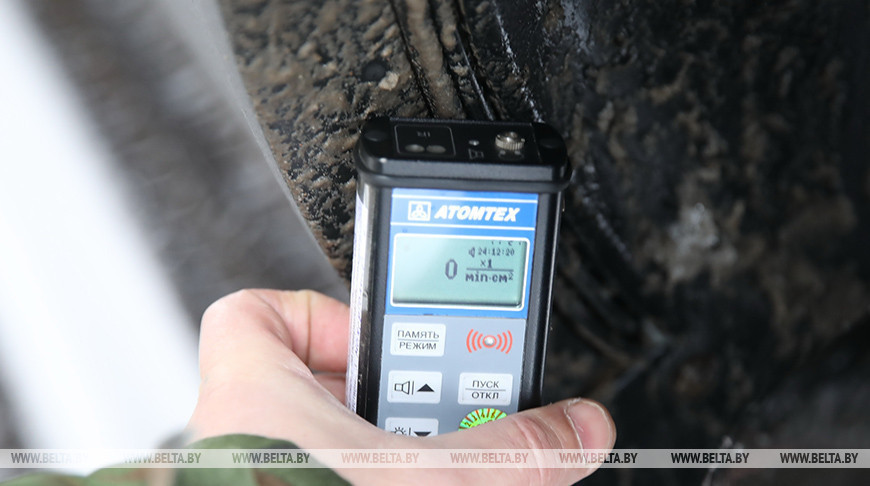
“We are conducting active work in the contaminated areas planned for reintroduction into economic use. We go out to take samples and perform analyses. During the spring-summer season, from early April to late October – early November, our staff work in these areas almost daily. The process is continuous; two or three groups go out simultaneously to different locations, for example, to Bragin District and Khoiniki District, the reserve, and so on, while other specialists are engaged in sample preparation and laboratory research,” Igor Cheshik said.
Scientists are studying everything, including food products, but the priority is soil. “Today, many farms and district administrations are turning to us for a conclusion on the feasibility of bringing lands into agricultural use, taking into account radiation and economic factors,” the director emphasized.
The time required for issuing conclusions depends on the size of the plot and the complexity of the task. However, as a rule, no more than one to two months pass from the moment a farm or district administration submits a request to the issuance of a conclusion on the effectiveness of bringing the land into use, he noted.
“We are conducting active work in the contaminated areas planned for reintroduction into economic use. We go out to take samples and perform analyses. During the spring-summer season, from early April to late October – early November, our staff work in these areas almost daily. The process is continuous; two or three groups go out simultaneously to different locations, for example, to Bragin District and Khoiniki District, the reserve, and so on, while other specialists are engaged in sample preparation and laboratory research,” Igor Cheshik said.
Scientists are studying everything, including food products, but the priority is soil. “Today, many farms and district administrations are turning to us for a conclusion on the feasibility of bringing lands into agricultural use, taking into account radiation and economic factors,” the director emphasized.
The time required for issuing conclusions depends on the size of the plot and the complexity of the task. However, as a rule, no more than one to two months pass from the moment a farm or district administration submits a request to the issuance of a conclusion on the effectiveness of bringing the land into use, he noted.