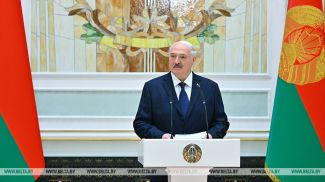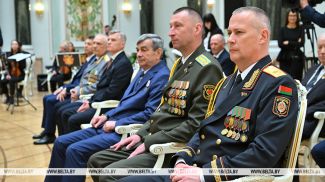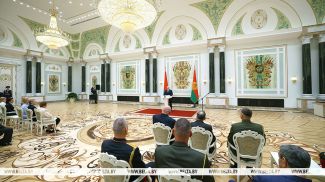
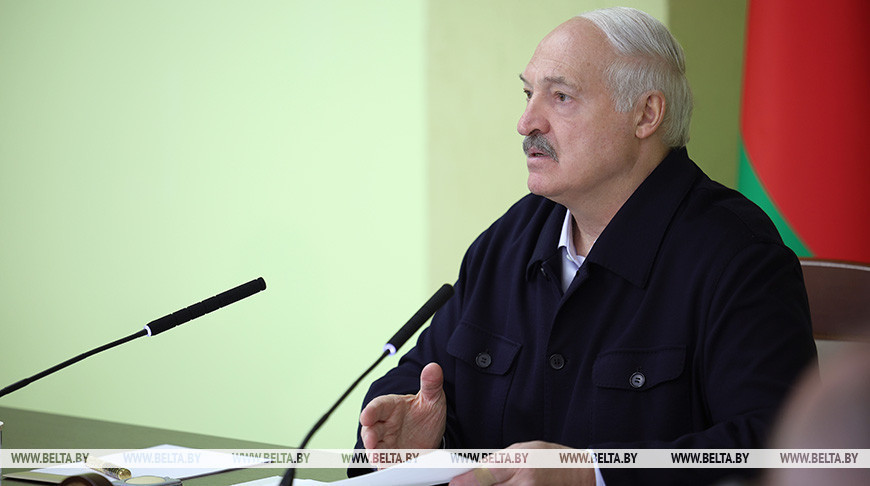
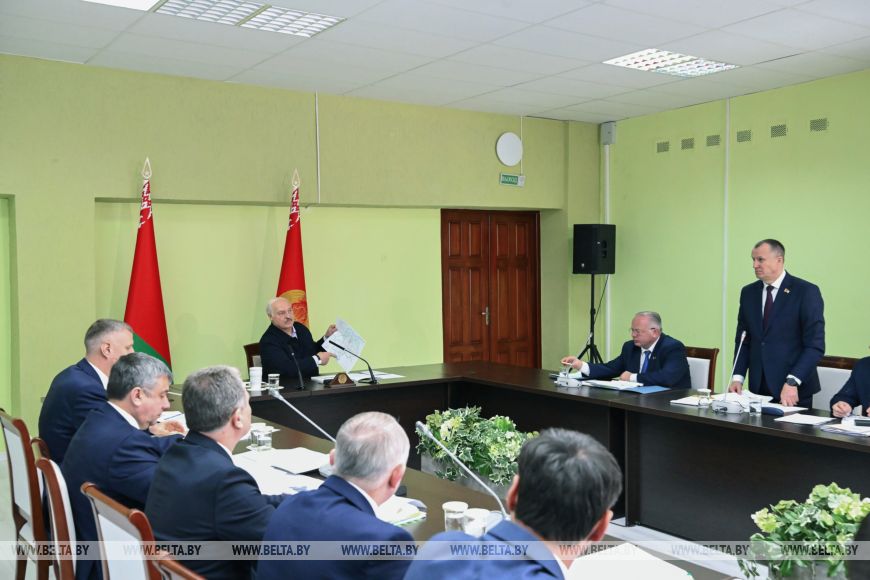
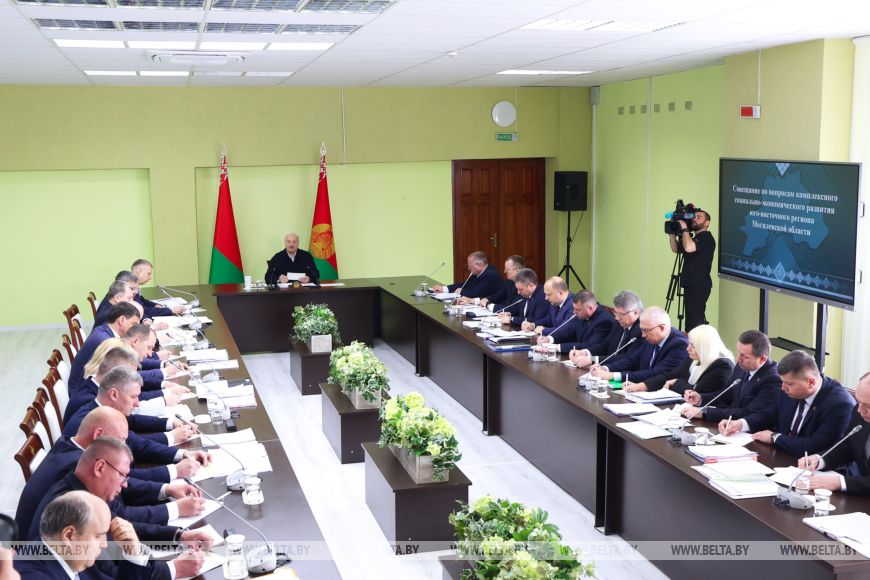
KRASNOPOLYE DISTRICT, 14 April (BelTA) – Belarus President Aleksandr Lukashenko outlined the criteria for maintaining benefits and preferences at a conference held on 14 April to discuss matters of comprehensive social and economic development of Mogilev Oblast’s southeast in 2026-2030, BelTA has learned.
The head of state heard a report from Chairman of the State Control Committee Vasily Gerasimov on problematic matters in the region. According to the head of the State Control Committee, the support program for the southeast of Mogilev Oblast did not work the way it should have in previous years. In particular, the population and the number of people employed in the economy declined. Agricultural production targets were not hit and livestock numbers are declining. In some cases state support exceeds the revenue of the agricultural enterprises getting it. There are also shortcomings in filling modern complexes being built in the region with high-productivity livestock. In response Chairman of the Mogilev Oblast Executive Committee Anatoly Isachenko explained that this process is underway but requires more time.
Among the problems identified by the State Control Committee were mismanagement of agricultural machines and vehicles, improper storage and repair of equipment, and a lack of machine operators assigned to expensive modern tractors and harvesters contrary to the president’s demand. In turn, Anatoly Isachenko explained that such cases are isolated and not widespread. Strict measures are being taken in each instance.
Vasily Gerasimov also noted the absence of visible results in the manufacturing sector and the incomplete achievement of the goal to create new breakthrough high-income manufacturing facilities. “The regions lack new ideas and initiatives. The thinking on the ground is almost exclusively the same: ‘If it weren’t for the program, things would be even worse’. Some voices even call for greater state support: ‘If only the state budget would allocate funds not only for equipment but also for its repair’.” the head of the State Control Committee said as he concluded his report.
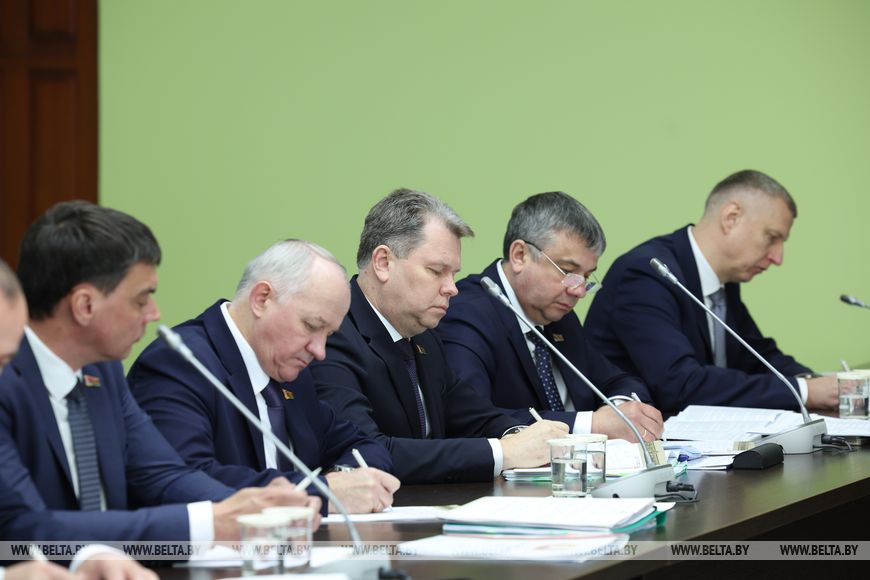
Finance Minister Vladislav Tatarinovich confirmed in his report that people on the ground call for keeping the benefits provided under previous decrees on the development of the southeast of Mogilev Oblast, including reduced income tax rates and contributions to the social protection fund. According to the minister, the existing benefits did not produce an effect in previous periods. “We examined the situation across the country. No other region applies such benefits in the form of reduced tax rates. The program ended in 2025. There is no need to establish such preferences for the next five years. They do not produce results,” he said.
“Of course, if they don’t work, why establish them?” Aleksandr Lukashenko agreed.
Another aspect discussed at the conference was the implementation of investment projects using funds from the Development Bank and the use of budget transfers for this purpose.
According to the finance minister, a new form of financial support was tested in the southeastern region of Mogilev Oblast: instead of lowering interest rates or writing off part of the principal debt, a transfer from the state budget amounting to 20% of the costs is provided upon project completion and commissioning, with an additional 15% upon reaching full output capacity. In total, 35% of the costs are reimbursed through budget transfers. “These expenses are covered by the republican budget. However, the project implementer receives them for a specific purpose: to repay the Development Bank loan,” the minister clarified.
“Having tested this mechanism here, we began applying the same form of support in the form of budget transfers to projects in the agricultural sector as a whole. They work well over there. We will continue using this form of support within the framework of implementation of investment projects,” he added.
The Finance Ministry proposes extending this support system to the southeast of Mogilev Oblast for the period 2026-2030. The list of projects eligible for budget transfers will be approved by the Council of Ministers upon the recommendation of the Mogilev Oblast Executive Committee, and only efficient, cost-effective projects will be included.
The president agreed with this approach as a whole.
“The key thing is that this should not be a blanket approach, not a general benefit,” the head of the State Control Committee interjected.
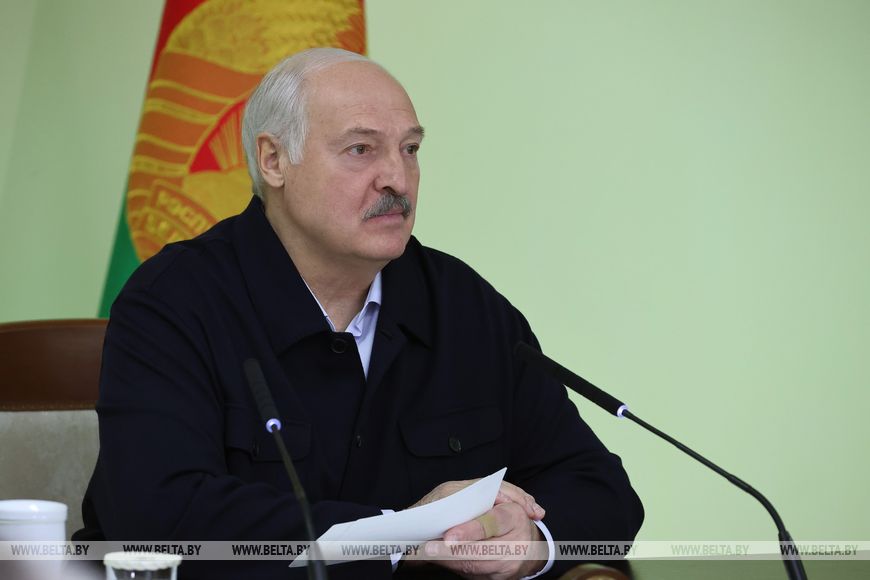
“Only for specific projects,” Aleksandr Lukashenko clarified. “Under no circumstances, Vladislav [Tatarinovich]. When I was appointing you, I said: keep all the money in your fist.” The main criteria outlined by the president are profitability of the proposed projects and the availability of target markets. Speed of implementation is also important as long as the relevant market conditions persist.
The president promised state support for such projects but noted that no blanket benefits should be expected. “35% [of the project costs in the form of a budget transfer] is a substantial sum, a substantial benefit. This is clearly for specific projects. We will discuss this and make an appropriate decision,” Aleksandr Lukashenko said.