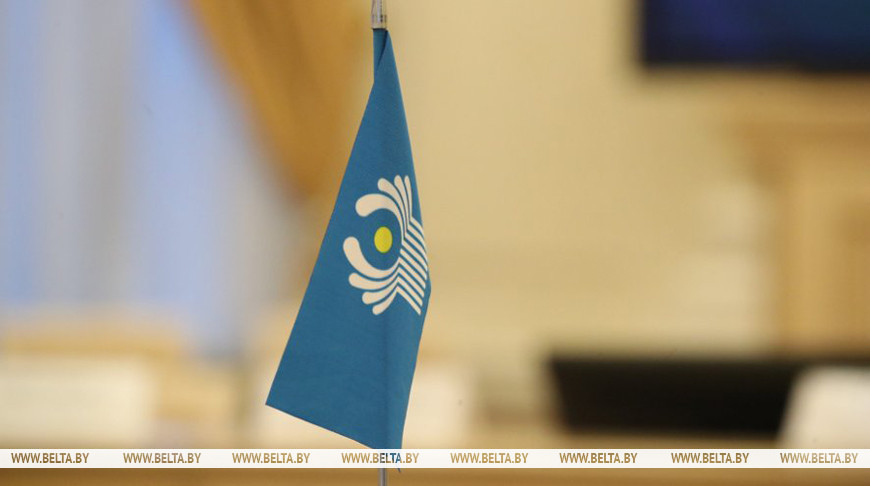
MINSK, 13 November (BelTA) – Minsk hosted the sixth meeting of the Commission of Commissioners for Children’s Rights (ombudsmen) of CIS member states on 13 November. Participating in the event were representatives of government bodies and institutions, staff of the commissioners’ offices from Armenia, Belarus, Kazakhstan, Kyrgyzstan, Russia, Tajikistan, and the CIS Executive Committee, BelTA reports.
At the meeting, the composition of the Children’s Council under the Commission and its work plan were approved. Aleksandr Matyushonok, Commission Chair, Head of the Department of Social, Educational, and Ideological Work of the Main Directorate for Educational Work and Youth Policy of the Belarusian Education Ministry, noted that the creation of the Children’s Council will help strengthen CIS cooperation on children’s rights. “At the previous meeting we jointly decided to establish a Children’s Council under the Commission of Commissioners for Children’s Rights of CIS member states. It will be able to cooperate with our Commission, make proposals on protecting children’s rights, discuss pressing issues, and most importantly, enhance youth interaction in this area across the CIS,” he said.
“Each state has nominated two candidates. Tomorrow the first joint meeting will be held, where we will outline the plan of joint work,” he emphasized. “Young leaders will present youth policy in their countries, projects and initiatives they are involved in, and address issues of cooperation: where they can intersect and what joint events can be organized.”
Presidential Commissioner for Children’s Rights in Russia Maria Lvova‑Belova noted that children’s councils have long been operating under each regional commissioner in the country. “We realized that this is a very effective tool. It is important for us to hear children’s opinions and understand what concerns and interests them,” she added.
During the session, members of the commission discussed issues related to a values-oriented approach to child upbringing, the organization of children’s recreation and health improvement, work with minors in conflict with the law, the development of family-based forms of care for orphans, and problems faced by children engaged in begging and vagrancy.