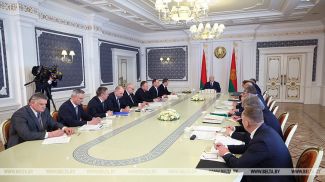
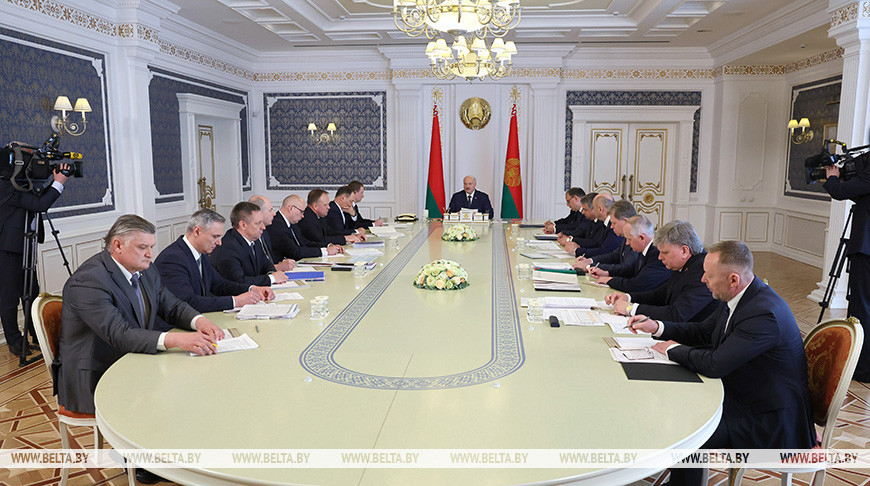
MINSK, 5 May (BelTA) - Belarusian President Aleksandr Lukashenko convened a meeting with the Council of Ministers to discuss a number of draft legal acts on 5 May, BelTA has learned.
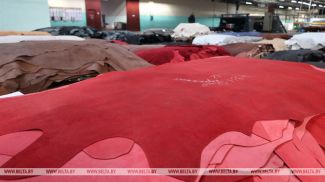
The focus was on financial issues related to the development of the cement industry, Svetlogorsk Pulp and Cardboard Mill, and Orsha Meat Canning Plant along with its raw material zone under the management of Agrokombinat Dzerzhinsky.
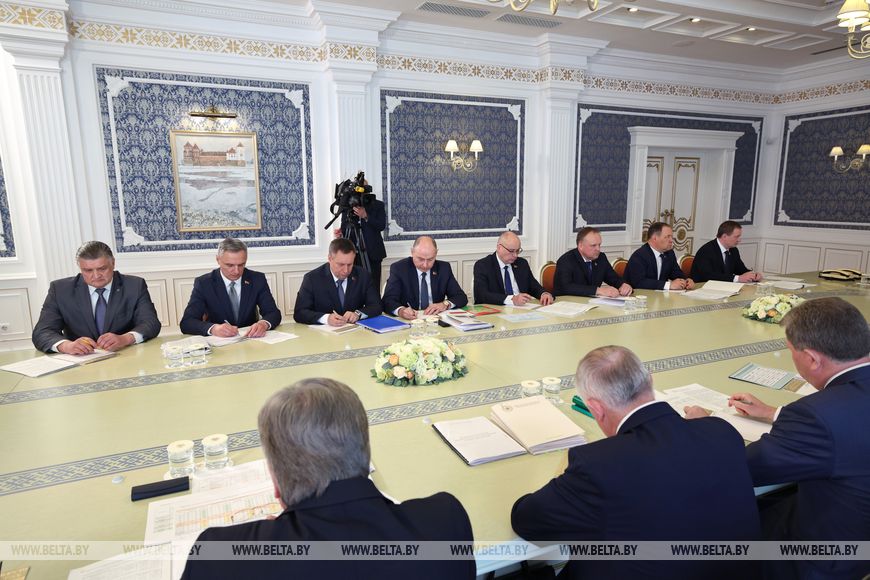
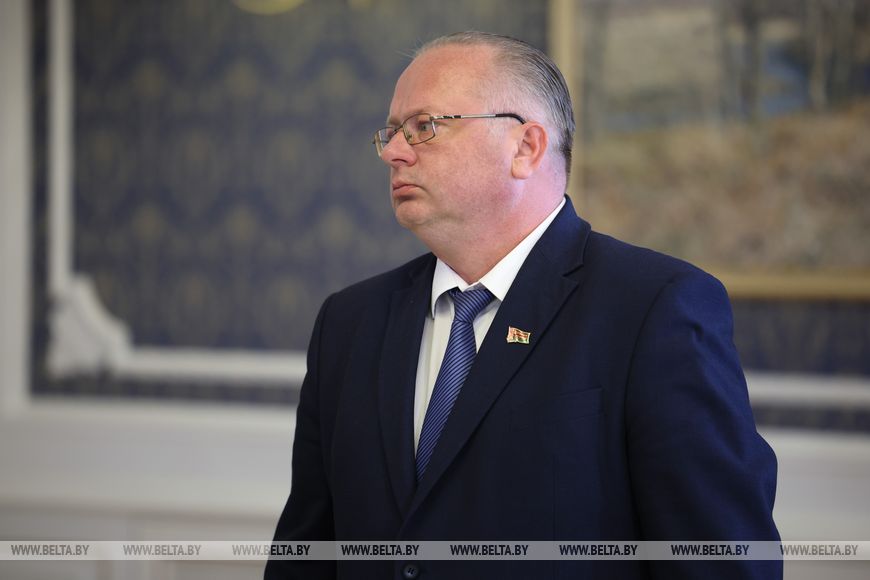
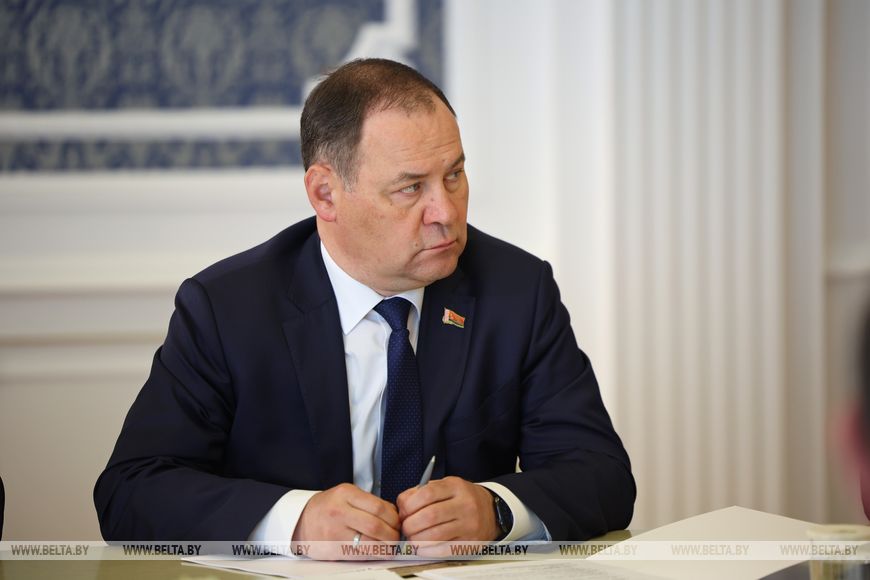
The meeting participants included the prime minister and deputy prime ministers, the heads of the State Control Committee and the National Bank, as well as several ministers and governors.
“There are three items on the agenda that hold certain significance for our economy,” the Belarusian leader emphasized.
 “Frankly speaking, I am wary of this stream of requests for benefits and ‘perks,’ especially following the appointment of the new prime minister. I wouldn’t want to think, Aleksandr Genrikhovich [Prime Minister Aleksandr Turchin], that you are launching some kind of new policy this way: giving out this and that. It is all clear: exchange rate differences and so on… Once a director has taken charge of an enterprise, they should just work hard, and give it their all,” the president said. “It’s always some benefits, budget funds, and so on. And you start explaining it to me in these elaborate ways, asking me to ‘understand the situation.’ My fear is that the government might adopt such a course, if it hasn’t already. This urge to always help someone, to write something off… Maybe some do need help, but only if the state needs it. We must ensure this doesn’t become the norm.”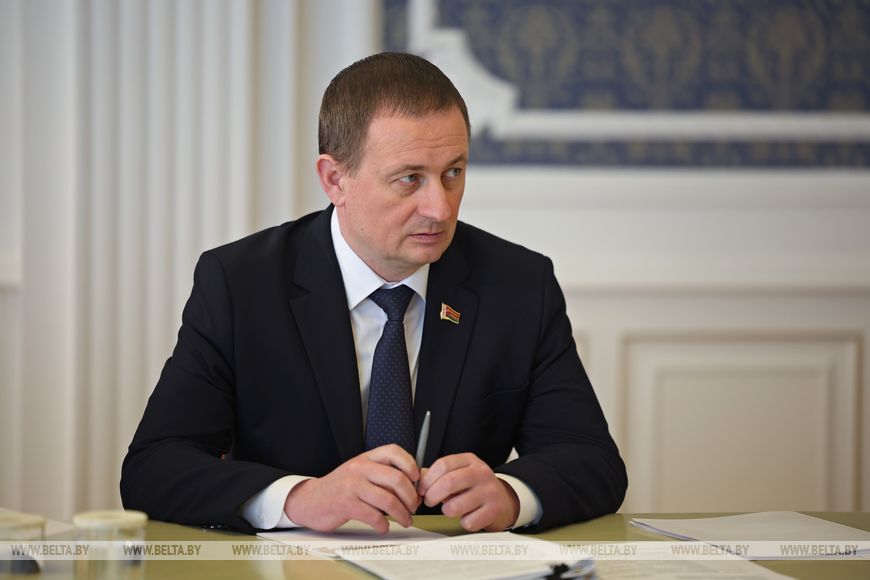
 “We put people in there. Go and push, work hard, deliver results under the conditions that exist today. What do you mean we have to help some and not others? Everyone should work under equal conditions,” Aleksandr Lukashenko added.
The focus was on financial issues related to the development of the cement industry, Svetlogorsk Pulp and Cardboard Mill, and Orsha Meat Canning Plant along with its raw material zone under the management of Agrokombinat Dzerzhinsky.
The meeting participants included the prime minister and deputy prime ministers, the heads of the State Control Committee and the National Bank, as well as several ministers and governors.
“There are three items on the agenda that hold certain significance for our economy,” the Belarusian leader emphasized.
On restructuring the debt of cement industry organizations
The government has submitted a draft decree on restructuring the debt of cement industry organizations.
“Frankly speaking, I am wary of this stream of requests for benefits and ‘perks,’ especially following the appointment of the new prime minister. I wouldn’t want to think, Aleksandr Genrikhovich [Prime Minister Aleksandr Turchin], that you are launching some kind of new policy this way: giving out this and that. It is all clear: exchange rate differences and so on… Once a director has taken charge of an enterprise, they should just work hard, and give it their all,” the president said. “It’s always some benefits, budget funds, and so on. And you start explaining it to me in these elaborate ways, asking me to ‘understand the situation.’ My fear is that the government might adopt such a course, if it hasn’t already. This urge to always help someone, to write something off… Maybe some do need help, but only if the state needs it. We must ensure this doesn’t become the norm.”“That is why I frequently demand reports from both the State Control Committee and the chairman of the National Bank’s Board on various issues to ensure we are all on the same page. We have a new prime minister, but the president remains the same. It is the president who defines the course, and that course must be followed. Yet, time and again, I see requests for debt restructuring, such as for the cement industry organizations. What does ‘debt restructuring’ mean? I understand what you are proposing, but I have always emphasized: we must make the executives work. If you’ve taken the job, get it done,” the Belarusian leader stressed.
“We put people in there. Go and push, work hard, deliver results under the conditions that exist today. What do you mean we have to help some and not others? Everyone should work under equal conditions,” Aleksandr Lukashenko added.
The head of state recalled that Belarus carried out a large-scale modernization of its cement production facilities back in 2012–2013. At the time, about $1 billion was spent on this. “And what? Did the cement producers pay for that with their own money?” the president said. “Six years ago, a decision was made to restructure the debt of these organizations, repayment was stretched out until 2049. Six years have passed, and we are back to this issue again. That is why such proposals alarm me.”
Now, the proposal is to convert the foreign currency debt of the cement enterprises into Belarusian rubles and accelerate the repayment schedule, moving it from 2029 up to 2026.
“Maybe you are right. But, I repeat, what alarms me is that today the heads of these cement plants are sitting comfortably at the same table with the president, feeling that they are in the right,” Aleksandr Lukashenko said.