
Photo: stevanovicigor / iStock
MOSCOW, 4 May (BelTA - TV
BRICS) - Researchers at Saint Petersburg State University, a partner of
TV BRICS, have developed a new class of nanoscale drug carriers designed
to enhance treatment for patients with chronic diseases, including
cardiovascular conditions, cancer, respiratory illnesses, and diabetes.
The innovation aims to address a major challenge in long-term therapy: the need for frequent medication intake, which can increase the risk of side effects and reduce patients’ quality of life. The newly engineered nanoparticles allow medicines to be released gradually into the bloodstream, ensuring a more stable and controlled therapeutic effect, as reported by the official website of the University.
The research team created the particles using hydroxyapatite - a naturally occurring compound found in human bones and teeth - which offers high biocompatibility. This material can be combined with various molecular compounds, making it suitable for transporting drugs within the body.
According to the scientists, the technology enables prolonged drug action, potentially reducing the frequency of medication intake from several times a day to a single dose. This could significantly improve patient adherence to treatment and overall clinical outcomes.
The ultra-small size of the nanoparticles allows for the slow release of active substances in microdoses, providing a more gradual onset of therapeutic effects and lowering the likelihood of adverse reactions. The approach is particularly relevant for elderly patients, who often require multiple medications simultaneously, placing additional strain on the liver.
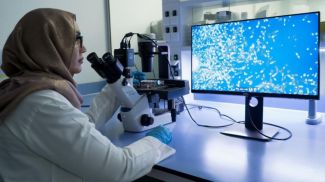
The researchers have already tested a prototype delivery system using hydroxyapatite nanoparticles combined with a biodegradable matrix. Laboratory simulations of the human digestive system confirmed that the active substance is released in a controlled and sustained manner.
The team also emphasised that the system can be adapted to different types of drugs and dosing regimens, offering flexibility for a wide range of medical applications. Importantly, the synthesis process does not require complex or expensive equipment, making large-scale production feasible.
The innovation aims to address a major challenge in long-term therapy: the need for frequent medication intake, which can increase the risk of side effects and reduce patients’ quality of life. The newly engineered nanoparticles allow medicines to be released gradually into the bloodstream, ensuring a more stable and controlled therapeutic effect, as reported by the official website of the University.
The research team created the particles using hydroxyapatite - a naturally occurring compound found in human bones and teeth - which offers high biocompatibility. This material can be combined with various molecular compounds, making it suitable for transporting drugs within the body.
According to the scientists, the technology enables prolonged drug action, potentially reducing the frequency of medication intake from several times a day to a single dose. This could significantly improve patient adherence to treatment and overall clinical outcomes.
The ultra-small size of the nanoparticles allows for the slow release of active substances in microdoses, providing a more gradual onset of therapeutic effects and lowering the likelihood of adverse reactions. The approach is particularly relevant for elderly patients, who often require multiple medications simultaneously, placing additional strain on the liver.
The researchers have already tested a prototype delivery system using hydroxyapatite nanoparticles combined with a biodegradable matrix. Laboratory simulations of the human digestive system confirmed that the active substance is released in a controlled and sustained manner.
The team also emphasised that the system can be adapted to different types of drugs and dosing regimens, offering flexibility for a wide range of medical applications. Importantly, the synthesis process does not require complex or expensive equipment, making large-scale production feasible.