
My Belarus exhibition will be running from 19 December to 23 February at the Minsk International Exhibition Center, turning the venue into the epicenter of modern Belarus. Throughout this time, citizens and visitors alike have the opportunity to discover innovations, uncover cultural treasures, and experience a complete immersion in the nation’s accomplishments. Spanning eight themes from Driver of the Economy and Progressive Medicine to Sports Olympus and Smart Agriculture, the exhibition is further complemented by regional tourism displays, immersive installations on the seasons, and a grand cultural lineup. This is not just an exposition but a high-tech journey into tomorrow, and every Belarusian will take away a piece of pride for their homeland. Here, we share what’s new in this year’s exhibition program and how to get there.
My Belarus: installations, innovations, inspiration
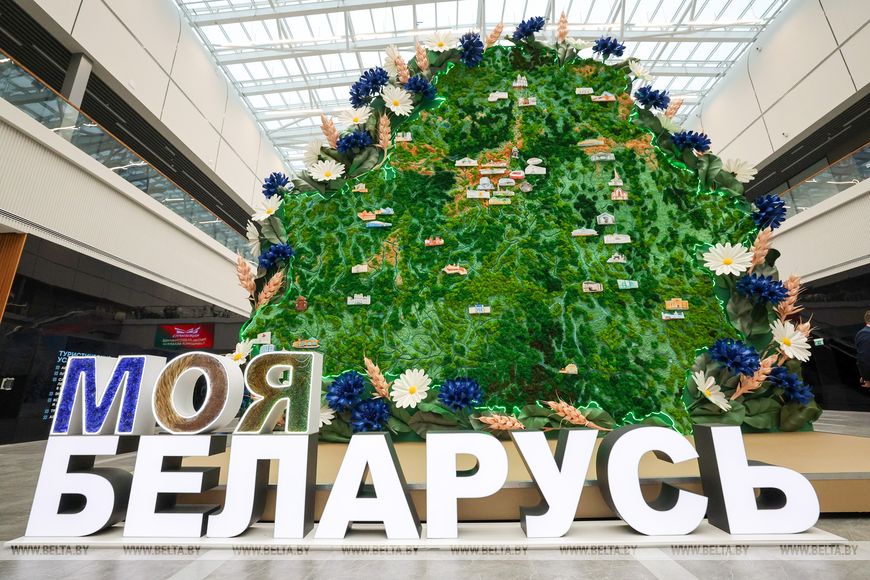
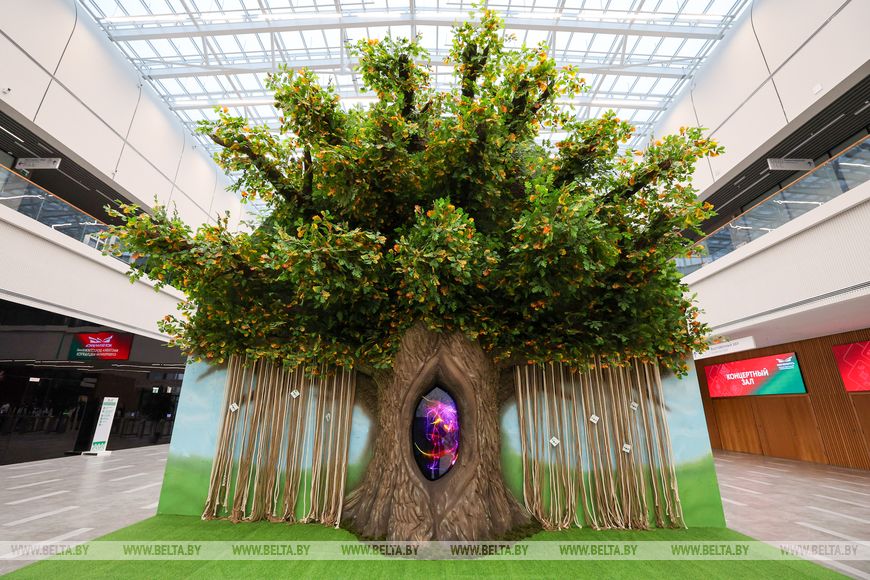
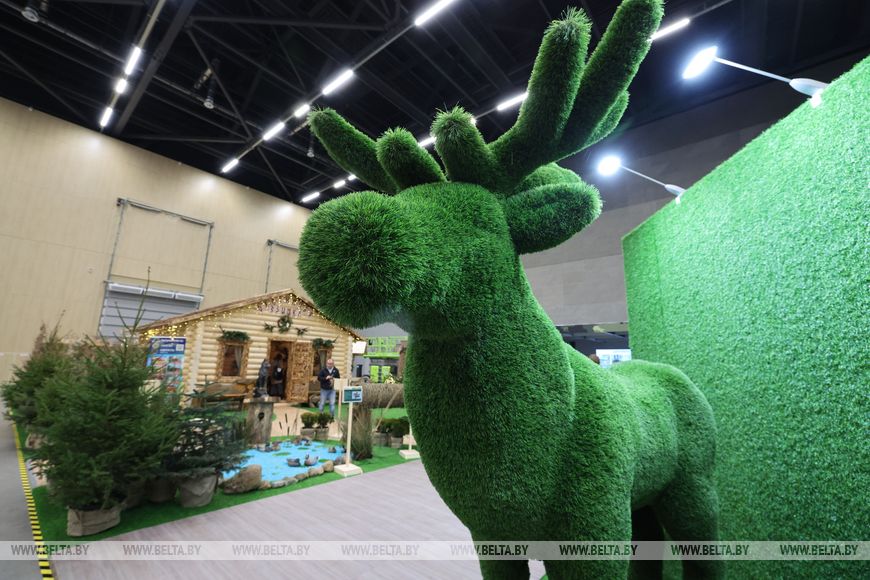
Upon entering the Minsk International Exhibition Center, visitors are immediately drawn to the main photo zone - a large map of the Republic of Belarus, crafted as an ecological installation. It highlights the rivers, lakes, forests, and iconic structures built in the capital and regions over the years of independence. This is what greets guests on the threshold of the exhibition this year (last year, a large three-dimensional stork, a symbol of our country, welcomed everyone). On the reverse side stands a mighty oak tree, where every visitor can leave their wishes on special postcards provided right there at the installation.
Attendees of the previous exposition actively shared their impressions, leaving numerous comments and suggestions, all of which the organizers aimed to incorporate while preparing the new version of the exhibition. These observations and reviews formed the foundation of the updated concept, which reflects the full diversity of our country’s achievements with a confident focus on the future. A vision of a modern, comfortable, and forward-aspiring Belarus powered by cutting-edge technology serves as the central theme of the exhibition. Each display is fundamentally future-focused.
“Last year’s remarkable public turnout for the inaugural My Belarus exhibition proved that Belarusians have ample cause for pride and plenty to display,” noted Viktoria Agafonova, Deputy Director for Exhibition Activities at BelExpo.
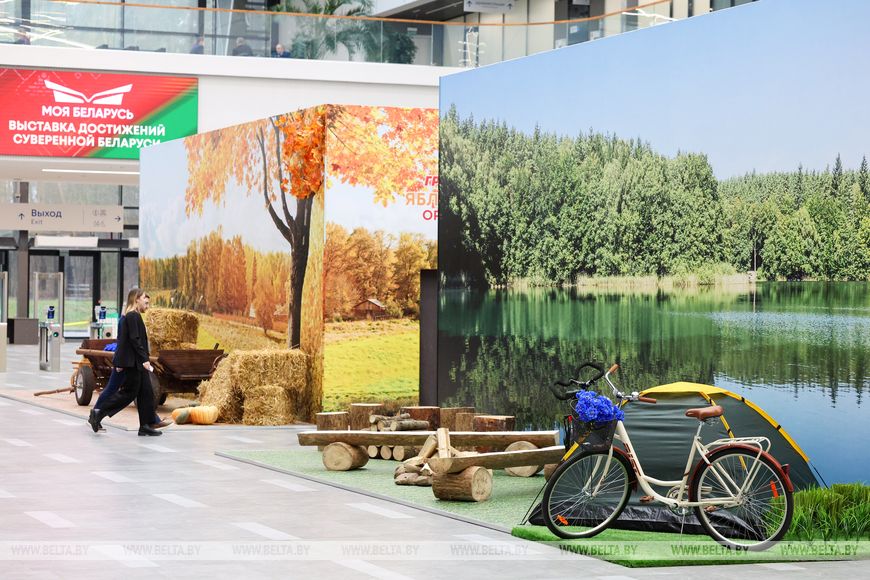
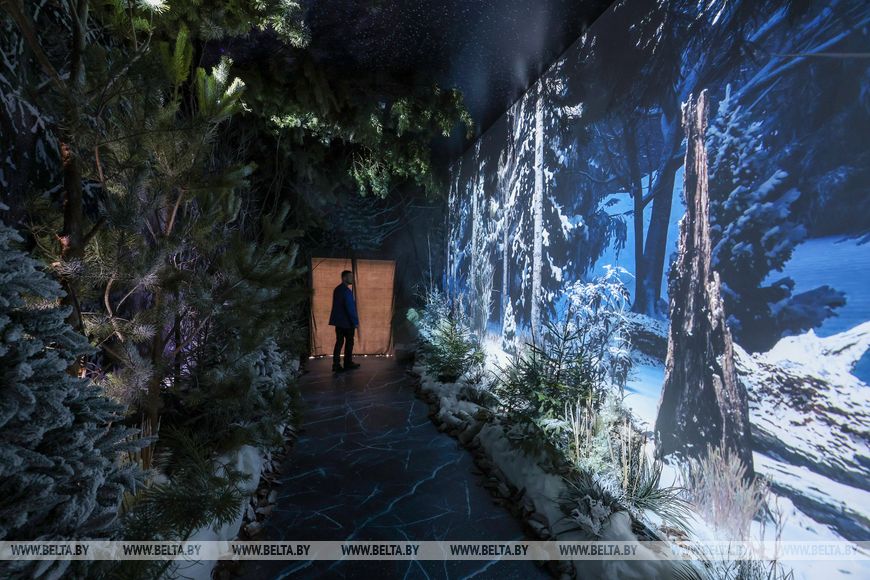
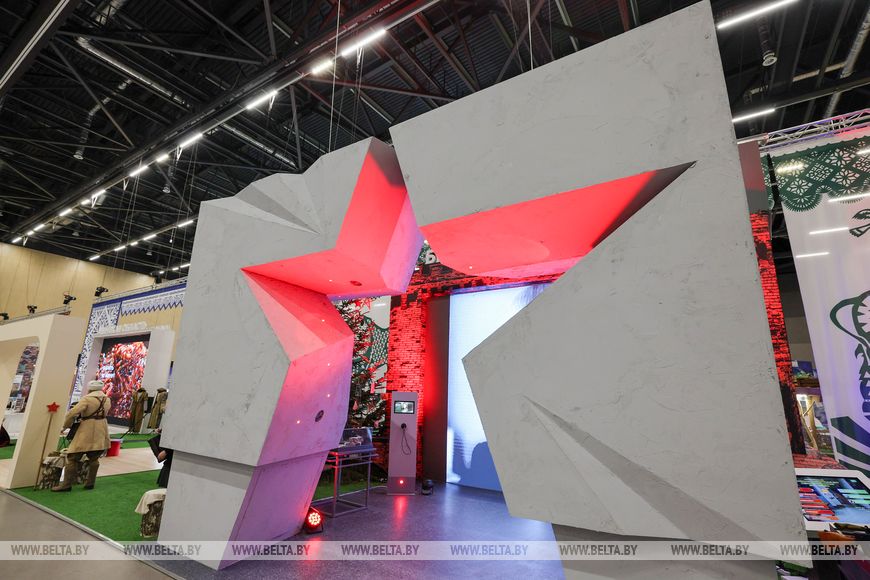
This year, efforts have been made to make the exhibition even more interactive, vibrant, and maximally high-tech. The design and layout of the exhibition space have been changed: it is now divided into three key parts: the cultural projects zone, sectoral expositions, and photo zones and installations. A special highlight is the opportunity not only to see but to feel the beauty of the Belarusian land in different seasons. In the fully immersive ecological installation, one can step inside and experience spring, summer, autumn, and winter, hearing the sounds, seeing the changing colors, and sensing the characteristic aromas.
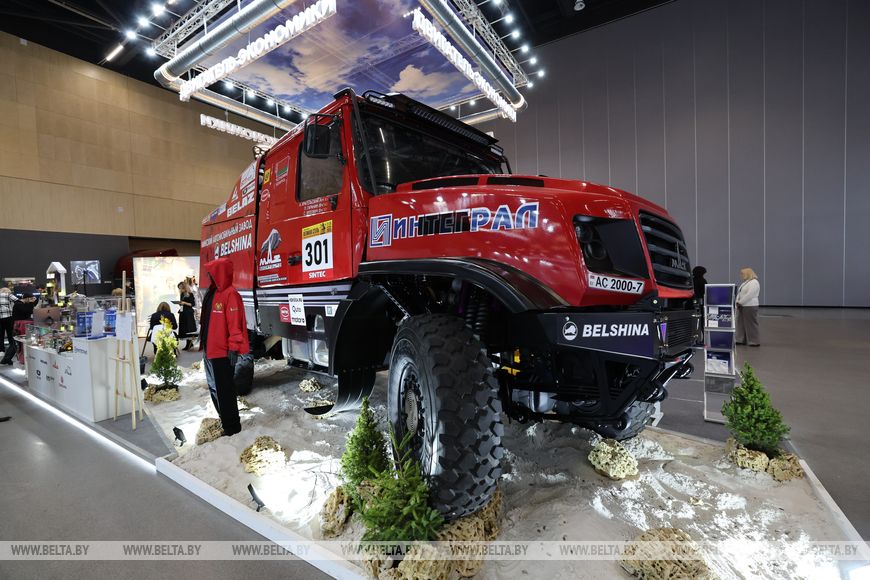
Viktoria Agafonova added that the main exposition consists of eight thematic blocks, reflecting key priorities in Belarus’ development for the next five-year period, with an emphasis on advanced solutions in the most important sectors of the economy. All of this is complemented by immersive technologies, augmented reality effects, virtual activities, and interactive stands that make exploring the exhibition dynamic and engaging. More detailed information about the specific names of the sectoral expositions and the suspended installations is available on the website moyabelarus.bel.
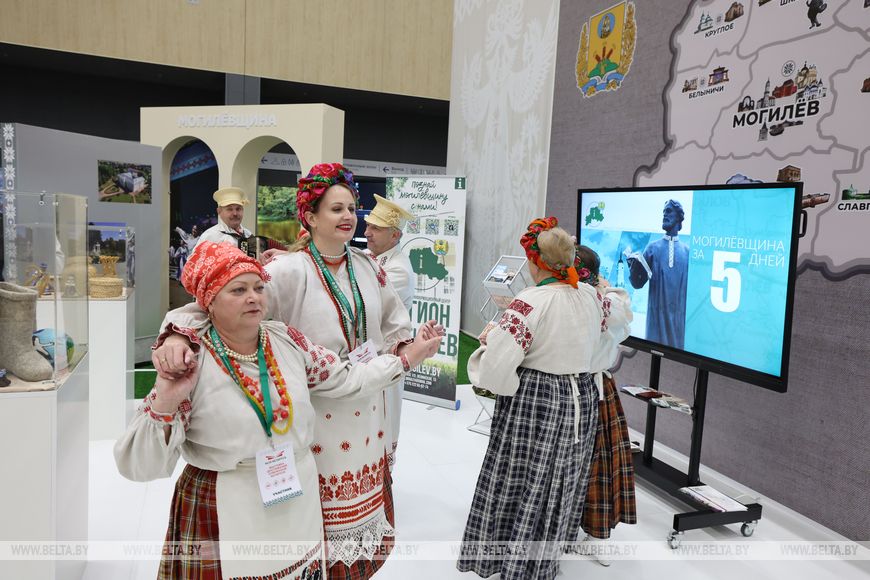
The main exhibition is located in two halls. One hall is dedicated to sectoral achievements and innovations, the other to cultural heritage. A smaller hall features an exhibition focused on tourism: it highlights all 13 types of tourism in the Republic of Belarus, as well as the country’s rich regional historical and cultural heritage. Regions and the National Tourism Agency are presented together in one space.
Following last year’s model, the Culture Ministry is providing a rich cultural program on Fridays, Saturdays, and Sundays. The cultural projects area will host a true marathon of creativity and entertainment: concerts by well-known and folk ensembles, performances by honored artists from Minsk and the regions, theatrical productions, film screenings, and many other events. This year the zone has been enhanced with a retractable transformer tribune with more than 1,800 seats, allowing for a larger audience and creating the atmosphere of a grand celebration.
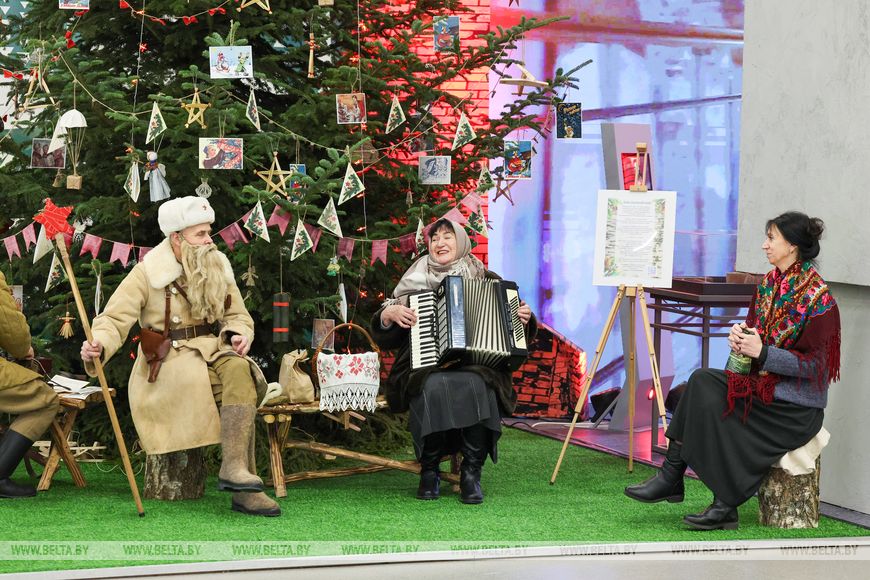
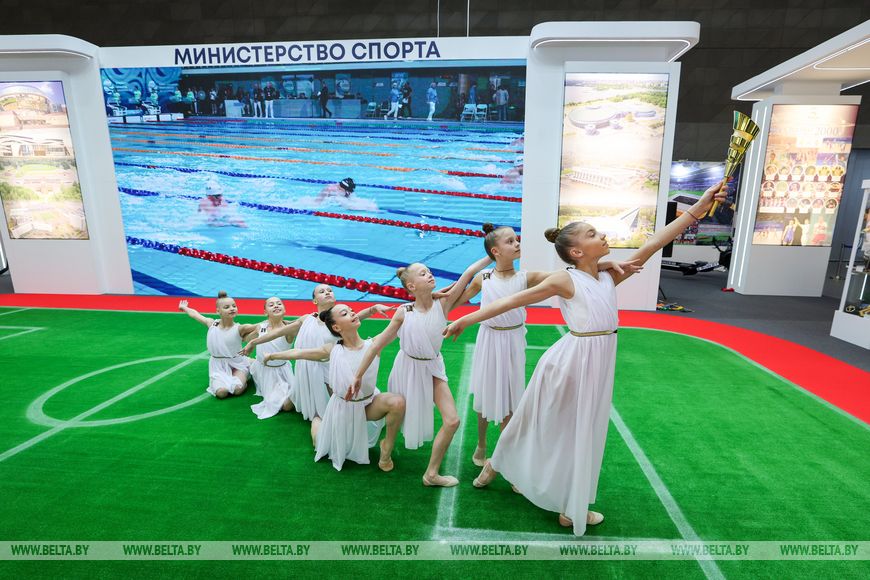
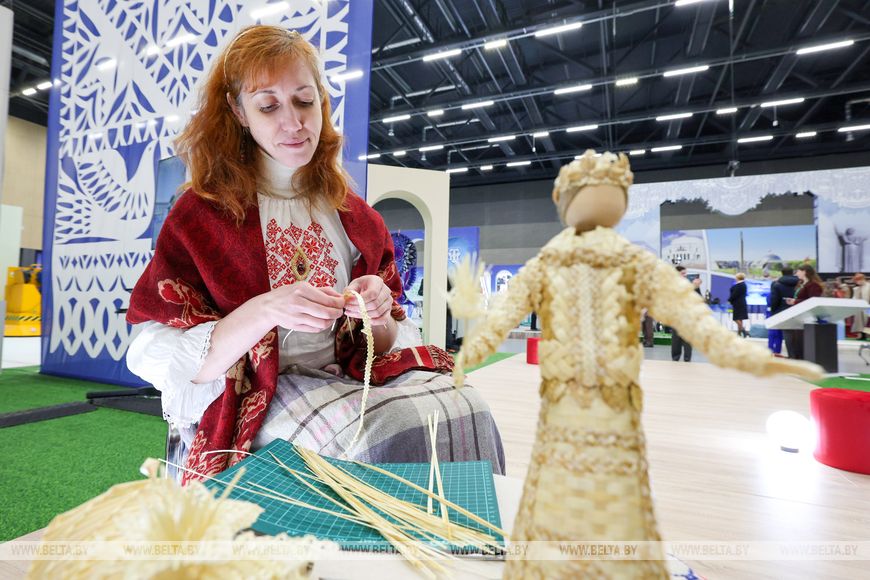
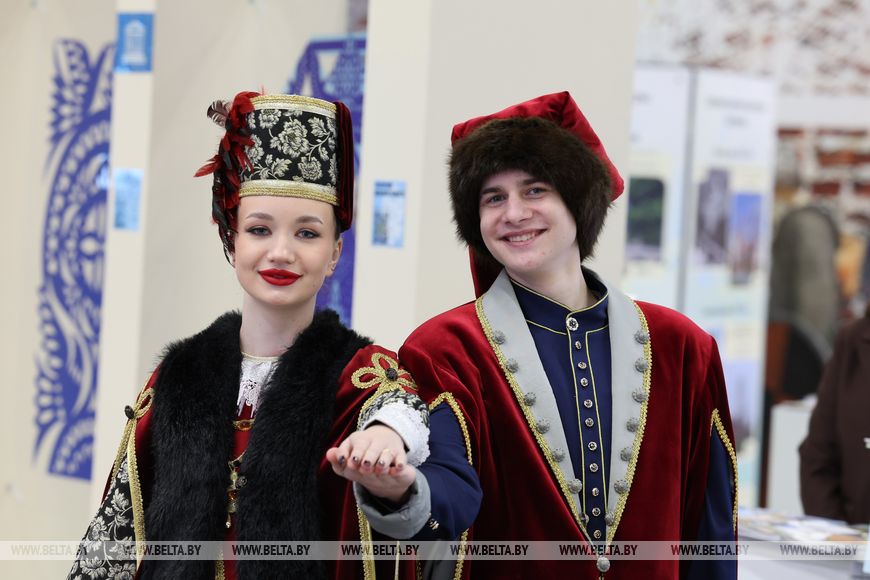
“By the way, last year performances by leading honored and folk, as well as amateur ensembles of the country drew audiences of more than 600 people. We’ll see how much interest Belarusian audiences show this time,” Viktoria Agafonova noted.
She announced that on 19 December, from 18:00 to 20:00, everyone is invited to a concert by the Honored Ensemble of the Republic of Belarus, the Finberg National Academic Concert Orchestra of Belarus. This vibrant musical event will be an excellent start to the New Year festivities.
On 20 and 21 December, concerts by creative groups and performers from Gomel Oblast will take place. On 20 December, Saturday, from 12:00 to 14:00, there will be an interactive children’s New Year performance and the City of Masters workshops, engaging master classes and a festive program for children. Later that day, from 17:00 to 20:00, a concert of Gomel creative groups Living Heritage of Gomel Oblast will be held.
The next day, 21 December, from 12:00 to 14:00, the interactive children’s New Year performance and the City of Masters workshops will be repeated, and from 17:00 to 20:00 the Honored Ensemble of the Republic of Belarus, the Gomel Oblast Drama Theater, will perform the program We Will Never Forget…
The exhibition My Belarus is high-tech, interactive, and welcoming. It is a space where achievements and innovations coexist with traditions and culture, and where every guest can not only see the country as it is today but also feel what it will become tomorrow.
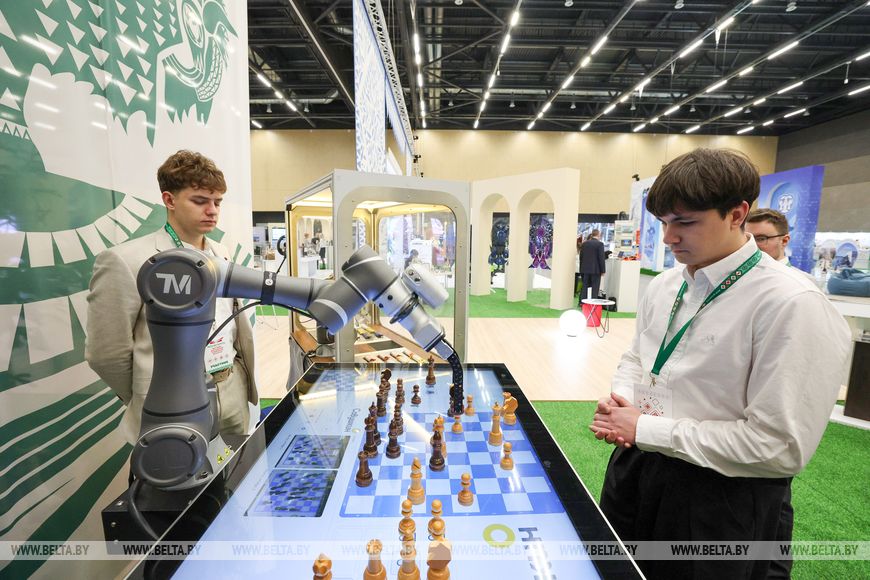
The exhibition can be visited from 19 December 2025 to 23 February 2026: two full months of discoveries and inspiration. From Tuesday to Friday, doors will be open from 12:00 to 20:00; on Saturdays, Sundays, and holidays from 11:00 to 21:00. Monday is designated a technical day for preparing new surprises, while 31 December and 1 January are holidays reserved for celebrating the New Year with family.
From VR farms to space satellites: what will exhibitors showcase?
The sectoral part of the exhibition includes eight thematic zones: Driver of the Economy, Security Technologies, Foundation of Strength, Science and Innovation, Progressive Medicine, Sporting Olympus, Energy for Life, and Smart Agriculture.
The Industry Ministry will be one of the key participants in this large-scale exhibition of achievements, presenting itself in the thematic zone Driver of the Economy.
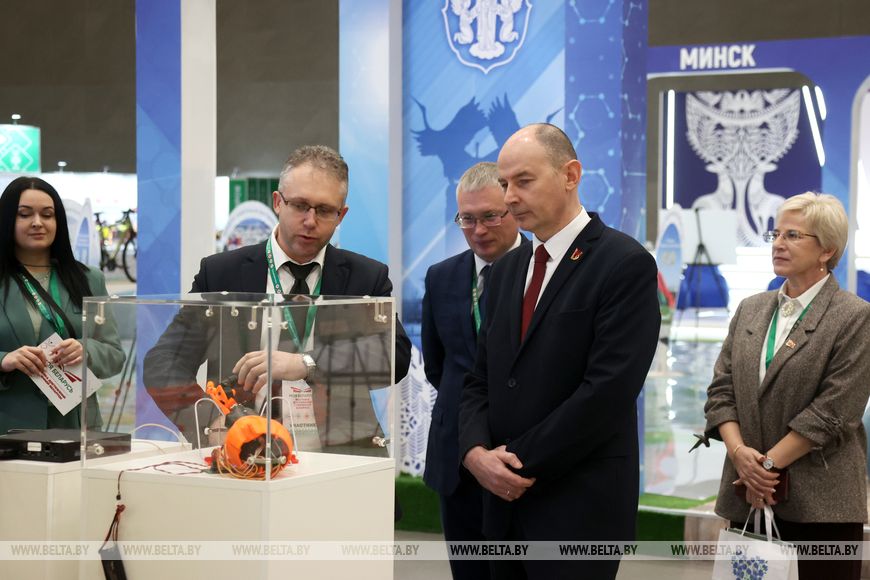
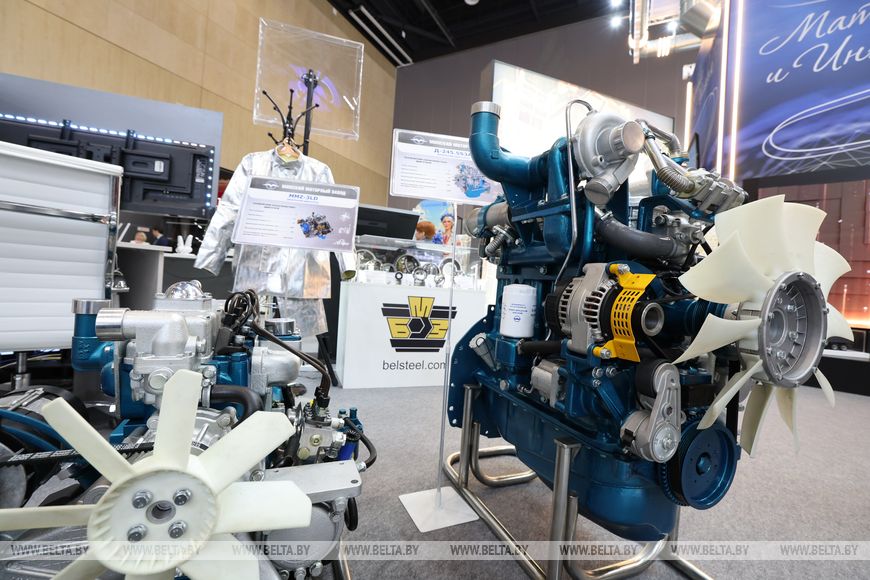
At the heart of the exhibition space, the Industry Ministry’s central exhibit that was organized on the principle “from raw materials to finished products” will showcase the complete creation cycle of modern machinery and high-tech goods. Visitors can trace the entire journey from basic metals, parts, and components to sophisticated final products, witnessing the full spectrum of the industry’s capabilities from heavy engineering and metallurgy to microelectronics, optics, and household appliances.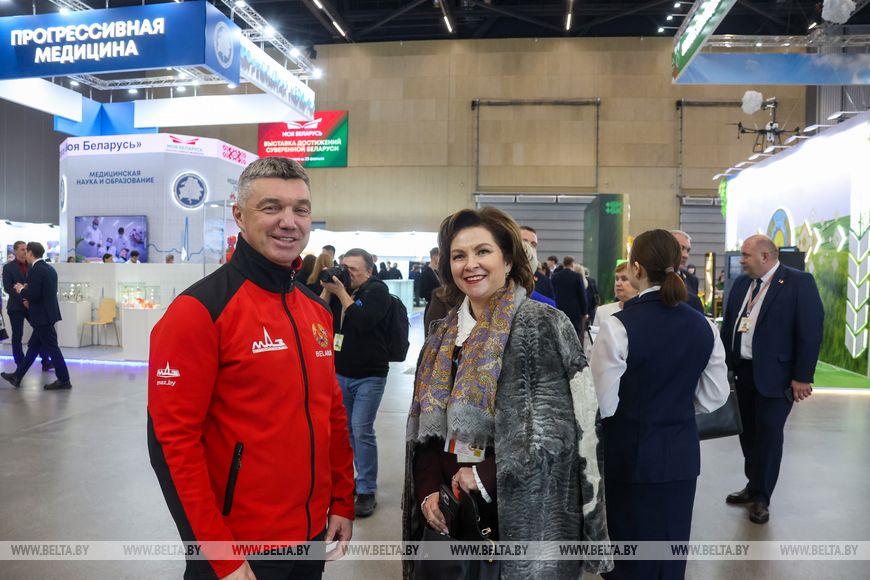
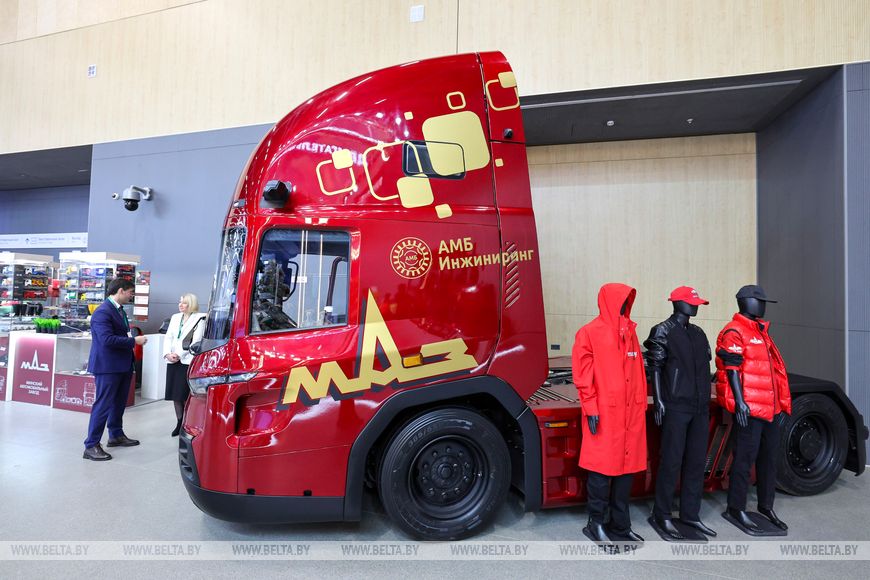
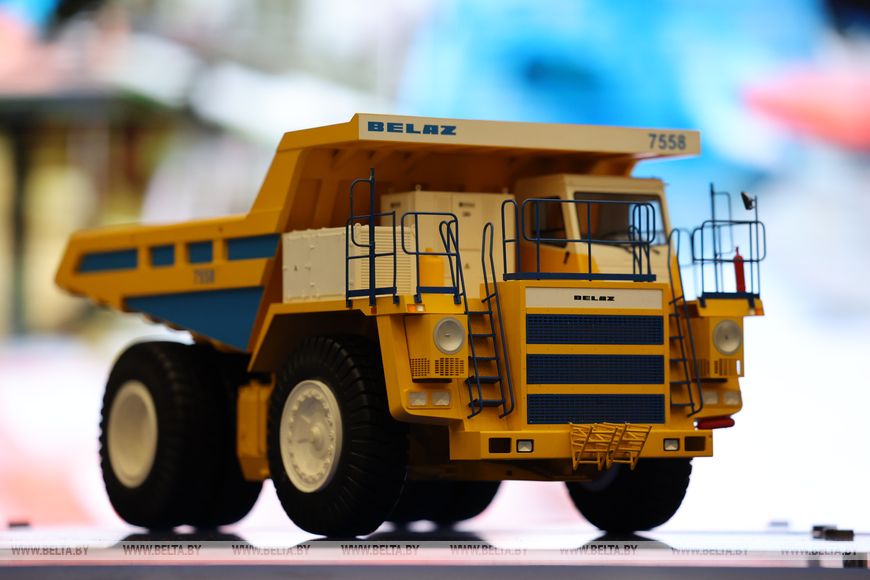
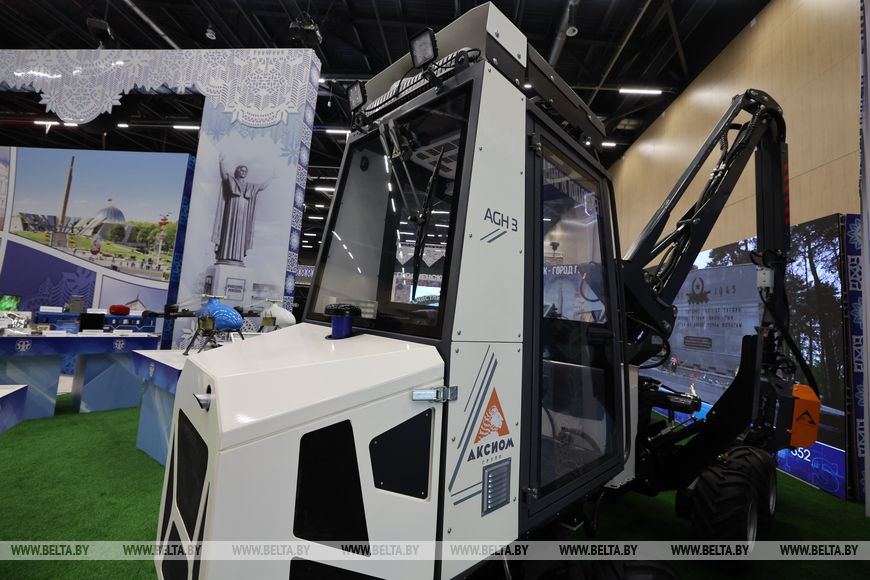
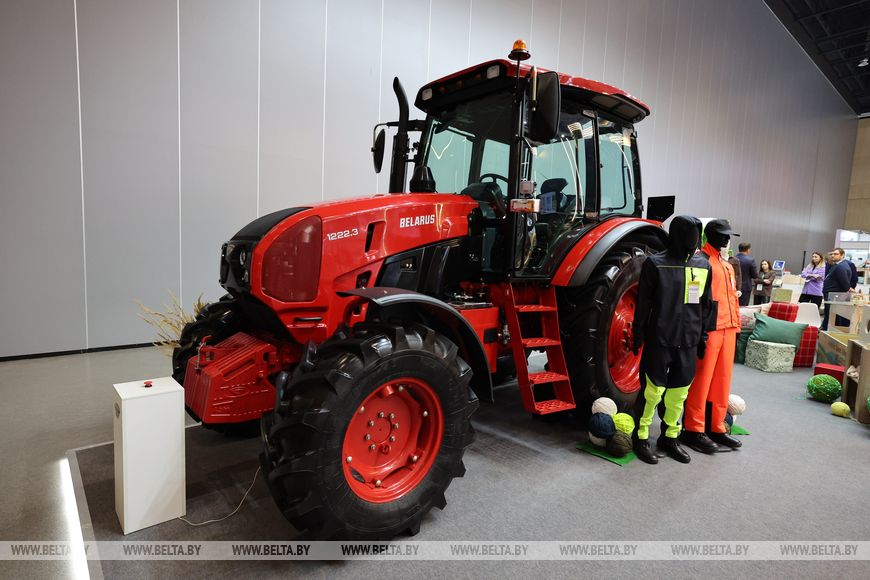
The display features a vast array of real vehicles and models, including a MAZ bonnet sports car, an MTZ tractor, a MAZ-X truck tractor, and equipment from industry leaders like BelAZ, Amkodor, BelGee, Gomselmash, BKM Holding, Bobruiskagromash, and Lidselmash. Accompanying these are detailed exhibits of engines, cabins, automotive components, and assemblies, alongside advancements in microelectronics such as microchips, sensors, and monitors.
Interactive experiences create a dynamic atmosphere: a Foundry photo zone with a steelworker costume, VR simulators for MAZ racing and engine assembly, a BELARUS tractor simulator, children’s quests, and vibrant multimedia from ATLANT and Horizont. Together, this zone stands as living proof of how the labor and innovation of Belarusian industry transform ideas into tangible economic drivers, instilling pride in every visitor.
Adjacent is the Economy Driver zone, highlighting Belneftekhim Concern. It demonstrates the petrochemical industry’s power through interactive installations and factory models that illustrate the full production cycle, from oil extraction and refining to high-tech outputs like fuels, polymers, fertilizers, and pharmaceuticals.
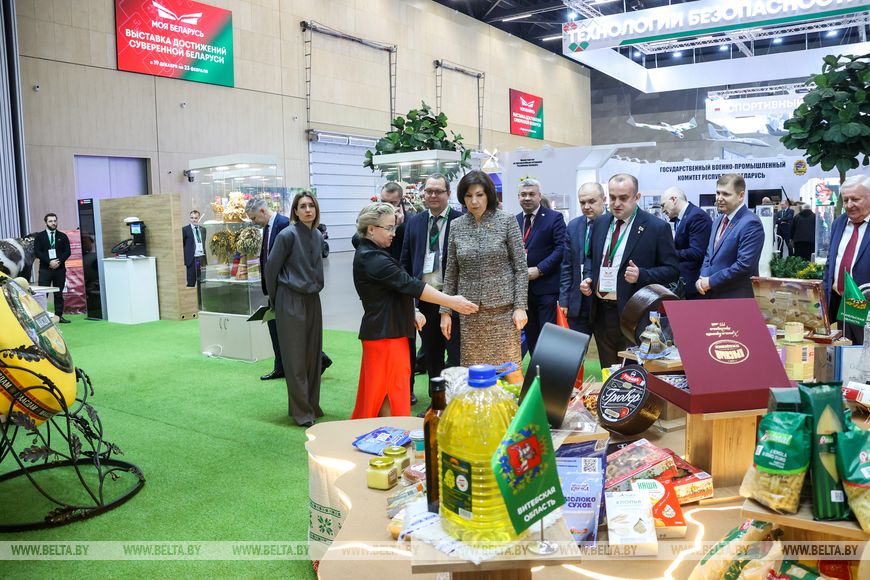
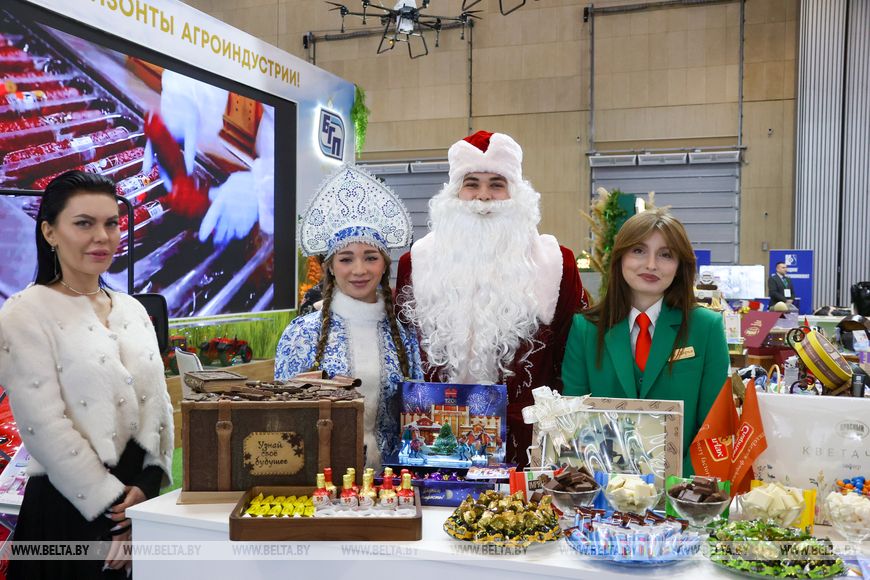
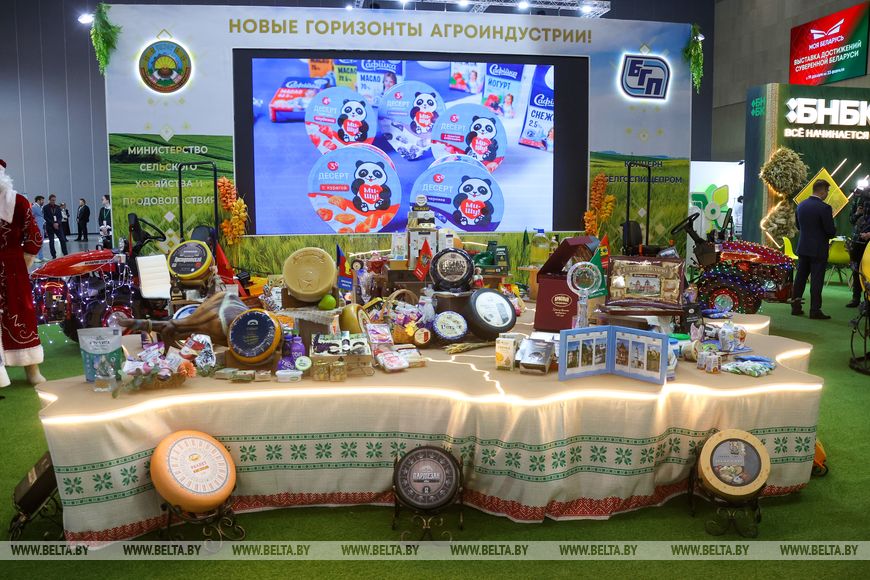
In the Smart Farming zone, a large-scale installation, From Region to Table, features an illuminated map of Belarus adorned with regional symbols of national quality: cheeses, sausages, cereals, and confectionery. Visitors discover the origins and award-winning heritage of beloved brands.
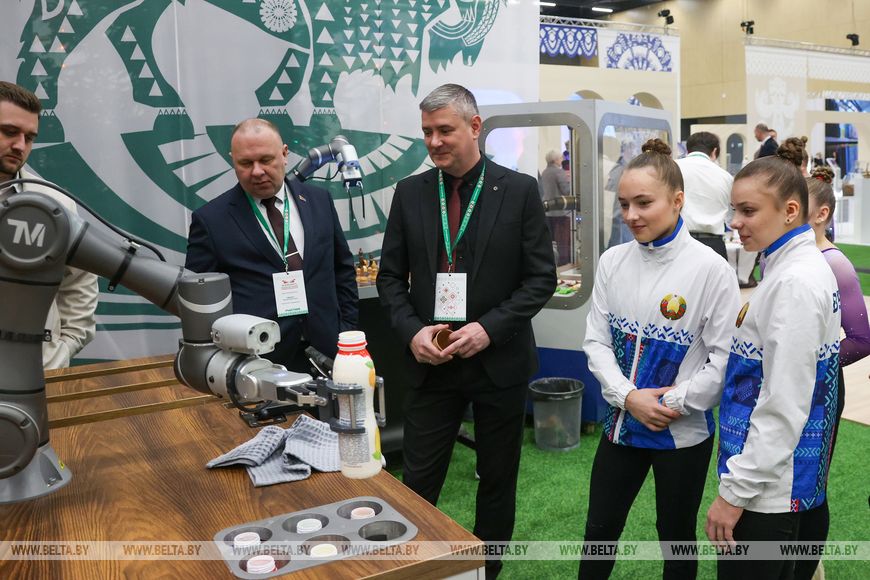
The section pulses with modern technology: VR farms transport visitors to the fields, robotic milkers and agricultural drones showcase automation, and the My Field platform with an AI agronomist offers a production insight. The Belarusian National Biotechnology Corporation presents a plant model animated by AI content.
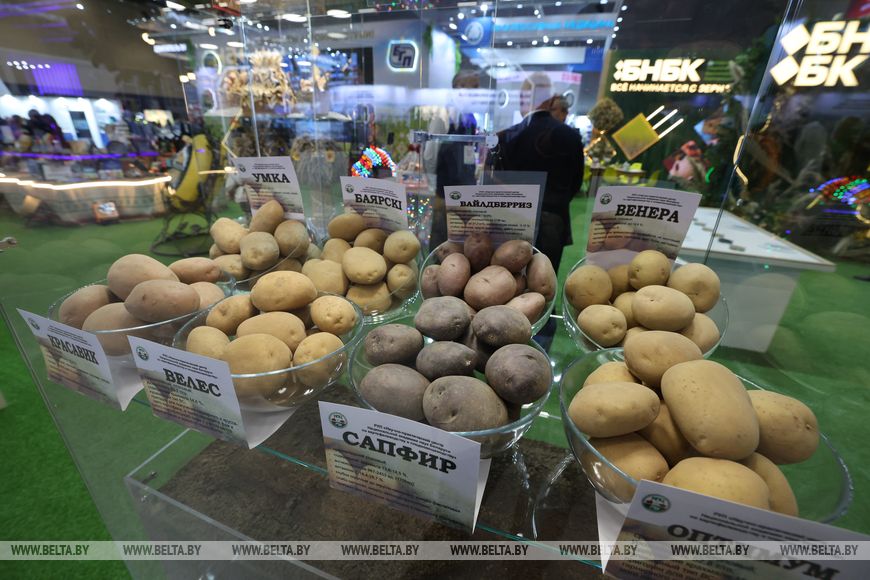
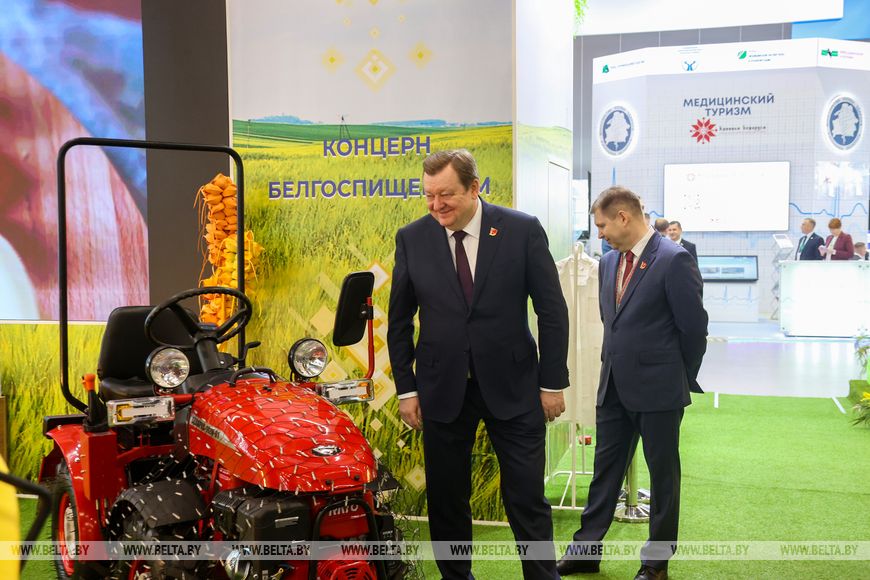
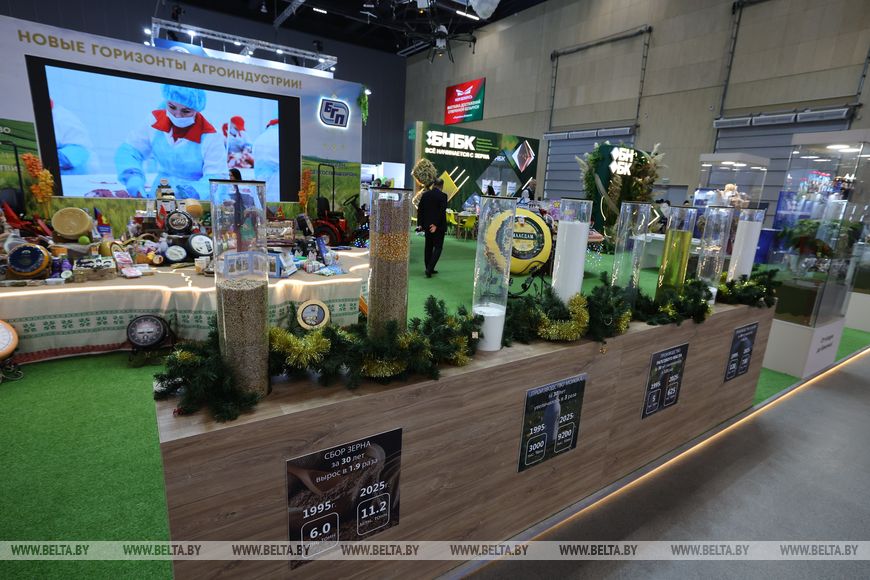
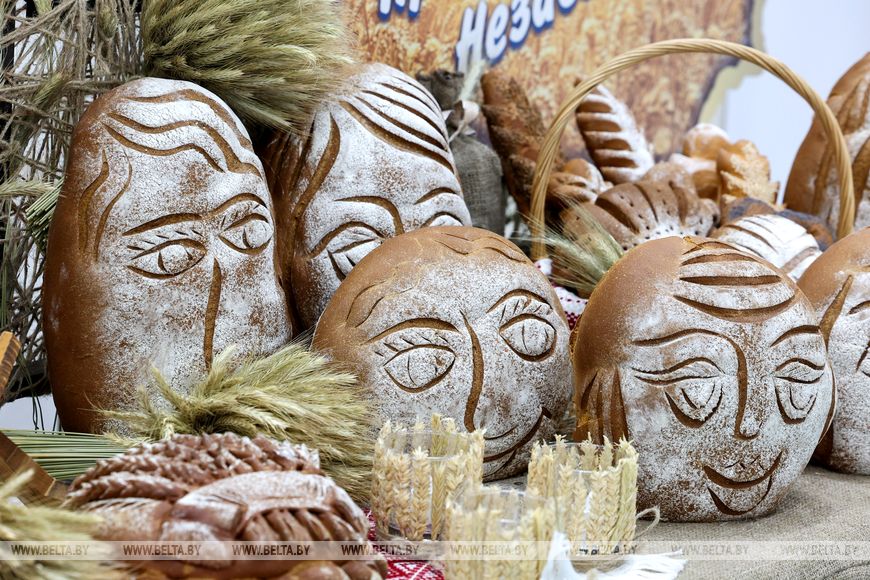
 Families can engage in fun quests, mini-laboratories, and photo zones among ears of grain. A culinary highlight features giant cheese curds, three-meter sausages, enormous loaves of bread, and kilogram-sized cheese ice cream for tasting. New dairy, bakery, and meat products are revealed via QR codes on replicas, linking to the websites of leading Belarusian companies.
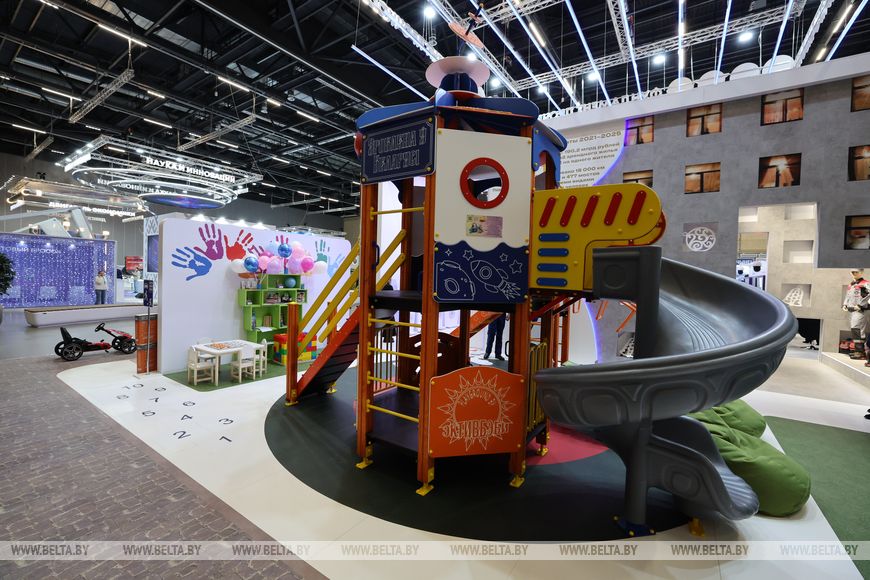
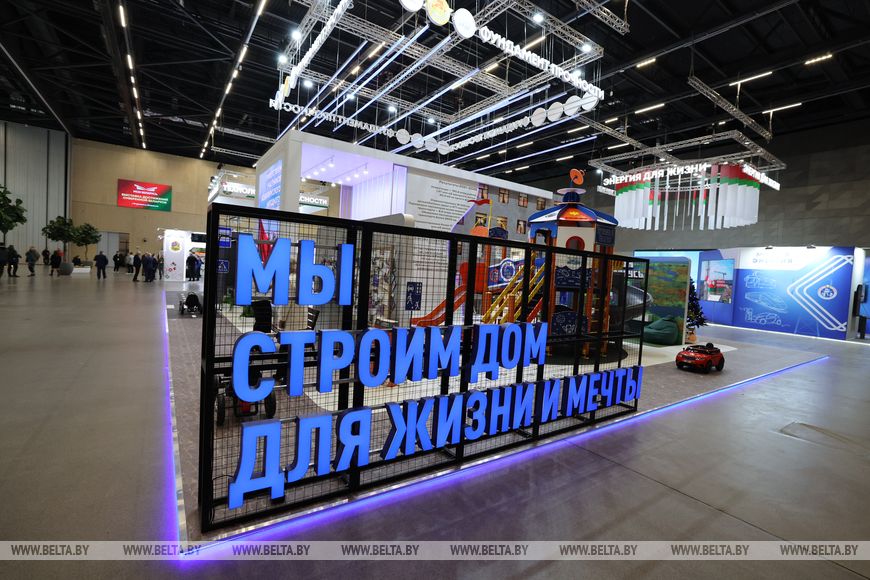
The thematic zone The Foundation of Strength features four ministries: the Architecture and Construction Ministry, the Housing and Utilities Ministry, the Transport and Communications Ministry and the Communications and Informatization Ministry. Together, they weave a unified narrative of comfortable living in a modern city. The exhibit guides visitors through a “corridor of time”: from a stylized 1960s-1970s interior featuring authentic furniture, a carpet on the wall, and Khrushchev-era building facades, to a gleaming present with smart homes, digital utility solutions, smart door phones, and service cost meters. All of this is complemented by a video footage showcasing post-war urban reconstruction, highlighting iconic facilities such as airports, while photo zones and play areas transform the space into a children's paradise.
“From the outset, we aimed to create a space friendly to children, an activity zone. Here, there is a playground, an area where you can build a house with blocks, play chess or draw. On the other side, a television screen displays multimedia content. Once the exhibit is fully operational, children will be able to ride toy cars, learn about road signs and markings, have fun on the playground, and then watch educational cartoons. For example, we are showcasing the new nine-episode animated series ‘Goal 99’. In a simple, child-friendly format, it explains how to properly sort household waste: plastic, paper, batteries, and other fractions. Additionally, a gaming console is connected to the television: every two hours, children will be allocated half an hour to play Minecraft,” said Andrei Romashko, Deputy Housing and Utilities Minister.
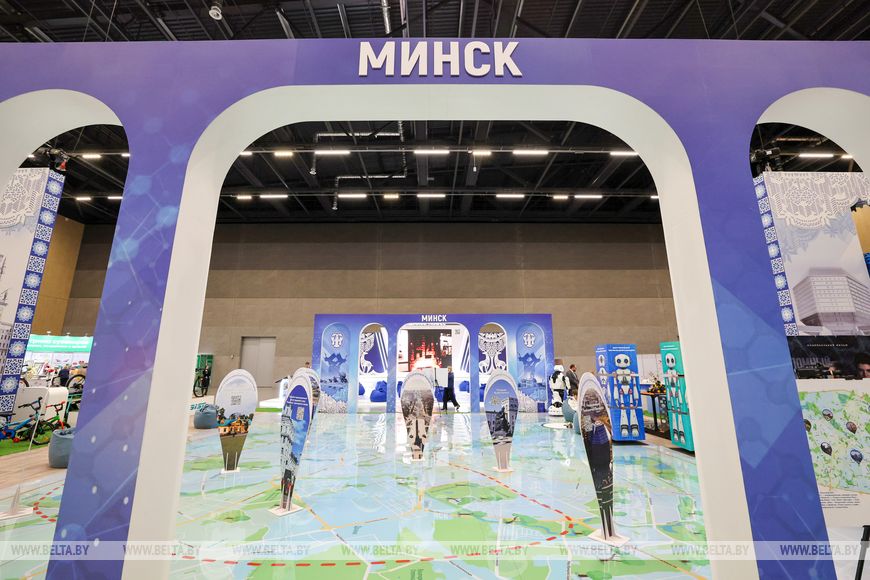
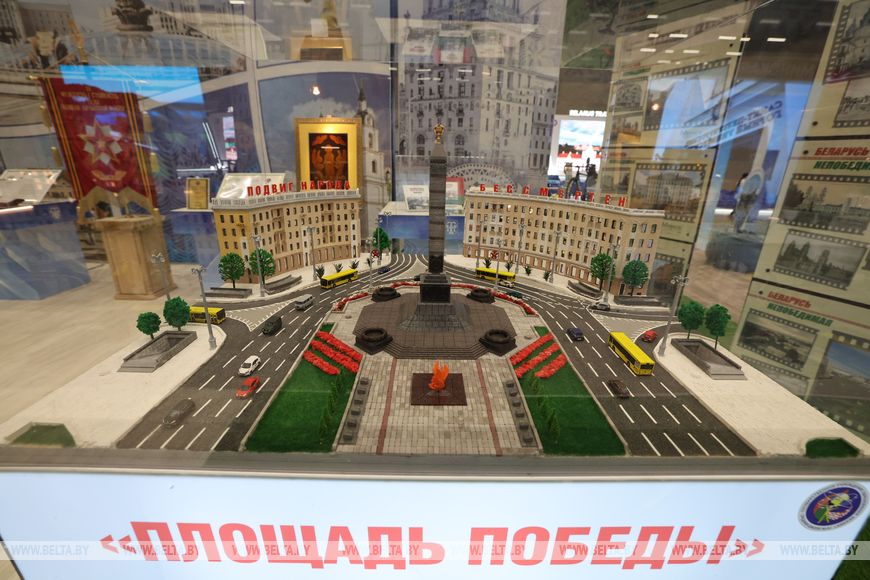
Here, the Transport and Communications Ministry has displayed impressive models of aviation, automotive, waterway, railway transport, and even the metro, creating a panorama where all the country's pathways converge. Each model tells its own story, from the heights of the sky to the rail networks inviting guests to experience the rhythm of movement that binds the regions into a unified whole.
In the Science and Innovation thematic zone guests embark on a fascinating journey from the depths of historical past to the peaks of modern discoveries. The National Academy of Sciences' exhibit introduces visitors to key achievements in academic science: artificial ruby and sapphire crystals, developments in optics and microelectronics, biotechnology, new pharmaceutical drugs and substances, particularly for oncology treatment. The highlight is a model of a satellite under development, all of its internal components created within the academy's institutes. It is scheduled to be launched into orbit just before the New Year.
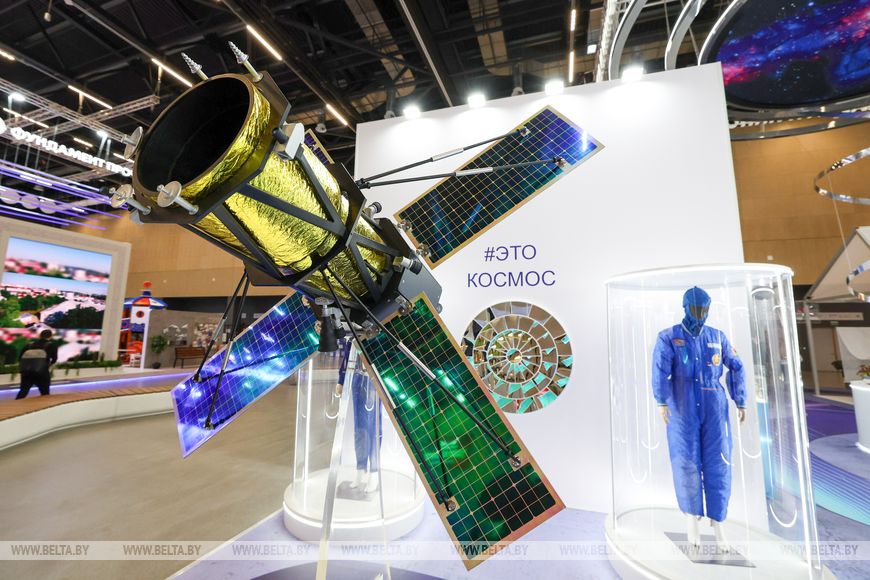
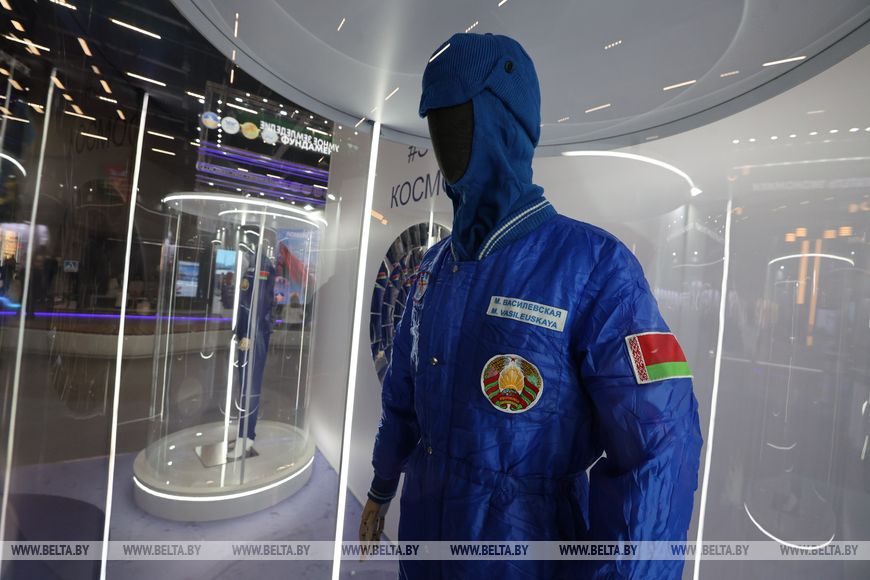
“Such exhibition events contribute to the popularization of science. The Academy of Sciences' exhibit will captivate both youth and children. Overall, the exposition fosters a sense of pride in Belarus. All ministries and industries have presented their high-tech developments: equipment, machinery, new technologies. This demonstrates that we are not merely preserving the country but actively developing it,” noted Vasily Gursky, Chief Scientific Secretary of the National Academy of Sciences of Belarus.
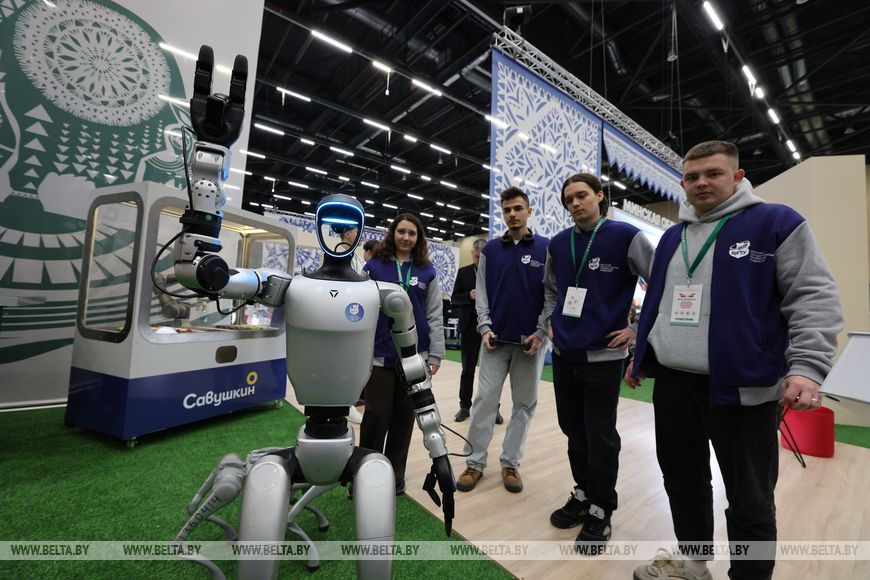

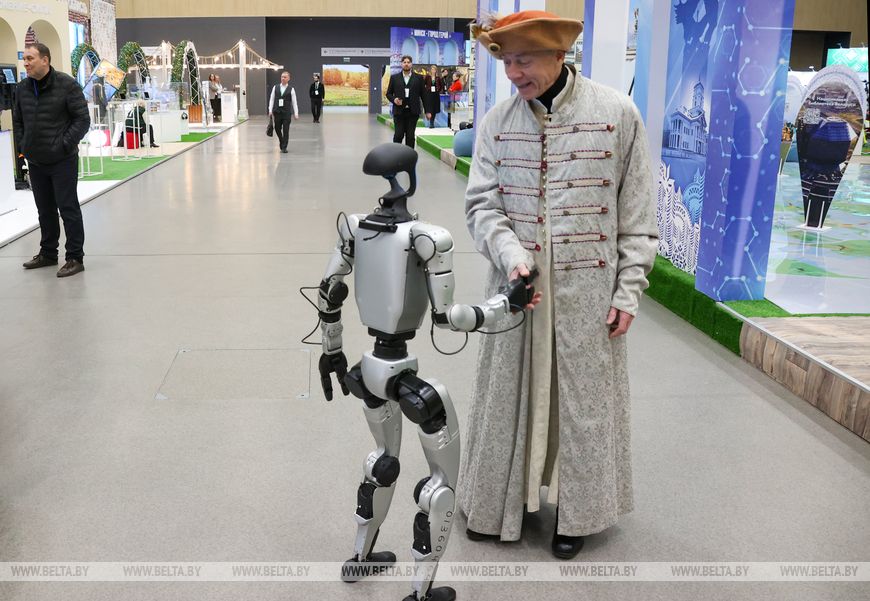
The co-organizer of the zone, alongside the National Academy of Sciences, is the State Committee for Science and Technology (SCST). The collective exhibit of the SCST is part of the thematic section Innovation Infrastructure and University Science. It showcases developments from universities, residents of technoparks and the High-Tech Park.

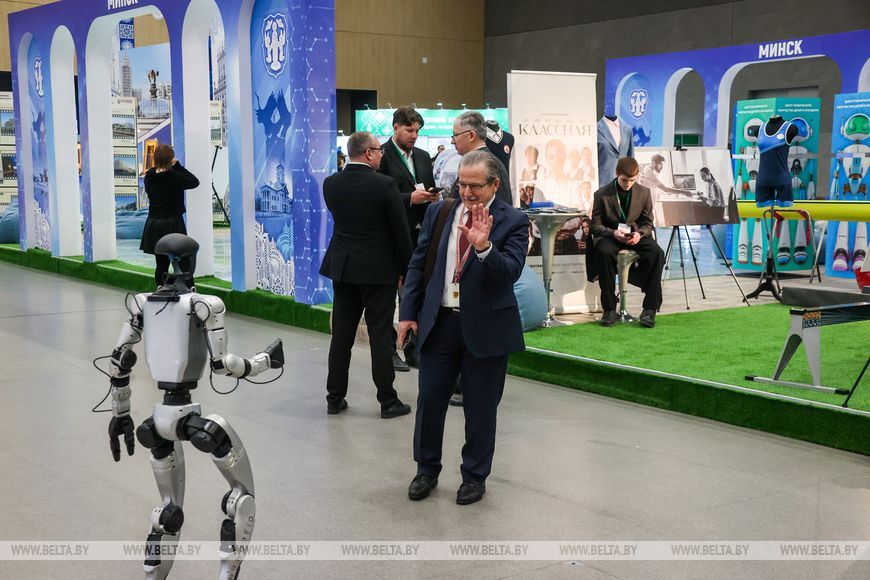
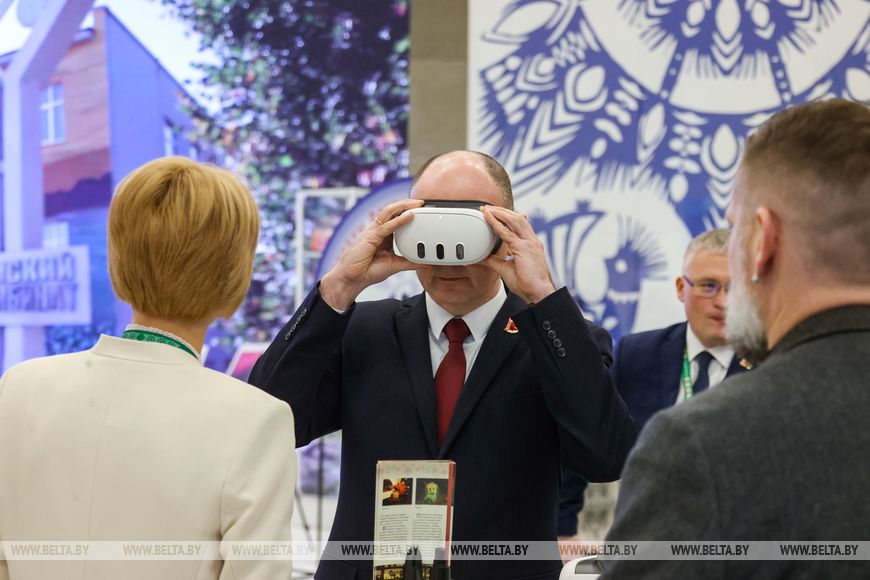
Special emphasis is placed on interactive projects. Visitors will be able to trial the Belarus TTZ navigation system for tractors, featuring AI assistants ‘Digital Engineer’ and ‘Digital Agronomist’ through simulators and VR headsets. The UAV operator training system from BSUIR will allow users to practice flight operations and maneuvers. A virtual reality (VR) simulator for assembling switchboard equipment, developed by a resident of the Hi-Tech Park, will help master installation and cable work. The Smart Mirror from the Minsk Radio Engineering College will display the functions of an alarm clock, timer, and calendar with remote control. The SKUD-ALCO system will test alcohol control for drivers and operators.
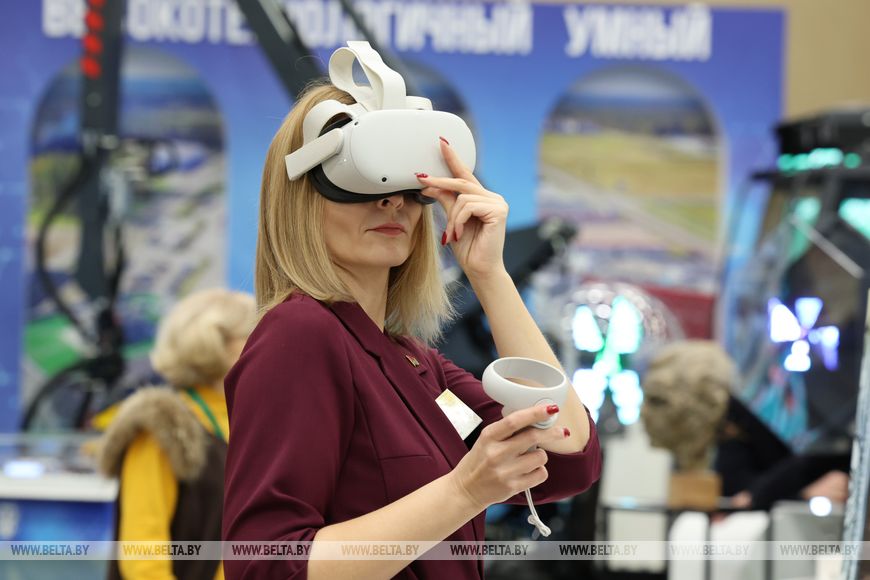
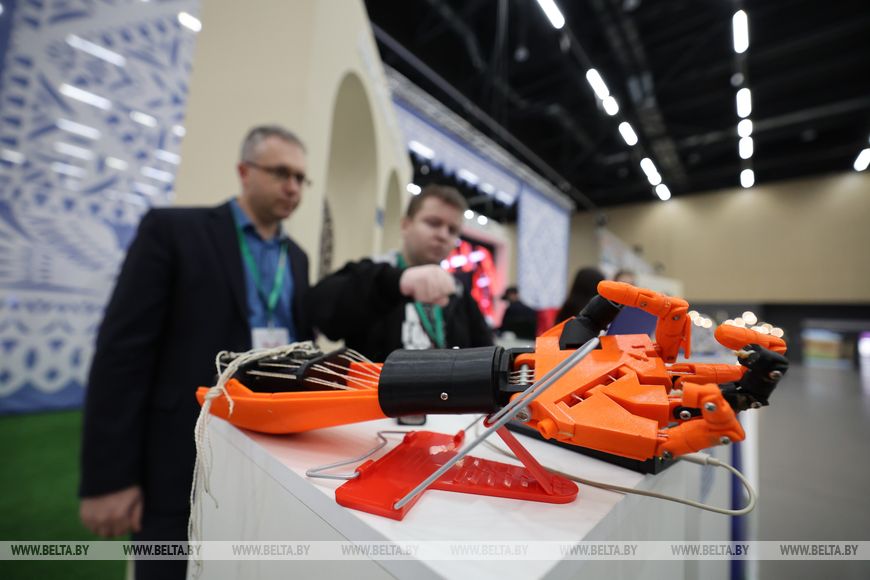
The stand also features smart agriculture innovations: BurenkaTech, BulbaTech, and AgroFly. The MetaEra multiservice will enable electronic document exchange between Belarus, Russia, and Kazakhstan. The visitors can can enjoy live demonstrations: chemistry and physics experiments by university students (eddy current, Tesla coil), VR psychophysiological testing from Belarusian State University, and a tasting of Smart City Food from the Unitechprom BSU enterprise. For the younger visitors, a program of quizzes and interactive games has been prepared.
In the thematic zone Energy for Life, the “anatomy of energy” is revealed: the internal organism of the national energy system, where the Belarusian Nuclear Power Plant is presented as the rhythmic heart, providing a stable pulse for the life of the country, its population, and its future.
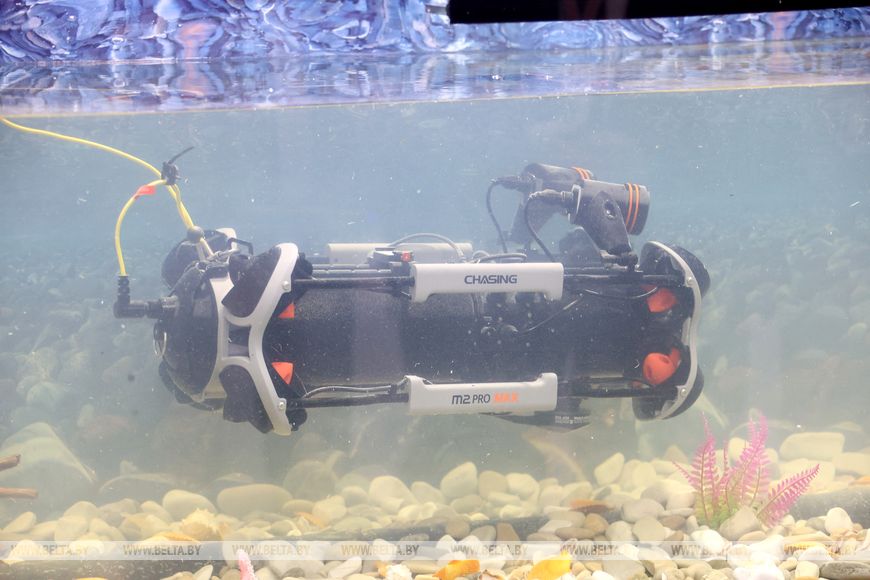
“Thanks to it, power grids are developing, including new 20 kV power transmission lines. Today, we have about 1,400 digitalized substations and 10 fully digital substations. Visitors will have the chance to take a virtual tour of the Lukoml state district power plant and the Vitebsk hydroelectric power plant, pilot drones fitted with gas analyzers, or operate a submersible to examine gas pipelines,” Yekaterina Borbashova, head of the personal data protection department at the Cybersecurity Center branch of Minskenergo, said.
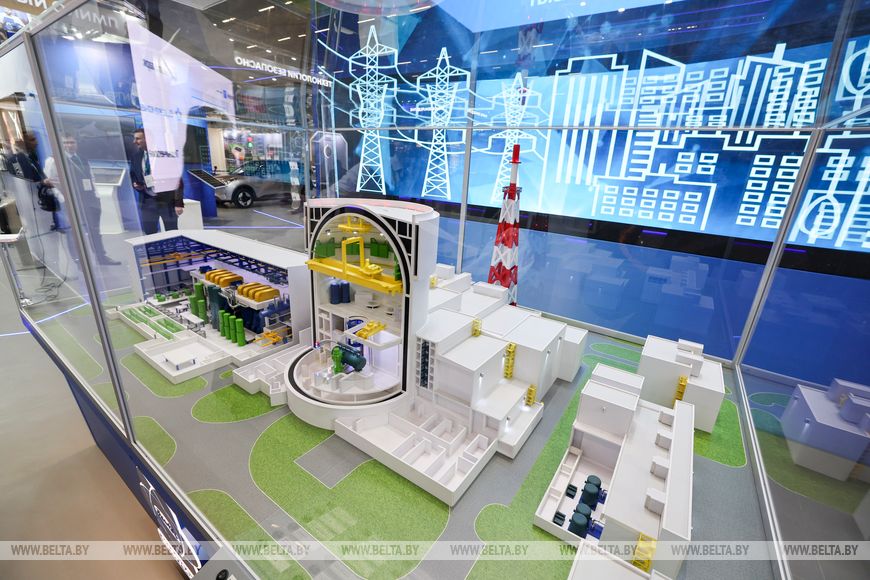
The State Energy and Gas Supervision zone demonstrates the safe use of gas and electricity. It also features the SKAT network of charging stations, which is complemented by a home version – the Kapelka, available for individual use. Visitors will see electric cars, electric motorcycles, electric scooters, and bicycles, meet real energy workers, and learn about their profession – an invisible but important job. Yekaterina is confident that the stand will see a large flow of guests, from adults seeking knowledge to children discovering the world of energy.
The Progressive Medicine zone showcases the country’s entire healthcare system: universities, clinics, national scientific and practical centers, pharmacy from a retro pharmacy to a modern one, and equipment manufacturers like Medtechnocenter. A special place is occupied by the Belarusian State Medical University with its Start a Heart project – cardiopulmonary resuscitation simulators for schoolchildren and students, providing instant feedback and motivating the new generation of gadget users towards the medical profession.
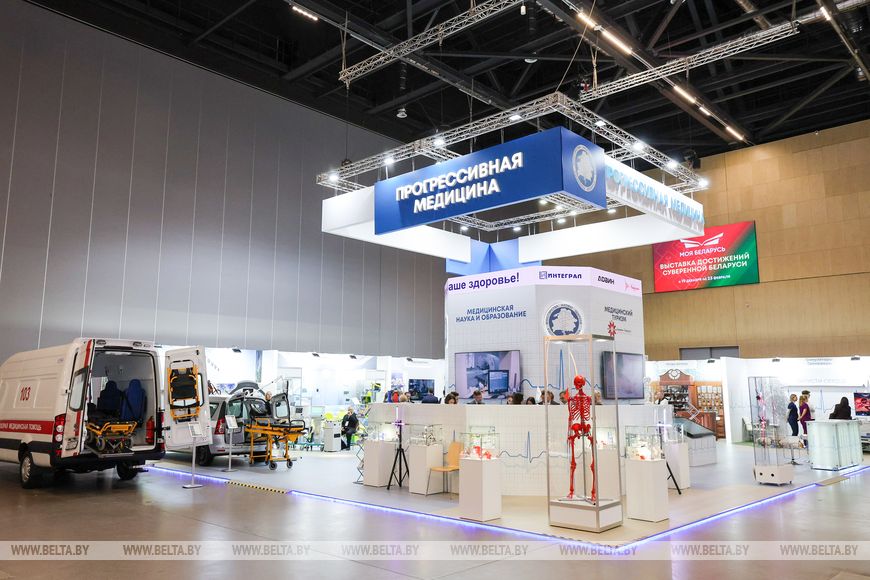
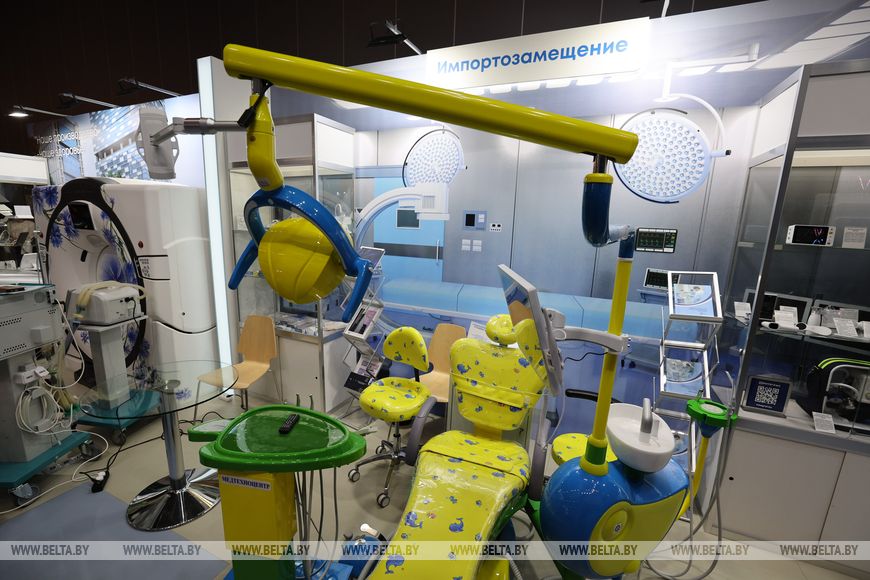
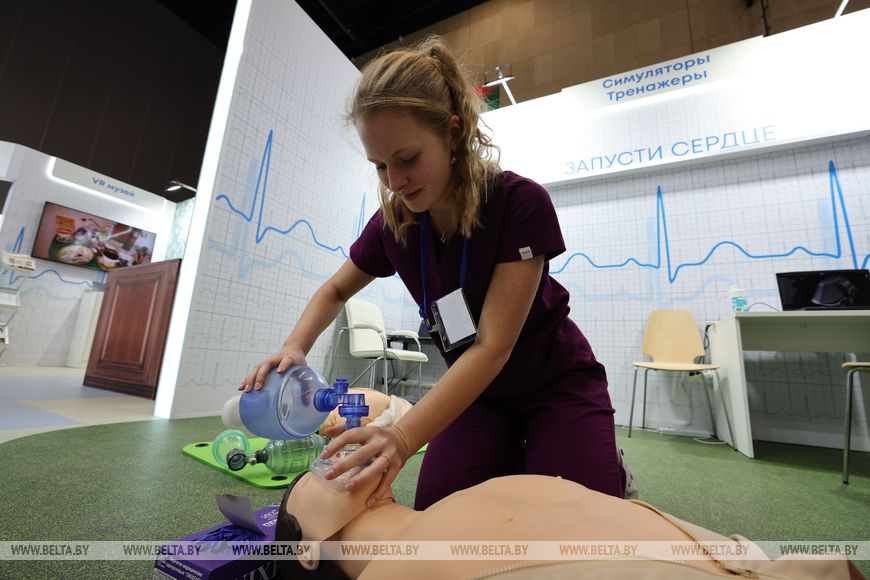
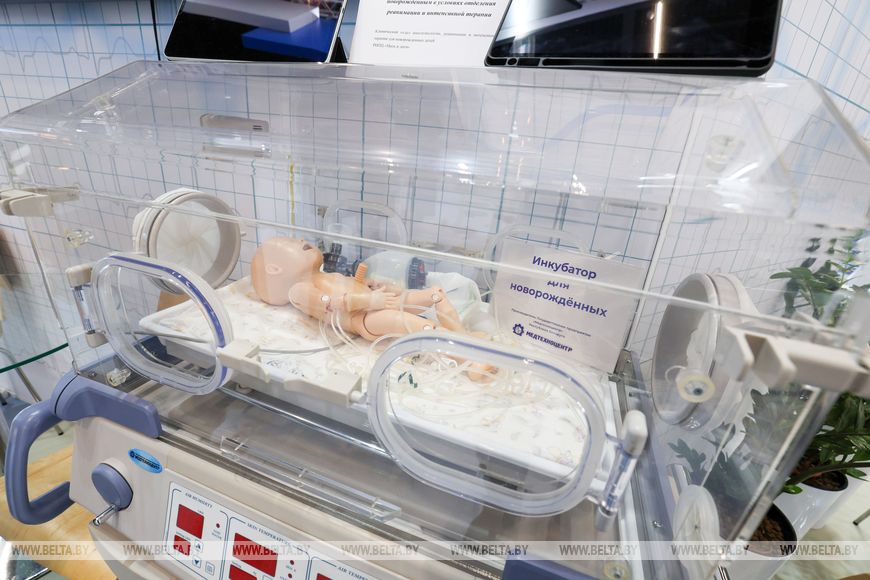
In this area, a virtual ultrasound simulator merges the device’s monochrome output with a detailed anatomical cross-section, aiding in interpreting the complex patterns of shadows, , while simulators allow for endless practice without risk to patients. A computerized patient simulator leads the practitioner through the entire clinical pathway: from taking a history and tests to making a diagnosis and prescribing treatment, culminating in an evaluation of their performance. Since 2014, simulation centers have been established in all universities and colleges in Belarus.
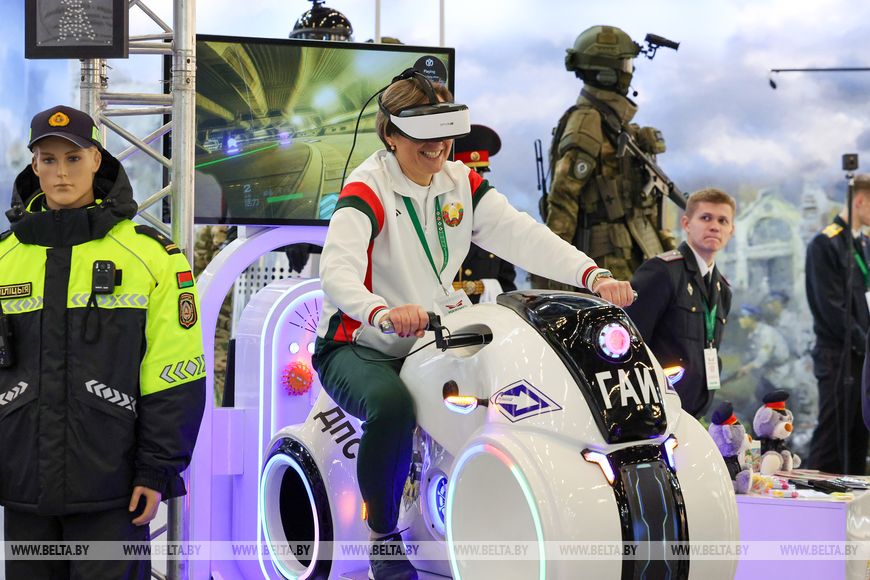
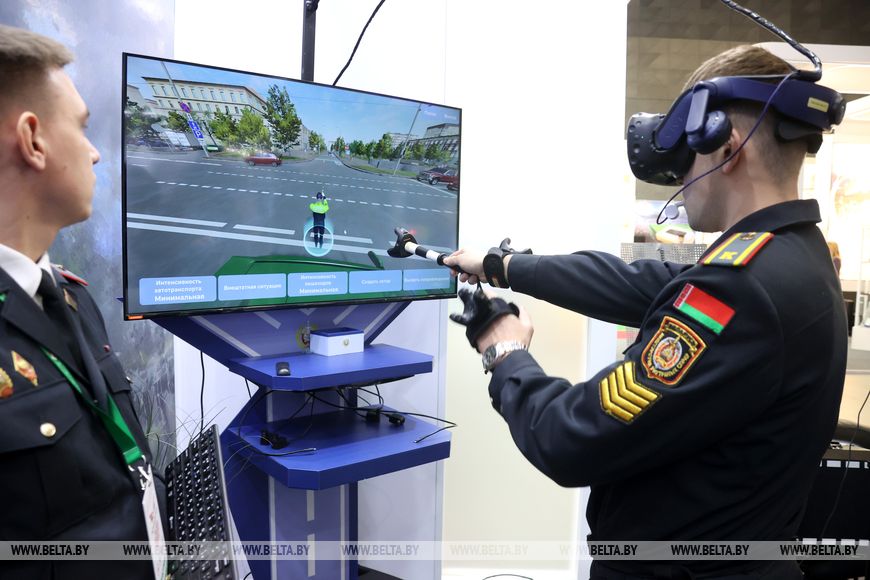
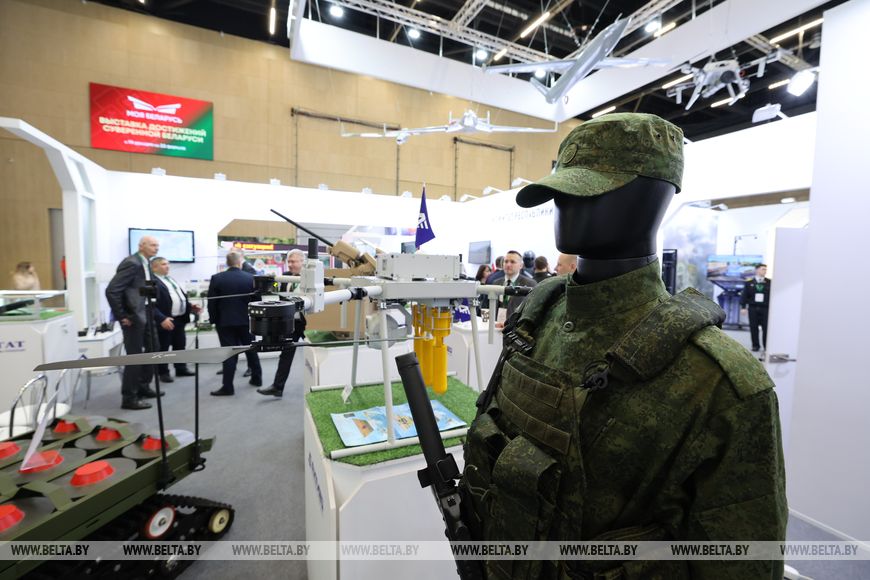
In the Security Technologies thematic zone, the Ministry of Internal Affairs stand has gathered units from the State Traffic Inspectorate, the Academy of the Ministry of Internal Affairs, the security department, special purpose police units, internal troops, and the Almaz special unit. It features career guidance materials on specialized lyceums, universities, and the Mogilev Institute of the Ministry of Internal Affairs. Guests can try out interactive activities: a VR traffic controller simulator to practice skills at a busy intersection, a hardware and software complex for facial recognition, and an optoelectronic complex for mastering aiming skills with a Makarov pistol. The Security Services Department of the Internal Affairs Ministry covers four areas: security for installations and daily life with the demonstration of the systems, their cost, and their installation for businesses and households. The stand also features equipment such as a quad bike for patrolling rough terrain, water reservoirs, and forest belts, a motorcycle driving simulator from the Patriotic Center in the town of Zaslavl, and a traffic police motorcycle from Minsk Motor Plant.
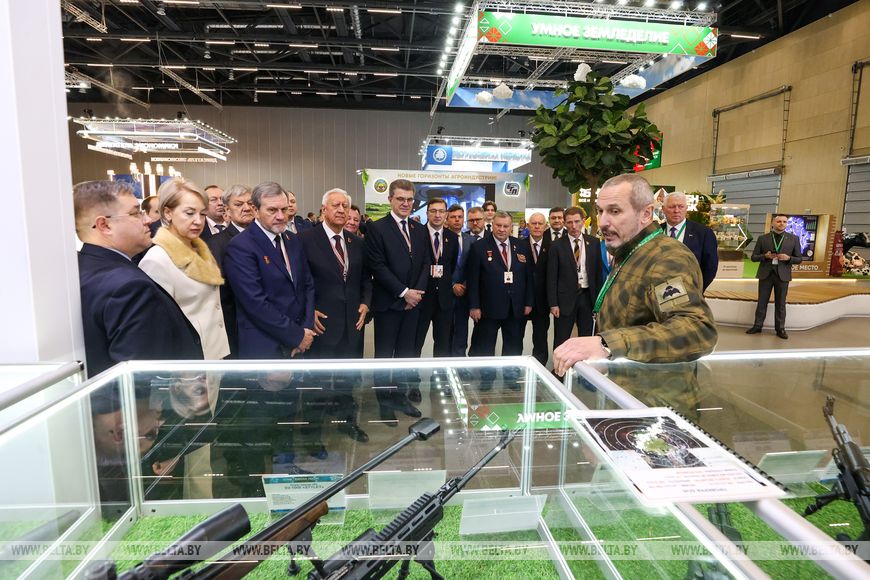
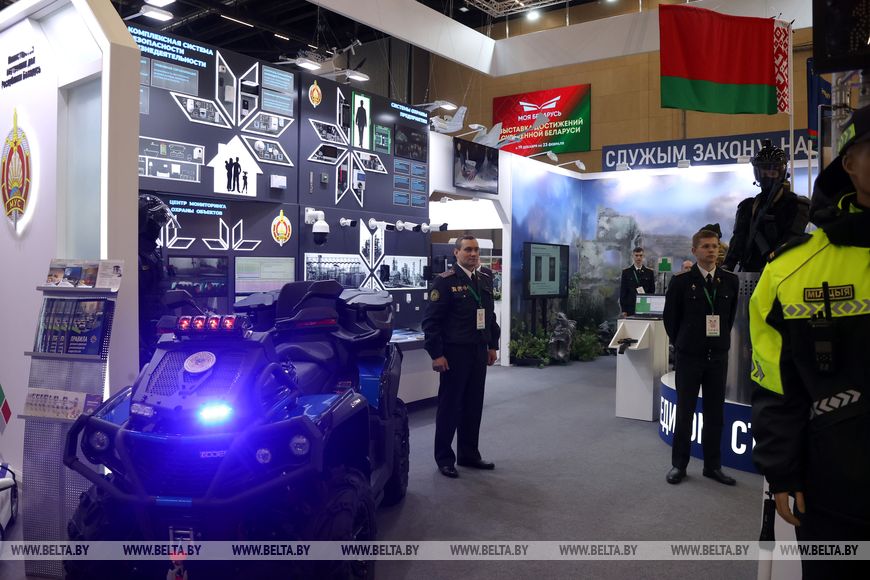
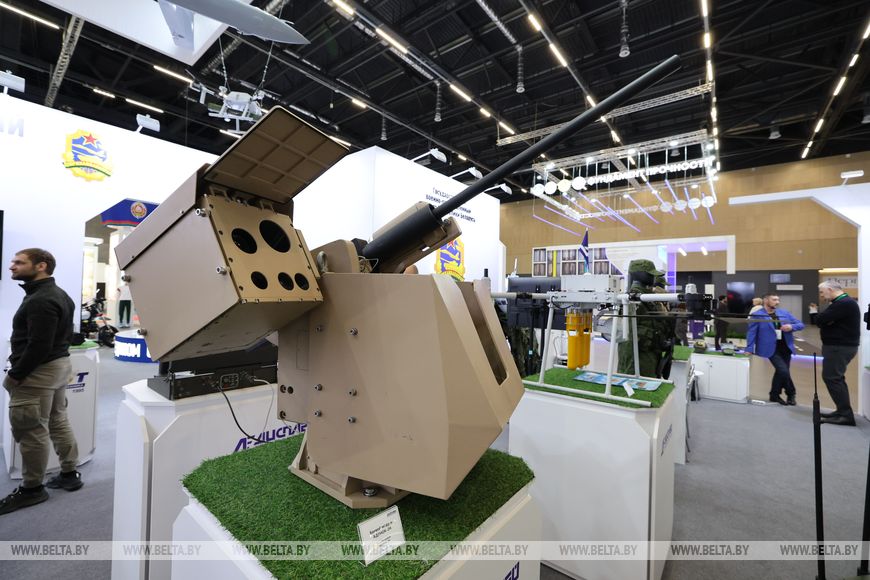
“This is not the first exhibition for the Internal Affairs Ministry. It is especially popular with young people and children thanks to its interactive nature, uniforms, and equipment. It attracts attention to the service and educational institutions,” said Dmitry Tkachik, Chief of the Department of Information and Propaganda Work, Social Affairs, and Law at the Ideological Work Office of the Belarusian Internal Affairs Ministry. “Such events generate interest in the profession and service in law enforcement agencies.”
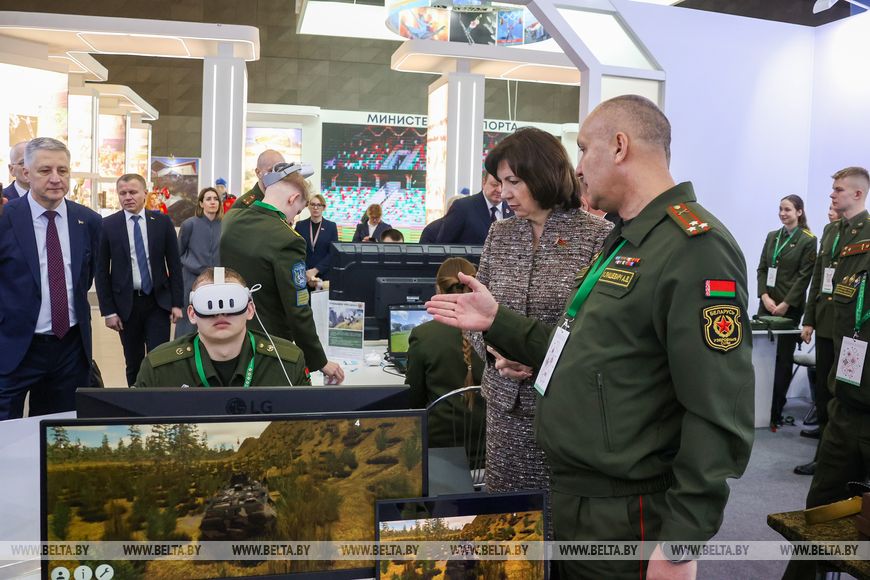
In the same area the Emergencies Ministry reveals a comprehensive approach to safety: from modern gear for rescue workers and research products from the Emergencies Ministry’s University of Civil Protection and from the Fire Safety Research Institute to the training of specialists, career guidance, and the encouragement of a safety culture among the population. Guests will see how the system works at all levels: from science and training to prevention and response to emergencies, with an emphasis on interactive and visual effects such as light, smoke, and holographic projections. The exposition is divided into thematic zones: one features firefighting gear with visual effects where visitors can take electronic safety tests and practice calling rescue workers on a tablet. The family zone offers games and contests to reinforce safe behavior skills. In the VR zone the VERS simulator models firefighting in realistic conditions while the Fire Truck installation with a dummy model shows equipment and gear complemented by a photo zone and video.
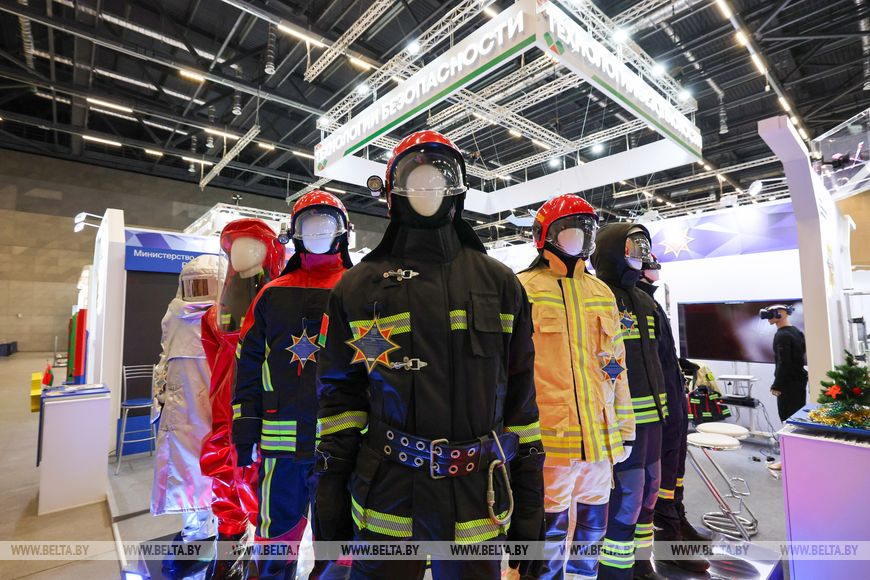
Children are encouraged to complete a quest in a smoke-filled room where they have to search for objects and learn what to do in case of fire. The room features a LED screen with videos. The photo zone with a quad bike and Emergencies Ministry dog handlers completes the stand, turning it into a live space where safety becomes an exciting discovery for all ages.
Another hall features a themed area called “Traditions and cultural heritage.” In this hall at the National Tourism Agency’s stand guests are immersed in a cozy relaxation area where they can discover the full range of the country’s tourist treasures and watch videos about the country’s tourism potential. QR codes lead to the restored gems of Belarus - Kosovo Castle, manors, and palaces - while the History Institute of the National Academy of Sciences of Belarus presented a sensation: artifacts dating back 400,000 years and pushing the history of the country’s settlement back by centuries.
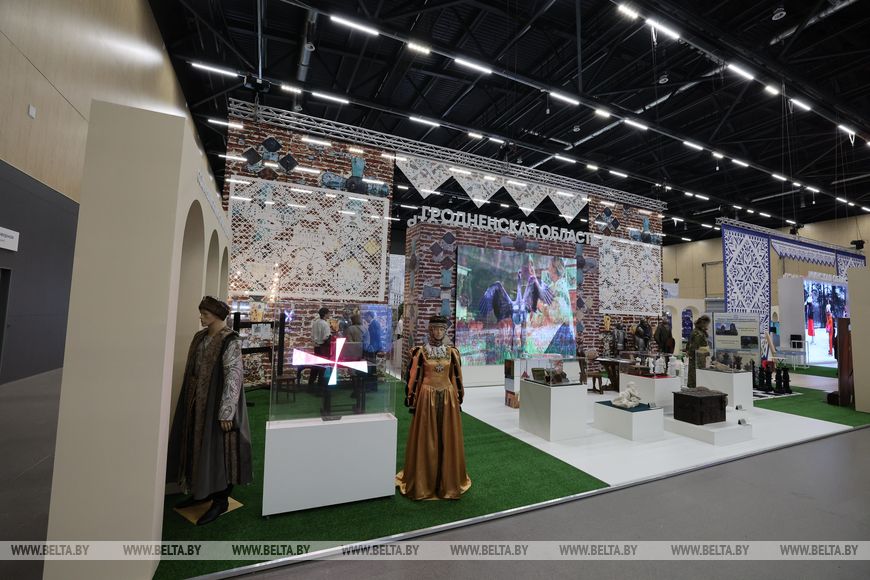
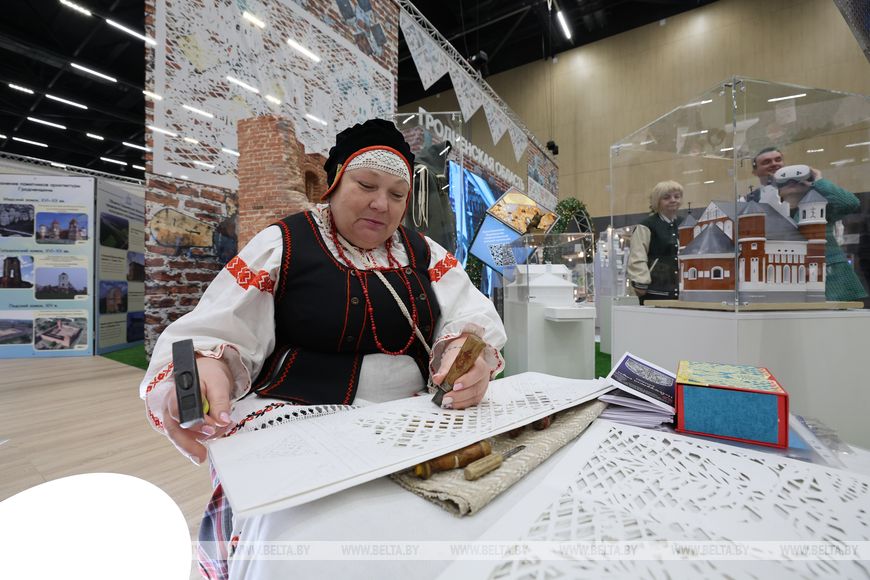
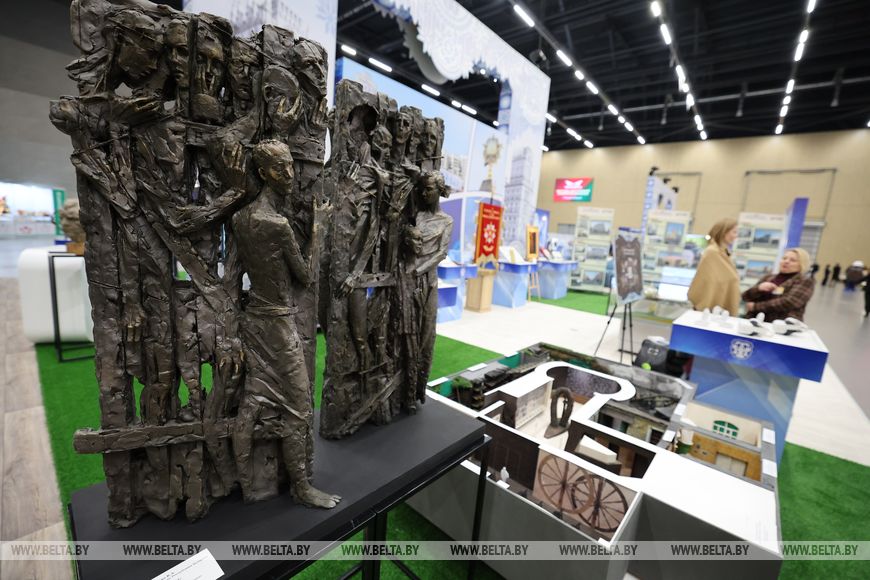
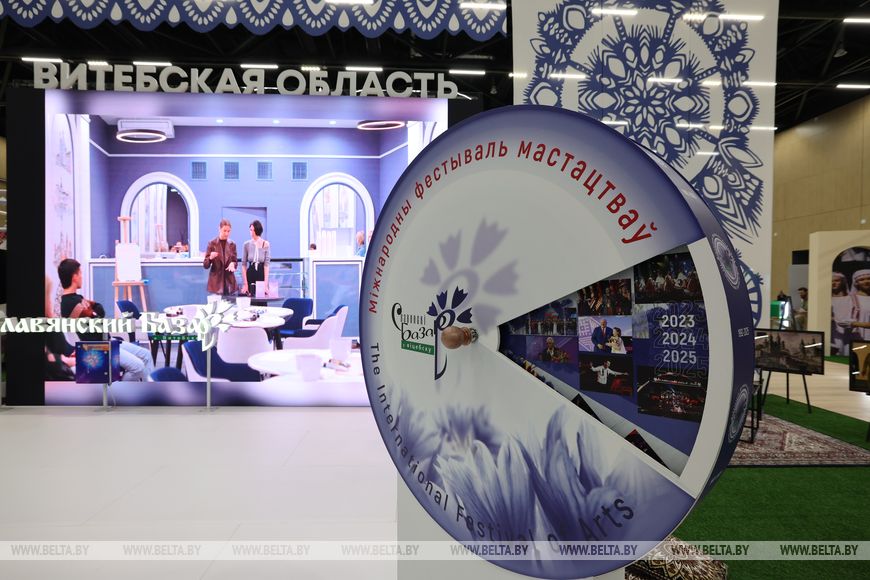
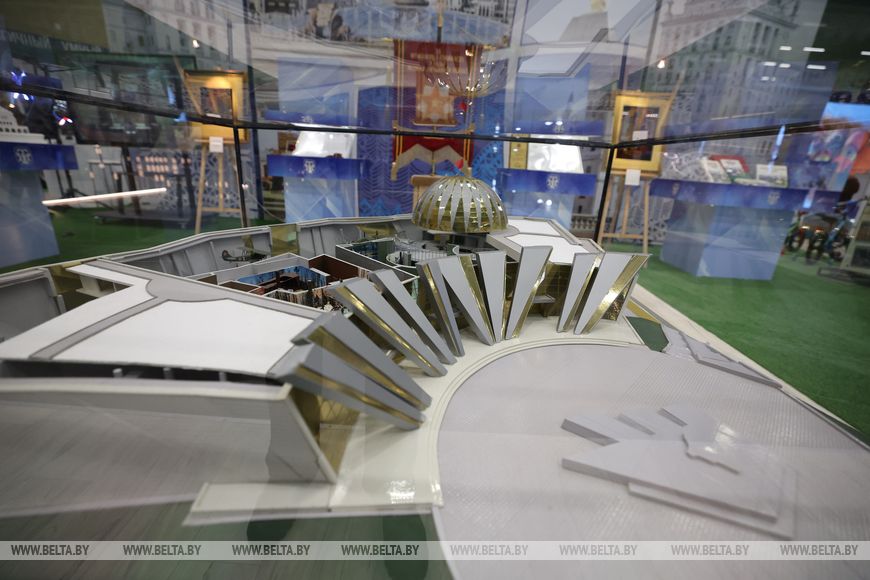
Every oblast presented its resources with an emphasis on a specific type of tourism: from business and ecotourism to cultural and active tourism. They are stylistically united by stained glass windows decorated in the style of Belarusian vytsinanka, which was included in the UNESCO Intangible Cultural Heritage List in 2024. Guests can check out and take home the latest tourist maps and brochures on all destinations to make their dreams of traveling around their homeland come true, not only online but also in real life.
How to get to the exhibition at the Minsk International Exhibition Center?
From 19 December additional buses will run on the days of the My Belarus exhibition. Special routes from the metro: No.912e from the Akademiya Nauk metro station and No.962e from the Pushkinskaya metro station.
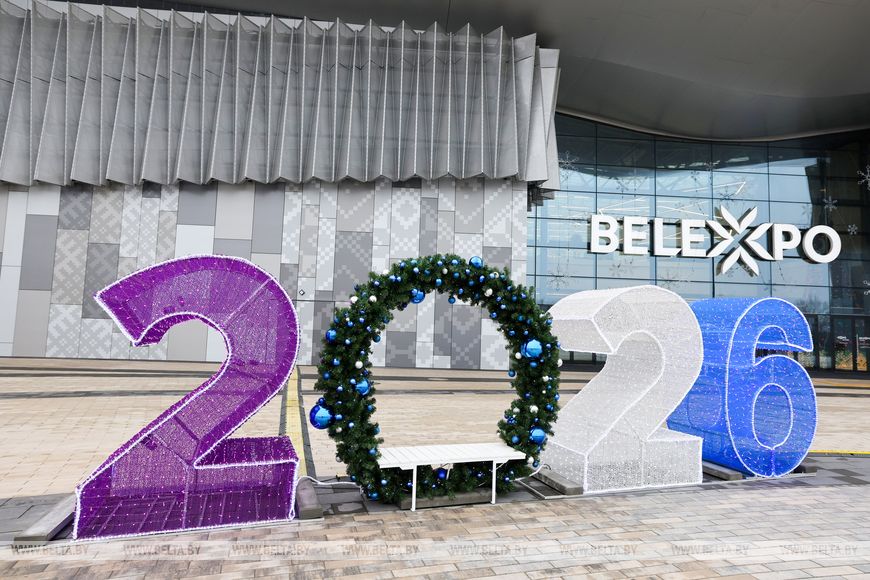
Bus operating hours: on weekdays - from 10:30 to 21:00 with the traffic interval of about 15 minutes, and on weekends and holidays - from 9:00 to 22:00, with the traffic interval of about 10 minutes.
The timetable for buses No.912e and No.962e is subject to change. Please check the website of the state-owned mass transit operator Minsktrans for the latest information.