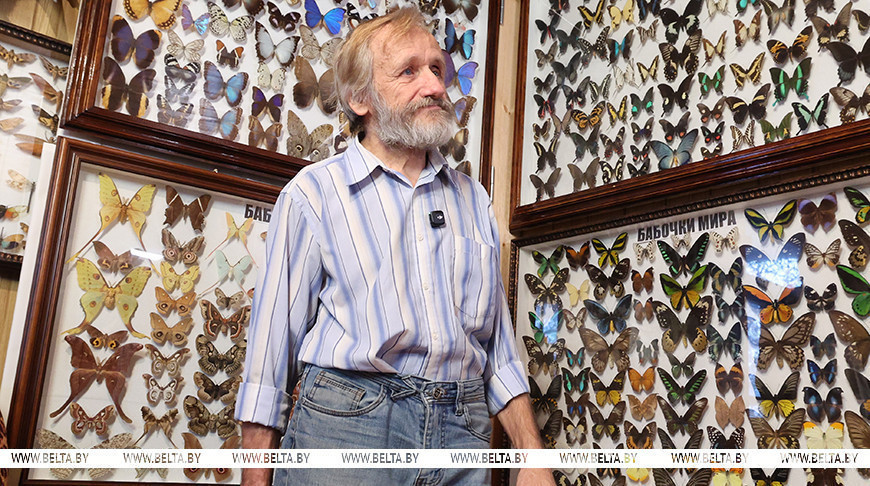
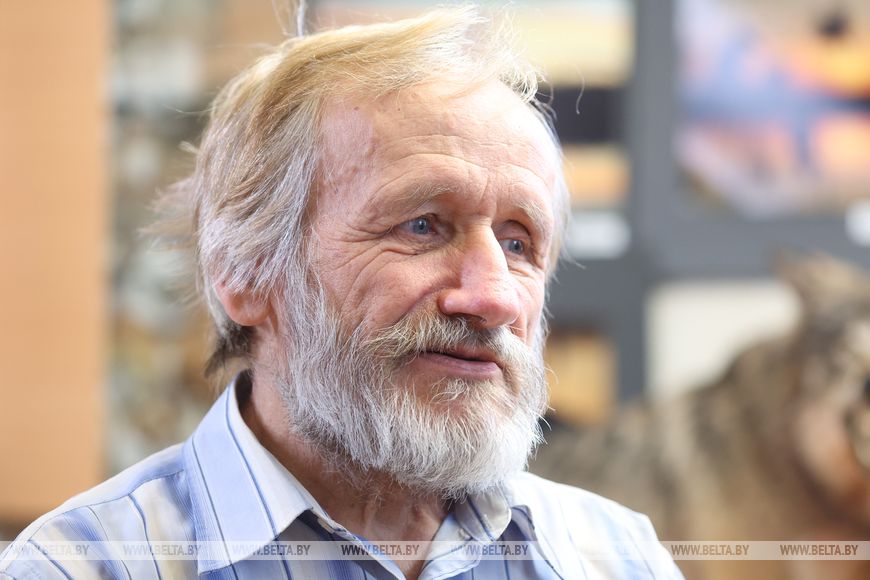
More than 20 countries, two mountain ascents, a 10,000km cycling marathon, and three car rallies—the longest spanning 27,000 km. The hero of our project is 66‑year‑old Gennady Puzankevich: not only a daring traveler who has spent weeks living among cannibals and climbed mountains in flip‑flops, but also one of the country's finest taxidermists. When you meet him, you realize this is a man with a subtle sense of humor, philosophical depth, an indefatigable explorer, and a romantic.
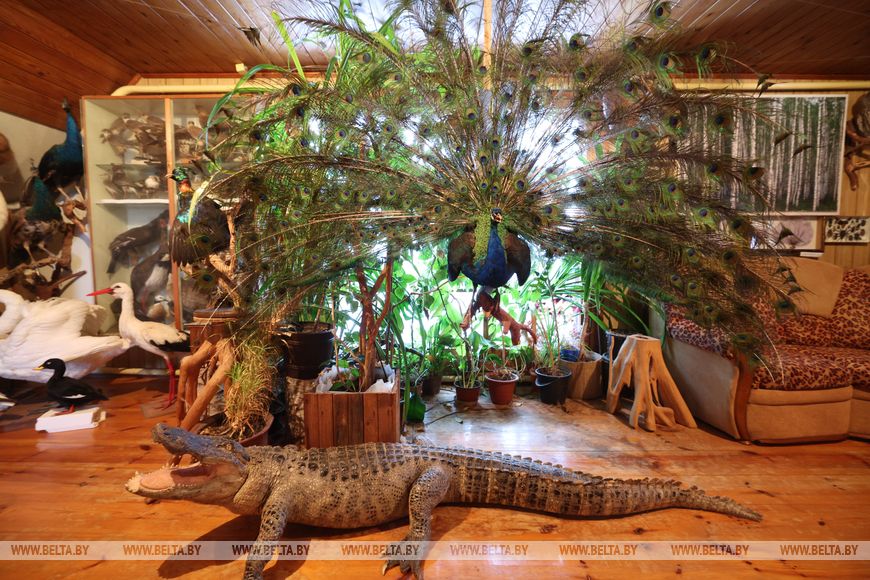
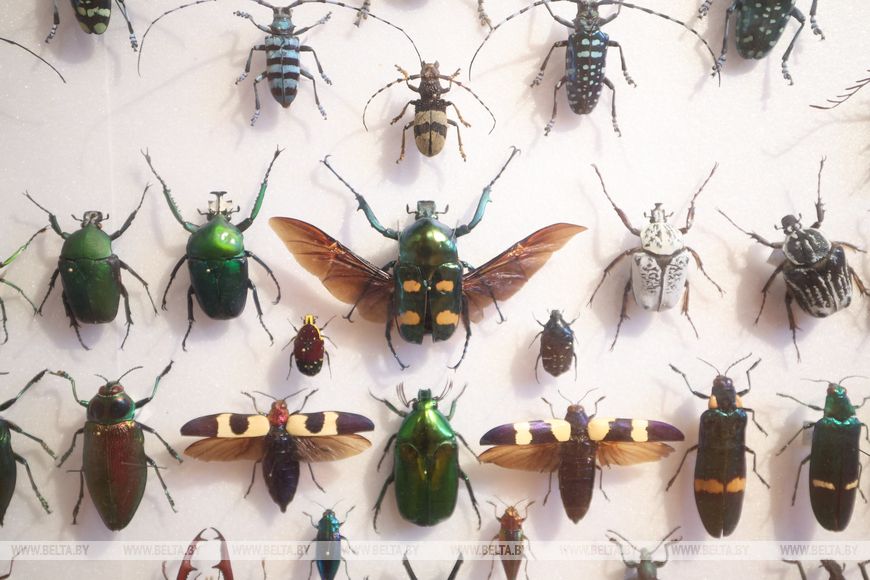
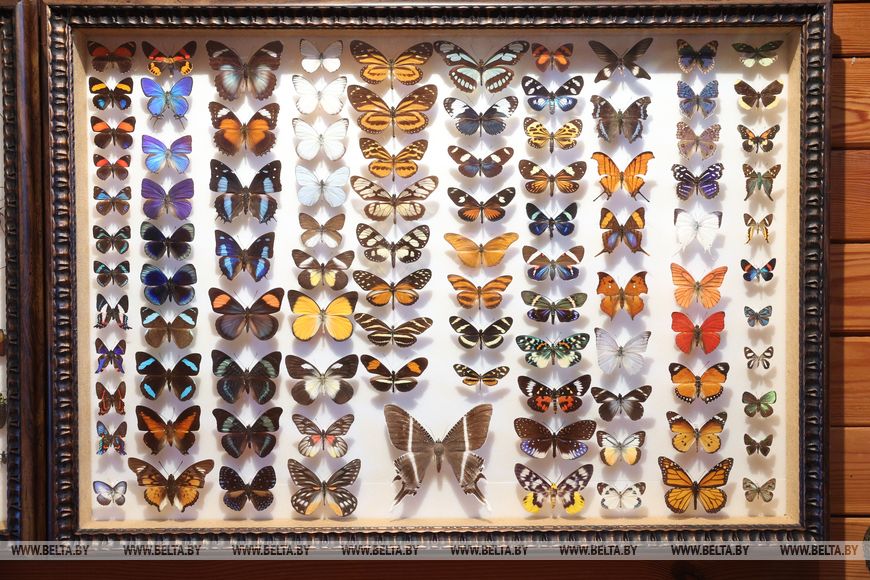
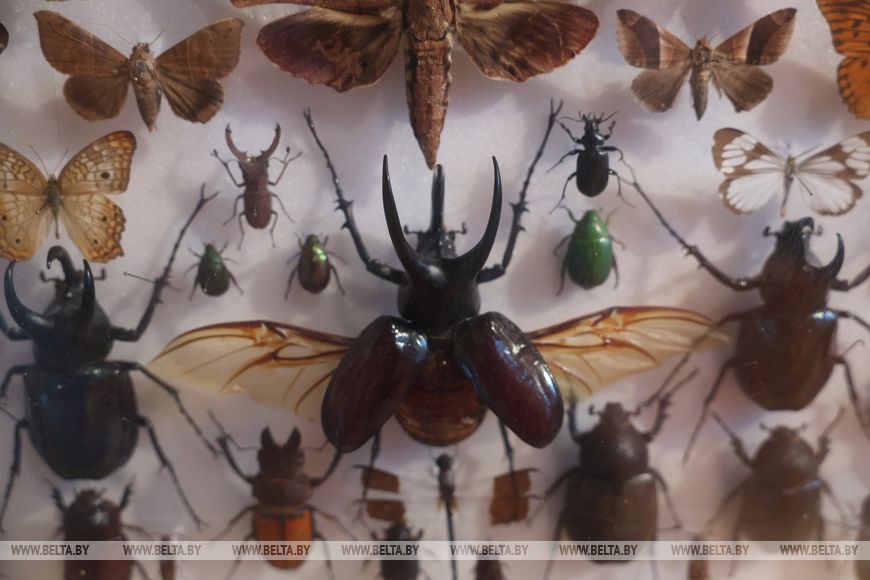
The beautiful two-story wooden house immediately catches the eye. The young residents of Zhodino know it primarily as a zoological museum. Schoolchildren are brought to visit Gennady Puzankevich so they can get acquainted with the amazing world of animals, birds, and insects, not only from Belarus but from across the entire planet. The main distinction: the birds, beasts, and insects are presented as taxidermy mounts. This is a particular delight for visitors: they can examine them in detail and even “look them in the eyes”.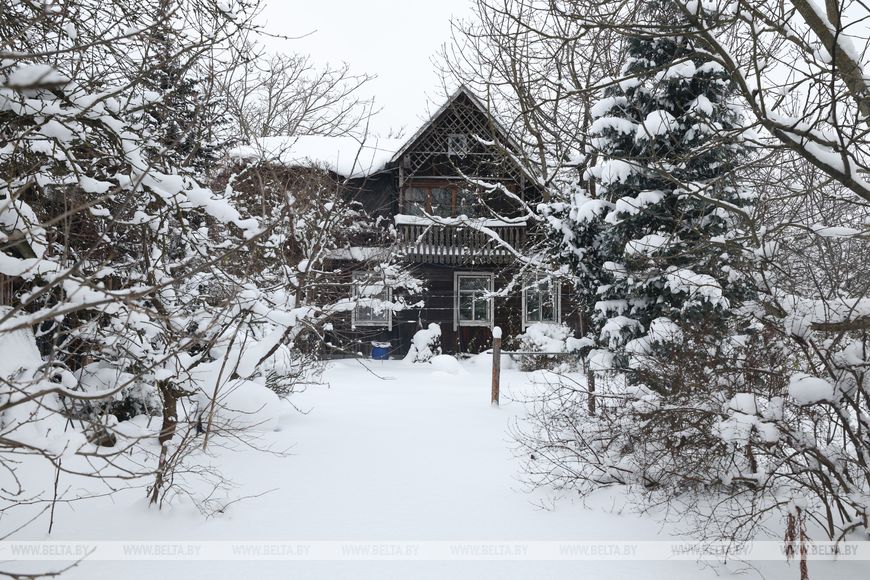
“I had no idea how it was done. I didn’t have access to any literature,” he recalled. “Later I learned that my grandmother had done taxidermy before the war, but she died young. My mother only told me how she taught her to skin animals and stuff them. In 1974, I made my first mount. It is still in the collection.”
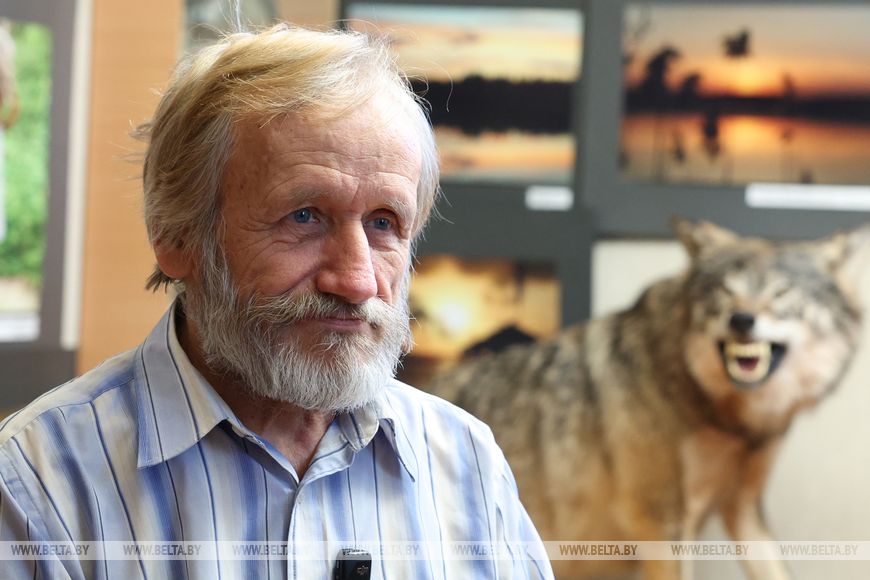
 By profession, Gennady Puzankevich is a forester. He graduated from Borisov Forestry College, then completed courses as an ecologist-hunting specialist at Belarusian State Agrarian Technical University. When working at the forestry enterprise, he was offered the opportunity to organize a taxidermy cooperative, the only one of its kind in the country. The products were on sale in hunting supply stores and used as visual aids in schools and other educational institutions. Today, the work of Master Puzankevich and his assistants can be seen in the exhibitions of the Pripyat and Berezina nature reserves, and in Belovezhskaya Pushcha National Park.
Currently, his collection numbers 705 specimens, not counting insects. It is registered with the Ministry of Natural Resources and Environmental Protection. Remarkably, it is registered under No. 2, the first registration belongs to Belarusian State University.
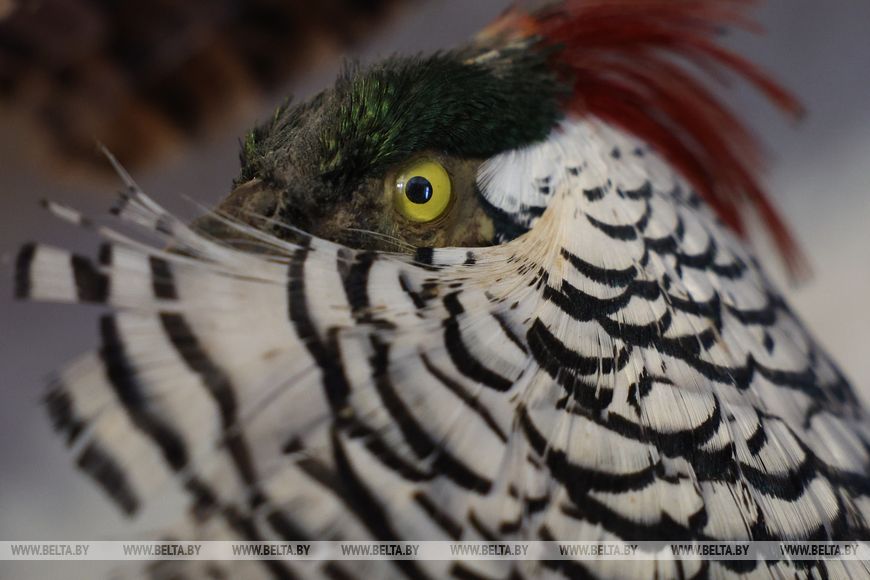
 “It’s all official,” he emphasized explaining how lifeless animals and birds come into his possession: electricians find birds under high-voltage power lines, rescue workers from the Emergencies Ministry bring injured animals, hunters share their trophies, zoos hand over deceased rare specimens, and ordinary city dwellers bring in finds. He does not mount domestic pets. He makes that clear upfront. The collection has been assembled over several decades. Among the exhibits are many species from the Red List Book: white-tailed eagles, peregrine falcons, brown bears… He has a special permit to keep them. Among the largest taxidermy mounts are a bear and a crocodile. In fact, there are two: a Nile crocodile and an alligator.
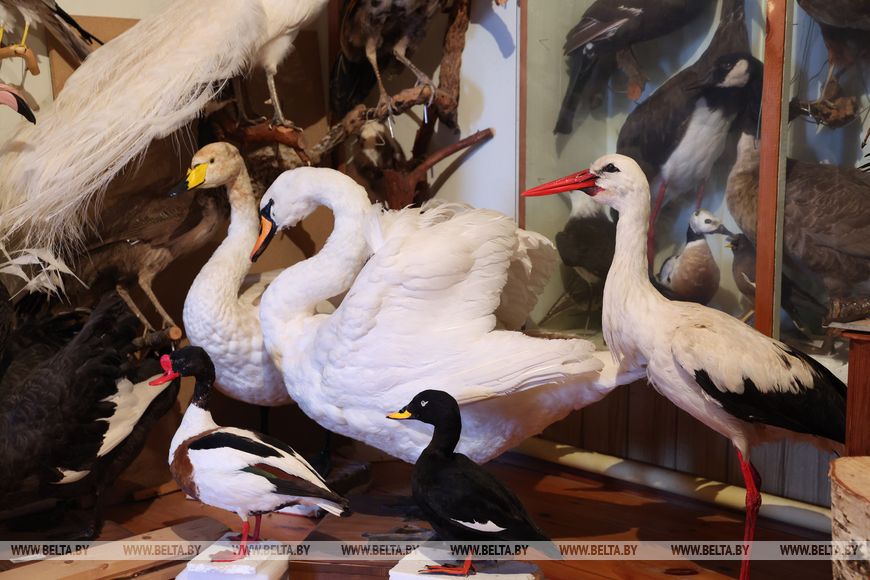
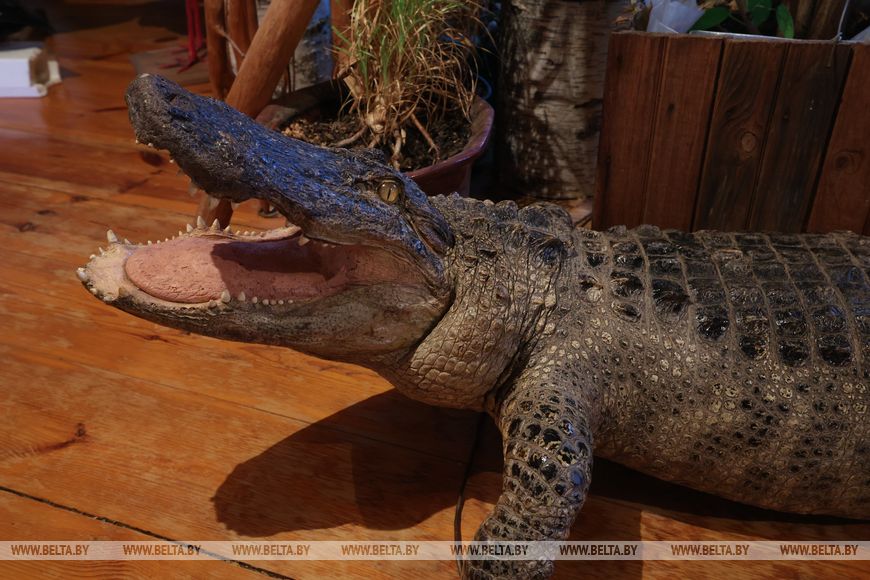 “With today’s technology and internet access, making a simple mount isn’t particularly difficult,” Gennady Puzankevich said. “The hardest part is giving it a pose so that the animal looks lifelike. Of course, you need to know biology, anatomy, and habits to correctly emphasize the muscles, and you need patience to arrange the feathers with tweezers.”
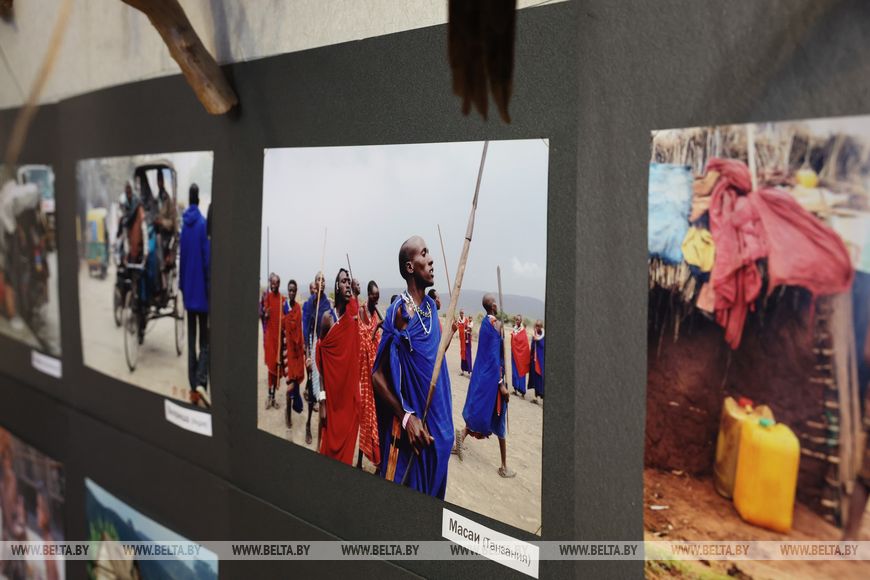 After every major trip, his photo exhibitions were held in Zhodino, attracting hundreds of his fellow townspeople. It is always more interesting to hear firsthand stories about the life of cannibals, mountain climbing, or a bike trip of over 10,000 kilometers. There are unlikely to be many brave souls capable of repeating such feats.
 His first trip abroad took place only in 2000, when Gennady Puzankevich was 40 years old.
 “There are 110 species of lemurs there. They don’t hide because hunting them is prohibited and there are almost no natural predators. You walk into the forest, and it’s unclear who’s watching whom - you watching the lemurs or them watching you. They come down from the trees and examine you. For a wildlife photographer, it’s pure Klondike,” Gennady Puzankevich emphasized.
 - “A friend from a travel agency once called me and said: ‘There are some people just as crazy as you flying there. I’ll give you their number.’ We talked, discussed everything, and only met in person at the airport. We got there on six different flights,” Gennady Puzankevich recalled.
Gennady is convinced: he hardly needs any other footwear. And his son walks barefoot in slippers in the cold. Is this a trend, a fashion statement, or a trait of the Puzankevich family?
 “When asked, I sometimes joke: if you are not right in the head, your feet will be just fine,” our hero laughs. “But the truth is, our family made a conscious choice. The children were little and kept coming down with colds. We started building their resilience, they would ask to run around naked even in the snow. To lead by example, my wife and I began taking dips in the ice hole ourselves. And the children stopped getting sick. I still do my morning exercises and go barefoot in slippers all year round. The ice hole, however, is now reserved for after the sauna.” So, at 66, Gennady Puzankevich feels excellent and is ready for new adventures.
‘They know they can’t keep me at home’
 “They know they can’t keep me at home,” Gennady admits. “Not everyone can come with me. My son last accompanied me on a car trip. Now I am free, a pensioner. Before, I used to do this: I would plan a trip, write a resignation letter, travel for two or three months, then come back and find a new job.”
“What do you get from traveling?” we ask at the end of the conversation.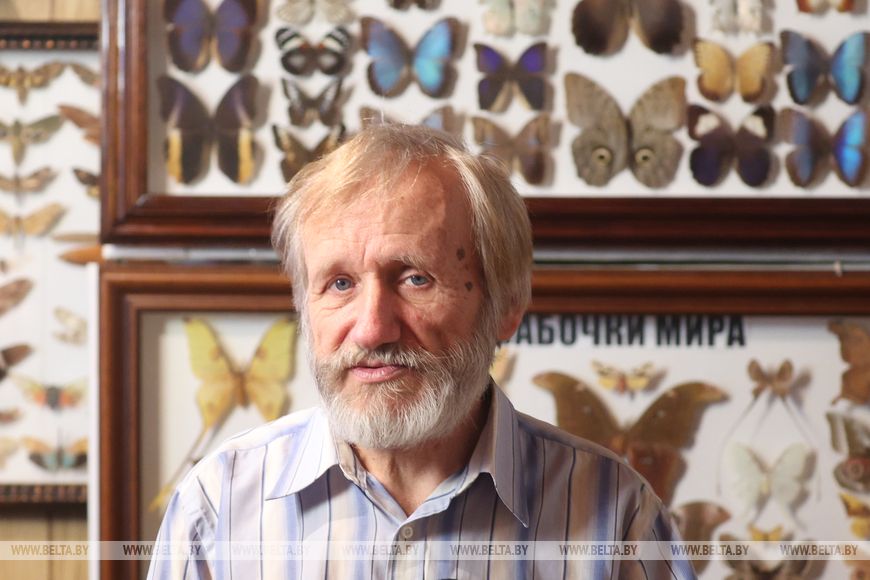
 “It changes your worldview. When you are away from civilization, under serious physical and psychological strain, you start perceiving life differently. You realize how little time we find to talk with family and friends. And we often come to that realization too late. Other trips bring pure moral satisfaction, a spiritual uplift, a renewed interest in life: you want to live and discover something new. If you don’t have a goal, it’s no longer life, just existence. This becomes especially apparent with age,” our hero notes philosophically.
Gennady Puzankevich lives in his own house in Zhodino, a project he conceived during his military service and, upon returning, brought to life almost single-handedly. He was born here, the village of Sudobovka at that time which has since become part of the city. He raised four children, two of whom were adopted.
The beautiful two-story wooden house immediately catches the eye. The young residents of Zhodino know it primarily as a zoological museum. Schoolchildren are brought to visit Gennady Puzankevich so they can get acquainted with the amazing world of animals, birds, and insects, not only from Belarus but from across the entire planet. The main distinction: the birds, beasts, and insects are presented as taxidermy mounts. This is a particular delight for visitors: they can examine them in detail and even “look them in the eyes”.
His passion for taxidermy began in childhood, when young Gennady wanted to “breathe life” into an already dead bird.
By profession, Gennady Puzankevich is a forester. He graduated from Borisov Forestry College, then completed courses as an ecologist-hunting specialist at Belarusian State Agrarian Technical University. When working at the forestry enterprise, he was offered the opportunity to organize a taxidermy cooperative, the only one of its kind in the country. The products were on sale in hunting supply stores and used as visual aids in schools and other educational institutions. Today, the work of Master Puzankevich and his assistants can be seen in the exhibitions of the Pripyat and Berezina nature reserves, and in Belovezhskaya Pushcha National Park.
“Later, the cooperatives were closed down, and I took other jobs, but this remained as a side occupation,” Gennady Puzankevich said.
“It’s all official,” he emphasized explaining how lifeless animals and birds come into his possession: electricians find birds under high-voltage power lines, rescue workers from the Emergencies Ministry bring injured animals, hunters share their trophies, zoos hand over deceased rare specimens, and ordinary city dwellers bring in finds. He does not mount domestic pets. He makes that clear upfront. The collection has been assembled over several decades. Among the exhibits are many species from the Red List Book: white-tailed eagles, peregrine falcons, brown bears… He has a special permit to keep them. Among the largest taxidermy mounts are a bear and a crocodile. In fact, there are two: a Nile crocodile and an alligator.“With today’s technology and internet access, making a simple mount isn’t particularly difficult,” Gennady Puzankevich said. “The hardest part is giving it a pose so that the animal looks lifelike. Of course, you need to know biology, anatomy, and habits to correctly emphasize the muscles, and you need patience to arrange the feathers with tweezers.”
“How long can taxidermy mounts last?” we ask.
“In St. Petersburg, there are specimens that Peter the Great brought from abroad. And they are still in excellent condition!” he replied. “Of course, all of these specimens require proper care.”
The greatest damage to mounts comes from dermestid beetles, moths, and direct sunlight, which causes plumage and fur to fade.
Fulfilled a childhood dream and came back alive
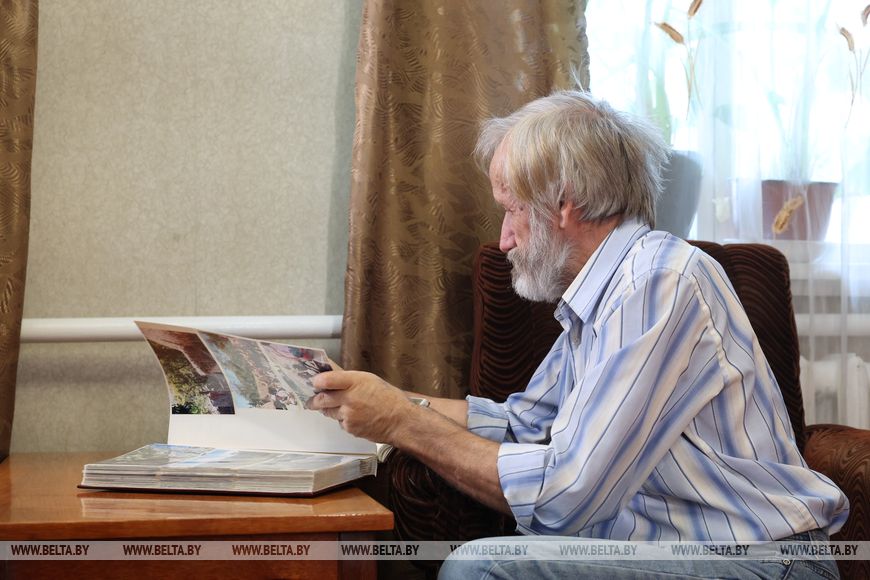
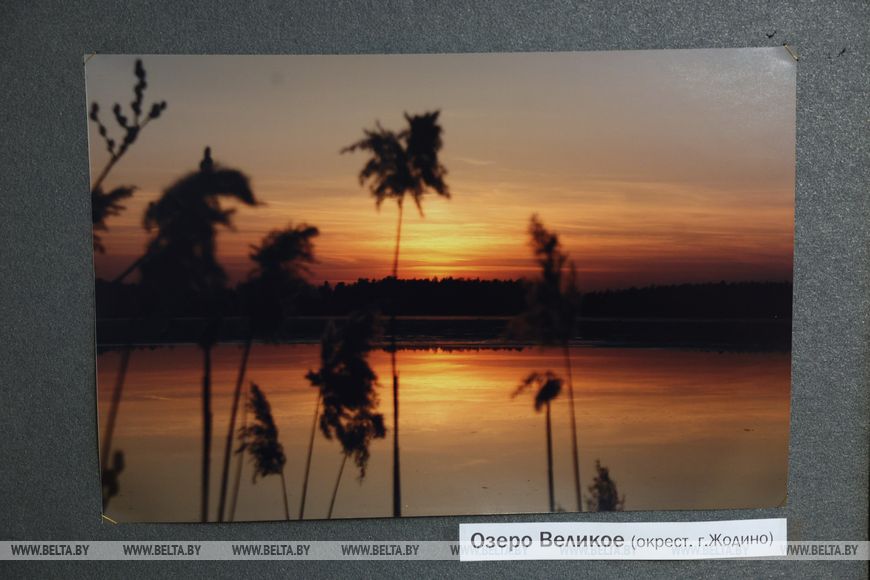
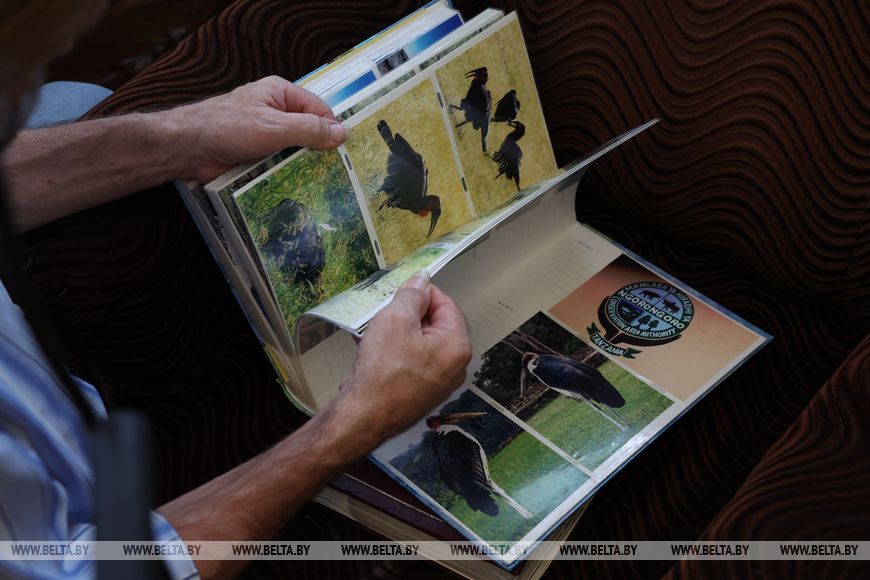
Next to the mounts in Gennady Puzankevich’s home hang vibrant photographs from around the world, also taken by our protagonist.
“I put them up for the school students so they could see different animals and the way of life of various peoples,” Gennady Puzankevich explained.
After every major trip, his photo exhibitions were held in Zhodino, attracting hundreds of his fellow townspeople. It is always more interesting to hear firsthand stories about the life of cannibals, mountain climbing, or a bike trip of over 10,000 kilometers. There are unlikely to be many brave souls capable of repeating such feats.
“I suppose I’ve had a yearning for travel since childhood. As far back as I can remember, when I was very small, I would try to crawl as far as I could into the garden and watch every little bug,” Gennady Puzankevich said.
When he began studying geography at school, distant lands started to beckon him: the tropics, the rich world of plants and animals. But for a Soviet person, this was almost beyond reach.
His first trip abroad took place only in 2000, when Gennady Puzankevich was 40 years old.
“On New Year’s Day,1 January - my birthday, and the century was changing as well - my wife and I flew to Sri Lanka. It was an organized tour; the idea of traveling independently didn’t even cross my mind back then,” Gennady recounted. “Impressions? Just wow! Back home it was freezing, but there it was hot, green, birds singing. It felt like I’d stepped into paradise.”
Five years later, he began planning trips on his own. His daughter Yelena would search online for cheap flights and accommodation. He doesn’t speak any foreign languages, so communication relies on hand gestures, pencil, and paper.
“I already know in advance what I want to see in a country. As for how to go about it, I figure that out once I’m there,” Gennady admitted.
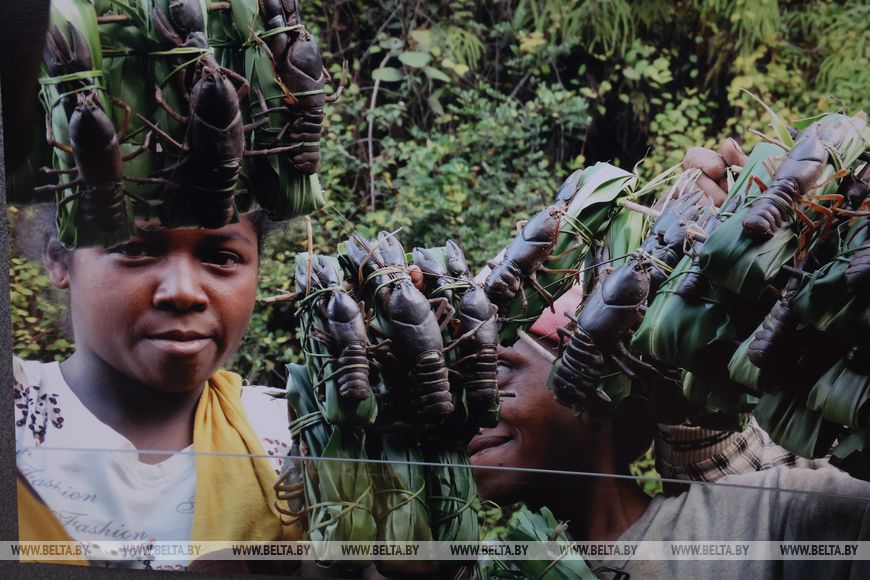
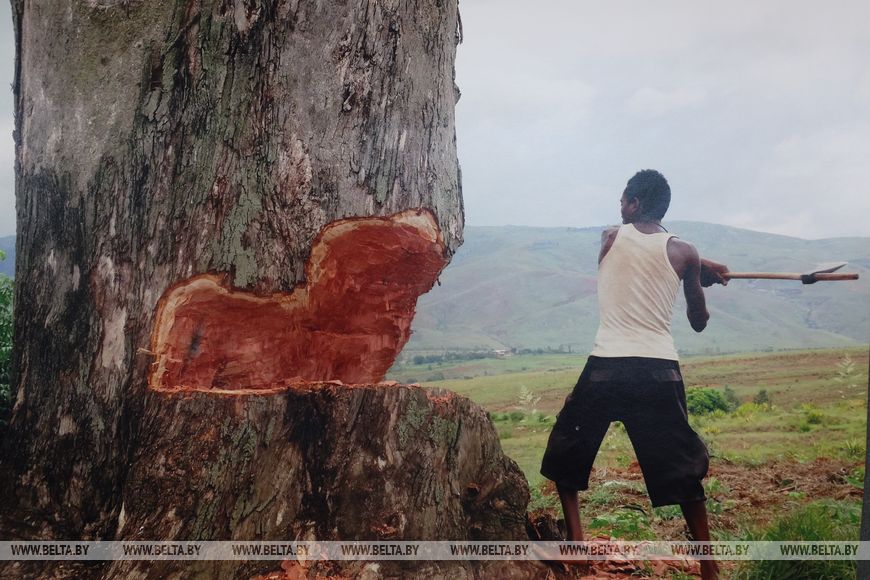
Each country offers him unique impressions. The wildlife of Madagascar left a strong impact.
“There are 110 species of lemurs there. They don’t hide because hunting them is prohibited and there are almost no natural predators. You walk into the forest, and it’s unclear who’s watching whom - you watching the lemurs or them watching you. They come down from the trees and examine you. For a wildlife photographer, it’s pure Klondike,” Gennady Puzankevich emphasized.
In terms of the richness of flora and fauna, he was also impressed by the island of Borneo, where Gennady visited twice for a month each time. Unique animals live there - proboscis monkeys, orangutans. It was there that he climbed the highest peak in Southeast Asia, Mount Kinabalu, at 4,095 meters.
But nature is not the only thing that captures Gennady Puzankevich’s heart.
“The people in Malaysia are very kind. You meet someone on the street, and they greet you with a smile. I never once saw anyone drunk. I stayed in a tent on the shores of the Indian Ocean. Local guides told me: ‘You can sleep on a bench in the park; no one will bother you’. In the Philippines and Madagascar, when I ate at local places, they often gave me food for free,” Gennady recounted.
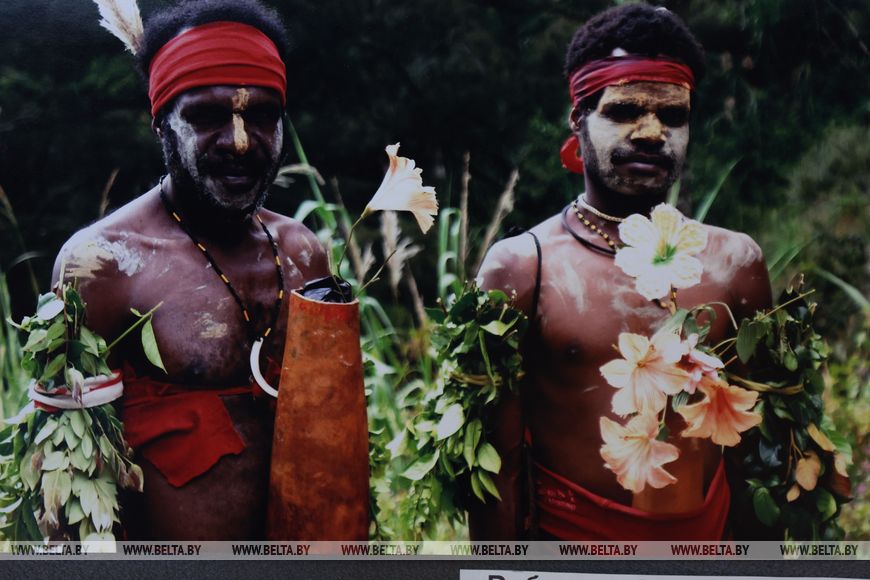
A trip to a tribe of cannibals has always held special fascination for him. It was a dream born back in school geography lessons. And making it come true was extremely difficult: no tour operator would take tourists there.
- “A friend from a travel agency once called me and said: ‘There are some people just as crazy as you flying there. I’ll give you their number.’ We talked, discussed everything, and only met in person at the airport. We got there on six different flights,” Gennady Puzankevich recalled.
When they set out, they didn’t know that just a few months before their arrival, the Papuans had killed and eaten an Australian tourist and two missionaries.
“But those are extremely rare cases. You really have to try hard to provoke something like that,” Gennady said, explaining the rules of interacting with these Papuans. “You must not speak loudly, make sharp gestures, or argue. Offering alcohol is strictly forbidden: they lack the gene that breaks it down, so they become unpredictable. The slightest sudden movement, and they grab their spears. We bought a piglet and gave it to the tribe. Everything went fine, we came back alive. My curiosity was satisfied.”
Gennady Puzankevich considers his most difficult journey not the expedition into the jungle, but a cycling marathon from Zhodino to Vladivostok.
“The danger lies in the narrow roads and constant heavy traffic. Trucks push you off the road with the air stream, or, on the contrary, pull you inward. At first I thought: why did I get myself into this? Then I decided: whatever happens, happens. I made it in a little over three months on a simple bicycle without gears, with a tent and luggage.”
What were the key results of the trip?
“I reached my goal, fulfilled a childhood dream, and came back alive,” he laughed. He added that traveling by bicycle lets you truly feel nature: the change of biotopes from steppe to taiga, mountain rivers, the wind. “Where I liked it, I stopped and talked to the locals. People mostly welcomed me warmly, helped, and offered food.”
To date, Gennady Puzankevich has visited more than 20 countries, 15 of them tropical.
“That’s only about 10% of all the countries in the world. I’m not chasing numbers. If I like a country, like Malaysia, I go again. I’ve been there three times, and twice on the island of Kalimantan. I also fly wherever the tickets are cheap,” he admited.
‘My feet aren’t afraid of the cold’
Flip-flops are Gennady Puzankevich’s favorite footwear. He wears them when doing carpentry while building his house, when clearing snow in winter, and even when climbing mountain peaks. We asked him to recall his ascent of Africa’s highest point, Kilimanjaro.
“You won’t be allowed on Kilimanjaro without proper gear. I had boots and all the necessary equipment. But we left the last base camp, above 5,000 meters, at night. The guides checked our footwear, so I put on the boots. But when they turned away, I switched back to my flip-flops and threw the boots into my backpack. My feet aren’t afraid of the cold; I felt great in flip-flops. Halfway up they didn’t notice anything: it was night. Then they raised a fuss. The interpreter explained that I was an adult and would change shoes if needed. That’s how I made it to the top. Honestly, in the last 500 meters I no longer had the strength to change shoes. Altitude sickness was kicking in. The ascent was accelerated: not in five days, but in three. My body didn’t have time to adapt to the thin air. One way or another, they managed to get me alone from the group to the top. By the way, it was minus 15 at the summit. I reached it, descended, and didn’t stray from the path,” he shared.
Gennady is convinced: he hardly needs any other footwear. And his son walks barefoot in slippers in the cold. Is this a trend, a fashion statement, or a trait of the Puzankevich family?
“When asked, I sometimes joke: if you are not right in the head, your feet will be just fine,” our hero laughs. “But the truth is, our family made a conscious choice. The children were little and kept coming down with colds. We started building their resilience, they would ask to run around naked even in the snow. To lead by example, my wife and I began taking dips in the ice hole ourselves. And the children stopped getting sick. I still do my morning exercises and go barefoot in slippers all year round. The ice hole, however, is now reserved for after the sauna.” So, at 66, Gennady Puzankevich feels excellent and is ready for new adventures.‘They know they can’t keep me at home’
Living life to the fullest and enjoying it – that is Gennady Puzankevich’s plan for all the years he has on this earth. He dreams of visiting the Galapagos Islands, Brazil, and seeing the Amazon. He also dreams of going on a round-the-world trip.
“After my bike trip to Vladivostok, I received a text message from a man who, as it turned out, had been following my journey online: ‘Let’s do a round-the-world yacht trip, we will discuss the details.’ It was unexpected,” our hero admits.
His family has already accepted that the father and husband often travels alone.
“They know they can’t keep me at home,” Gennady admits. “Not everyone can come with me. My son last accompanied me on a car trip. Now I am free, a pensioner. Before, I used to do this: I would plan a trip, write a resignation letter, travel for two or three months, then come back and find a new job.”
He is already preparing his bicycle for a new marathon, but for now, his car has become a reliable mode of transport. Driving alone, he has covered 27,000 km: Vladivostok, Kazakhstan, Arkhangelsk, the Kola Peninsula. In 2025, the route with his son Viktor was Tyumen – Kazakhstan – Uzbekistan – and back home.
Unfortunately, Gennady does not have social media accounts where one could follow his travels virtually.
“It would take too much time, and I don’t have it. I don’t consider myself a public person,” he says, although exhibitions of his photographs always draw full houses.
However, he has been keeping a diary since 1974 – for over 50 years. He laughingly calls it “a madman’s diary” and notes that he thought he would take up writing his memoirs when he grew old. It means Gennady is still young at heart, saving up memories for a series of captivating novels.
“It changes your worldview. When you are away from civilization, under serious physical and psychological strain, you start perceiving life differently. You realize how little time we find to talk with family and friends. And we often come to that realization too late. Other trips bring pure moral satisfaction, a spiritual uplift, a renewed interest in life: you want to live and discover something new. If you don’t have a goal, it’s no longer life, just existence. This becomes especially apparent with age,” our hero notes philosophically.
Svetlana KIRSANOVA,
Photos by Vitaly PIVOVARCHIK