An archive photo
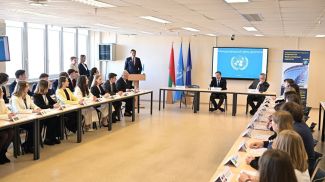
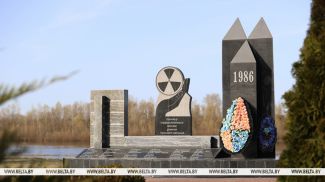
MINSK, 23 April (BelTA) – A solid legal framework ensures effective cooperation within the Commonwealth of Independent States (CIS) on radiation safety, First Deputy CIS Secretary General Igor Petrishenko said at a meeting of the Sustainable Development Council dedicated to the 40th anniversary of the Chernobyl nuclear power plant accident, BelTA has learned.
“The expansion of international cooperation in the nuclear industry and the ensuring of radiation safety are imperatives of our time. This applies not only to industrial projects and production, but also to environmental issues and the sustainable development of territories as a whole,” Igor Petrishenko said.
According to him, the effectiveness of this work will directly depend on success in addressing tasks in three crucial areas: safe management of radioactive waste and spent nuclear fuel, decommissioning of facilities exposed to radiation hazards that have served their purpose, and rehabilitation of contaminated land and its return to economic use.
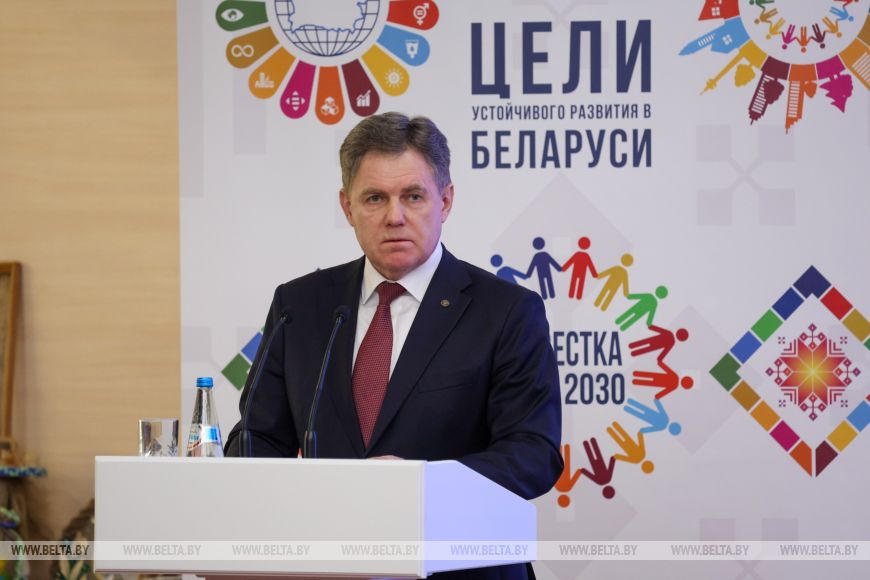
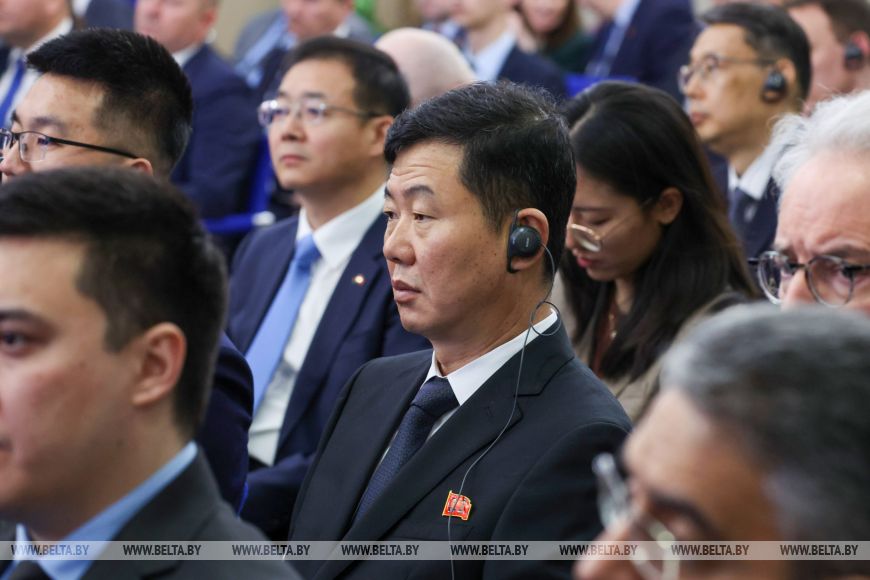
The first deputy CIS secretary general recalled that on 3 April, the CIS Economic Council approved the main areas of cooperation among CIS member states in this field through 2030. He expressed confidence that the implementation of this document will improve the safety of managing radioactive waste and spent nuclear fuel, reduce infrastructure and financial risks associated with decommissioning nuclear facilities, strengthen cooperation among specialized organizations, as well as attract additional investment and advanced technologies to the CIS countries.
A key element in forming a comprehensive legal framework for this work is that, in 2025, the CIS Interparliamentary Assembly developed and adopted a model law on radioactive waste management. This law establishes common benchmarks for the development of national regulatory systems in this area, harmonized with international standards.
Igor Petrishenko expressed confidence that all these measures together will allow the CIS countries not only to rely on a solid organizational and legal foundation for the development of cooperation, but also to ensure effective practical interaction in this field.
“Radiation safety problems know no borders. Therefore, the CIS believes it necessary to regularly include these issues on the agendas of key international organizations and associations, and to constantly draw the attention of the global community to emerging new challenges,” he noted.
The first deputy CIS secretary general recalled that it was at a meeting of the CIS Heads of State Council in Minsk on 1 June 2001 that an address to the UN member states was adopted to declare 26 April the International Chernobyl Disaster Remembrance Day. The heads of state and government of the CIS have consistently made political statements calling for joint efforts to overcome the consequences of the Chernobyl accident and to develop cooperation in preventing potential natural and man-made threats.
“As a rule, relevant addresses are adopted in the CIS every five years. But we can clearly see that in a rapidly changing environment, this topic should be raised annually,” Igor Petrishenko stressed.
Photos by Tatyana Matusevich/BelTA