Polesie is a unique land. For centuries, nature dictated its own rules to the people here, shaping their way of life and their culture. These could differ not only from one district to another, but were sometimes even distinct in neighboring villages. Listen closely: Polesie beckons you to admire its unique natural landscapes and landmarks, inviting you to delve deeper into its traditions and roots. BelTA correspondents have experienced such a journey and are ready to share their insights. In Drogichin District, tourists can witness the restored grandeur of the Orzeszko family chapel and discover what treasures once filled the chests of local villagers. For young women, it is a must to try on the wedding “pava” headdress for a successful marriage.
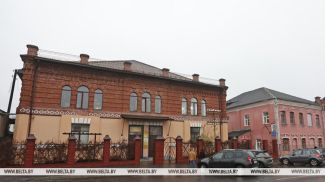
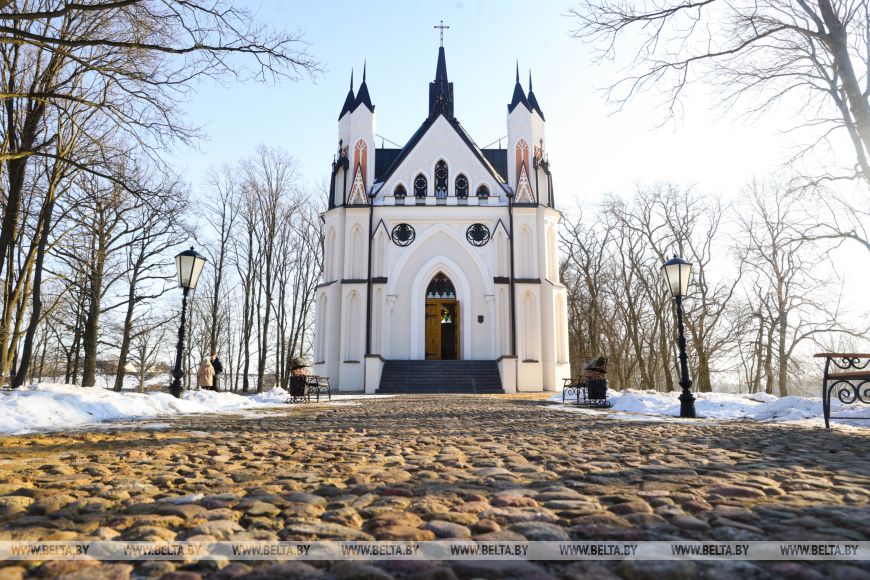
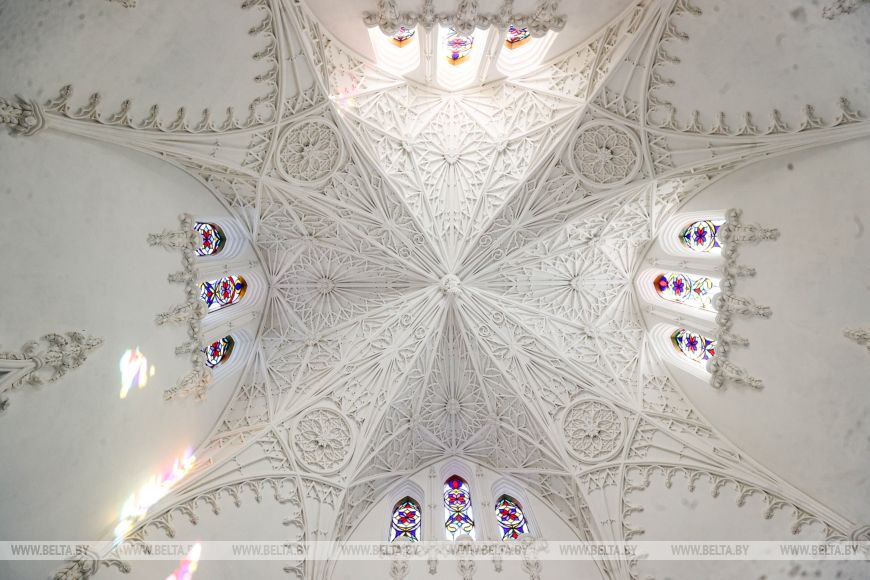
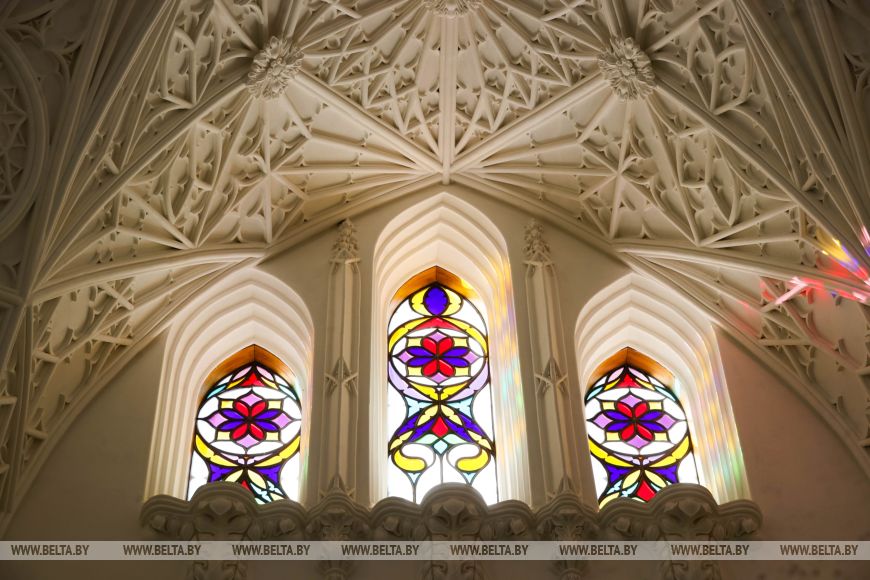
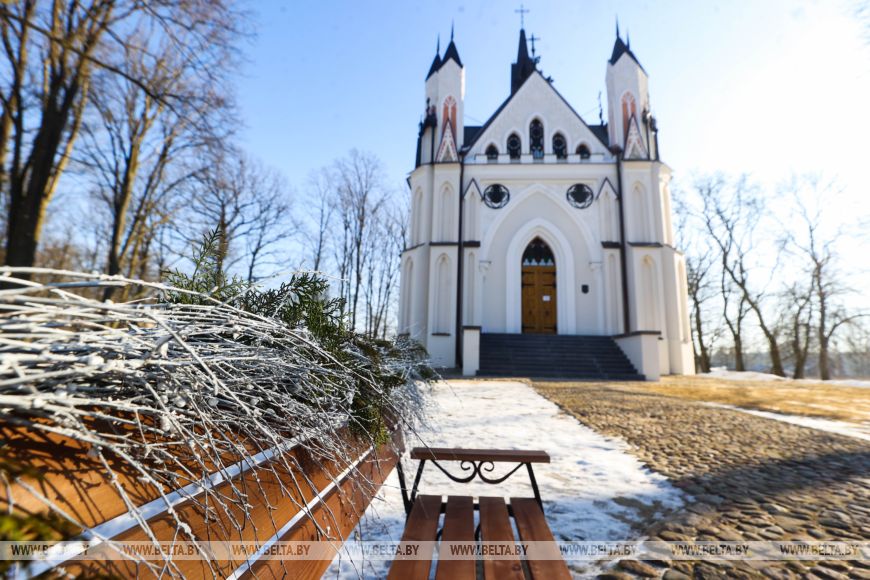
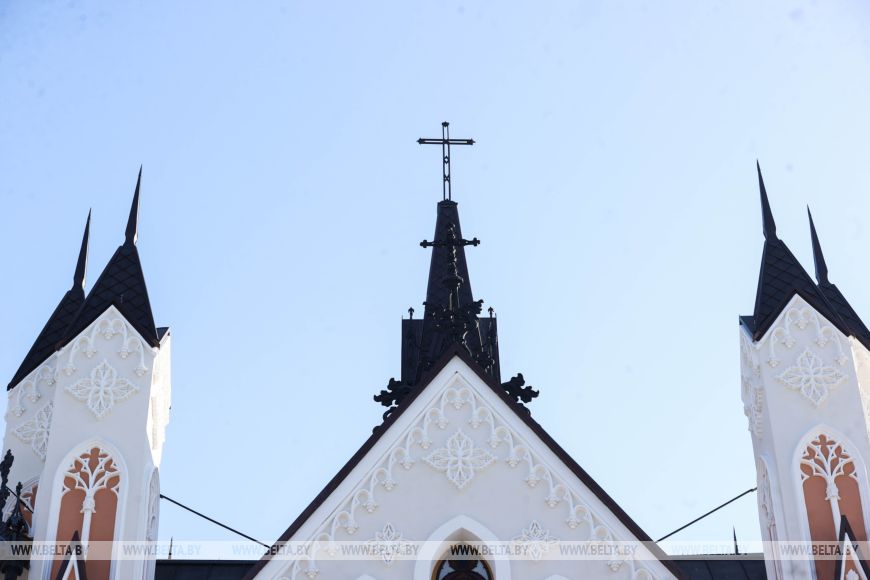
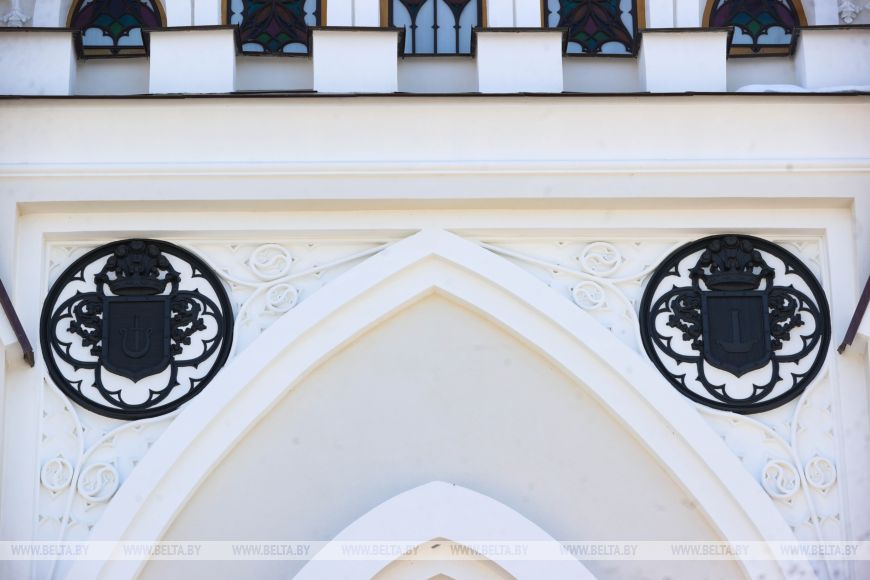
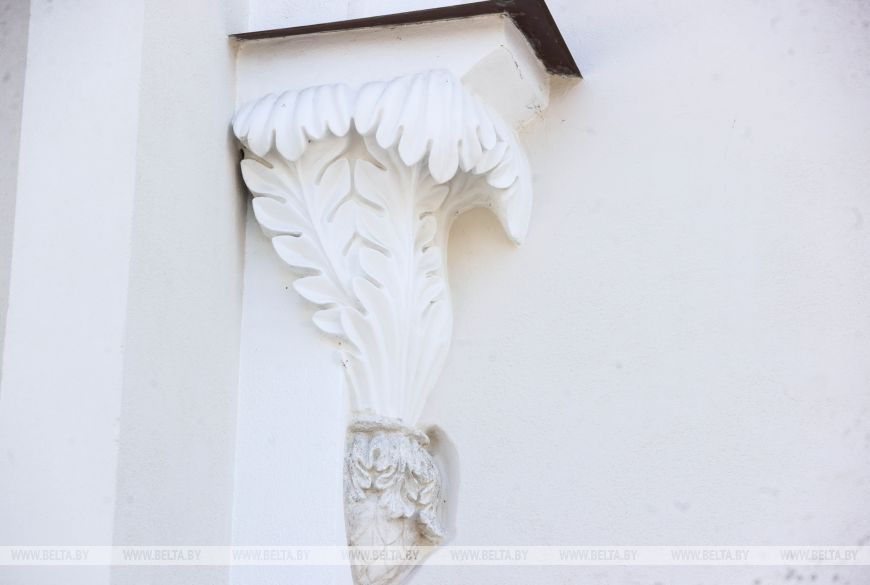
A new point of interest has appeared on the Polesie route in early 2026. Tourists had visited the agrotown of Zakozel before and observed the restoration of the Orzeszko family funerary chapel. Now, its restored splendor can be admired in full. The landmark combines elements of late Classicism with Neo-Gothic style. Situated in a historic estate park, the chapel was built in the mid-19th century. It once teetered on the brink of becoming another lost architectural treasure. However, skilled craftsmen undertook the painstaking task of restoration. Over several years, they rebuilt the roof and turrets, restored the cast-iron details and stained-glass windows. The building facade and the paved walkways around it have regained their historical appearance. The interior work is equally meticulous. The intricate stuccowork is a masterpiece in itself, with a patterned vaulted ceiling that simply captivates the eye.
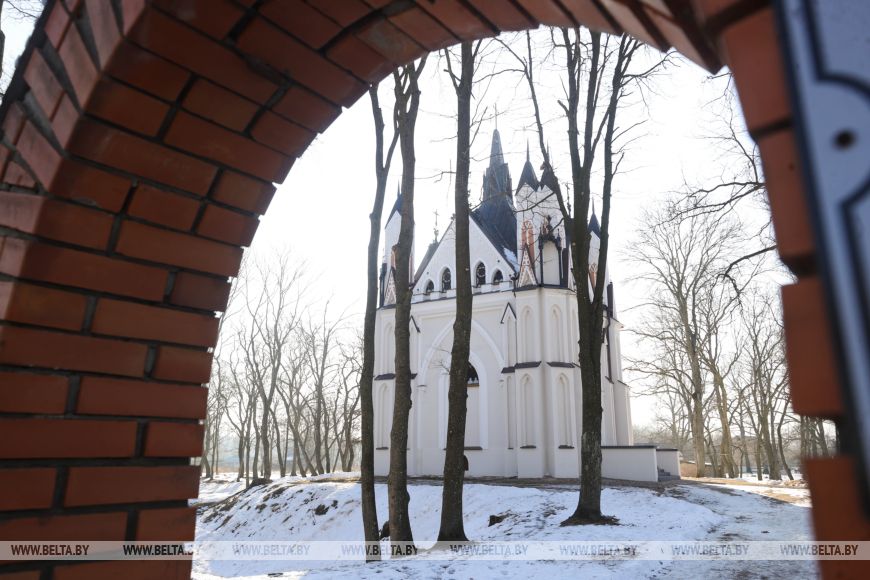
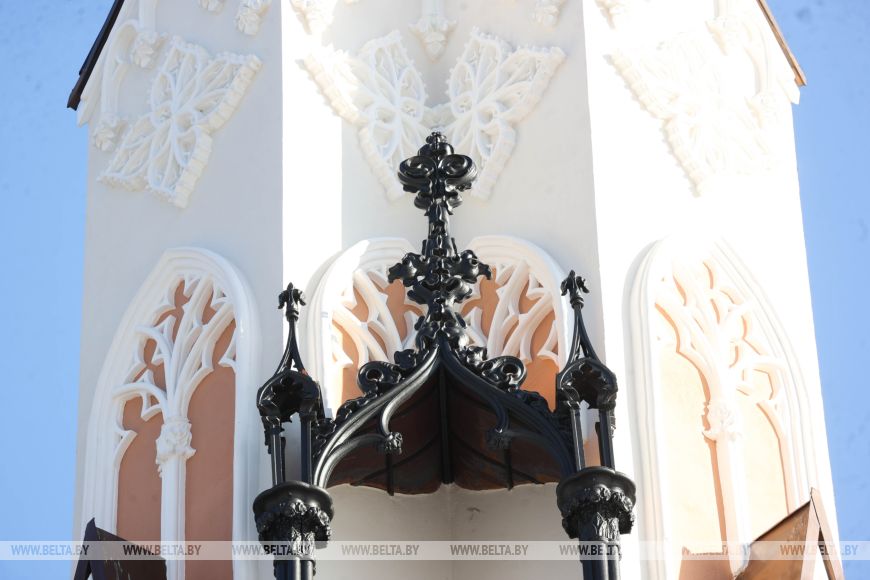
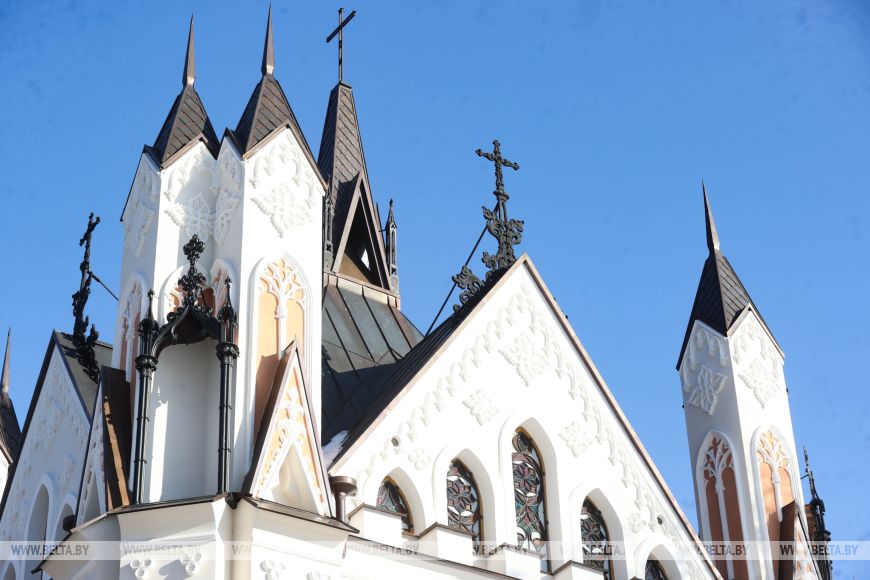 “The chapel had a dual purpose. It served as a burial vault for members of the Orzeszko and Chrzanowski families. Inside, there is a crypt (underground room). Catholic services were held on the ground floor,” staff at the D.K. Udovikov Military History Museum explained. The chapel in Zakozel is a unique Neo-Gothic monument, not only within Polesie but across the whole of Belarus. Incidentally, it was designed by the architect Franciszek Jaszczołd. His signature style can also be recognized in another popular landmark in Brest Oblast. The master contributed to the construction project of Kossovo Palace.
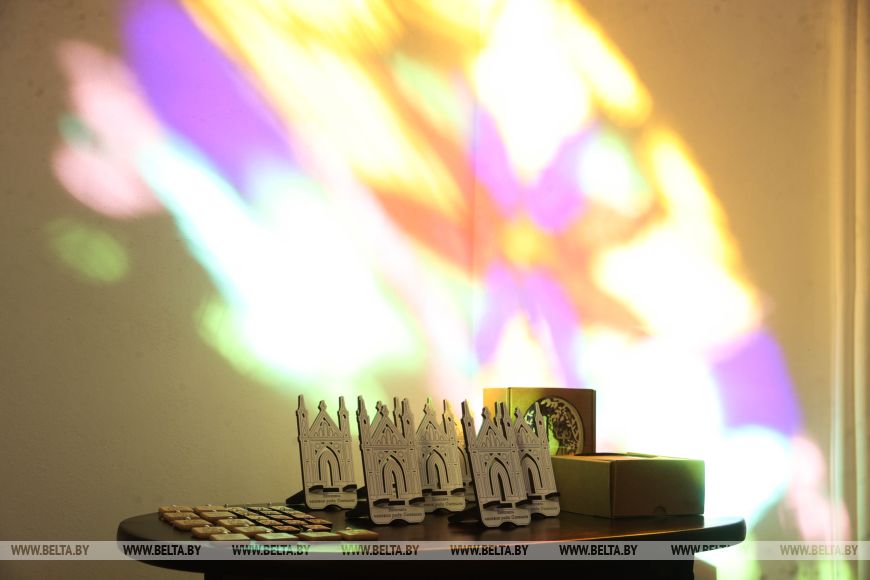
 A month has passed since the opening of the restored chapel. Organized tour groups, individual visitors, and families with children are coming to admire it. Travel agencies are booking dates well in advance, with requests already coming in for September.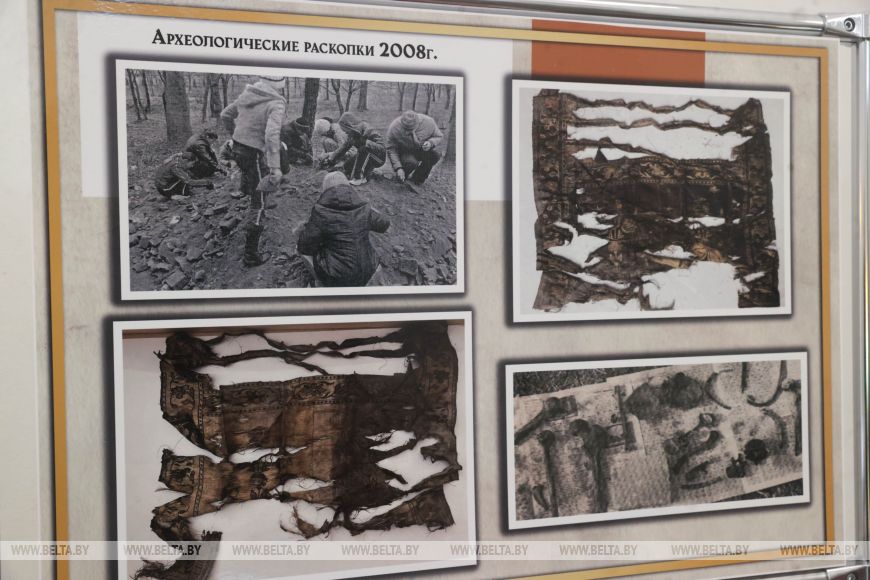
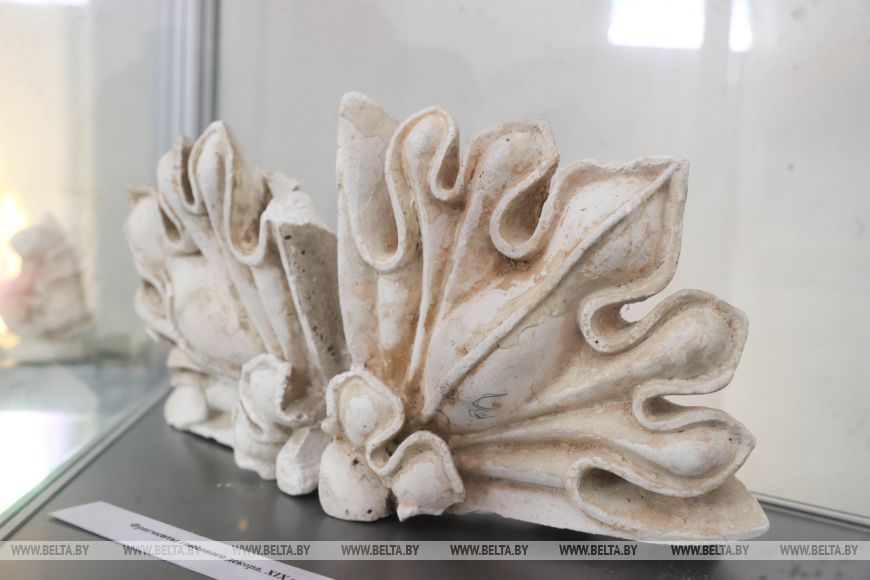
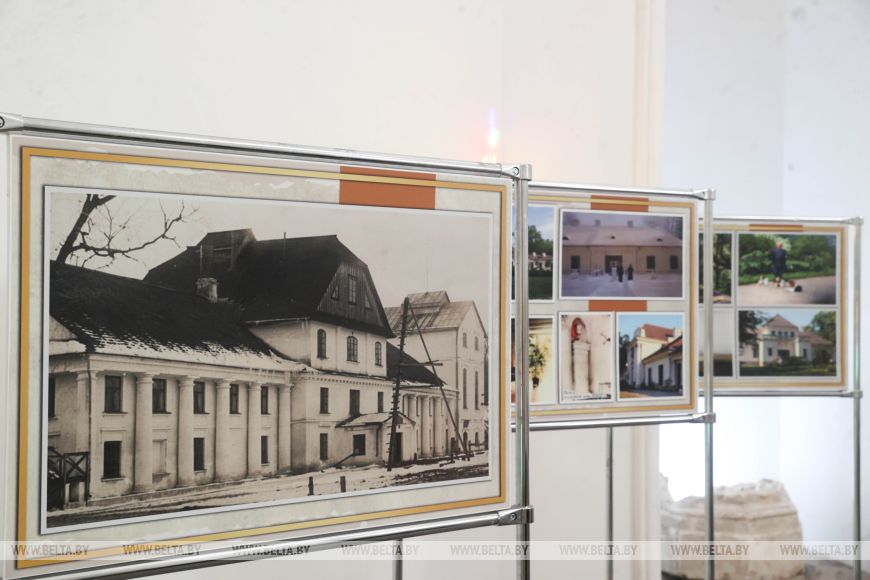
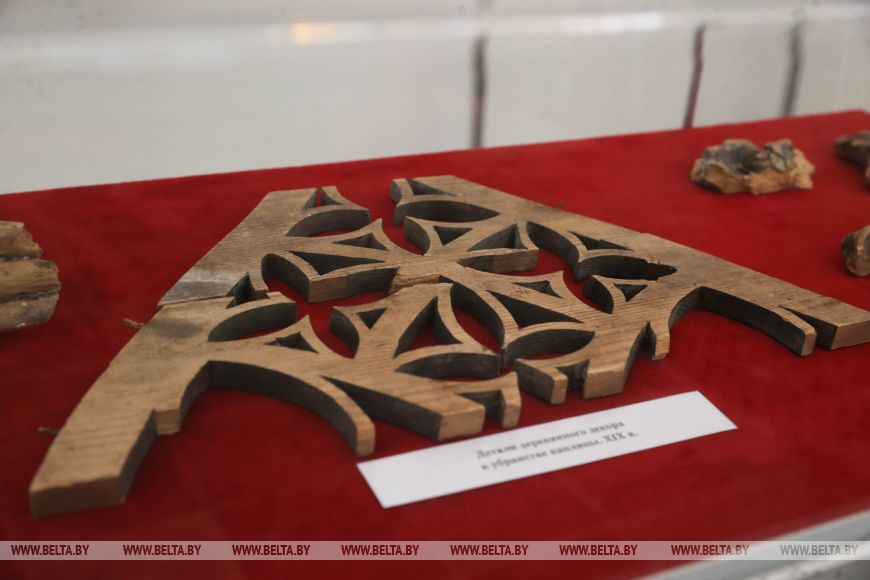
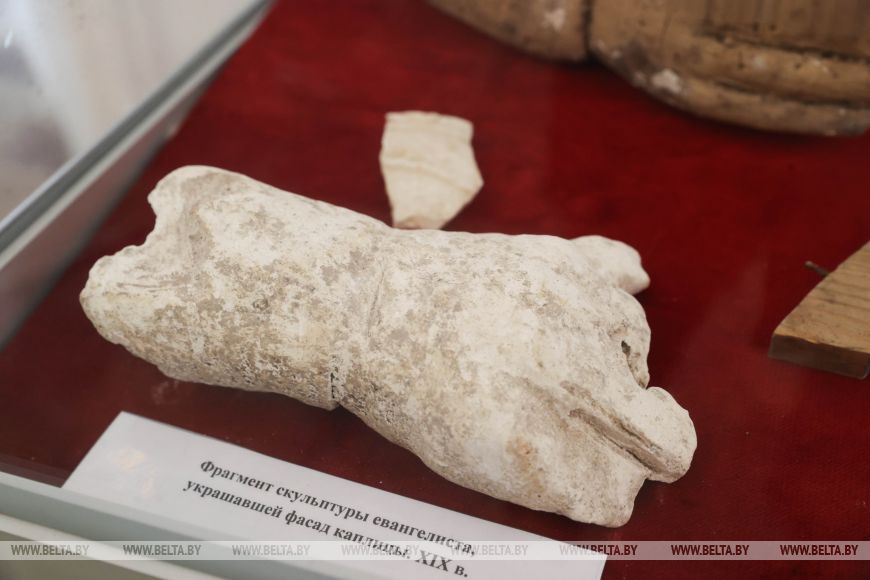
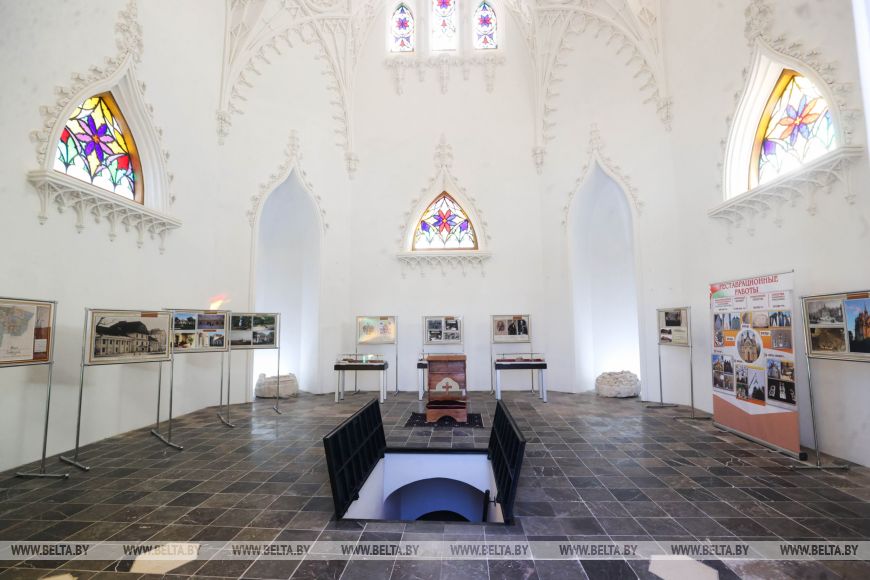 The chapel now serves as a multifunctional exhibition hall for off-site excursions and displays. Inside, a permanent exhibition is on view. Several display cases feature items discovered during archaeological excavations. Visitors can see funerary objects from the first half of the 19th century, a death mask of a member of the Chrzanowski family, and decorative elements. Archaeologists also uncovered a fragment of a Slutsk sash during their digs. This unique relic is shown on special occasions.
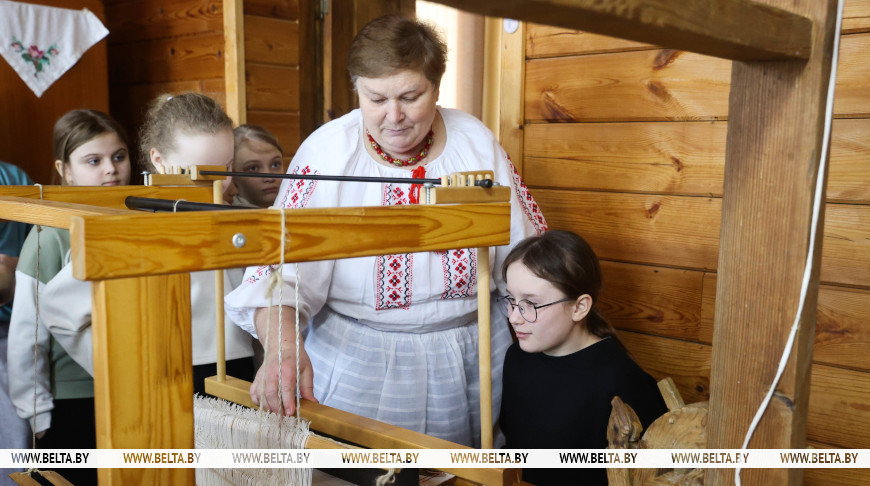
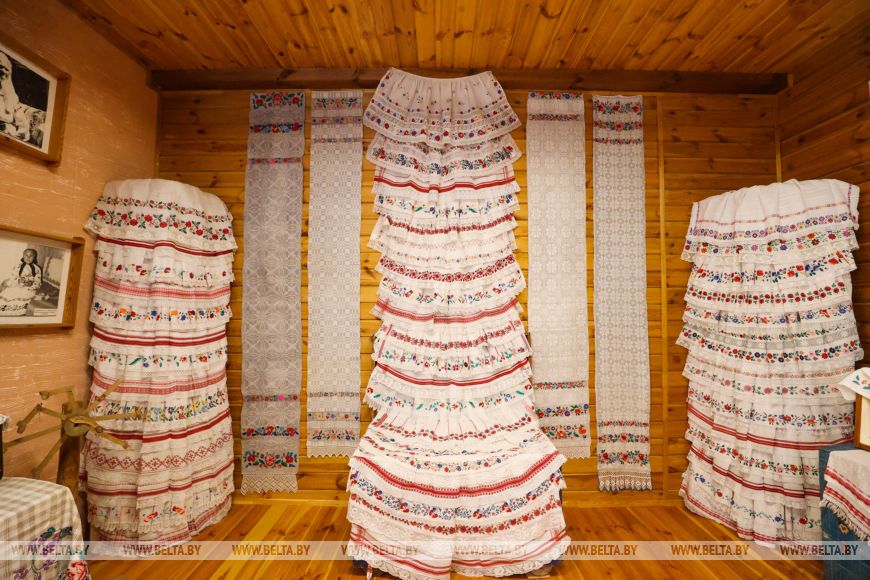
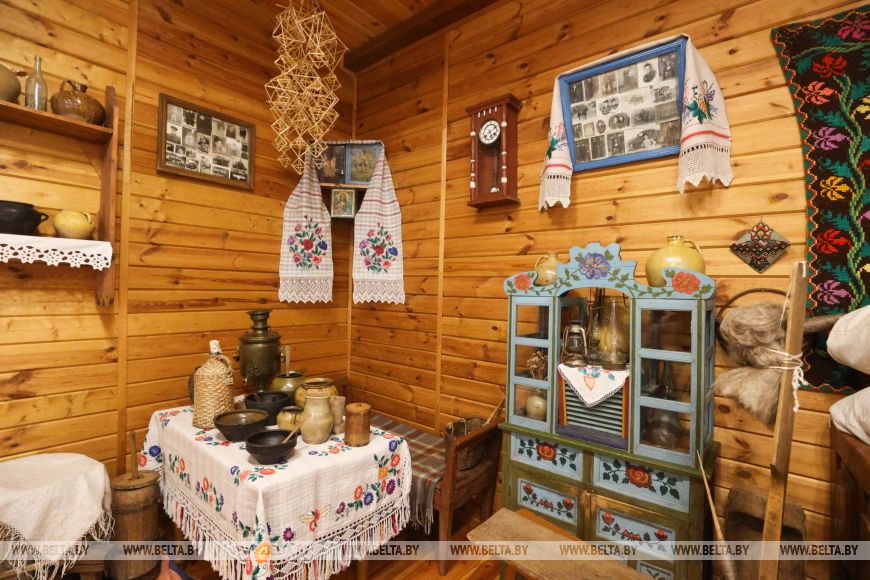
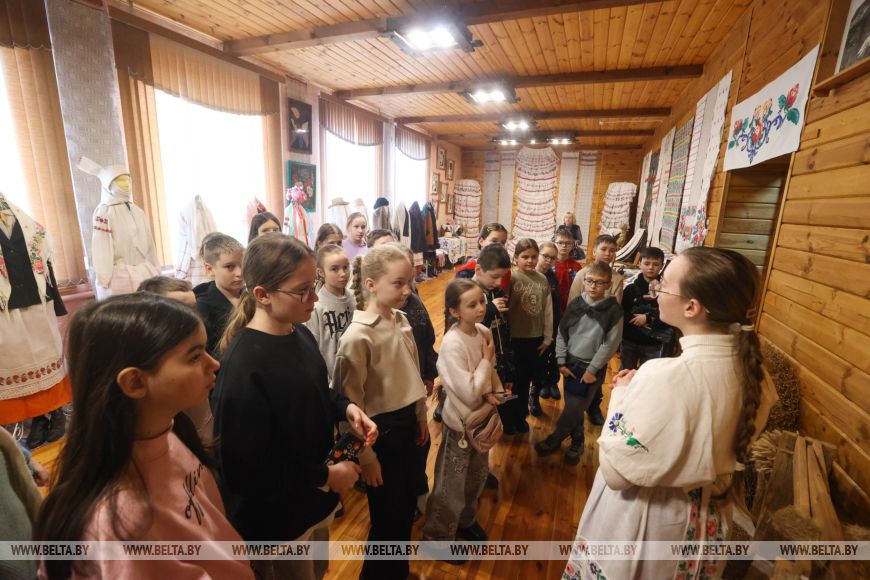
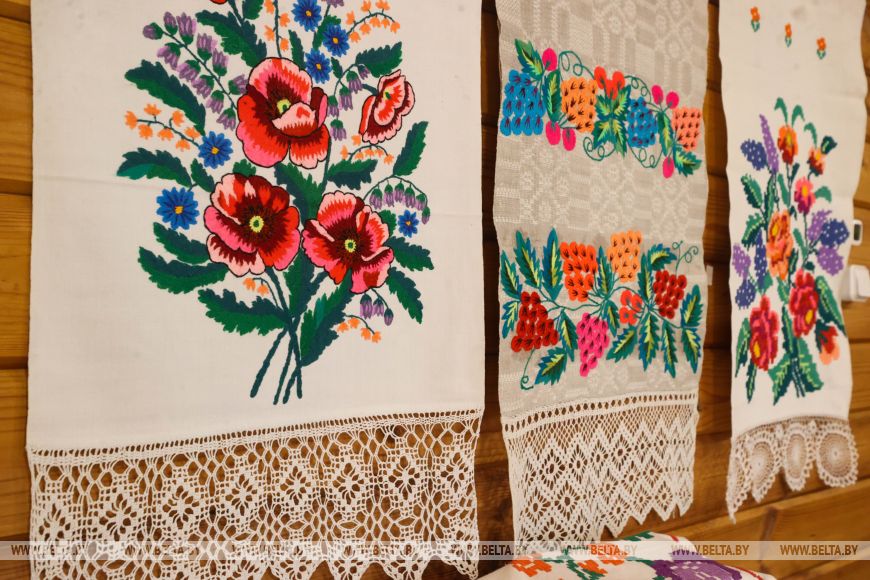
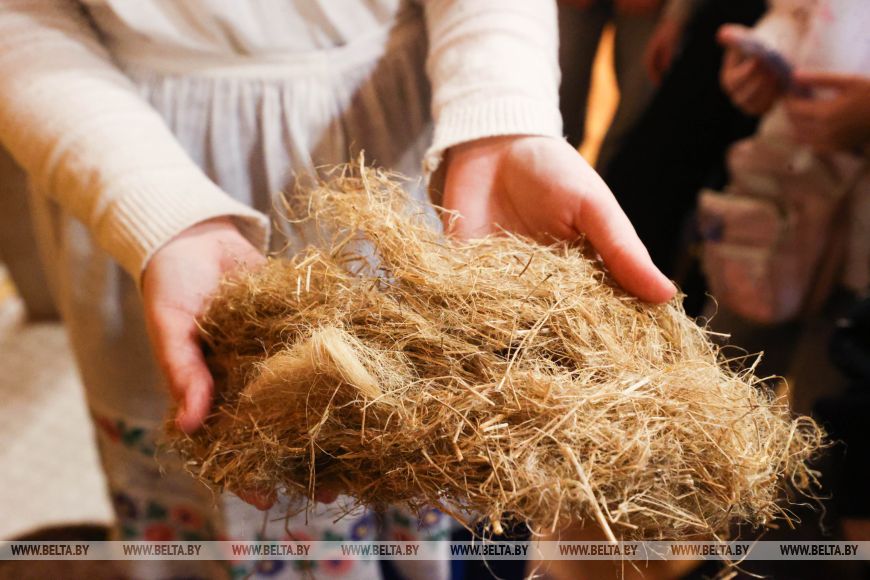
 After visiting Zakozel, tourists are recommended to stroll through Drogichin and then continue on to the village of Perkovichi to see the Visloukh estate. The most delightful treat should be saved for last - the Bezdezhsky Fartushok Museum of Folk Art in the agrotown of Bezdezh. It is, without exaggeration, a jewel of Polesie. The museum houses a collection of over 400 handwoven aprons, not one of which is repeated. The exhibition also features items of peasant life, the process of flax processing, the interior of a peasant cottage, handwoven rushniki (traditional embroidered towels), folk costume patterns, and contemporary embroidery and weaving.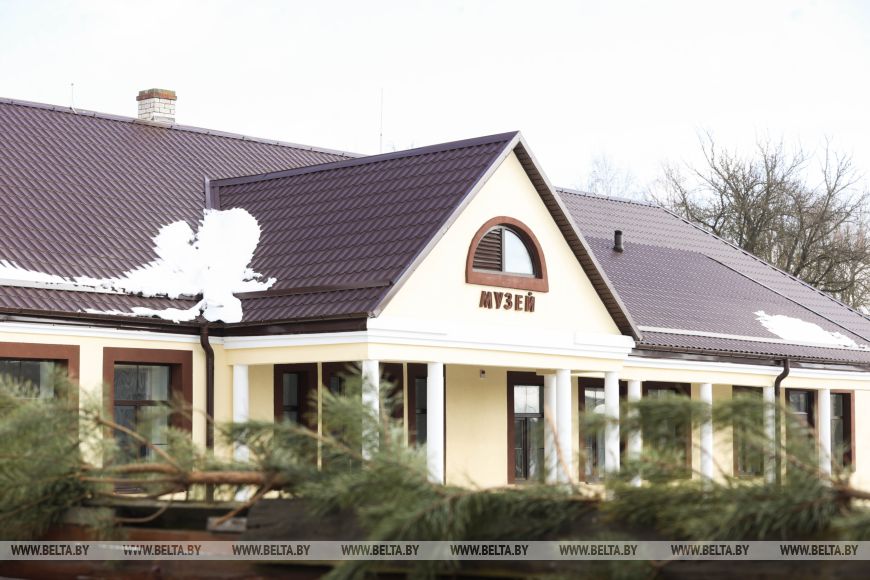
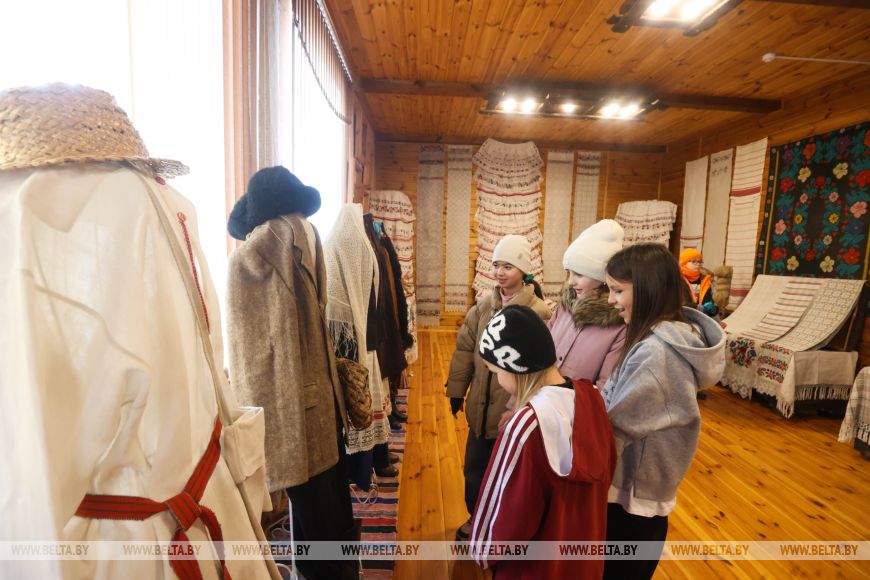
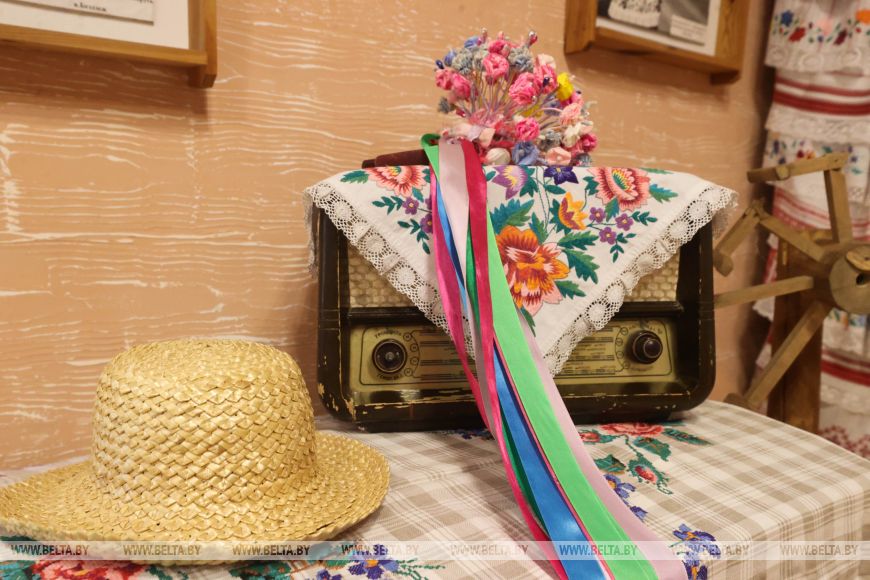
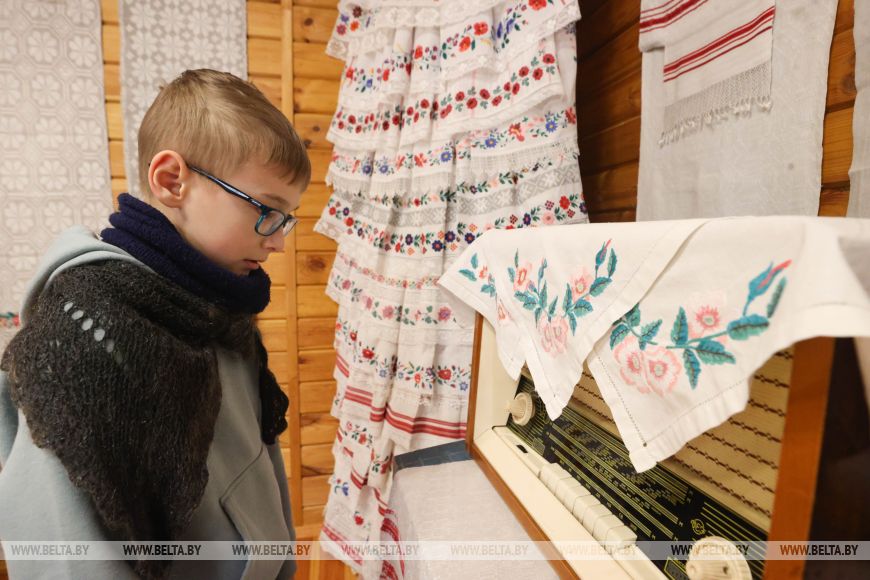 Unmarried women should take note of a unique headdress - the “pava”. This is an ancient Bezdezh wedding headpiece. Modern craftswomen have recreated the lost technique of weaving it. They recommend that female visitors be sure to try on the “pava” to find family happiness.
Soon, an updated exhibition will open for tourists. Major renovations are currently being completed in the main building of the museum. In the meantime, the treasures of Bezdezh can be seen in the storage facility building, and the temporary exhibition is by no means lacking in quality. “When visitors approach the cascades of aprons, their eyes light up. Not everyone believes these are originals. Sometimes we even argue and have to prove it. It’s difficult to recreate this beauty nowadays, but we are doing our best. One of our looms is set up for weaving aprons. We’ve studied the technique - how they were made, cut, and sewn. But we haven’t yet been able to replicate the material used to make the fabric. It required a specific type of flax, a specific weave of the spun linen thread. We use factory-made threads and a red-and-black ornament. In the future, we plan to have the technique of making the Bezdezh apron recognized as intangible cultural heritage of Belarus,” the museum staff shared.
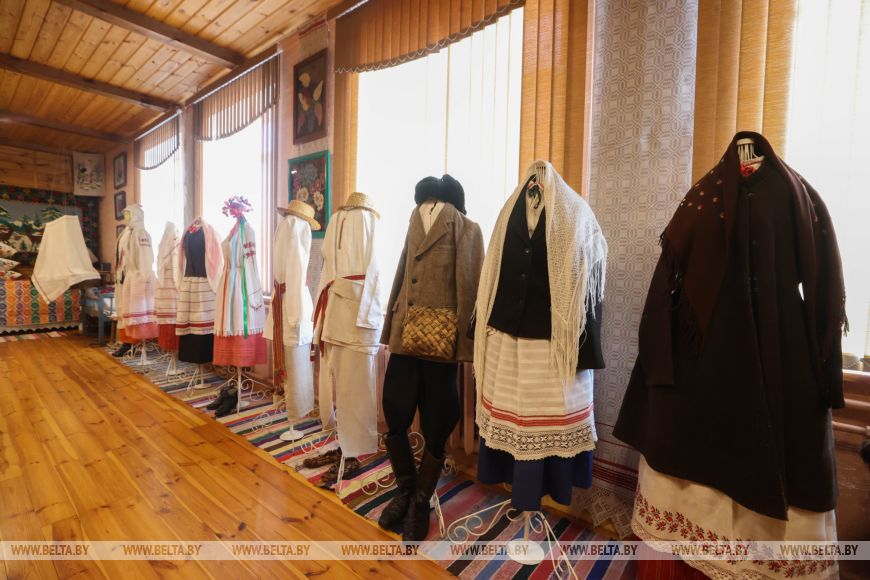
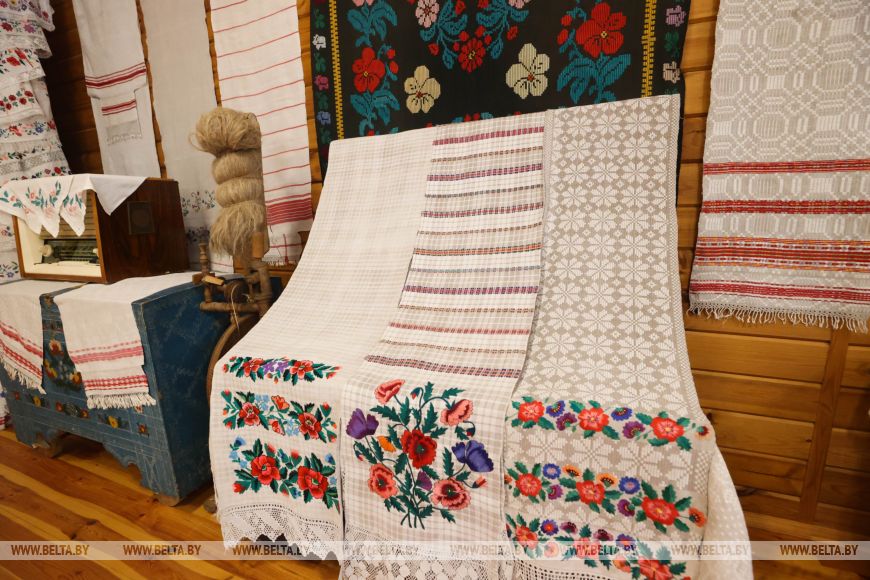
 In the updated exhibition, a separate hall will be dedicated to the aprons. Current plans are to display about 150 of them, which is nearly one in three from the collection. Incredibly, the collection is still growing.
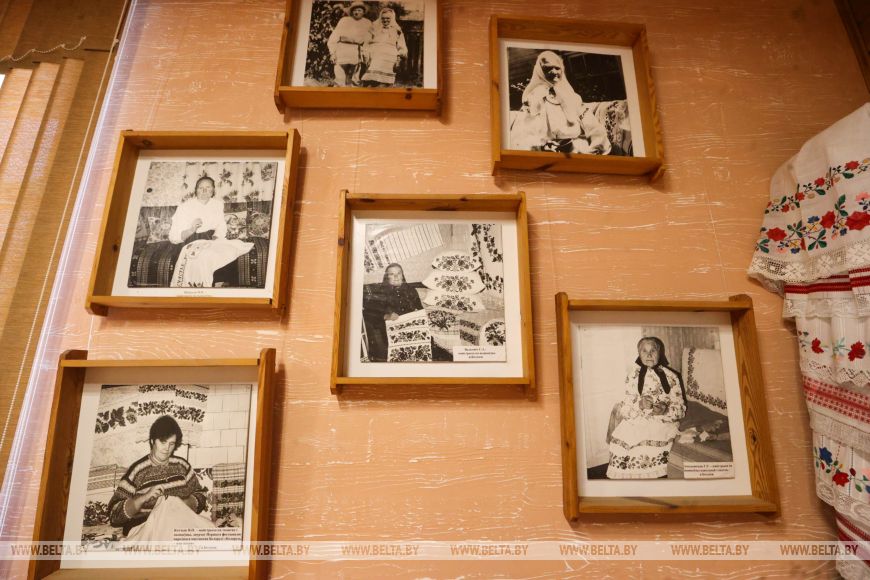
“We still find aprons among our local residents. The craftswomen who created and wore them later passed them down to their children and grandchildren. Of course, not everyone wants to part with a family heirloom. We talk with people, explain that we keep records of every exhibit, and each apron is digitized. It will be preserved in the museum forever, allowing descendants to see items created by their ancestors’ hands,” the museum staff said. Some aprons have traveled many kilometers from their native places. It’s a great stroke of luck to bring them back to Bezdezh. And such cases do exist. Specialists noted that real treasures are still being kept in village chests - rushniki (traditional embroidered towels), bedspreads, and tablecloths. Now, these relics truly belong in a museum.
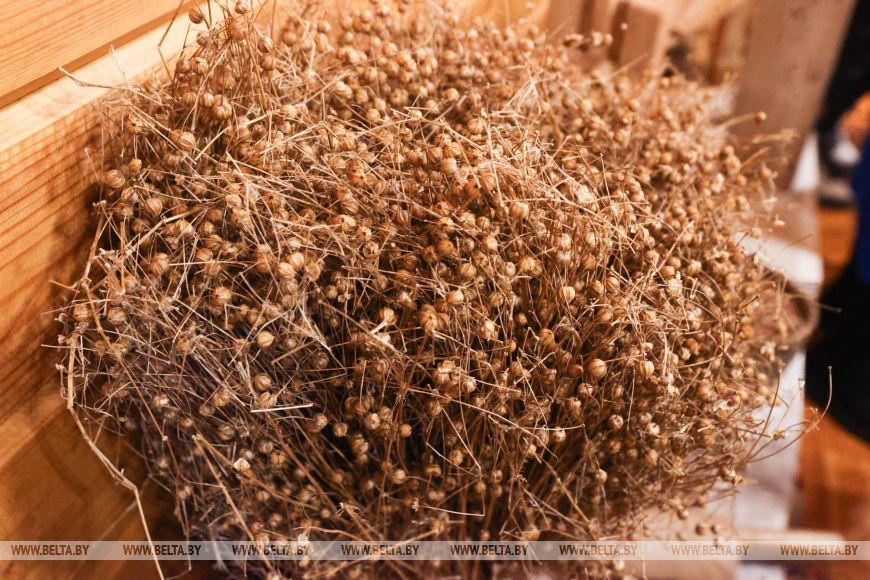
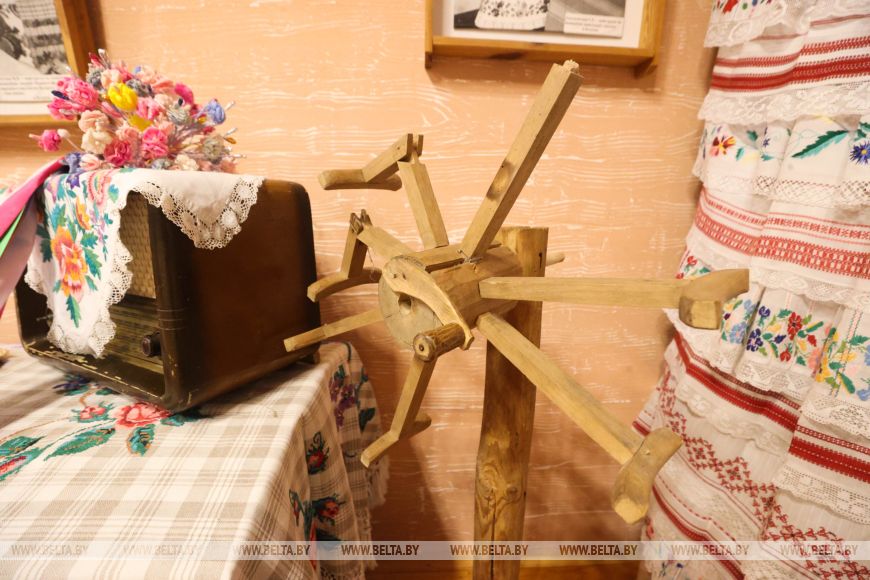
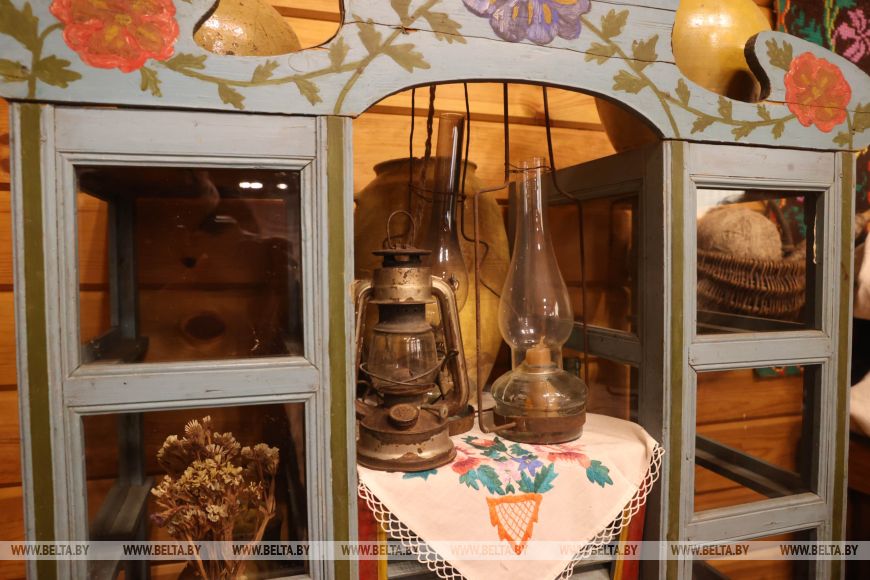
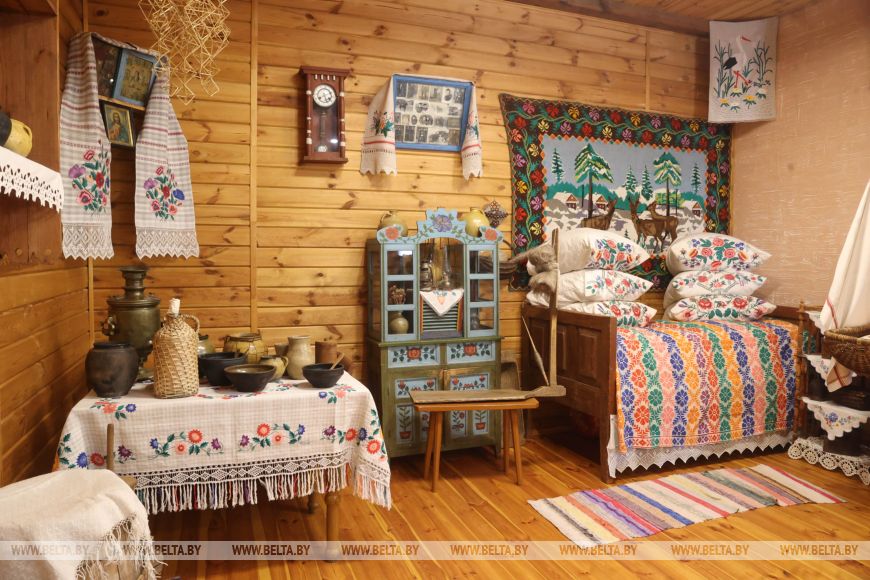 Every Bezdezh apron is a work of art. Their adornments changed with each historical period. The oldest ones don’t even have lace. Over time, they became more decorative, embroidered, and colorful. In the 1920s-1930s, the patterns were woven in red and black. By the 1950s-1960s, craftswomen gained access to colorful embroidery floss, and floral motifs began to adorn the aprons.
Residents of Bezdezh and surrounding villages wore such garments until the 1990s. Every woman’s chest contained 15 or more aprons for different occasions. They might have disappeared with the arrival of a new historical era. Women’s wardrobes changed, and aprons were repurposed to decorate pillowcases and curtains. Specialists prevented this unique element of folk art from being lost by creating the museum.
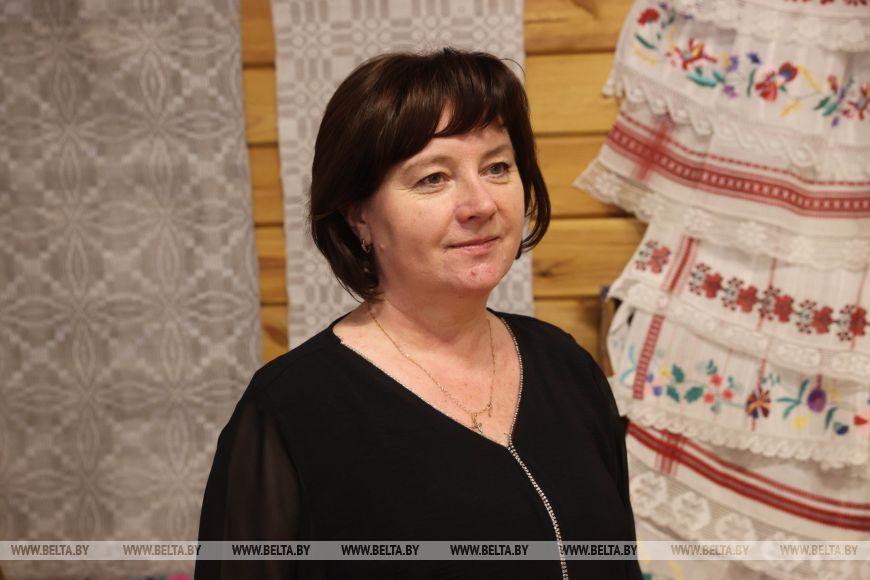
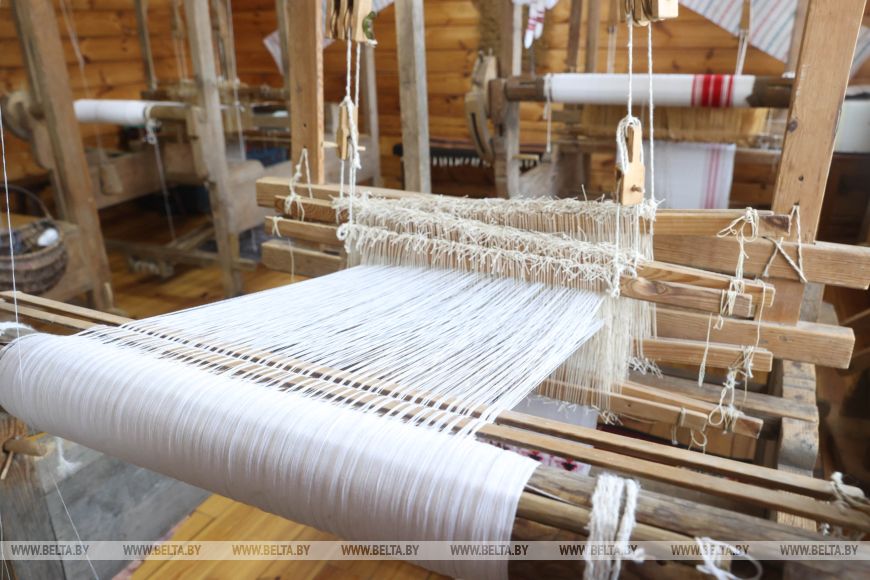
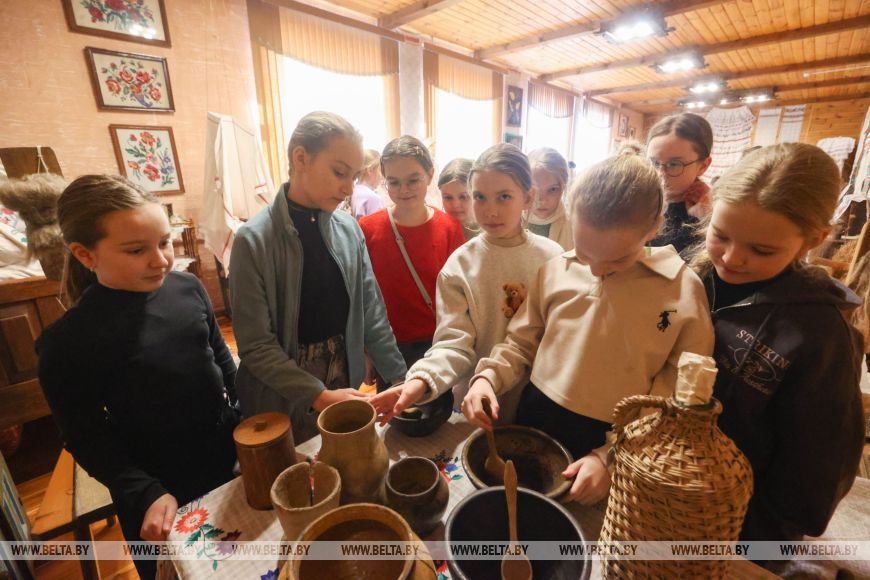
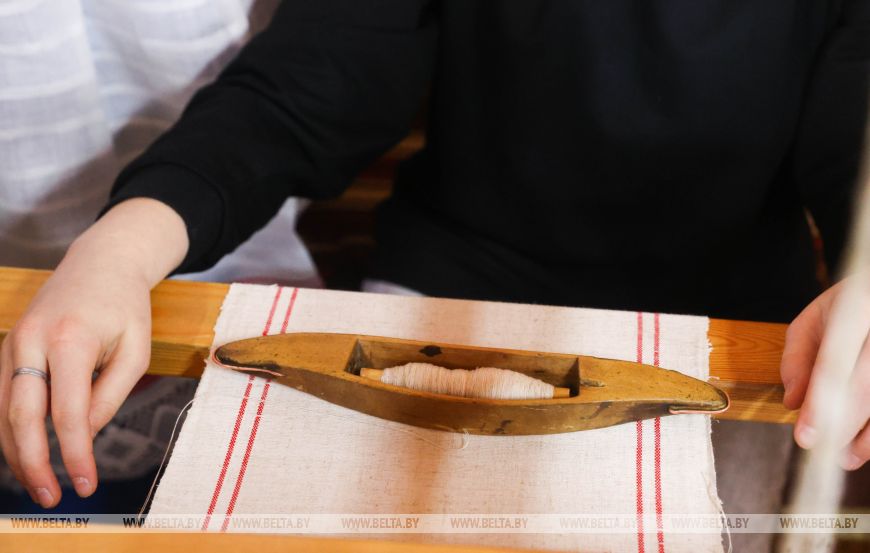 “The popularity of folk art and local crafts is growing. A great many people are interested: both adults and young people. When we hold master classes, every visitor is simply delighted. There’s an opportunity to see the finished items, but also to witness how they are created. The workshop has four working looms, each warped for a specific type of product. There’s even a children’s loom,” the museum staff observed. Master classes on spinning linen thread with a spindle and on loom weaving are conducted for tourists.
The updated exhibition at the Bezdezhsky Fartushok museum will become even richer. It will be enhanced with multimedia equipment so visitors can gain deeper insight into local traditions and rituals. One of the halls will feature local clothing set against dioramas depicting the corresponding seasons.
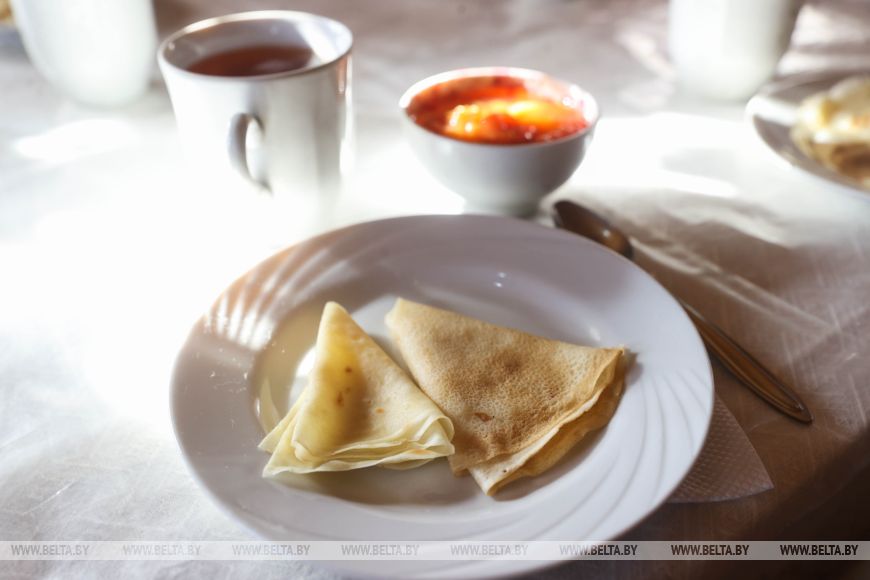
After feasting on spiritual nourishment, tourists can also indulge in a celebration for the palate if they wish. The museum grounds include a farmstead. “The flow of tourists has increased; they are interested in tastings and festivals. We bake homemade bread, prepare various potato dishes, potato pancakes, regular pancakes, salo (cured pork fat), sausages, fermented and stewed cabbage, and pickled cucumbers from barrels,” the museum staff listed. The craftswomen grow the products themselves and prepare the treats from them.
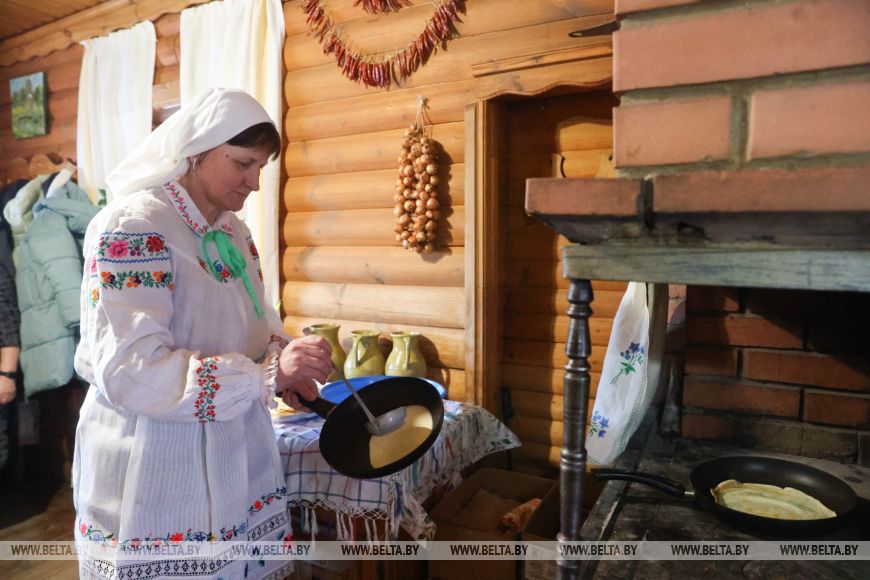
 Polesie knows how to surprise. This land reveals itself to travelers in many facets: beautifully, soulfully, deliciously.
Alevtina Chernovolova,
photos by Violeta Yuzhakova,
BelTA