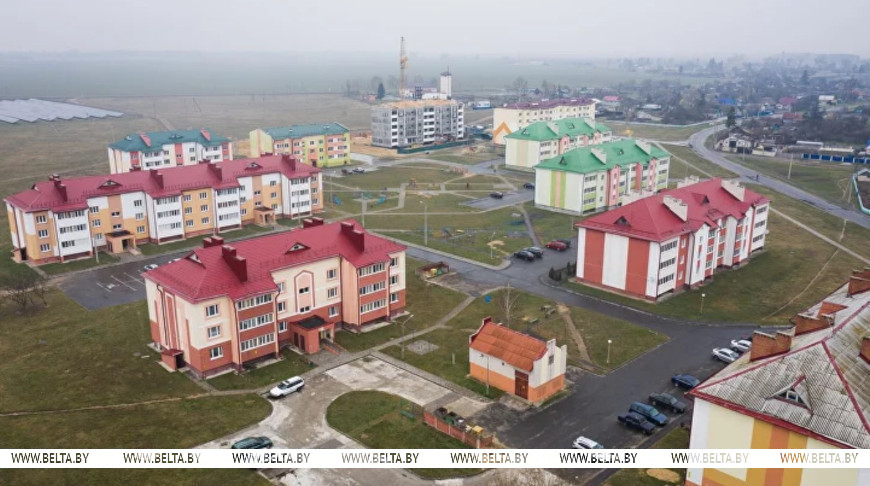
Bragin, 2021
A catastrophe occurred at the Chernobyl nuclear power plant 40 years ago, on 26 April 1986. Its consequences have affected many countries across Europe one way or another but Belarus has been affected the most. Over four decades, a remarkably short time by historical standards, the country has carried out an enormous amount of work to restore the territories affected by the Chernobyl fallout. Today, their appearance has changed beyond recognition: residents of the affected areas enjoy developed infrastructure and high-tech medical services, raise their children in peace, and confidently make plans for the future. Belarusians have not only managed to neutralize the environmental threat but have also proven that it is possible to successfully develop territories that skeptics had consigned to oblivion.
Brief history of the accident
The Chernobyl nuclear power plant is located in Ukraine’s territory, 16km away from Belarus’ border. In the 1980s it was the USSR’s most powerful nuclear power plant.
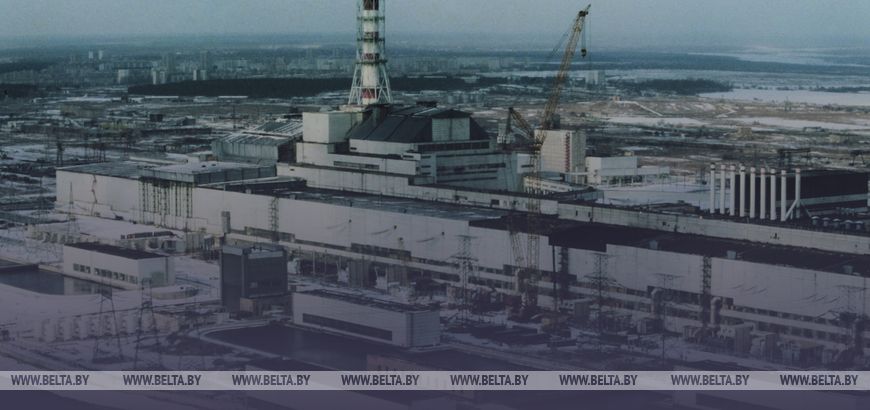
The fourth unit of the Chernobyl nuclear power plant began commercial operation in December 1983. Design trials of a safety system of the fourth unit of the nuclear power plant were scheduled for 25 April 1986. After the trials the reactor was supposed to shut down for planned maintenance. Due to restrictions of the control room personnel the reactor’s shutdown was postponed several times, causing certain difficulties with controlling the reactor’s output. The reactor’s output spiraled out of control at on 26 April, resulting in explosions and the destruction of a significant part of the reactor installation.
As a result of the accident the atmosphere was contaminated with practically the entire spectrum of radionuclides, which had accumulated in the reactor by the moment of the explosion, including iodine-131 (with the half-life of 8 days), cesium-134 (with the half-life of 2 years), cesium-137 (with the half-life of 30 years), strontium-90 (with the half-life of 28-29 years). In the first few weeks after the accident radioactive iodine, which isotopes concentrate in the thyroid gland and cause its irradiation, was particularly dangerous for humans. In the long term most of the radiation came from cesium-137 in a larger part of the Chernobyl footprint. An analysis of Europe’s territory’s radioactive pollution with cesium-137 indicates that about 35% of the Chernobyl-generated radioactive cesium on the European continent is located in the territory of the Republic of Belarus.
Since the accident Belarus’ territory contaminated with cesium-137 has nearly halved: from 23% to 12.3%. And these areas are constantly shrinking. More than 3,600 populated areas, home to 2.2 million people, ended up in the contamination zone; 479 populated areas ceased to exist (173 in Mogilev Oblast, 306 in Gomel Oblast).
Revival of the affected territories
Over the course of four decades, Belarus has been steadily rebuilding life in the regions affected by the disaster. The country has traveled a difficult path - from mitigating the consequences of the Chernobyl NPP accident to transitioning these lands toward sustainable social and economic development.
After the accident, a decision was made to evacuate people from areas where the exposure dose rate exceeded 25 mR/h (roughly within a 10‑kilometer radius of the Chernobyl NPP). Approximately 138,000 people were systematically relocated from the affected territories, 75% of whom were residents of Gomel Oblast. Another 200,000 citizens left the radioactively contaminated areas on their own. All of these people were provided with housing, compensation payments, benefits, and allowances.
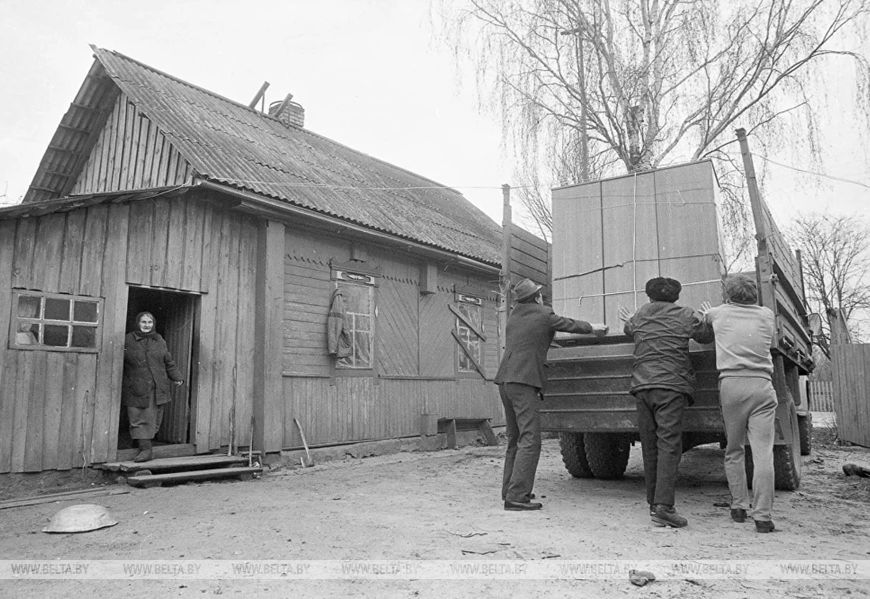
Residents evacuate a village in Krasnopolye District affected by the accident, 1990
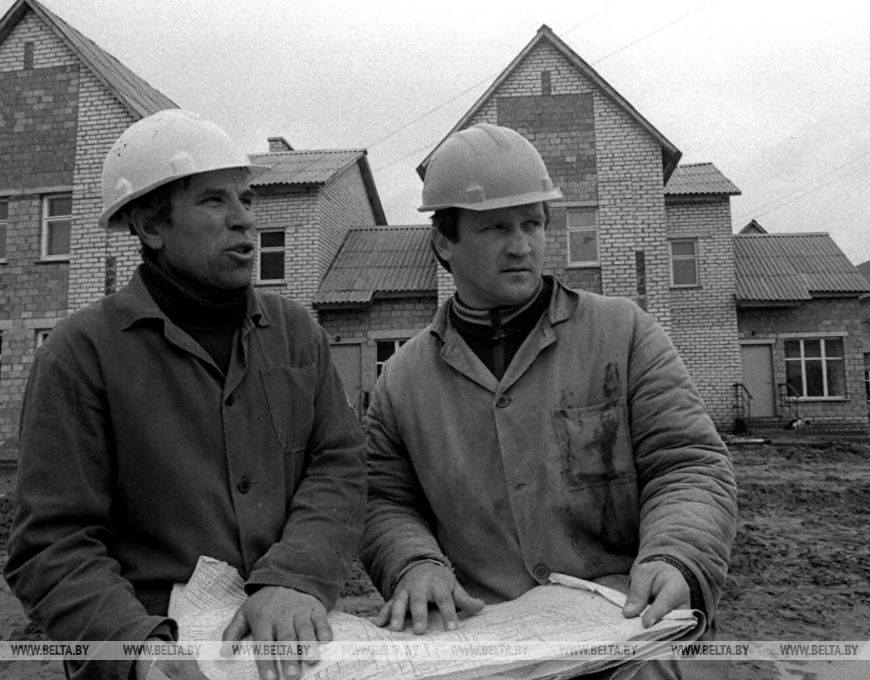
Builders constructing a settlement for displaced residents. Dribin District, 1991
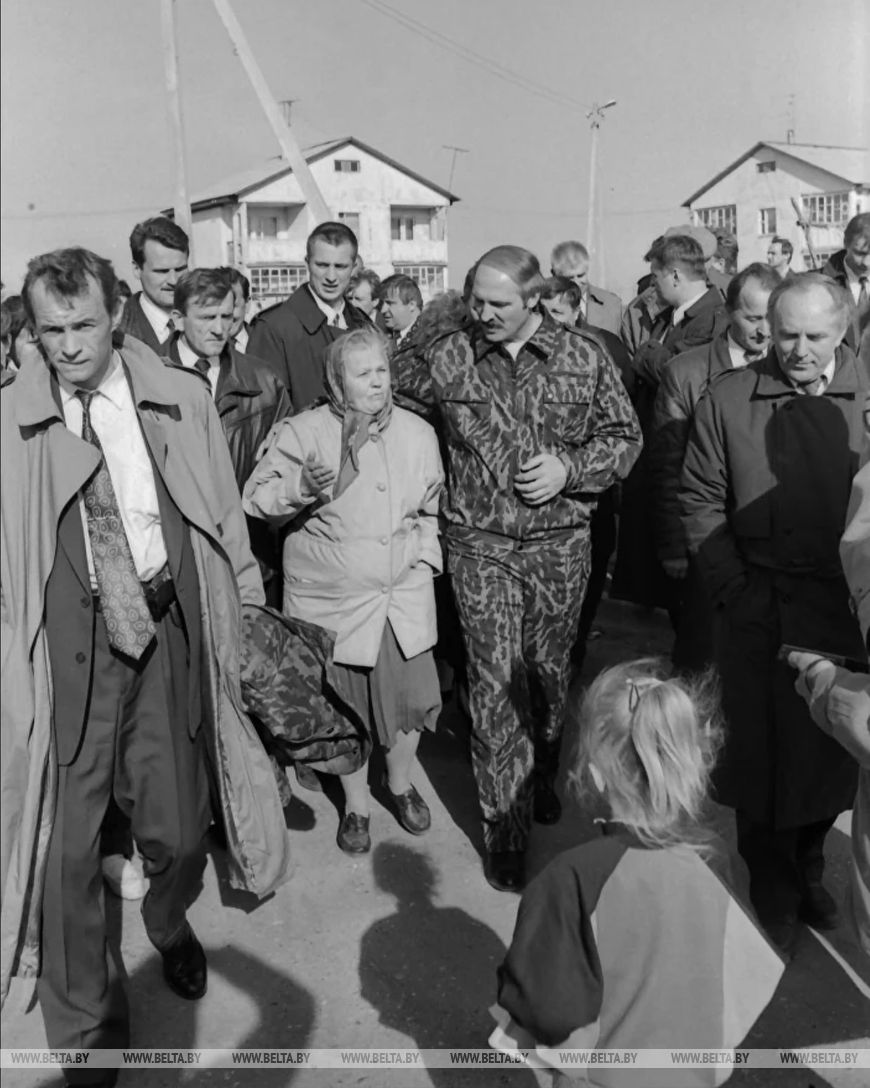
Aleksandr Lukashenko during a visit to a resettlement village in Svensk, Slavgorod District, 1996
The Polesie State Radiation and Ecology Reserve was established there in 1988. It is located in the Belarusian part of the exclusion zone spanning three districts of Gomel Oblast that were hit the worst by the accident: Bragin District, Narovlya District and Khoiniki District. Its area is 217,000 hectares. It was established to carry out a comprehensive set of measures aimed at preventing the transfer of radionuclides beyond its borders, studying the condition of natural plant communities and wildlife, conducting radiation and environmental monitoring, and performing radiobiological research.
The implementation of a targeted state policy to mitigate the consequences of the Chernobyl NPP accident has made it possible to address a number of critical challenges. The state took measures to resolve radiation-related environmental, medical, socio-economic, and other issues associated with the Chernobyl disaster. To this end, state programs were developed.
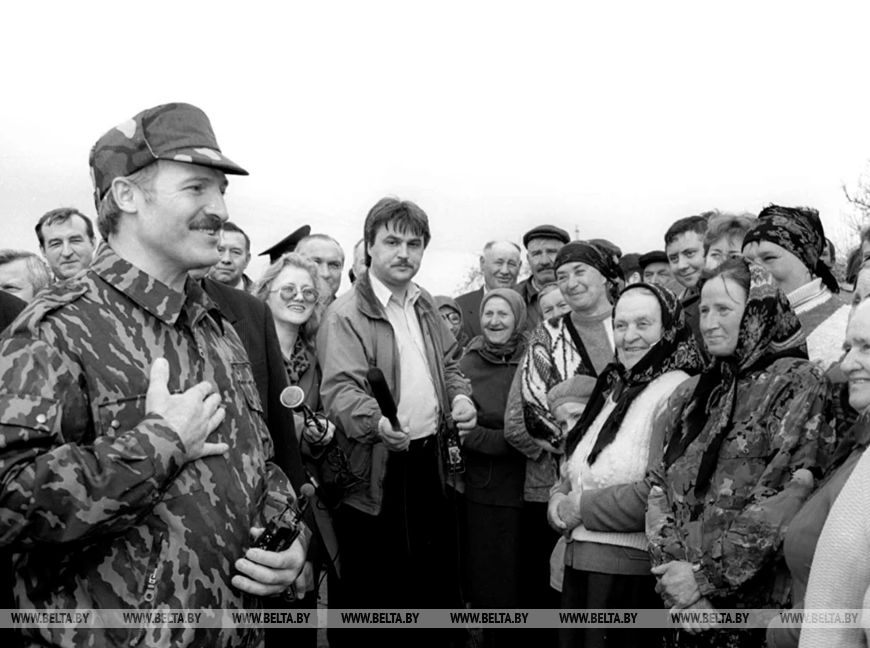
Aleksandr Lukashenko talks with residents of the village of Kalinichi, Narovlya District, 2001
To date, Belarus has implemented six such programs. Their main objectives are social protection for the affected population, ensuring radiation safety, accelerating social and economic development, and rehabilitating territories contaminated with radionuclides. Currently, the Population Safety Infrastructure state program for 2026–2030 is in effect to ensure nuclear and radiation safety across the country.
Changes in the outward appearance of towns and villages, as well as in the lives of people living in the areas affected by the Chernobyl accident, are becoming increasingly noticeable. The radiation situation is gradually improving. Under current legislation, the list of areas classified as radioactive contamination zones is reviewed every five years and adjusted based on changes in the radiation situation. Since 1986, the number of populated areas located within radioactive contamination zones has decreased from 3,678 to 2,013, with a population of 922,100 people. According to preliminary estimates, as of 1 January 2027, 1,847 such populated areas will remain, home to 364,200 people.
Due to the improving radiation situation, efforts to lift the checkpoint regime are continuing. This regime is currently in place in eight districts of Gomel Oblast and five districts of Mogilev Oblast. In 2024, maps of the relevant districts were updated and published. These maps are updated once every five years.
Since the accident, the area of the country contaminated with cesium-137 and strontium-90 has nearly halved. Work is underway to return land to economic use. Since 1993, 20,500 hectares have been returned to agriculture, including 17,600 hectares in Gomel Oblast (1,500 hectares in the last two years alone), 2,800 hectares in Mogilev Oblast, and 99 hectares in Brest Oblast. Strict radiological monitoring is in place on these lands. Special agrochemical and agrotechnical protective measures are carried out on an ongoing basis. Since 2023, it has become possible to repurpose radiation-hazardous lands for non-agricultural use. At the same time, ensuring radiation safety remains a key priority.
Radiation monitoring system in Belarus
Belarus has established and operates a national environmental monitoring system. It consists of a broad network of observation points and accredited laboratories. The main subjects of monitoring are atmospheric air, soil, and surface and groundwater. The radiation monitoring system includes 41 points for measuring gamma radiation levels, 25 observation points for radioactive fallout from the surface layer of the atmosphere, and 10 observation points for radioactive aerosols in the surface layer of the atmosphere. Soil radiation monitoring is carried out at 14 landscape-geochemical sites and 38 reference plots.
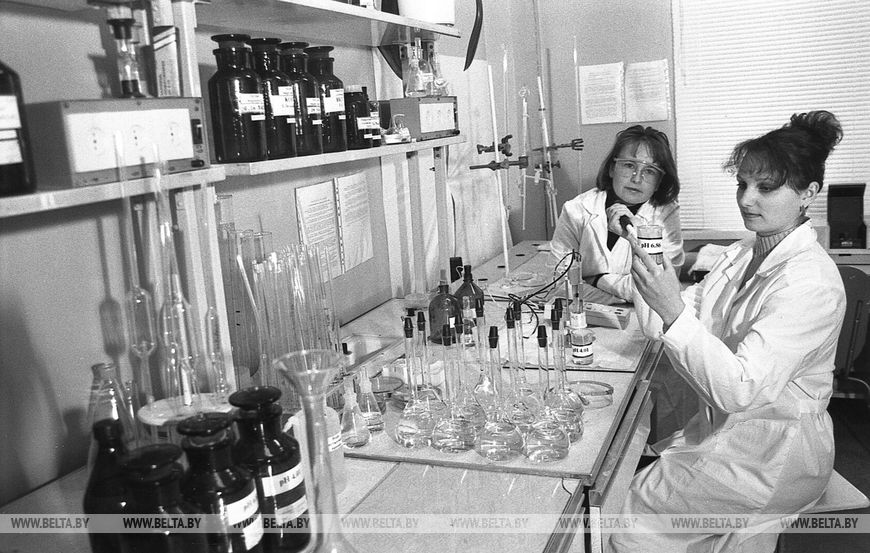
Staff of the Gomel Research Institute of Radiology determining the agrochemical composition of soils in territories contaminated with radionuclides, 2002
The country has adopted strict permissible levels of radionuclide content in food products. To ensure compliance with this requirement, an effective system of radiation control is in place for food products, food commodities, and agricultural raw materials produced on radionuclide-contaminated land.
Considerable attention is also paid to forest lands. Every year, radiation surveys of forest areas are conducted to identify locations where the collection of birch sap, as well as berries and mushrooms, must be prohibited.
Social protection and recuperation of the affected population
Belarus has established a state register of persons exposed to radiation as a result of the Chernobyl NPP accident and other radiation accidents. The main focus of state policy regarding these citizens is to provide social assistance, benefits, and compensation.
One of the most important tasks is to improve the efficiency and quality of medical care for the accident cleanup workers, as well as to enhance spa treatment and rehabilitation for the affected population, especially children living in contaminated areas. The foundation of the medical care system is a specialized medical follow-up program for those affected by the Chernobyl accident, which ensures early detection of diseases, timely treatment, rehabilitation, and preventive measures. Each year, approximately 1.4 million citizens (including about 250,000 children and adolescents) undergo dispensary examinations. A network of children’s rehabilitation and health centers has been established. Currently, 12 such centers are in operation, with a total capacity of approximately 4,400 beds, allowing around 85,000 children to receive rehabilitation services annually.
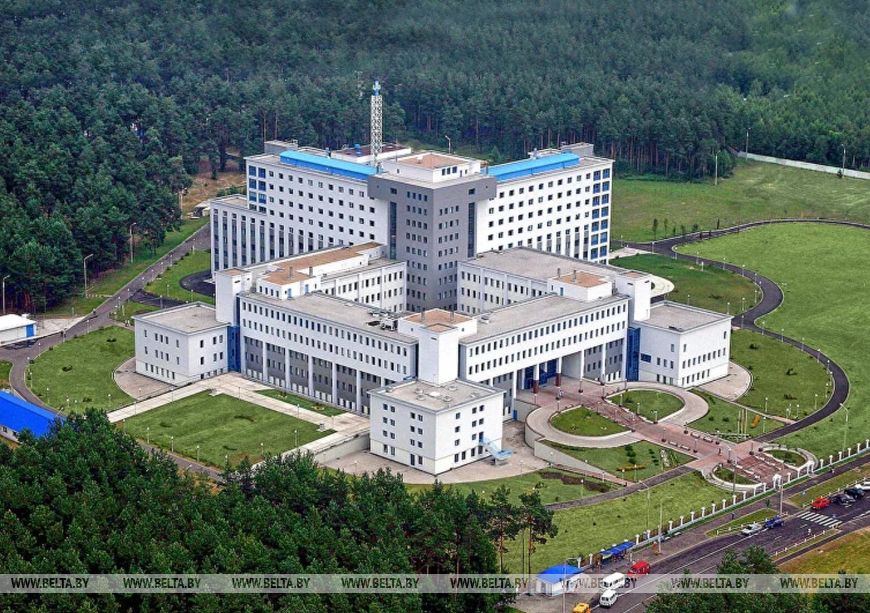
New medical institutions, research institutes, specialized clinics, and centers have been opened in the country. The National Research Center for Radiation Medicine and Human Ecology, built under the patronage of Belarusian President Aleksandr Lukashenko, is now operating in Gomel. The center has significantly improved medical care in the regions most affected by the Chernobyl accident. Today, this clinic is equipped with state-of-the-art technology and meets the highest standards.
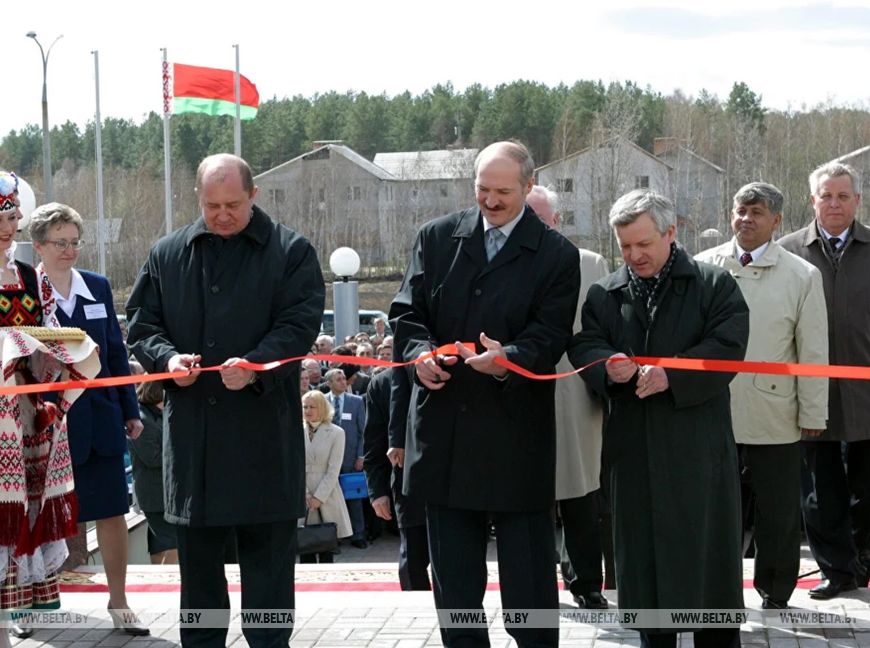
Aleksandr Lukashenko inaugurates the National Research Center for Radiation Medicine and Human Ecology in Gomel, 2003
District hospitals are continually equipped with modern medical technology, and the introduction of advanced diagnostic and treatment methods for affected citizens is implemented at these medical facilities. One of the priority aspects of preserving and improving the health of children living in contaminated areas is providing them with rational, balanced nutrition. All students of educational institutions located in radioactive contamination zones receive free meals at their places of study.
According to the State Program to Overcome the Consequences of the Chernobyl NPP Accident for 2021–2025, more than 57% of the allocated funding was directed toward social protection, medical care, spa treatment, and rehabilitation for the affected population. In addition, considerable attention was paid to ensuring radiation protection, the targeted application of protective measures, and promoting the social and economic development of the affected regions.
From rehabilitation to sustainable social and economic development
During the existence of sovereign Belarus, the equivalent of approximately $20 billion has been directed toward efforts to overcome the consequences of the Chernobyl NPP accident.
Alongside the relevant state programs, a number of international projects are being implemented in Belarus. The implementation of joint programs to overcome the consequences of the Chernobyl disaster within the framework of the Union State of Belarus and Russia has made a significant contribution to the rehabilitation of the affected territories.
The programs have enabled significant capital investment in the construction and equipping of medical facilities. Pilot projects for targeted rehabilitation of farmland in radionuclide-contaminated areas have been implemented. New approaches have also been adopted in information work related to Chernobyl.
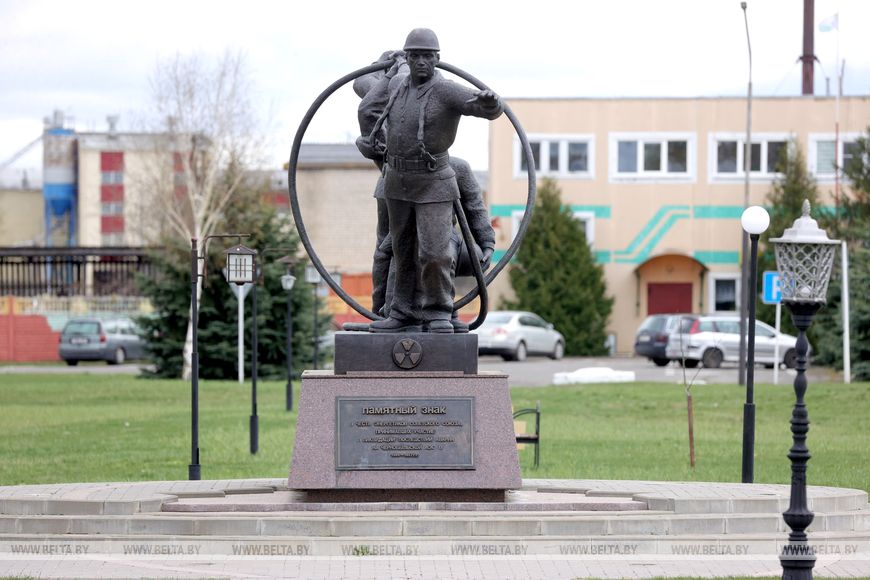
Khoiniki, 2024
Over the 40-year period, Belarus has traveled a path from a recipient country of humanitarian aid to a full-fledged partner and expert country with experience in overcoming the consequences of a large-scale man-made emergency. Belarus possesses unique scientific and practical expertise in medicine and ecology, emergency preparedness, the production of clean food, land reclamation, forest rehabilitation, and returning these lands to productive use.
Today, in the affected regions, a comprehensive approach has been taken to address population protection issues, including the provision of natural gas and electricity, water supply, infrastructure development, and the construction of housing for doctors, teachers, and specialists in agriculture and housing and utilities services. Approximately 25,000 residential houses (apartments) have been connected to gas networks, over 4,000 km of gas pipelines and roughly 2,500 km of water supply networks have been laid. More than 69,000 apartments (houses) have been completed and handed over for use. Projects for the construction, reconstruction, and major repairs of healthcare facilities (over 160 facilities), educational facilities (approximately 280 facilities), and agricultural facilities (more than 300 facilities) have been implemented.
Efforts to revive the affected regions continue. The key focus remains the transition from rehabilitation to sustainable social and economic development: creating jobs, supporting entrepreneurship, stimulating demographic growth, and so on. The state is doing everything possible to ensure that residents of these territories can work peacefully, raise their children, and look to the future with confidence.