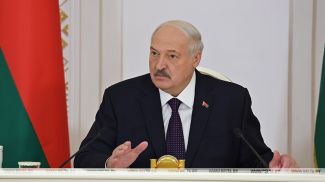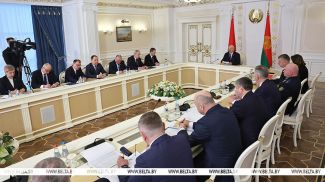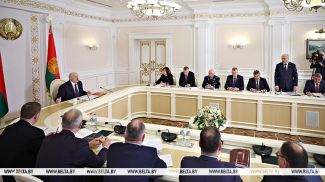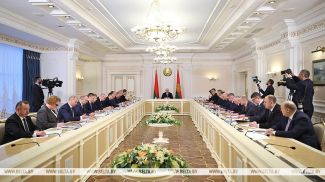

MINSK, 3 February (BelTA) – Belarusian President Aleksandr Lukashenko rejected a proposal to once again restructure debts in Vitebsk Oblast’s agro-industrial complex. He was asked to sign a corresponding decree at a meeting to discuss the social and economic development of Vitebsk Oblast, BelTA has learned.
“We will help only for concrete results. Without any decrees. Money must be given to those who will return it soon. But you continue the old practice. Therefore, there will be no decrees: no restructuring, no postponements, no installments. Debts must be repaid. And let Nikitina [Anzhelika, Deputy Chairperson of the Vitebsk Oblast Executive Committee] calculate and submit proposals how she will pay what she promised under Sherstnev [Nikolai Sherstnev headed the region in December 2014-December 2021],” the president said.
Aleksandr Lukashenko stressed that the draft decree in its current form “is good for nothing”. “Restructuring, debt deferrals. That’s money. Where will you take it from?” he asked. “So I am giving you a clear answer regarding the draft decree you sent me late at night. You thought I wouldn’t read it, that I’d just sign it. Although this is the government’s business. The president has made his decision and stated it. There will be no decrees. For a specific calf barn, for a specific complex where you will milk cows we will allocate money, understanding that they cannot do it themselves. But you will be held fully accountable.”
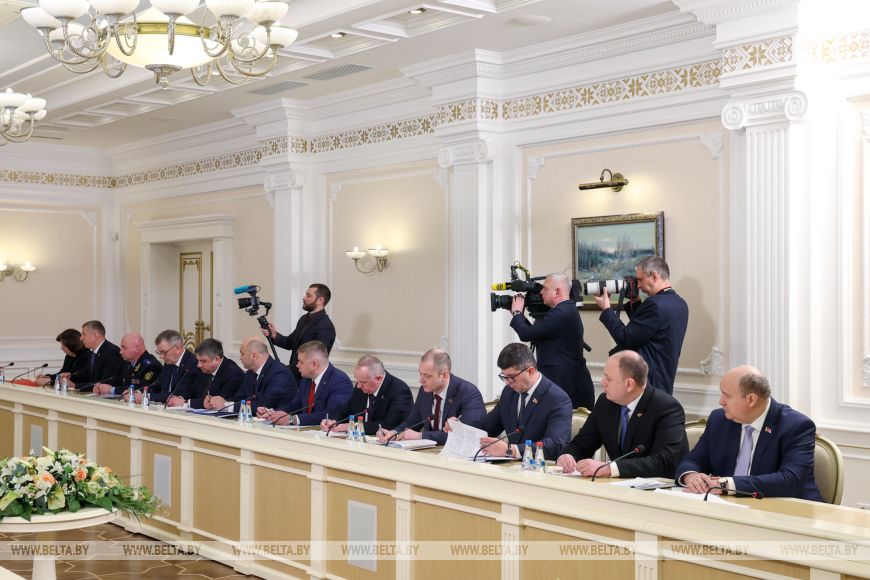
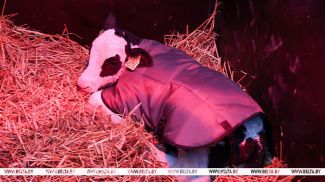
The president gave a concrete example of how such a document should be drafted if it is truly needed: “We understood that calf barns, or what you call calf pavilions, are necessary. So in the decree, if it is needed today, it must be clearly stated that we will help the new governor build these pavilions. Why? Because they cannot manage it on their own. If they can, it would take them 7-10 years. Therefore, he must have on his desk a program approved by the government if funds are required from the national budget.”
“So you, economist Krutoi and economist Turchin [Head of the President Administration Dmitry Krutoi and Prime Minister Aleksandr Turchin] are proposing to me for the last time to make a decision on debts and restructuring. I have given you my answer. This will not happen. No restructuring,” the Belarusian leader emphasized.
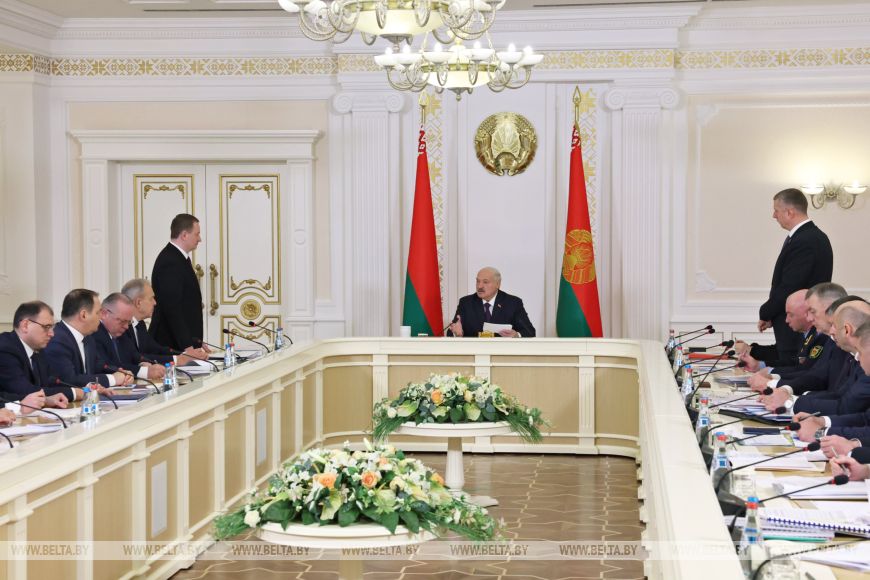
“Suggest to me what to do with the debts. But at the latest, by the end of this year or from 1 January 2027, they must be repaid. First settle the debts, and then think about how you will live. I want to remind everyone gathered: this is already the third attempt with your wishes and proposals. But the old track will not continue!” Aleksandr Lukashenko summed up.
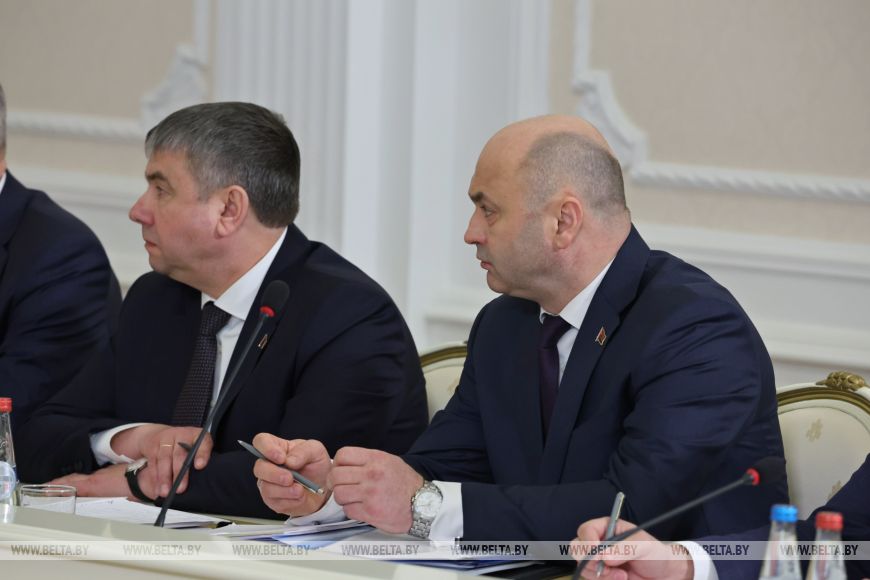
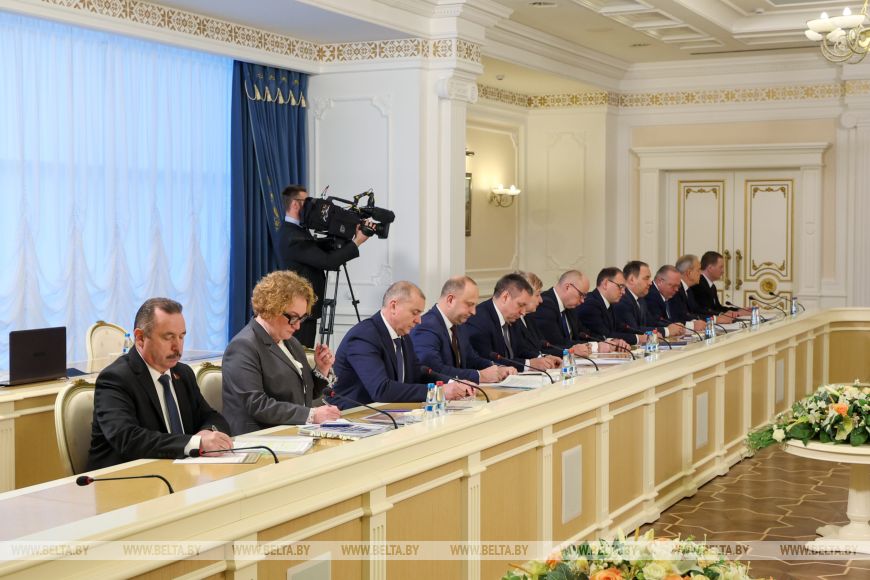
Following the meeting, it was decided that the decree, in the form initially proposed to the president, would not be signed. A new document must be prepared, stricter, clearer, and more specific, with sharply reduced deadlines and clearly defined responsibility for results. Once this revised draft is submitted, Aleksandr Lukashenko will review it and make a decision.
“Every document must contain concrete actions and clear accountability of managers, from the regional head down to the farm director. Each document must be tied to the results expected from the support provided,” said Vitebsk Oblast Governor Aleksandr Rogozhnik in remarks to journalists after the event, outlining the president’s requirements.
“The president instructed that the document be finalized and deadlines set: a year, during which the region’s performance will be analyzed. If the results meet the criteria laid out in the decree, the question of extending its validity will be considered,” the governor explained.
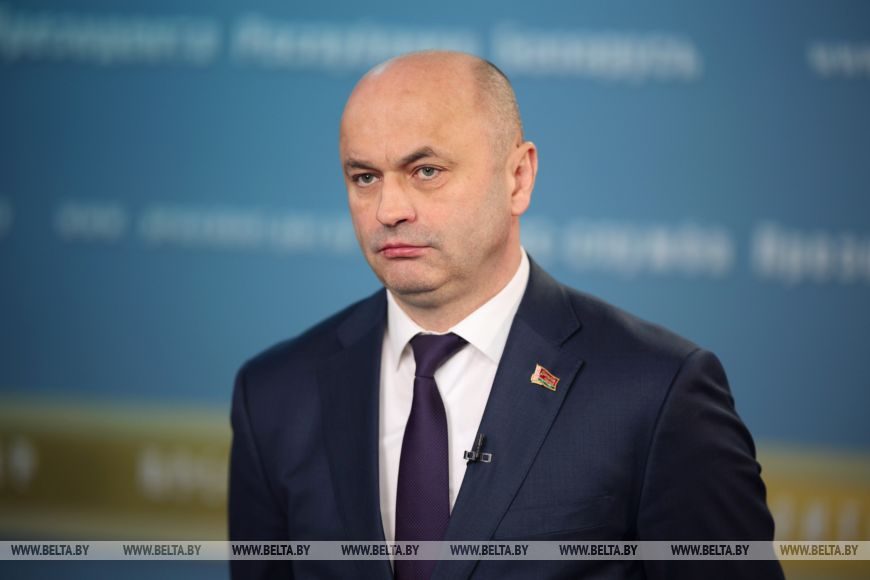
He expressed confidence that, given all the decisions adopted at the national level, Vitebsk Oblast will be able to achieve growth in the indicators set by the government starting from the second quarter of this year. The implementation of investment projects, over 100 in the region, will also contribute. “In 2026 alone, this will give us an increase of more than Br1 billion,” he said.
“There are no tasks without solutions. It is simply necessary to find the tools to bring them to life,” Aleksandr Rogozhnik added.