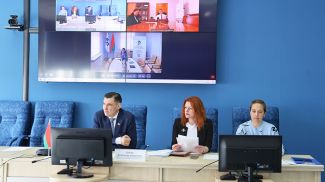
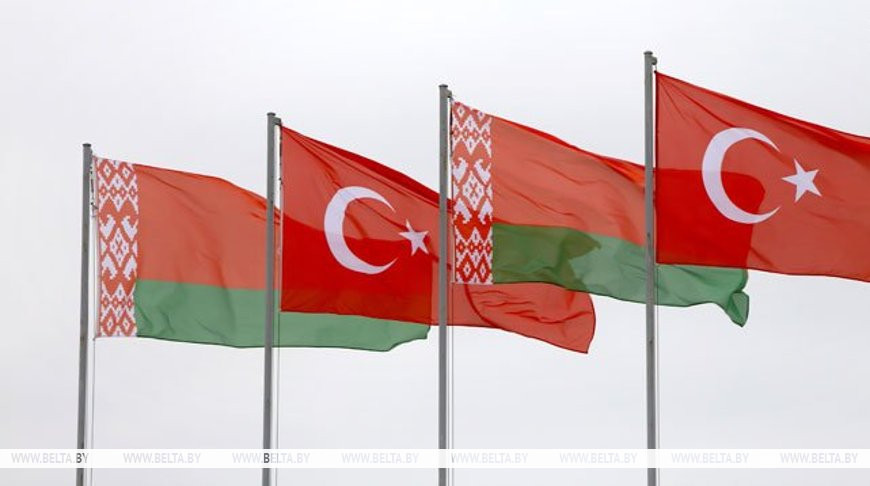
MINSK, 27 February (BelTA) – Belarus and Türkiye intend to expand cooperation in the agricultural sector, the press service of the Belarusian Agriculture and Food Ministry told BelTA following a meeting between Belarusian Agriculture and Food Minister Yuri Gorlov and Ambassador Extraordinary and Plenipotentiary of the Republic of Türkiye to Belarus Güçlü Cem Işık.
The parties discussed prospects for deepening bilateral cooperation in the agro-industrial complex and trade.
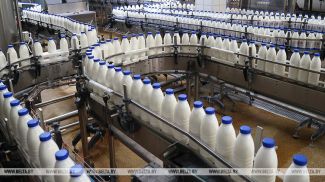
“Türkiye remains an important partner for Belarus in the supply of food and agricultural raw materials. In 2025, Belarusian exports are dominated by baby food products (growth rate – 109% year-on-year), as well as skimmed and whole milk powder. Butter and cheeses also remain traditionally in demand,” the press service noted.
Imports from Türkiye consist mainly of fruit, berries, fish, vegetable and melon crops, and confectionery products.
Belarus is interested in increasing its presence in the Turkish market, whose potential significantly exceeds current supply volumes. Priority areas include dairy products (butter, cheese, milk powder, baby food) and meat products (beef, poultry).
The meeting also addressed the issue of access for Belarusian beef to the Turkish market: relevant agencies will continue work on harmonizing veterinary and sanitary requirements and certification procedures.
Yuri Gorlov emphasized that Belarus is committed to effective cooperation based on the fulfillment of existing agreements.
Ambassador Güçlü Cem Işık praised the high quality of Belarusian products. According to him, the harmonious combination of Belarus’ industrial potential and agricultural traditions enables the production of competitive goods whose demand in Türkiye could be significantly higher. The diplomat stressed that cooperation between the two countries is based on complementarity rather than competition and expressed interest in more balanced and deeper trade relations.
Following the meeting, the parties agreed to provide comprehensive support for the development of cooperation in key areas of the agricultural sector, including expanding the range of supplies, harmonizing regulatory frameworks, and intensifying contacts between enterprises of both countries.