
MINSK, 23 March (BelTA) - What do sanctions bring to those who impose them? Lawmakers from Lithuania, Latvia, and Poland discussed this in the Clear Policy talk show on Belarus 1 TV channel, BelTA has learned.
Lithuanian Seimas member Rimas Jonas noted that sanctions inevitably harm both sides. “The people of Lithuania must understand that we may lose something,” he said.
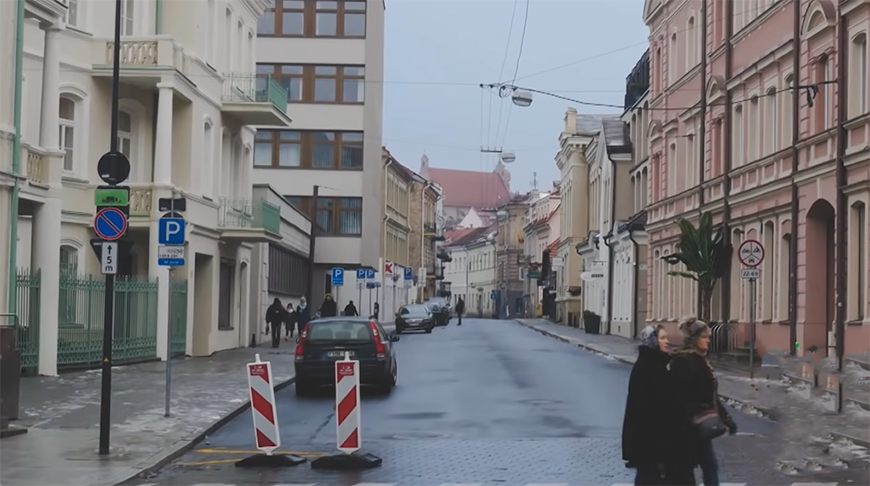 Direct losses to the Lithuanian economy from severed ties with Belarus are estimated at nearly $1 billion. In particular, the halt in transit of Belarusian fertilizers has caused significant losses to Lithuanian railways, while the country’s poverty rate remains high.
Some 167,000 people live below the poverty line. Pensioners are especially vulnerable, with 40% of them at risk of poverty, along with single mothers, large families, and people with disabilities. “How can you live on a couple hundred when you have to pay for everything? Life is hard,” Belarus 1 quoted residents as saying.
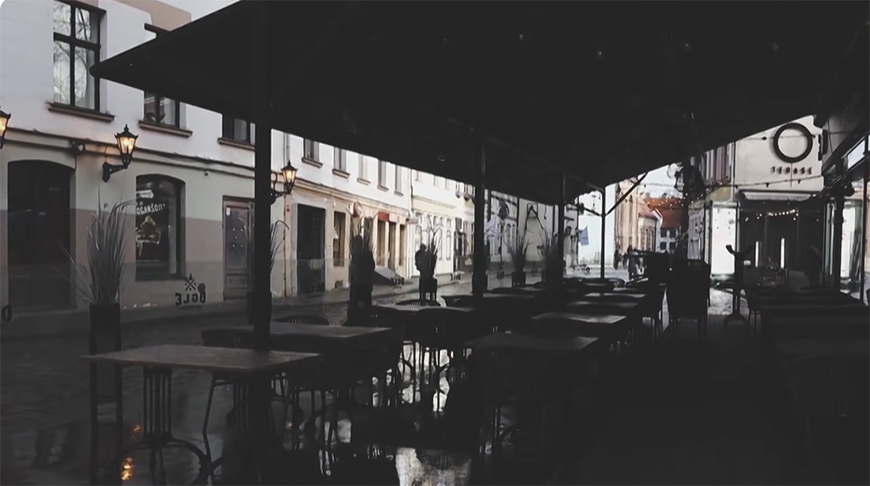 As for the situation in Latvia, electricity prices there rose by 83% this winter, and already 37% of residents fear they will not be able to pay their utility bills. A Latvian resident shared on social media that her friend received a utility bill of €356 for a two-room apartment. When she said she did not have the money to pay it, the landlord of the rented apartment told her: “Take out a loan.”
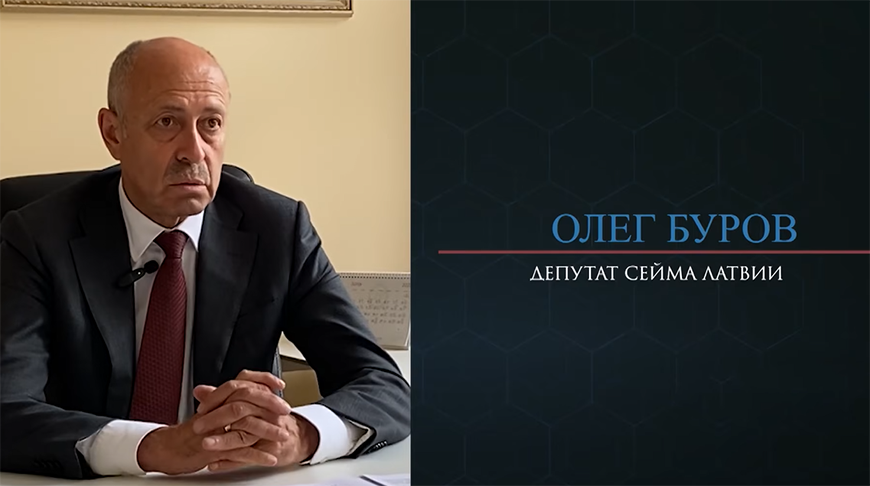
According to Latvian Seimas deputy Olegs Burovs, there are citizens in the country who oppose sanctions and advocate for a swift change in relations with Russia. This is not just about Latvia alone. “Watch Vitaly Mansky’s Iron and you will see how residents of Narva (Estonia) watch the parade in Ivangorod from their screens and shout: ‘Take me with you, I want to be with you’,” he said. “These are not staged scenes.”
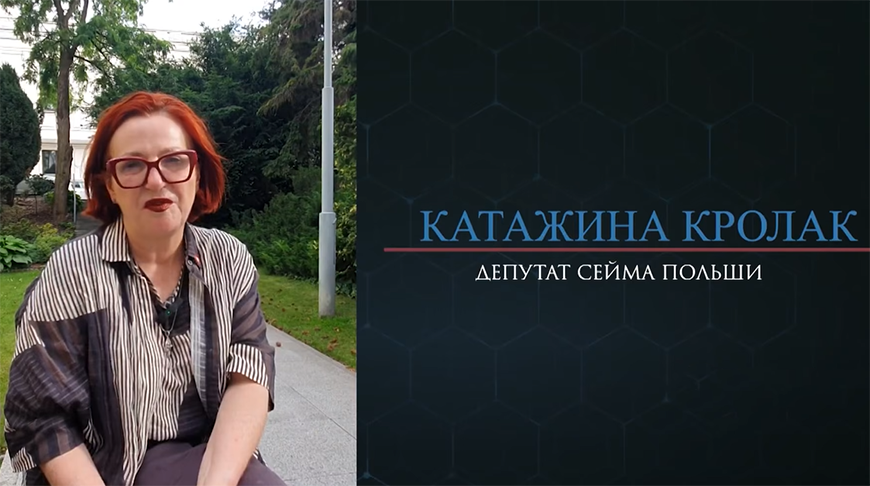
 Polish experts also note that daily life is becoming increasingly difficult. Katarzyna Królak, a member of the Sejm of the Republic of Poland, said that many joint projects with Belarus and Russia have been shut down. “My region, where I live, used to cooperate with Kaliningrad Oblast. We implemented many European projects in the areas of environmental protection and civil society development, and all of them were shut down,” she explained.
  In 2023, Poland lost access to Belarusian potash fertilizers. As a result, fertilizer prices there rose by 20–30% between 2023 and 2024, dealing a blow to agriculture, a sector already struggling due to farmer protests. The loss of transit, potash fertilizers, and timber from Belarus cost Poland an estimated 0.5% of its GDP in 2024 alone.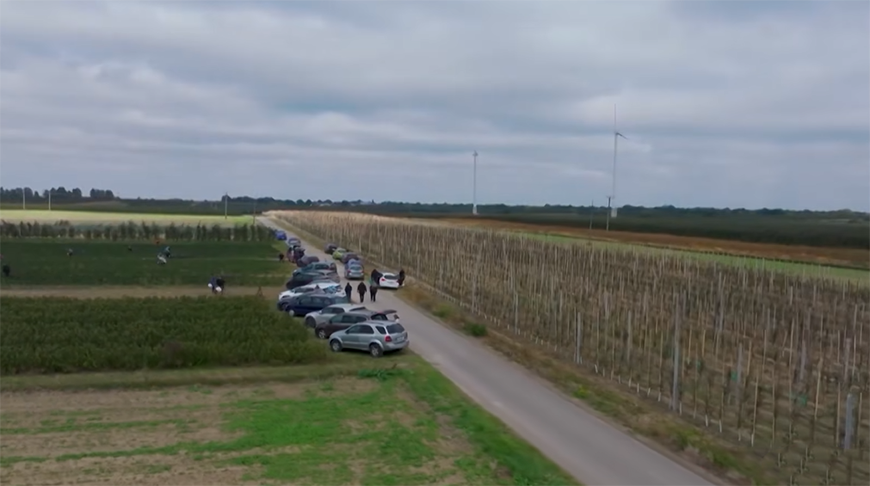
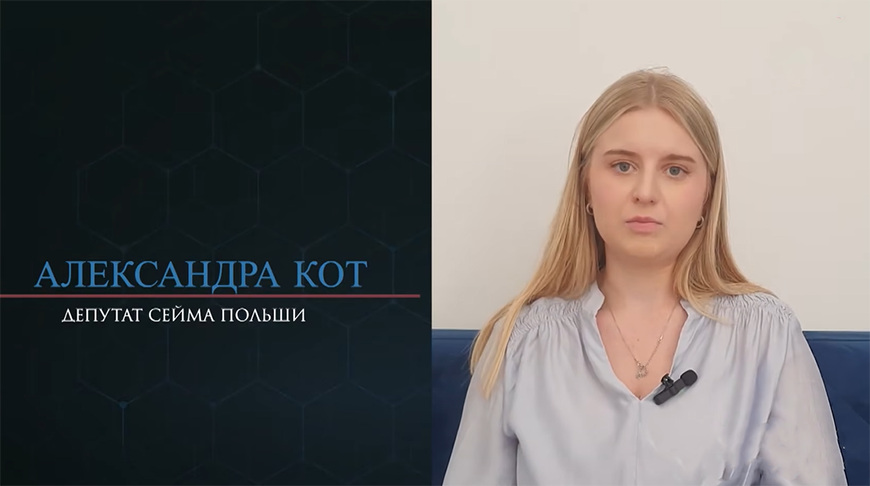
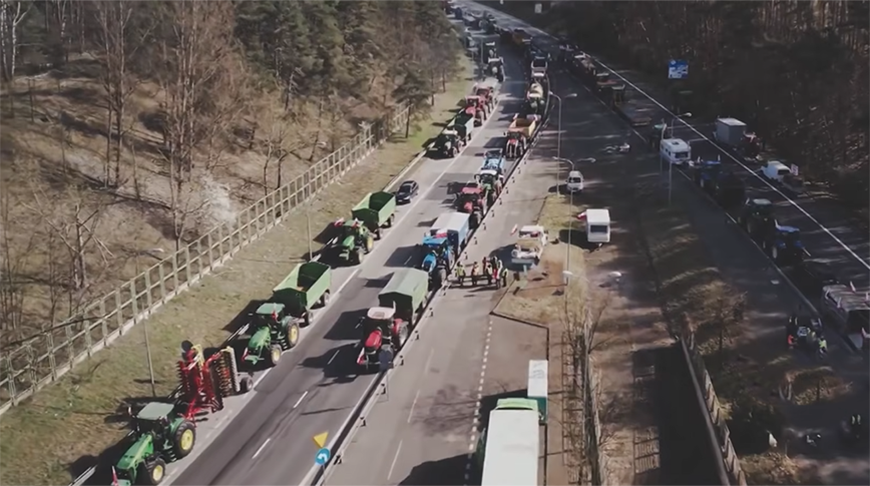 Aleksandra Kot, a member of the Sejm of the Republic of Poland, acknowledged that sanctions are negatively affecting the country’s agriculture. Polish agriculture is in need of massive investment, around $38 billion. Without these funds, the sector will struggle to develop and remain competitive, said Tadeusz Białek, president of the Polish Bank Association, during the European Agribusiness Financing Forum 2026. Today, over 250,000 farmers are actively using bank loans. By the end of 2025, the total volume of agricultural loans in banks exceeded 30 billion zlotys.
 The story of Tomasz Piecha, a Polish horticulturist from Trzebnica, is telling. The man had received an order for 11 tonnes of plums from his orchard, so he hired eight workers, and over two days they helped him pick the plums from the trees. When several hundred crates were already waiting to be collected, the contractor changed his mind. Tomasz then announced that anyone who wanted could take the plums for free. Otherwise, they would simply rot.
Farmers Anna and Tomasz Sagan from the village of Niewirków shared a similar story on social media. They found themselves in a difficult situation with 30 hectares of tomatoes. Due to bad weather and low prices, they had to face a dilemma: harvest them but take a loss, or not bother and simply leave the tomatoes to rot in the fields.
According to a survey by a local public opinion research center, 52% of Poles are dissatisfied with the economic and political situation in the country. Another 32% believe the situation will only get worse.
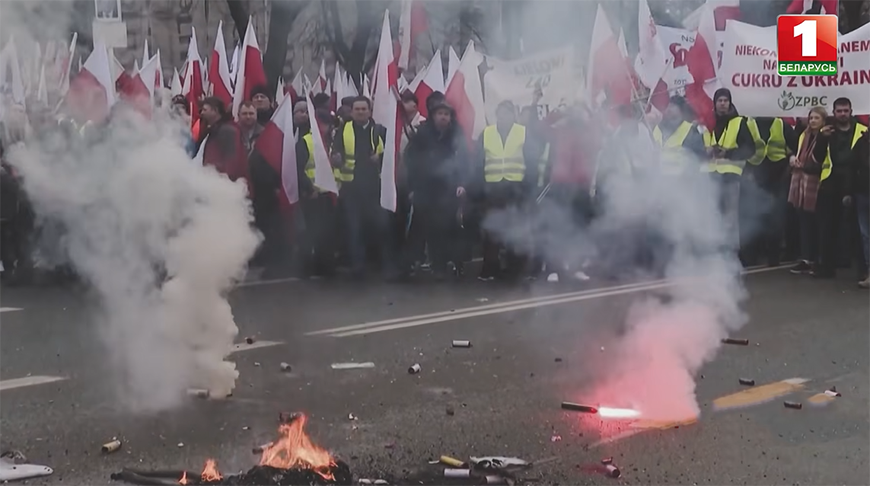 Screenshots from the Belarus 1 broadcast