ASTANA, 24 April (BelTA) – New technologies are strengthening interstate cooperation, especially among post-Soviet countries, Vera Voronova, Executive Director of the Association for the Conservation of Biodiversity of Kazakhstan, on the sidelines of the Regional Ecological Summit 2026 (RES 2026) in Astana, BelTA has learned.
Vera Voronova noted that modern technologies and open communication help deepen cooperation, particularly with specialists from Belarus. Cooperation takes place at multiple levels: from joint project implementation to forums, seminars, and personal professional ties.
One of the key areas for joint efforts is ornithology. “Birds migrate from country to country, so it is impossible to protect them only locally. It is also important to study migration processes. Previously, a large bird-ringing program was used, where ornithologists placed rings on birds to track their routes. Today, Kazakhstan uses modern methods to monitor bird migration. One of them is the use of satellite transmitters that provide location data. Twice a day we can accurately track the direction and routes of birds, their stopover sites, nesting areas, and more. GPS transmitters allow us to create detailed maps of the movements of tagged birds,” she explained. Vera Voronova also praised Belarusian experience in involving the wider public in ornithology.
The application of digital solutions and artificial intelligence in environmental work was discussed at one of the RES 2026 sessions. Nazgul Bazhayeva, Director of the Department of Regional Digital Development at Kazakhstan’s Ministry of Artificial Intelligence and Digital Development, highlighted the importance of national technological achievements, including the Alem.Cloud supercomputer cluster, which ranks 86th among the world’s most powerful computing systems. AI platforms and practical solutions can also be applied in the environmental sector, she noted.
Ashkat Kozhumov, Director General of Kazakhstan’s Information and Analytical Center for Environmental Protection, stressed the efficiency and environmental benefits of implementing and testing such platforms. “Digitalization is already transforming approaches to environmental control and monitoring. These tools provide accurate, objective information and enable rapid decision-making. The main focus is on preventive measures,” he said. He reminded the event’s participants that preventing environmental damage is far less costly than eliminating its consequences.
The summit program included 58 sessions. More than 50 documents as well as initiatives and investment agreements worth over $2 billion covering mechanisms, technologies, institutions, and financing programs, are expected as outcomes.
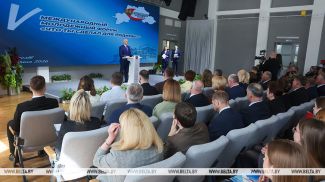
Over three days, discussions ran non-stop, bringing together experts, analysts, opinion leaders, government representatives, and youth. Meetings, panels, presentations, and consultations helped deepen understanding and outline strategic tools.
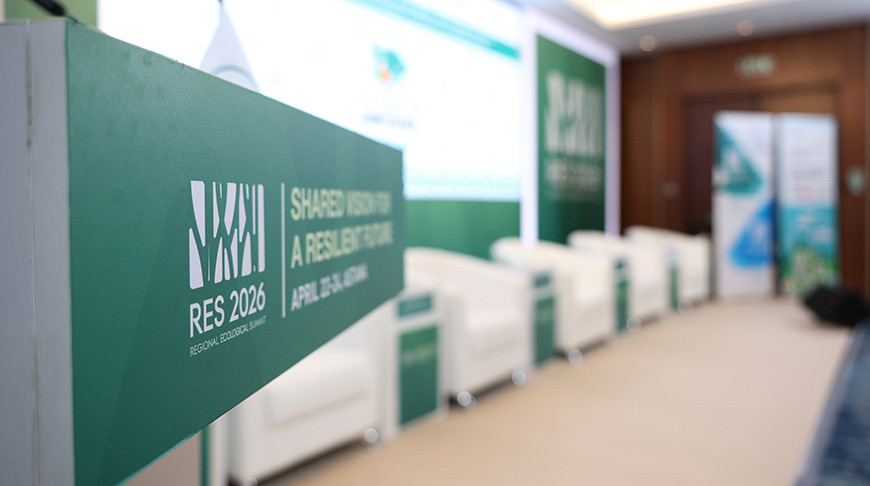
The Regional Ecological Summit 2026 held in Astana on 22-24 April once again brought together heads of state, policymakers, international organizations, financial institutions, and experts. Its main goal is to promote coordinated responses to environmental and climate challenges in Central Asia. The large-scale forum organized by the Government of Kazakhstan in partnership with the UN and international stakeholders serves as a high-level platform for aligning regional priorities, strengthening cooperation, and advancing practical solutions in interconnected systems of water, energy, land use, and food security.