
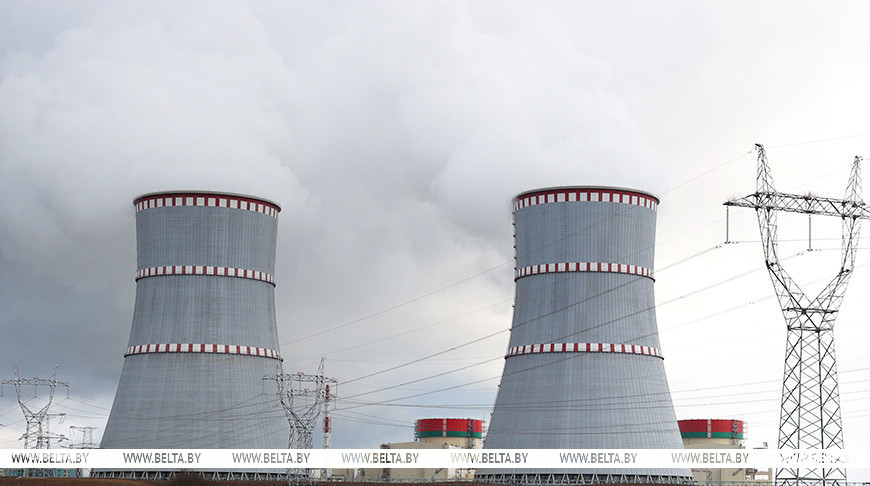
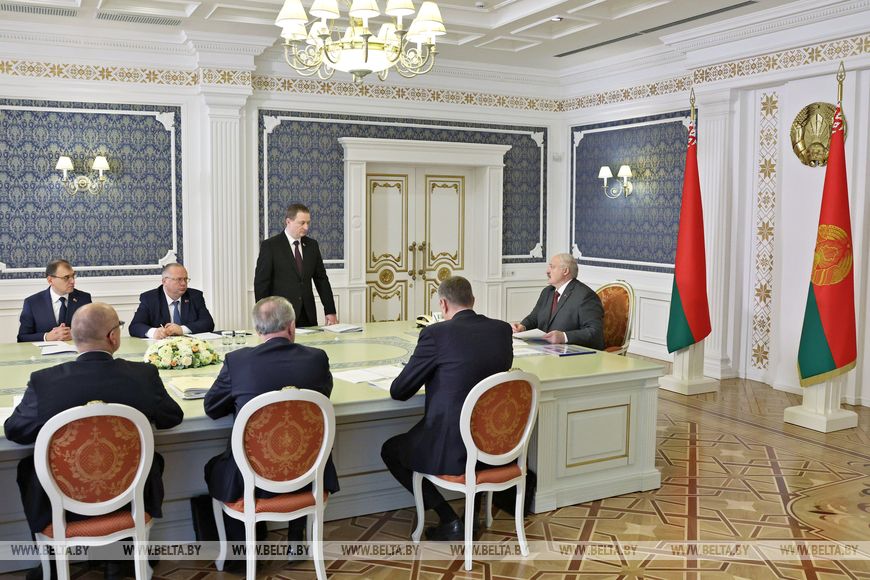
MINSK, 14 November (BelTA) – The construction of a nuclear power plant has determined Belarus’ further development as a high-tech state, Belarusian President Aleksandr Lukashenko said at a meeting to discuss the performance of the Belarusian NPP, rising electricity consumption, and proposals for building new nuclear capacities, BelTA has learned.
“Five years ago, when we officially launched the first Belarusian nuclear power plant in Ostrovets, the country entered a new era. The commissioning of the NPP not only strengthened our energy security but also charted Belarus’ future as a high‑tech state. Having our own nuclear station is, in a certain sense, a way to ensure sovereignty and independence,” the Belarusian leader stated.
He emphasized that safety and reliability have been and remain of the paramount importance at every stage of the plant’s construction and operation.
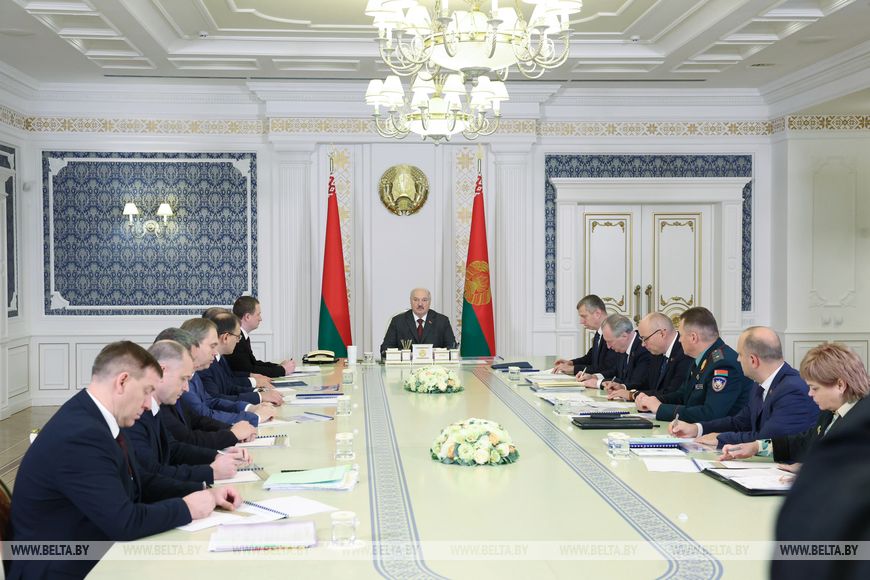
Aleksandr Lukashenko noted that a five-year period is sufficient to take stock: “We have secured a source of affordable, clean energy for decades to come, achieving both economic and environmental benefits.”
He cited several facts about the performance of the Belarusian Nuclear Power Plant (BelNPP). Greenhouse gas emissions have been reduced by more than 26 million tonnes. Since commissioning, the plant has generated over 53 billion kWh of electricity, allowing Belarus to completely abandon imports. Dependence on natural gas has also been reduced by 14.5 billion cubic meters, with its share in energy generation falling from 95% to about 65%, saving more than $1.6 billion in budgetary funds.
The nuclear plant has also transformed the landscape of Belarusian energy. As part of integrating BelNPP into the power system, a large-scale grid modernization program was carried out: more than 1,700 km of lines were reconstructed, modern substations built, and breakthrough digital technologies introduced to improve reliability of electricity supply.
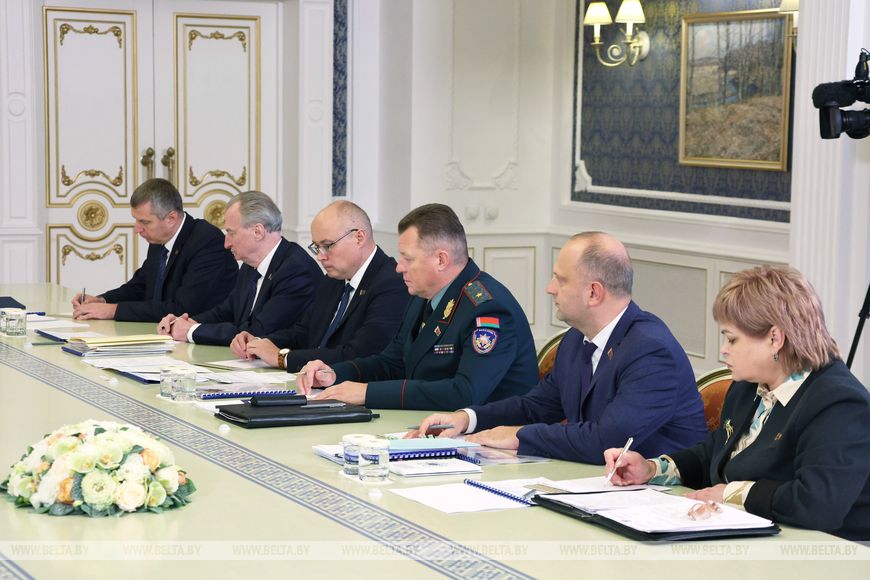
“A new branch of the economy has been created in the country, along with the necessary infrastructure and a modern system for training personnel. We did not have any of this before. Over the years of implementing the national nuclear energy program, we have accumulated unique expertise in the design, construction, operation, and maintenance of nuclear facilities,” the Belarusian leader emphasized.
BelNPP has also given impetus in electricity consumption. In 2024, consumption reached a record high level of 43.3 billion kWh. Over the past five years, the increase amounted to about 6 billion kWh.
The head of state asked for a brief report on the accumulated experience in operating the nuclear power plant, as well as the results of cooperation with Russian partners in this area and any potential issues that may arise.
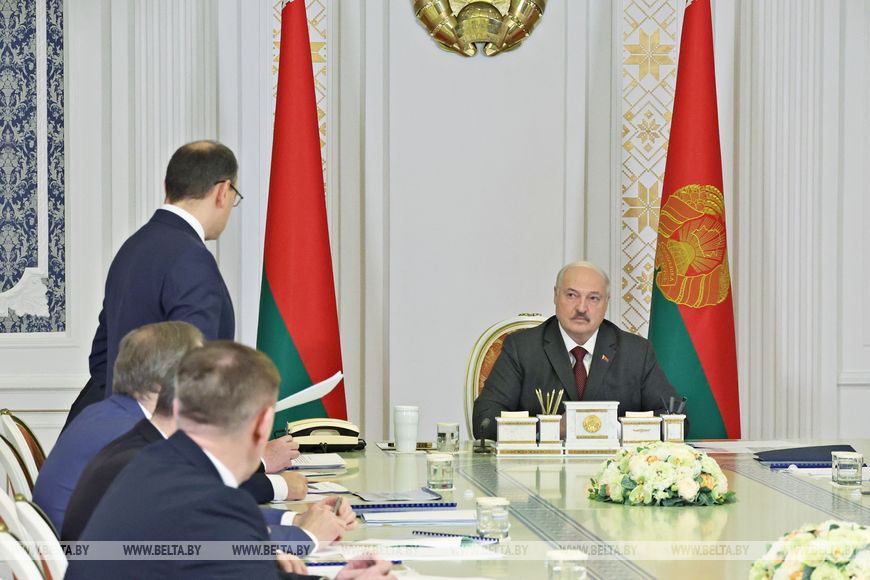
Will there be a second NPP in Belarus? The question was decided at the meeting
According to the president, the government has been instructed to work on the issue of building a second NPP or an additional third power unit at the existing plant. In this regard, he suggested discussing the significant features, advantages, and disadvantages of these options.
The first option is the construction of a new power unit at the Ostrovets site as the second stage of the BelNPP. All the necessary conditions and specialists are available there: an appropriate site, production, technological, and social infrastructure. This means there is an opportunity to build it at a lower cost. “The ground conditions there have already been thoroughly studied. There is no need for any additional surveys,” Aleksandr Lukashenko said.
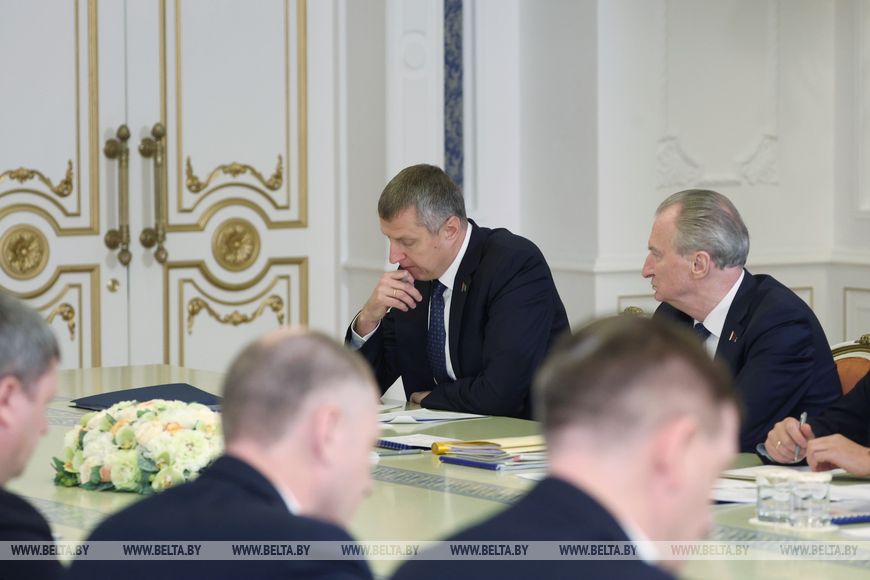
The second option is the construction of a new plant in the country's east, where the ground conditions permit. A suitable site there was already considered when the decision was made to build the currently operating nuclear plant. Building from the ground up at a new location will require greater financial investment and organizational effort, but it would provide a powerful impetus for the development of the eastern region. “We would likewise transform the eastern region from a backwater into a highly developed territory of Belarus. This means new jobs, investment, innovative projects, and new technologies,” the president said.
In his opening remarks at the meeting, the head of state recalled that Ostrovets, where the nuclear power plant was built, has gained a status as a modern and promising city. Its population has nearly doubled - from 8,000 to 15,000 people. The plant employs about 3,000 specialists, 30% of whom are youth under the age of 32, with the average age of the workforce being 38. “Graduates from energy faculties dream of getting a job there. It’s a wonderful city. There’s no need to persuade anyone. People are moving there for jobs in all kinds of specialties. In terms of amenities, engineering infrastructure, and income levels - where it ranks in the top three among all regions - we consider Ostrovets the gold standard for developing district centers,” Aleksandr Lukashenko said.

The outcome of the discussion is a decision to develop the Ostrovets nuclear power plant by implementing its second stage - the construction of a third power unit. However, this does not mean the idea of building another separate NPP in Belarus has been abandoned in principle. Parallel to the construction of the third unit at the BelNPP, work will be organized to survey potential sites in Mogilev Oblast. Subsequently, should electricity consumption increase, a decision could be made to create additional nuclear capacity there. This was announced to journalists by Vice Premier Viktor Karankevich following the meeting.
The nuclear power plant is a crucial driver of regional development for decades to come, the president noted. He suggested that this factor be specially taken into account in the context of the current conversation.
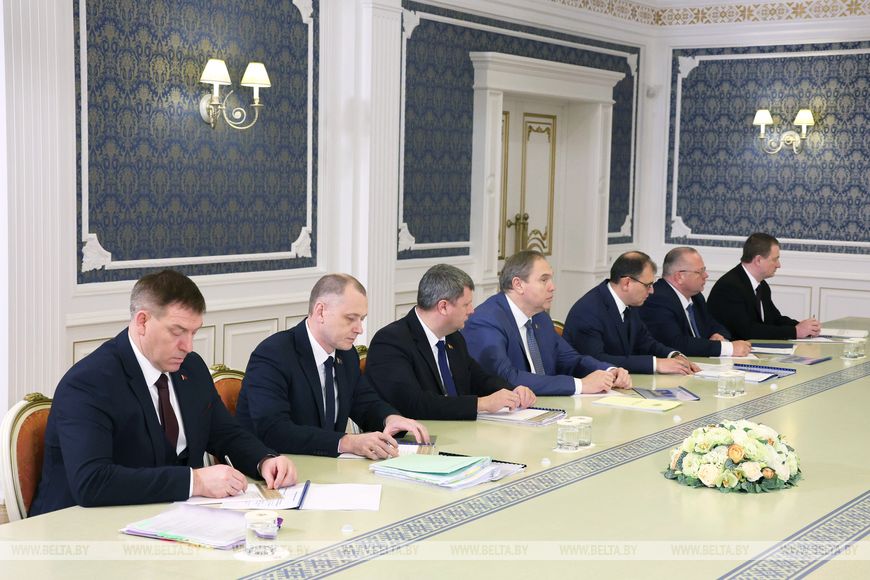
Lukashenko promises scientists major rewards for electric transport battery project
“Electric vehicles are already attracting widespread attention: it is a rapidly growing market. Developing the economy requires reliable electric power, without which progress is impossible. Belarus is both a machine‑building and agricultural country, and we can practically transition transport across all sectors, from agriculture to nationwide use, to electricity,” the president said.
He recalled that the head of the National Academy of Sciences of Belarus had pledged to develop a domestic electric battery. If successful, this would eliminate the need for importing such components from other countries.
“That would be a breakthrough. Let's give our scientists a chance to show their skills. You will receive an incredible amount of money for this project. Moreover, this is not something completely new,” Aleksandr Lukashenko emphasized.
Lukashenko demands comfortable and safe alternative to minibuses
The president noted that electric transport is developing across Belarus, not only in big cities. “Pilot projects to convert public transport to electric have been implemented in Shklov, Zhodino, and Novopolotsk. Overall, more than 44,000 electric vehicles are currently in use in the country, and there are over 1,870 charging stations,” he cited.
In this context, the president expressed surprise at the shortage of public transport on suburban and intercity routes – an issue he stated is being raised by the public, including on social media. “People are disgruntled: they’re standing, especially during rush hour, in lines of 150 meters, as they say, just to squeeze into these stinky minibuses,” Aleksandr Lukashenko said. “Listen, why are you treating people like that?!”
“Can’t we replace these minibuses, Aleksandr Genrikhovich, with buses?” the president remarked, addressing Prime Minister Aleksandr Turchin. “We need to supply electric buses, not just internal combustion engine buses. And let them go [on the routes]. People will be happy to ride. They’ll be comfortable, they can breathe on these buses, they won’t have to sit there all huddled up [like in minibuses].” He added that this would also be a safer mode of transport: “Well, we’ll lose 2-3 minutes, but we’ll be alive and well.”