
Photo: Xinhua / iStock
BEIJING, 3 March (BelTA - China Daily) - Archaeologists in North China's
Shanxi province have uncovered a family cemetery belonging to a
sixth-generation descendant of Zhu Yuanzhang, founding emperor of the
Ming Dynasty (1368-1644), providing valuable insight into the royal clan
system of that era.
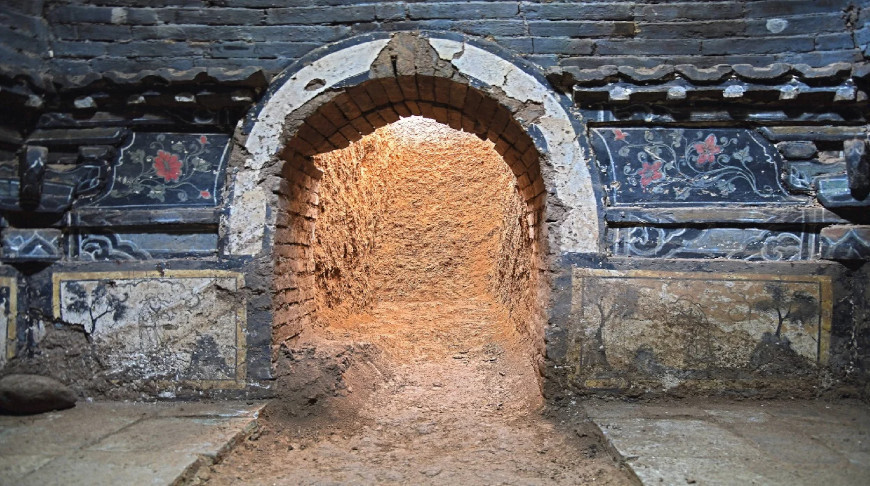
The Shanxi Provincial Institute of Archaeology announced that the cemetery, belonging to Zhu Yinxun and his descendants, was discovered in Qinjiazhuang village, Changzhi city in Shanxi. To facilitate a major provincial construction project, a joint archaeological team excavated seven brick-chambered Ming tombs at the site last year.
Although all the tombs had been looted in the past, nine exquisite stone epitaphs were recovered from five of them, which proved key to identifying the occupants.
According to the epitaphs, the cemetery is the family burial ground of Zhu Yinxun, a descendant of Zhu Mo, who was the 21st son of Zhu Yuanzhang. The five identified tombs belong to Zhu Yinxun and his wife, his second son and wife, his fourth son and wife, one of his grandsons and wife, and another grandson. Archaeologists speculate that the two tombs without epitaphs likely belong to his eldest son and another grandson.
A stone epitaph discovered in the family tomb of Zhu Yinxun, a sixth-generation descendant of Zhu Yuanzhang, the founding emperor of the Ming Dynasty (1368-1644), in Shanxi province.
"The families they married into were either those of officials, acquaintances, or reputable local figures," Wang says.
A total of 722 artifacts were unearthed from the cemetery, including 647 pieces of glazed pottery, 43 pottery items, 14 porcelain pieces, and 18 stone epitaph pieces. The large number of glazed funerary objects, featuring figurines, models of houses, sacrificial vessels, and daily utensils, offers a unique glimpse into the secular life of the Ming imperial family.
"This is the first discovery in Shanxi of a Ming imperial clan cemetery that is both well-preserved and clearly documented in terms of lineage," she says.
The Shanxi Provincial Institute of Archaeology announced that the cemetery, belonging to Zhu Yinxun and his descendants, was discovered in Qinjiazhuang village, Changzhi city in Shanxi. To facilitate a major provincial construction project, a joint archaeological team excavated seven brick-chambered Ming tombs at the site last year.
Although all the tombs had been looted in the past, nine exquisite stone epitaphs were recovered from five of them, which proved key to identifying the occupants.
According to the epitaphs, the cemetery is the family burial ground of Zhu Yinxun, a descendant of Zhu Mo, who was the 21st son of Zhu Yuanzhang. The five identified tombs belong to Zhu Yinxun and his wife, his second son and wife, his fourth son and wife, one of his grandsons and wife, and another grandson. Archaeologists speculate that the two tombs without epitaphs likely belong to his eldest son and another grandson.
A stone epitaph discovered in the family tomb of Zhu Yinxun, a sixth-generation descendant of Zhu Yuanzhang, the founding emperor of the Ming Dynasty (1368-1644), in Shanxi province.
"The families they married into were either those of officials, acquaintances, or reputable local figures," Wang says.
A total of 722 artifacts were unearthed from the cemetery, including 647 pieces of glazed pottery, 43 pottery items, 14 porcelain pieces, and 18 stone epitaph pieces. The large number of glazed funerary objects, featuring figurines, models of houses, sacrificial vessels, and daily utensils, offers a unique glimpse into the secular life of the Ming imperial family.
"This is the first discovery in Shanxi of a Ming imperial clan cemetery that is both well-preserved and clearly documented in terms of lineage," she says.