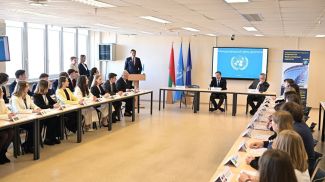
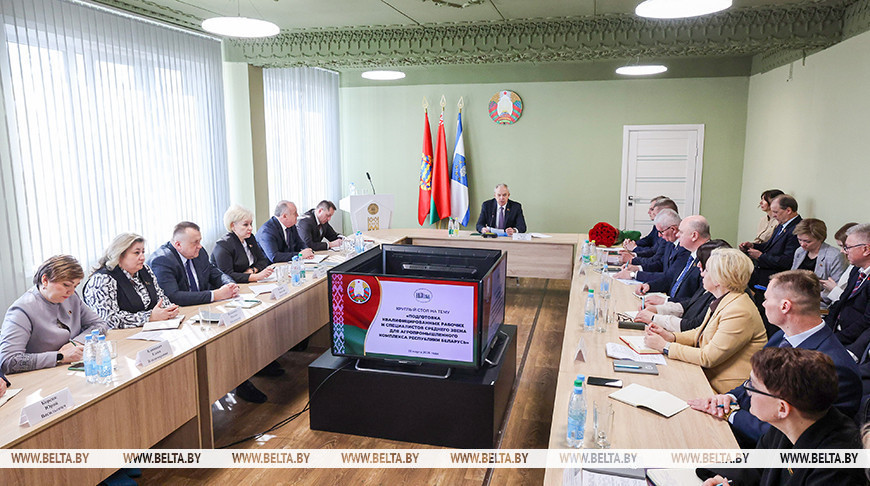
MINSK, 25 March (BelTA) – Belarus has preserved its system of vocational education, while other post-Soviet states are already feeling the severity of the problem, Chairman of the House of Representatives of the National Assembly of Belarus Igor Sergeyenko said during a roundtable discussion at the Smilovichi State College, where the preparation of skilled workers for the country’s agro-industrial complex was touched upon.
“Our country has preserved the system of vocational education, while in other post-Soviet states the sharpness of the problem has already been felt,” Igor Sergeyenko said.
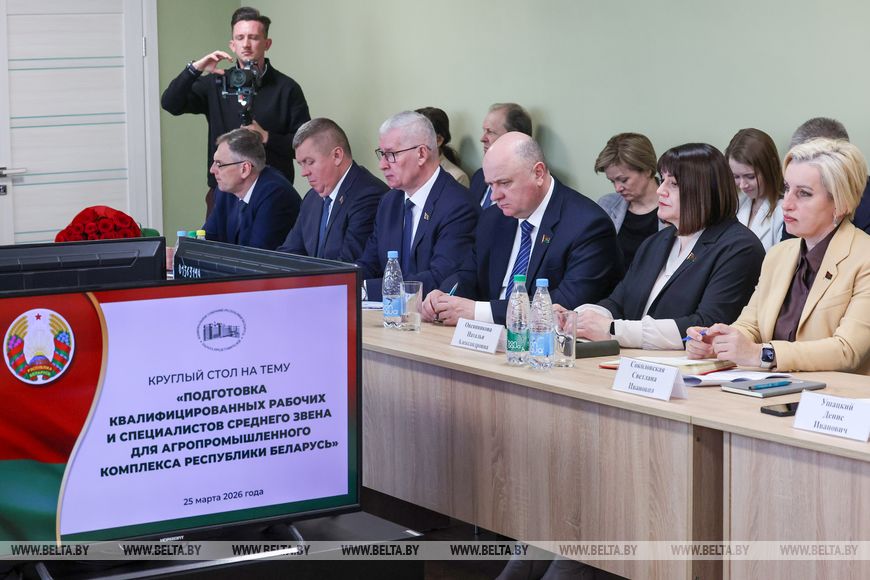 At the same time, the Belarusian president has repeatedly emphasized the need to radically improve training for the agro-industrial sector, focusing on modernized production, the speaker noted. “Today we see that working with new equipment is not easy. It requires certain knowledge and skills, which then form the professionalism of our future machine operators and future personnel,” he said.
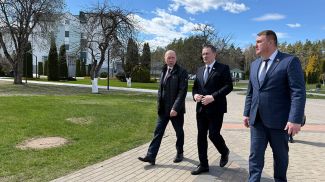
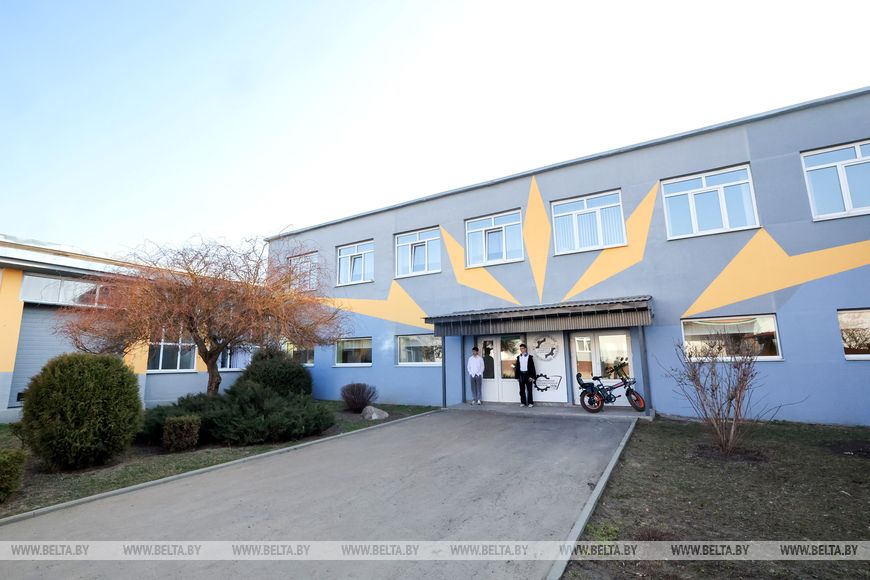
Igor Sergeyenko pointed out that the location for the roundtable discussion was chosen deliberately. The practice of visiting enterprises and organizations where deputies previously worked continues. For example, before being elected to the House of Representatives, deputy Yuri Korsik headed the Smilovichi State College.
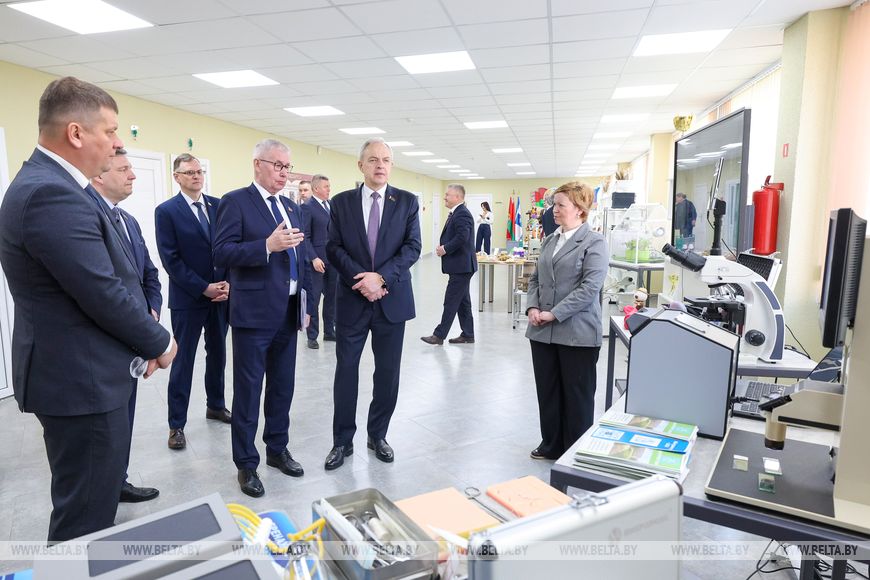
The second purpose of the visit was to get acquainted with the educational process, the material and technical base, and the upbringing of future specialists for the agro-industrial complex. Professional communication makes it possible to identify aspects that may need to be considered when adjusting legislation on these matters in the near future, taking into account the opinions of practitioners, local executive bodies, and heads of educational institutions.

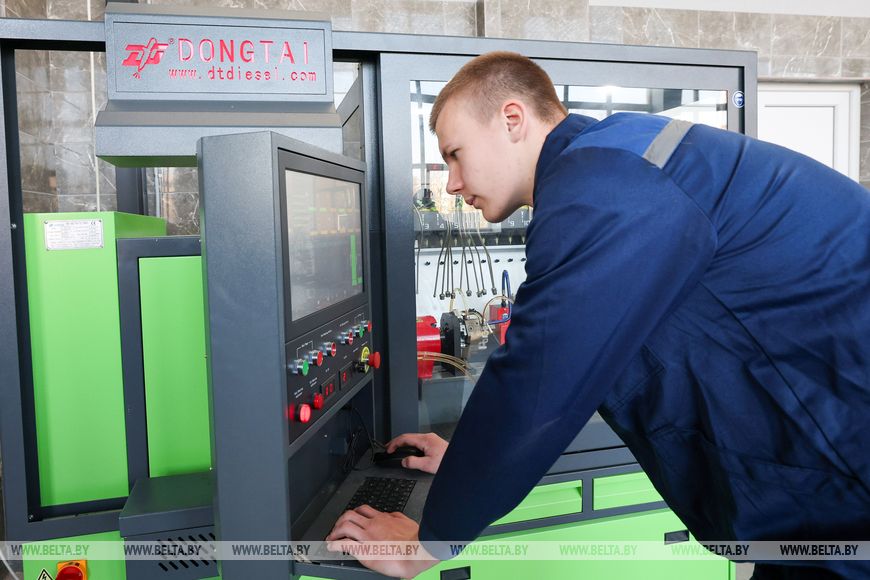
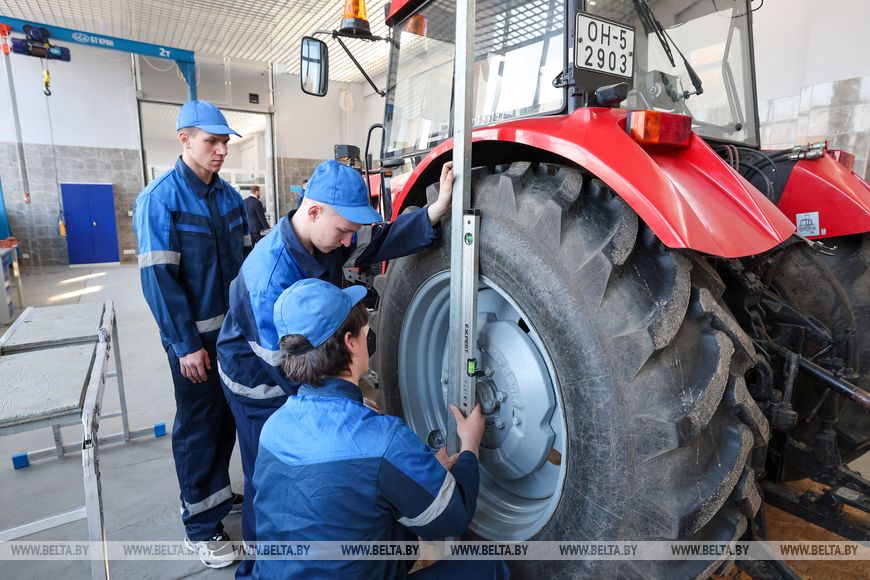 The speaker recalled that Belarusian colleges had been instructed to identify their future employers, while the government was asked to address this issue and assign specific farms or organizations to each college.
A great deal is being done to address these tasks, including with the involvement of members of parliament, Igor Sergeyenko noted. In particular, the necessary legislative framework is being developed. Since 2011, the Education Code has been in force, incorporating the entire structure of the education system, from preschool to higher education. Amendments were introduced two years ago and came into effect last year. No significant changes were made to the system of training specialists at the vocational and secondary specialized levels, which indicates that everything had been properly accounted for at the initial stage.
Igor Sergeyenko recalled that amendments were made last year to the Law on Road Traffic. These innovations were promptly coordinated with the Ministry of Agriculture. As a result, 17-year-old citizens are now allowed to operate tractors and combine harvesters and may participate in sowing and harvesting during their practical training. According to available information, graduates and trainees of Belarusian educational institutions are already being involved in this year’s sowing campaign.
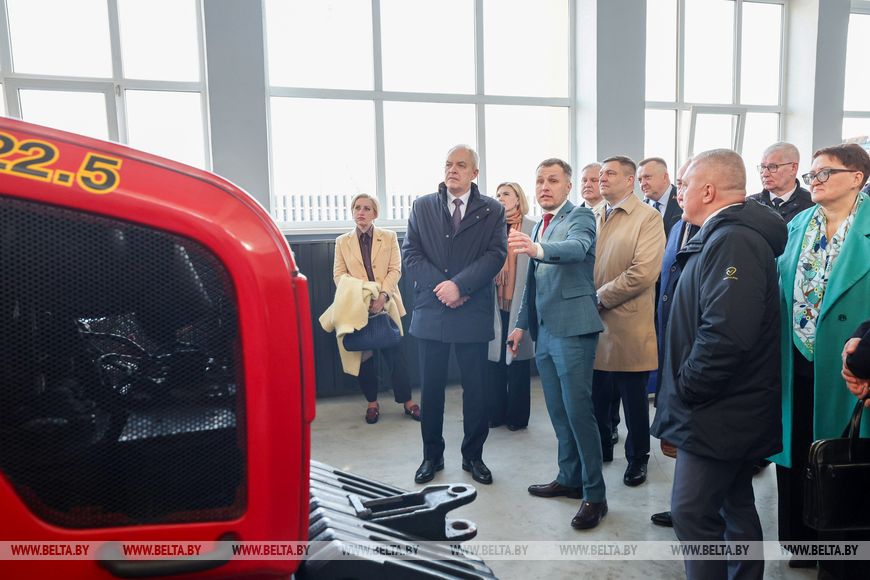
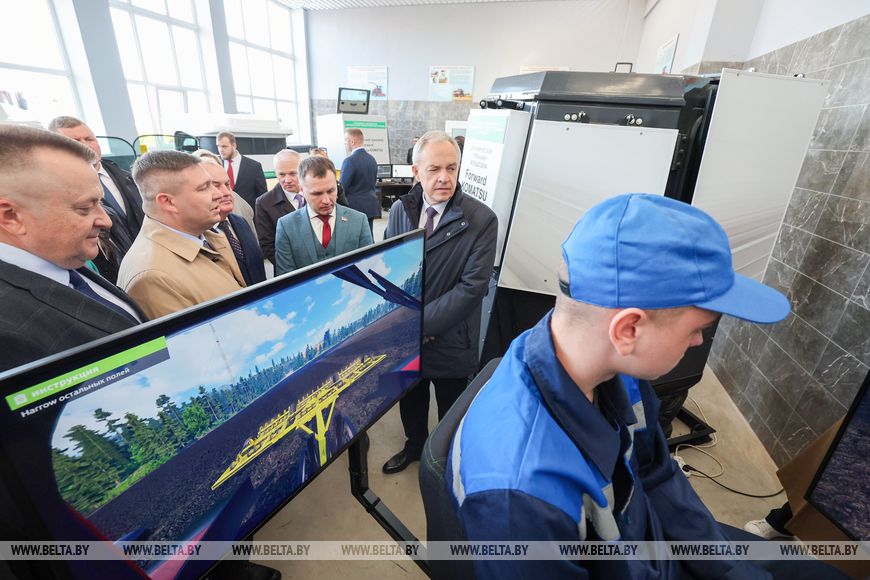
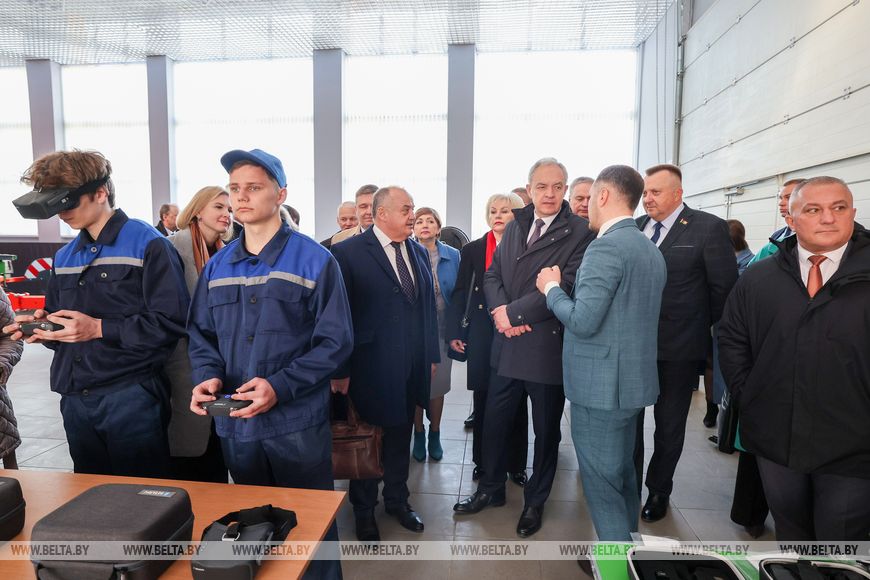
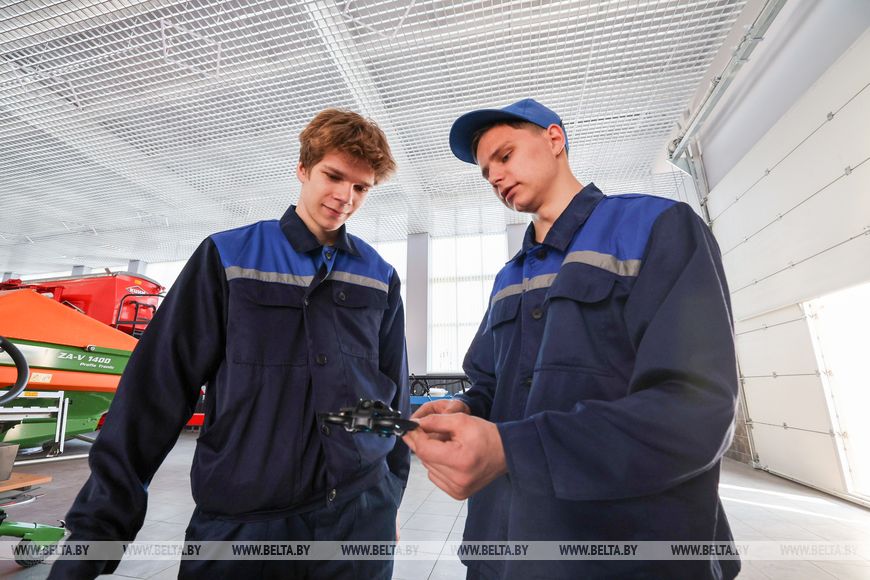
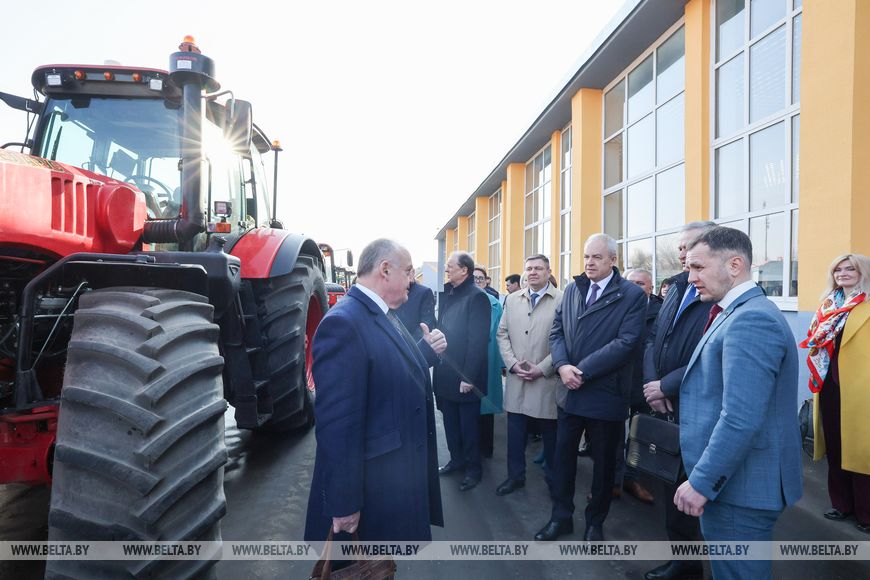 Commenting on this legislative change, the speaker added that the norm is indeed working in practice. Sixty graduates from the Kopyl College alone are able to operate such machinery during the sowing season.
During the roundtable discussion, a proposal was voiced to expand this practice, and this issue will be examined further, the speaker noted.
“There were other proposals as well from representatives of the Ministry of Education and the Ministry of Agriculture and Food regarding improvements to personnel training. After comprehensive study, these proposals should be considered: perhaps not at the level of legislation, since the legal framework is already in place, but at the level of specific decisions by the government or the relevant ministries,” the chairman of the House of Representatives said.
 Photos by Nikolai Petrov/ BelTA