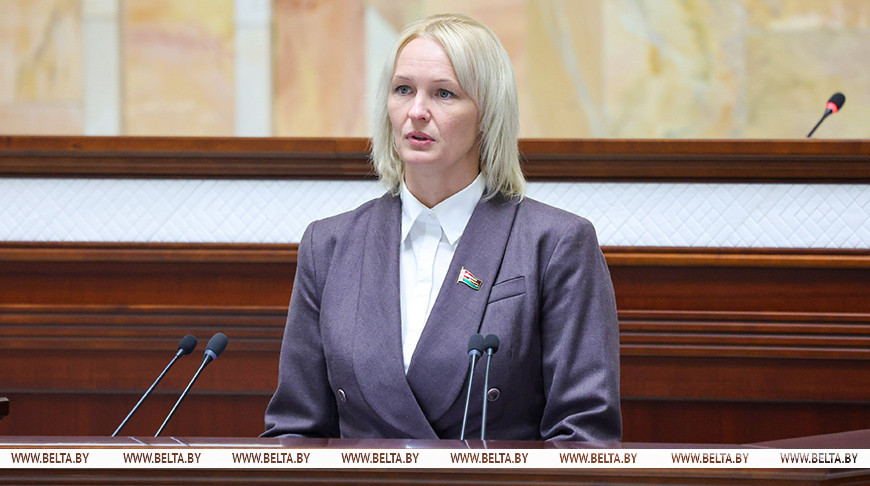
Olga Stepus
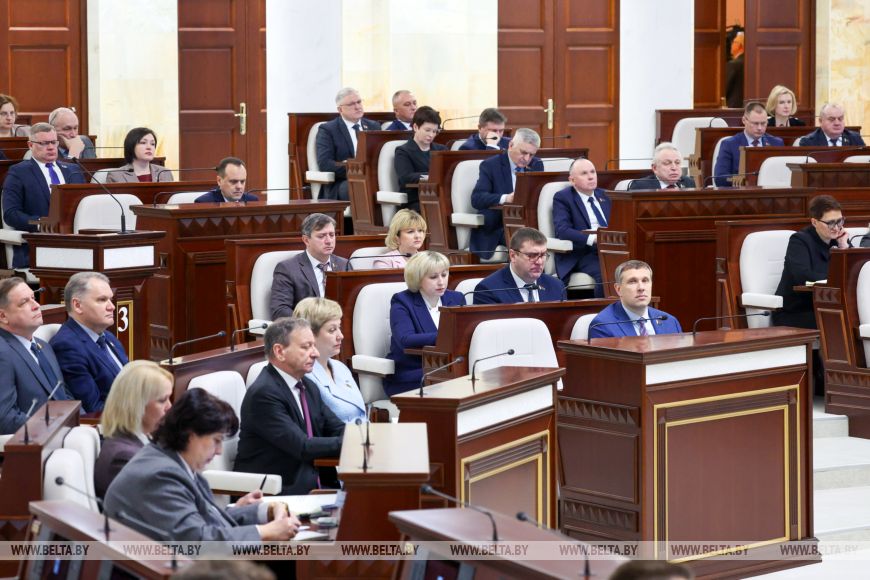
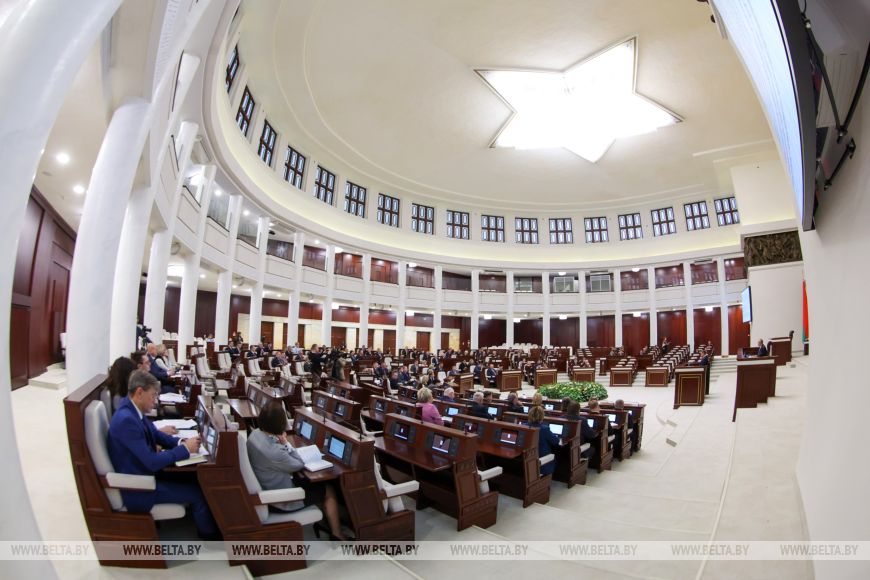
MINSK, 13 January (BelTA) – The fundamental approach to tourism in Belarus is changing, Olga Stepus, a member of the Standing Commission on Health, Physical Culture, Family, and Youth Policy of the House of Representatives, told journalists commenting on the draft law “On amendments to laws on physical culture, sports, and tourism,” which was passed by parliamentarians in its first reading on 13 January, BelTA reports.
“We are rethinking the way we approach tourism. Tourism is a full-fledged economic sector. Its contribution to the country’s GDP can and should be substantially greater. We have all the necessary resources for this, including natural, industrial, and cultural potential,” said Olga Stepus.
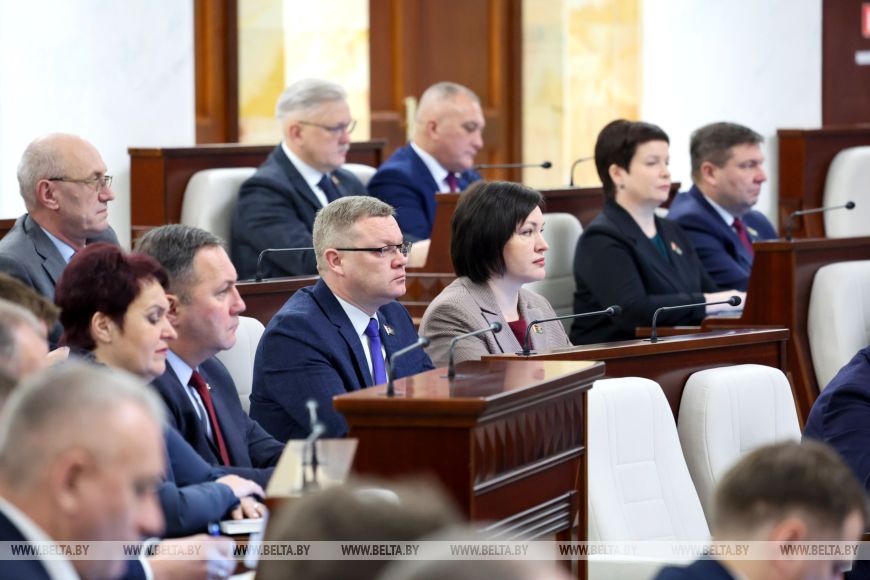
Speaking about the amendments, the deputy explained that a single dedicated body is being formed to oversee tourism development. On 1 January 2026, authority for the state regulation of tourism was transferred to the National Tourism Agency, and the draft law codifies this governance model. The agency will coordinate the efforts of executive and legislative bodies, attract investment, and promote Belarus’ tourism potential in both domestic and international markets.
According to the parliamentarian, the tourism infrastructure will be revamped. The bill establishes a framework for developing key tourism industry facilities, such as accommodations, beaches, excursion sites, and tourist trails.
Furthermore, the concept of a “national tourist route” is being introduced. As the deputy explained, this represents a ready-made, fully serviced tourism product designed to serve as a signature offering and a calling card for Belarus in domestic and international markets.
Olga Stepus also highlighted the digital transformation of the sector. A state information system “Tourism” will be established to increase the industry’s transparency. It will integrate online services, excursion itineraries, and official registries, enabling tourists to access route details and digital navigation tools, thereby making tourism services more accessible.
“I would also note that the National Tourism Agency has been granted the authority to conduct social advertising campaigns. This means social advertising will be used to promote Belarus’ tourism brand in both domestic and international markets,” the deputy added.
In conclusion, Olga Stepus noted that Belarus is already among the top 50 most visited countries in terms of tourist numbers. The goal for the next five-year period is to establish tourism as a genuine economic driver, increasing its share in the national economy and thereby stimulating regional development, small business growth, and progress across the country.