
Screenshot of the video
In November 2025, Belarusian President Aleksandr Lukashenko presented state awards to the best performers of the agro-industrial complex. The Belarusian leader emphasized that working in agriculture on the native land is one of the most valuable and significant occupations, and the whole country takes pride in its farmers. Belarus’ Agriculture and Food Minister Yuri Gorlov thanked the president for supporting agricultural workers and presented the head of state with the karavai [a round loaf of bread] from the 2025 harvest. We met the baker who made this karavai and told her story in a new episode of BelTA’s YouTube project “After the Fact: Special Report”.
The protagonist of our report is Nina Vasilevskaya, a 5th-grade baker at Minsk Bread Factory No. 6. Baking karavais has long been her craft, but she recalls the karavai presented to the president with particular warmth and excitement.
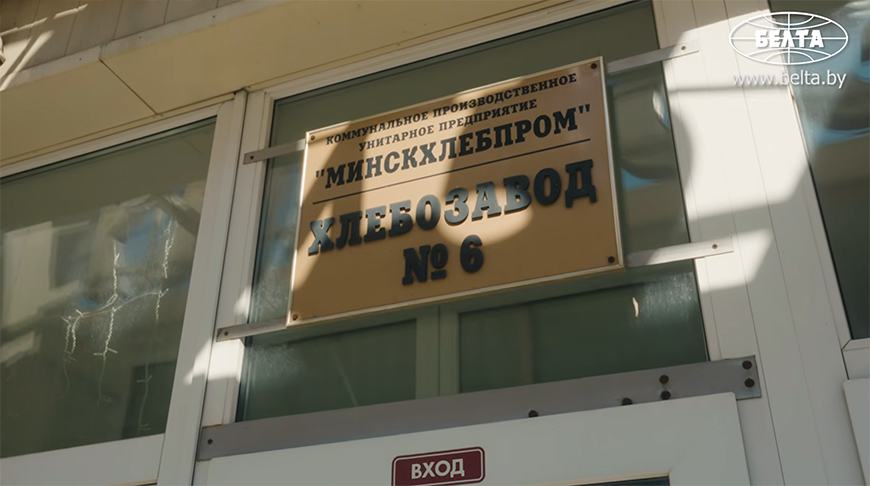
“I have been baking such karavais for many years. Every single time I do it, I feel nervous. I am proud that I was entrusted with this task. I was very nervous, honestly,” she said.
How to bake karavai
Are there any special techniques? Nina Vasilevskaya knows every nuance of the baking craft. She has spent many years working in the bread industry. She has been employed by Minsk bread factories since 1984.
“I worked at [Minsk] Bread Factory No. 3, where I produced gingerbread and cookies. Then I got married and took maternity leave. Later I started to work at college. In college, I learned a bit about how karavai is made. And I really enjoyed it. Naturally, I immediately began trying to make it myself. This was around 1998,” Nina Vasilevskaya recalled.
To bake a karavai, you will need premium-grade flour, water, margarine, eggs, sugar, salt, and flavorings. These ingredients are mixed in a dough-kneading machine. Karavai is baked on special occasions. The best products have always been used to make them.
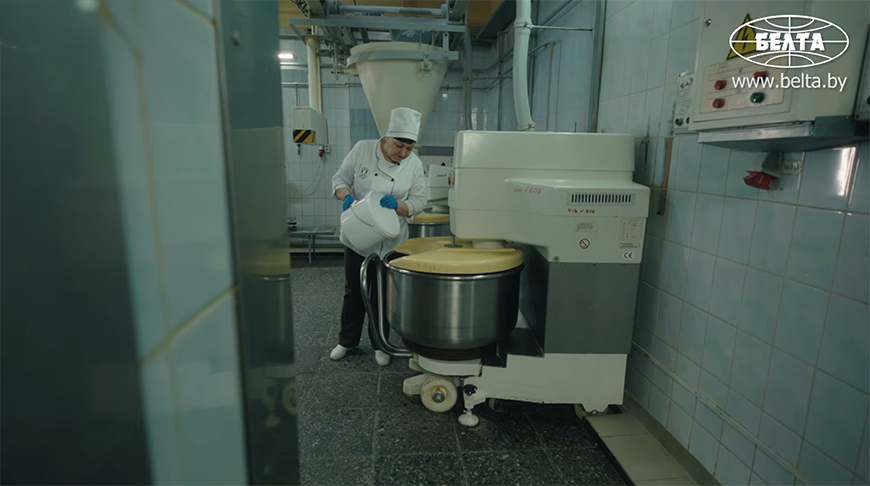
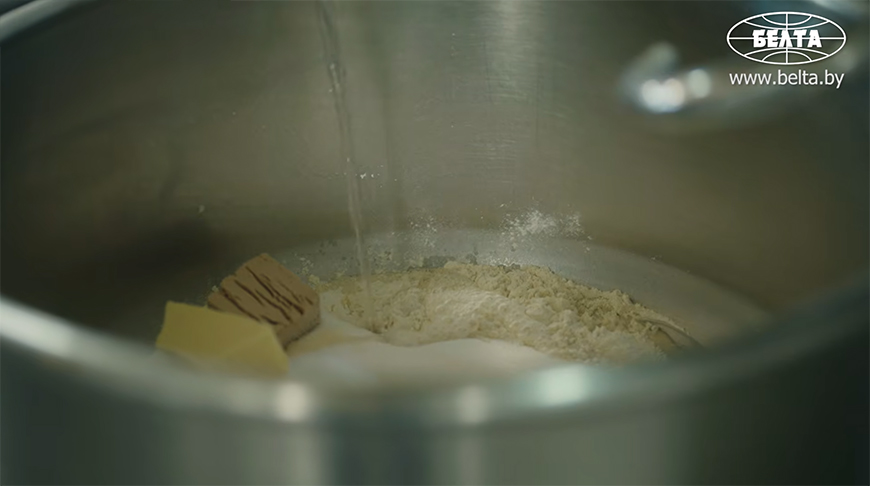
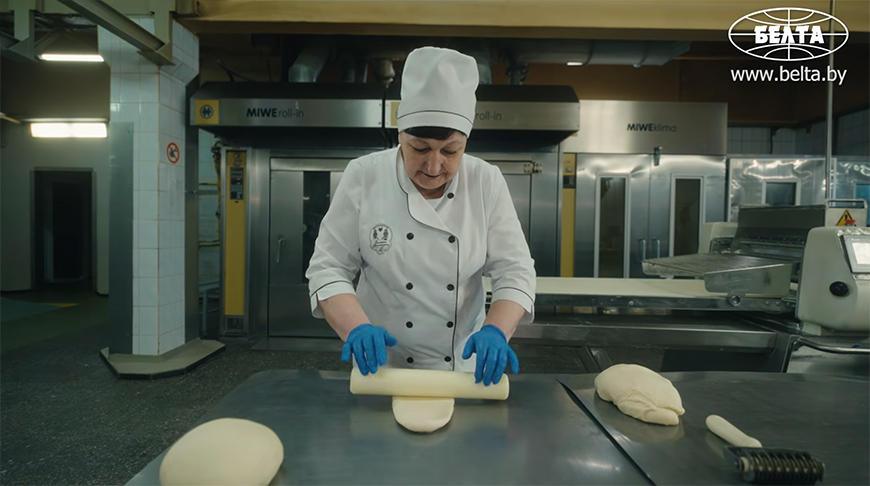
“Kneading the dough takes about 10 minutes, depending on its consistency. It may take a few minutes more or less. After that, the dough is placed in the proofing cabinet. It rises, ferments, and gains acidity. And after that we take it out and shape it,” Nina Vasilevskaya stressed.
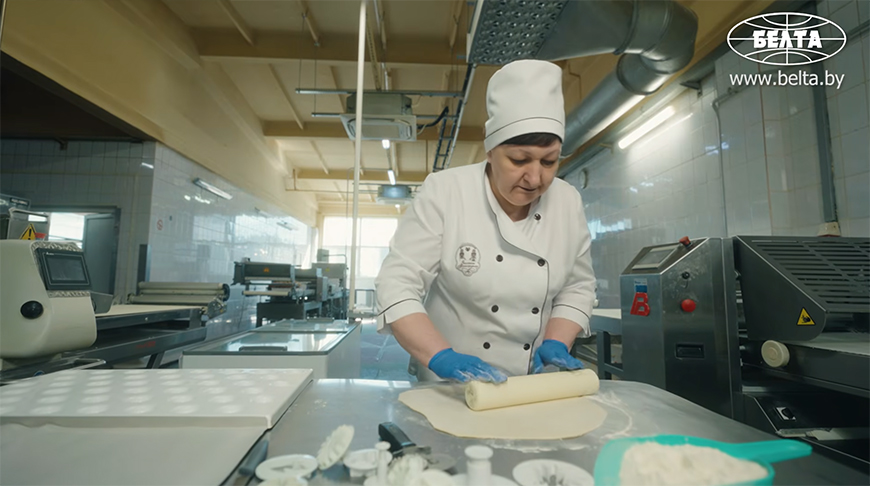
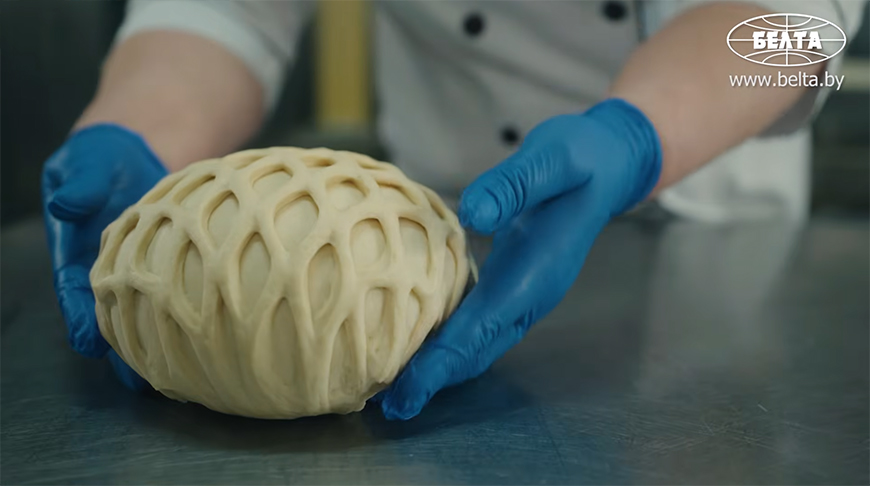
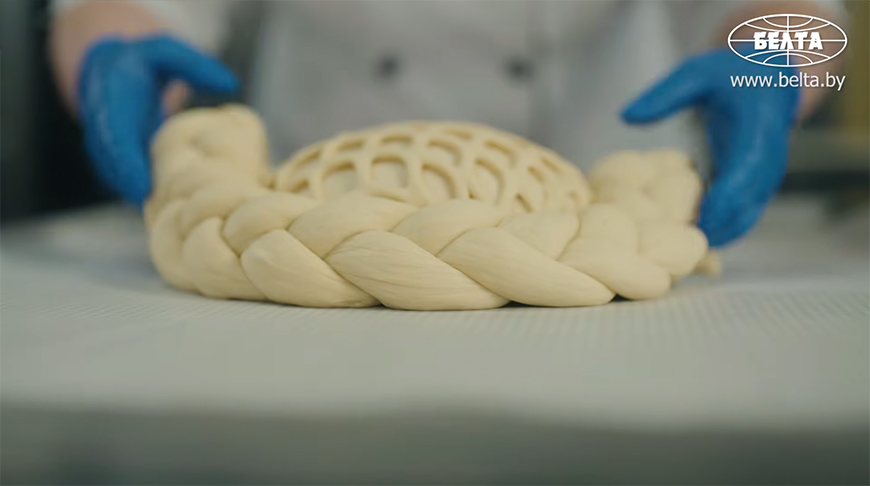
Next, the baker shapes the karavai. The shape depends on the customer’s request, but there are also traditions to follow. For example, the braid. It symbolizes prosperity and an unbreakable bond. Then, the dough piece goes back into the proofer for 30 to 40 minutes.
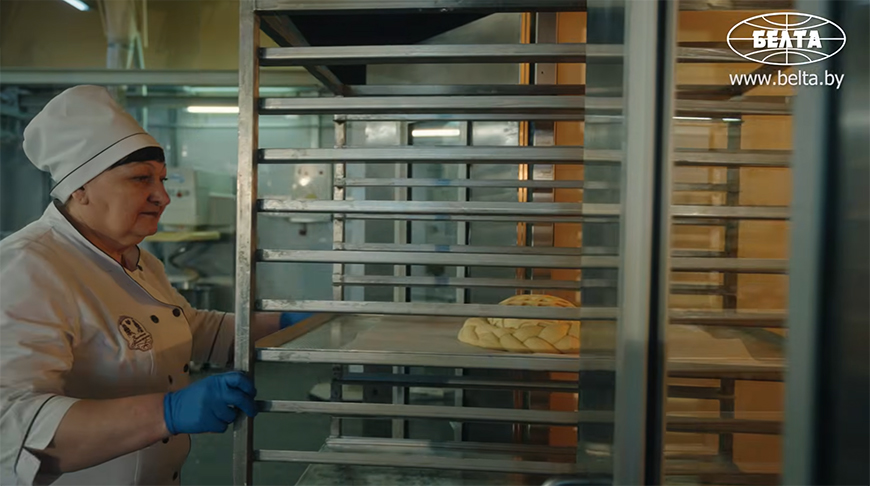
“Then we put it in the oven at 170 degrees for about 40–41 minutes, depending on weight. For example, our karavai weighs 2 kg, the bottom piece and the top pieces are smaller, weighing 200–300 grams. This one will bake for 43 minutes,” Nina Vasilveskaya explained.
How is a karavai decorated?
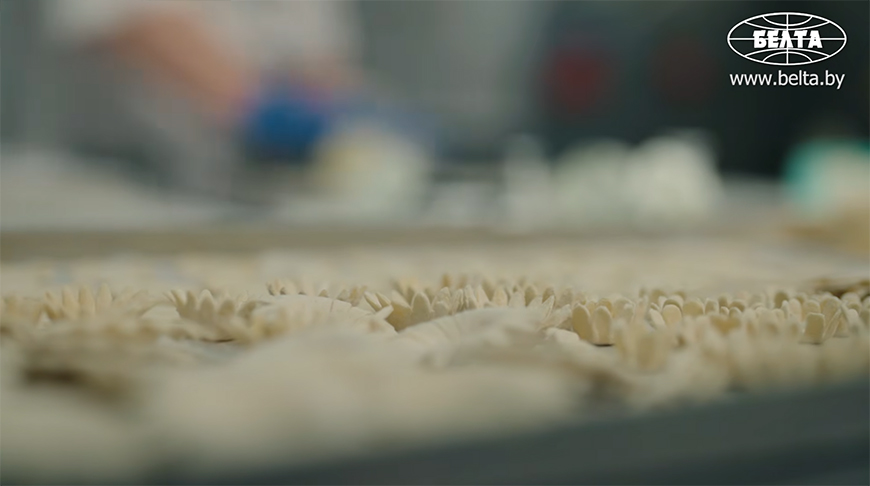
The karavai is decorated with flowers, petals, and ears of grain. The decoration symbolizes wishes for fertility, wealth, and love. The dough for these elements must be slightly stiffer than that for the loaf itself. Nina Vasilevskaya mixes the flour by hand. Later, they are sprayed with a sweet syrup to ensure the decorations hold their shape.
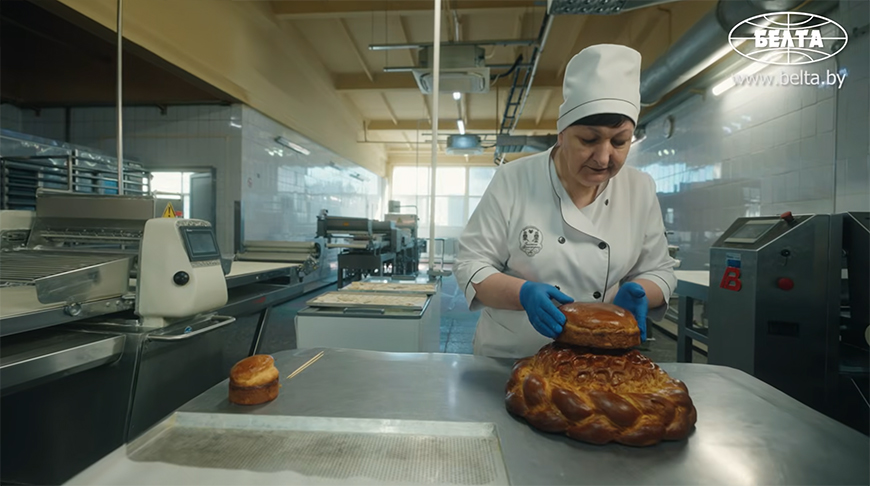
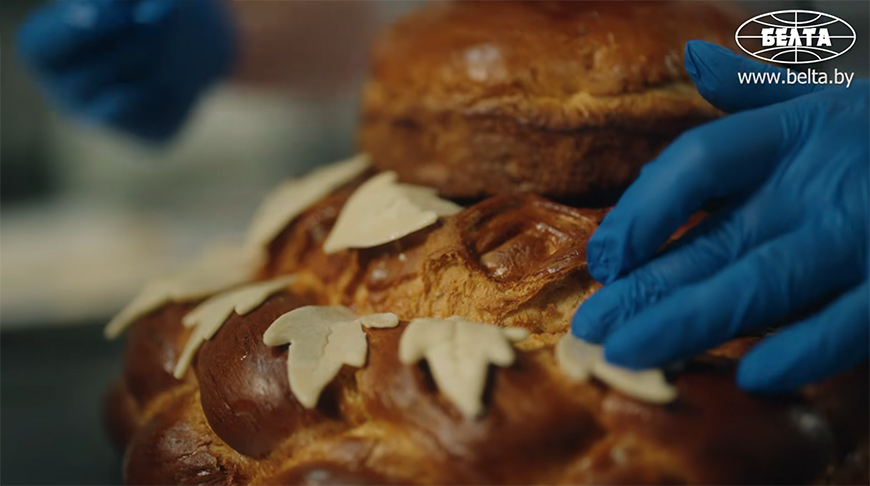
“With my experience, I already know exactly how many leaves, flowers, and other decorations each one needs. Of course, the flowers are prepared in advance: today for tomorrow, so they can set, keep their volume, and hold their shape. And that’s why the flowers turn out so voluminous, like natural: they dry overnight, and by the next day, they are ready for me to place on the bread,” the baker shared the secret.
What does karavai symbolize?
Even though we tried to recreate last year’s karavai that was presented to the head of state. But you have to remember that each karavai is a one-of-a-kind creation. No two are ever exactly the same.
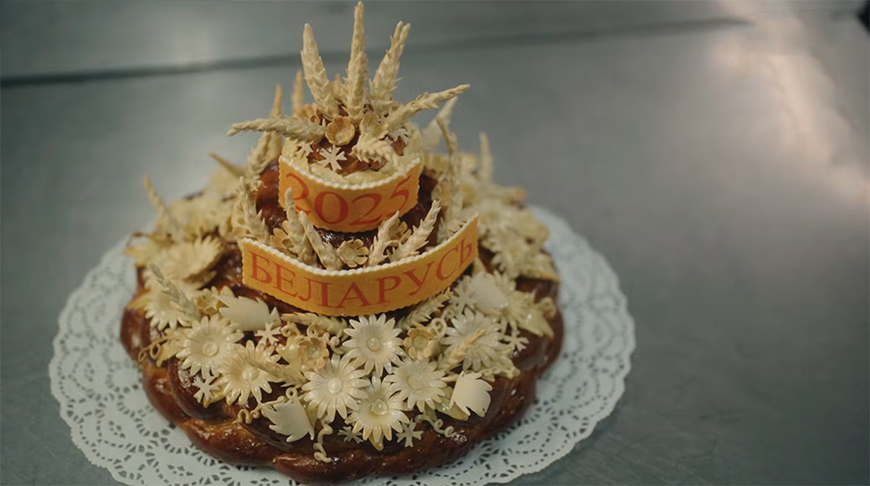
“Even if you wanted to, you couldn’t make an exact copy, because every karavai behaves differently. These are custom orders for weddings, harvest festivals like Dazhynki, or anniversaries. Naturally, they are all unique, even wedding ones. They are handmade, after all. Where you place a leaf or a flower is exactly where it stays: every single element is a one-off,: Nina Vasilevskaya emphasized.
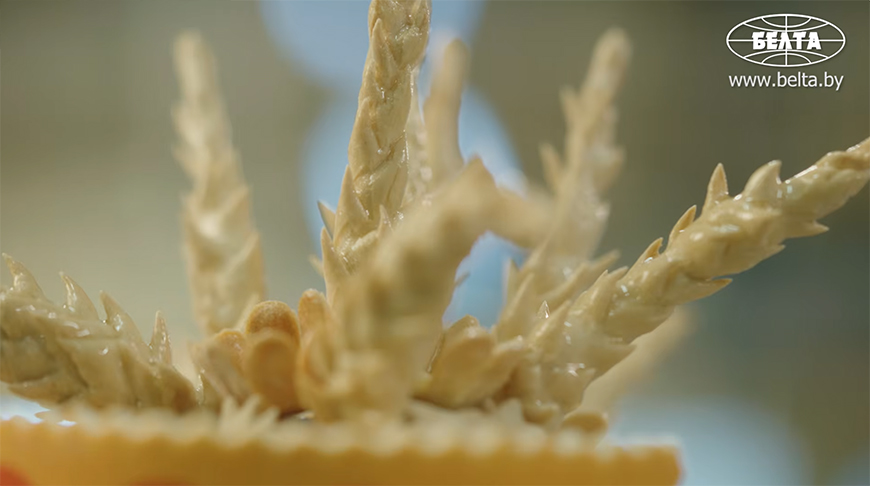
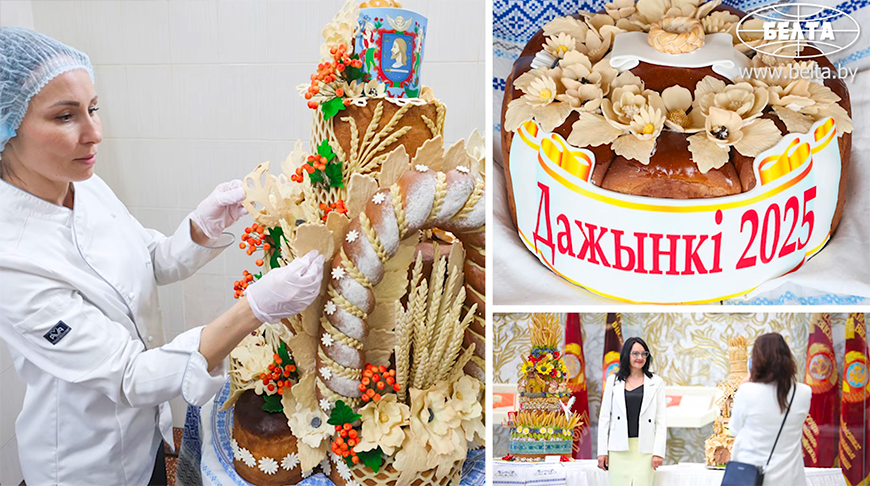
In Belarus, karavai is more than just bread. It is a symbol of harvest, hard work, and peace. A noble tradition has already taken root: to mark the end of the reaping season and a bountiful harvest, the regions bake exclusive loaves and present them to the Palace of Independence where they can be admired by both Belarusians and foreign guests. And these are true masterpieces of baking art.
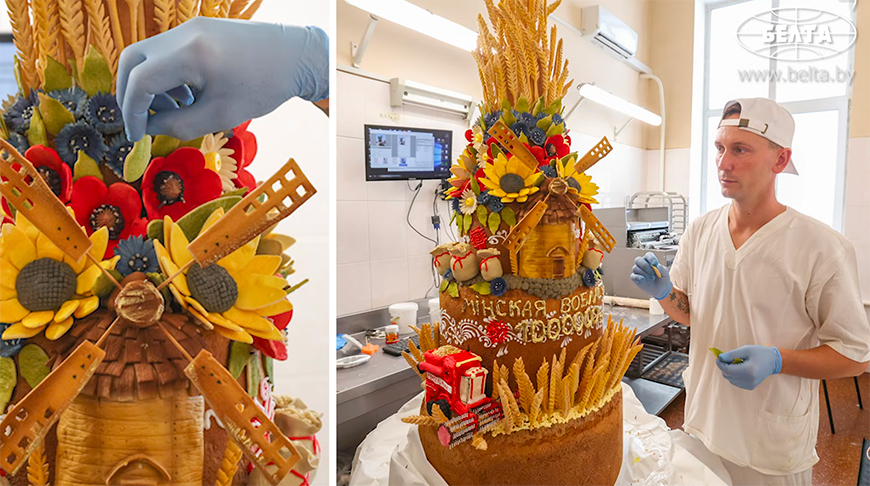
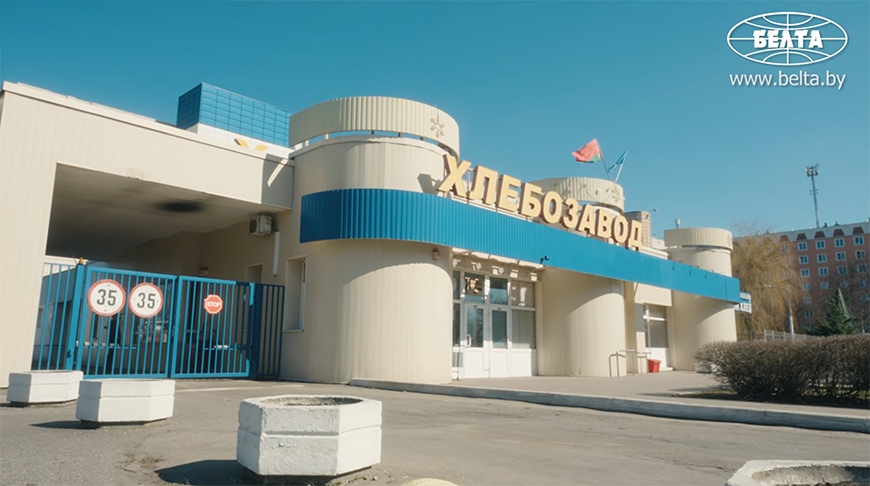
Screenshots of BelTA's video