
MOSCOW, 1 April (BelTA) – A meeting of the Council of Heads of Authorized Transport Bodies of the Eurasian Economic Union member states took place on the sidelines of the International Transport and Logistics Forum in St. Petersburg on 1 April, the press service of the Eurasian Economic Commission (EEC) told BelTA.
At the meeting, Arzybek Kozhoshev, EEC Minister in charge of Energy and Infrastructure, outlined the priorities to be included in the roadmap for implementing the main directions of transport policy for 2027-2029.
The comprehensive plan for developing Eurasian transport corridors was reviewed, including the approval of target indicators for the development of EAEU countries’ transport corridors. The passports of the Eurasian transport corridors and the minimum requirements for routes were also approved.
The transport ministers discussed work on forming a pool of infrastructure projects in the transport sector of EAEU member states that could be implemented jointly with third countries. In the context of the digital agenda, they examined issues of transport digitalization and information support for vehicle control at the EAEU’s external border.
The council members determined optimal lists of data required for applications for special permits for the movement of machinery and cargo, including for heavy and/or oversized vehicles, for the transport of dangerous goods during international road transport along Eurasian transport corridors, as well as for the movement of heavy trucks along international routes included in the list of Eurasian corridors and routes.
The heads of the relevant agencies approved the report Improving Information Exchange on the Load of Railway Infrastructure in EAEU Member States. Its conclusions and recommendations will be used in implementing the Declaration on Eurasian Integration until 2030 and for the period up to 2045.
“As part of developing international transport cooperation, Arzybek Kozhoshev informed the council about organizational aspects of the work of the subcommittee on cooperation in transport and transit, established under the free trade agreement between the EAEU and the Islamic Republic of Iran, and outlined the key areas of interaction between transport agencies,” the press service added.
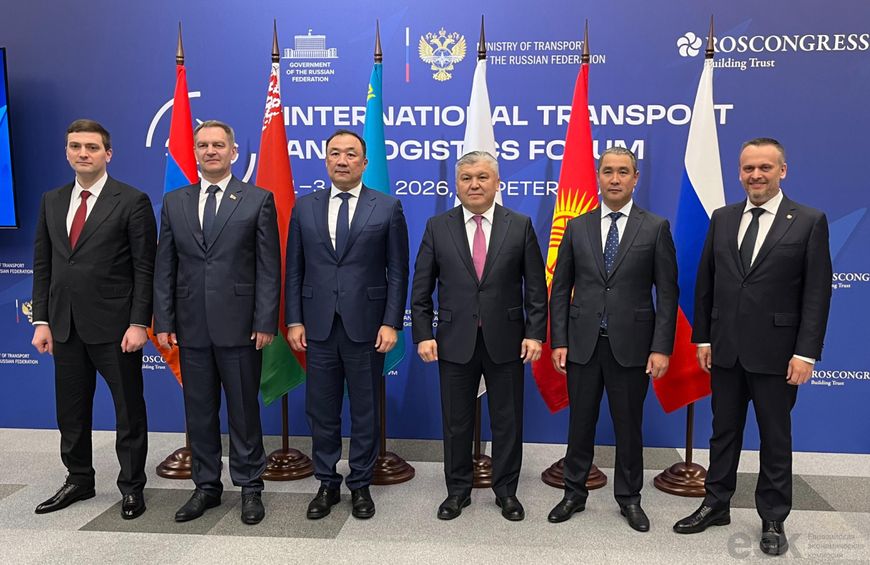
EEC photo