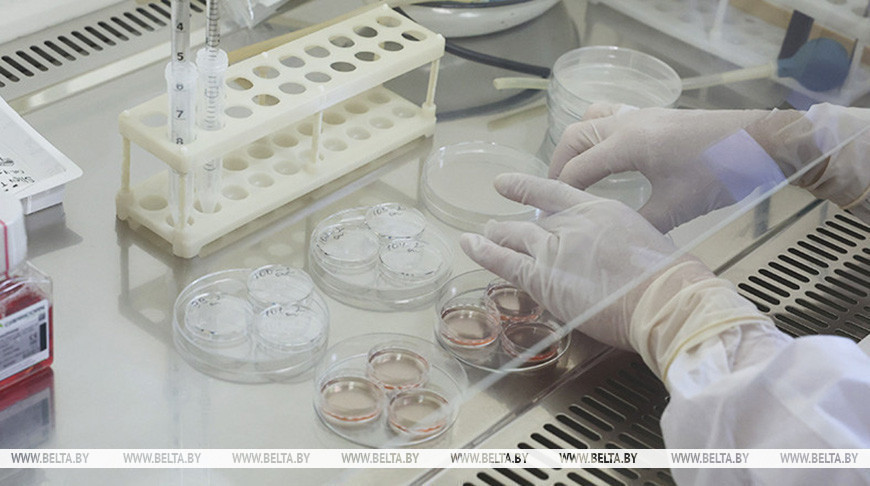
MINSK, 20 March (BelTA) – Belarus plans to significantly simplify access to in vitro fertilization (IVF). Innovations in reproductive technologies will be reflected in the president’s draft decree, Belarusian President Aleksandr Lukashenko told journalists on 20 March, BelTA has learned.
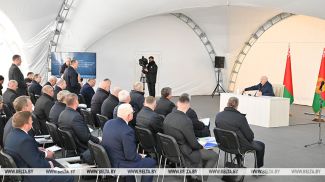
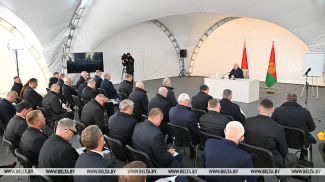
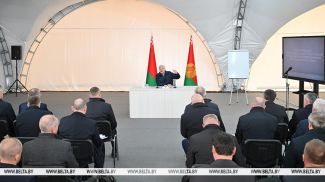
Before speaking to journalists, the head of state heard a report on the draft decree “On In Vitro Fertilization”.
The president explained that the document was prepared on his instruction. The reason was an appeal from a woman who described the existing difficulties and restrictions surrounding IVF in Belarus, including in comparison with other countries. Her story prompted the president to take further action to regulate this area. He wanted to ensure that women’s wishes and needs were taken into account, and unnecessary restrictions were removed.
“I thought it through carefully and instructed the government, the healthcare minister, and Petkevich [Deputy Prime Minister Natalya Petkevich]: ‘Take this on. The idea is simple: the woman is the priority. Whatever she says, that is how it should be. If there are any problems, they must be solved in a way that they want,’” Aleksandr Lukashenko said. “Whatever a woman wants, that’s what must be done. Liberalize everything for the woman. That is the main concept, and we will proceed from it.”
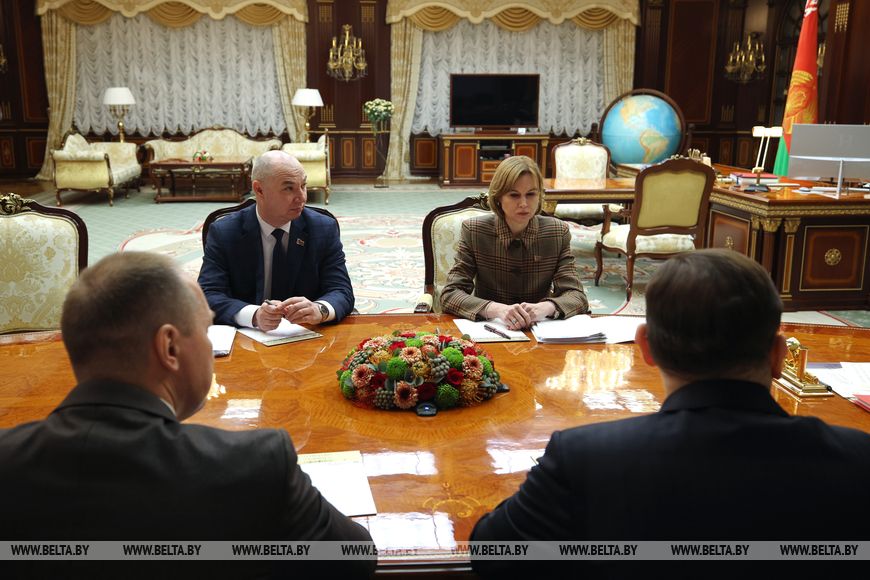
For example, regarding IVF paid for with personal funds, the president supports removing as many restrictions as possible: “Nothing should be prohibited.”
For state-funded IVF, several additional opportunities are planned. In particular, allowing two free IVF attempts not only for married women but also for single women. The age limit for the second attempt would be raised to 49. Aleksandr Lukashenko’s main requirement is to focus primarily on women’s wishes and, of course, medical indications.
As before, three private and three state centers will be allowed to provide reproductive technologies and IVF services. In the state centers, as the president emphasized, the level of medical care is very high and only there women can receive free IVF.
“Some time ago, I demanded that we reach the global level in these technologies. Today, the Mother and Child National Research Center and two other state-run centers are above the global level. Women are happy to attend these centers,” Aleksandr Lukashenko noted.
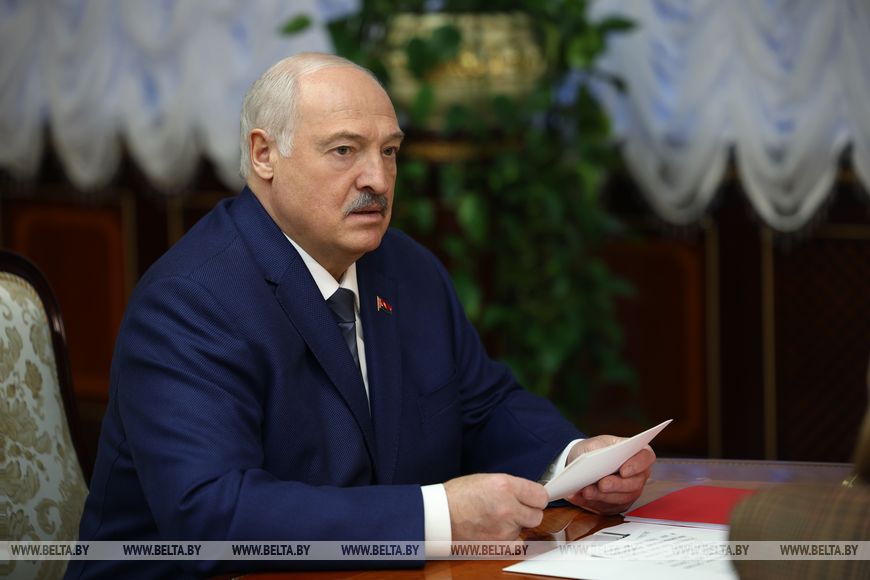
The head of state emphasized that the innovations will not require additional budget spending; they will be financed from the president’s funds. The estimated amount needed is Br6 million. “I am a women’s president, and it is the Year of Women [in Belarus]… We will find Br6 million and give it,” he said. “We will not take this money from the budget.”
Following the discussion, the president instructed the responsible officials to refine the draft decree together with the Belarusian Women’s Union, so that opinions on the issue would come not only from medical professionals. “Give the draft decree to the Women’s Union. This president’s ‘party’ will make sure that women look at it, discuss it among themselves, and then put it on my desk,” Aleksandr Lukashenko said, expressing readiness to revise the document in the future if necessary. “You can’t foresee everything. If any issues arise, we will always find a way to support a woman if something goes wrong,” he added.
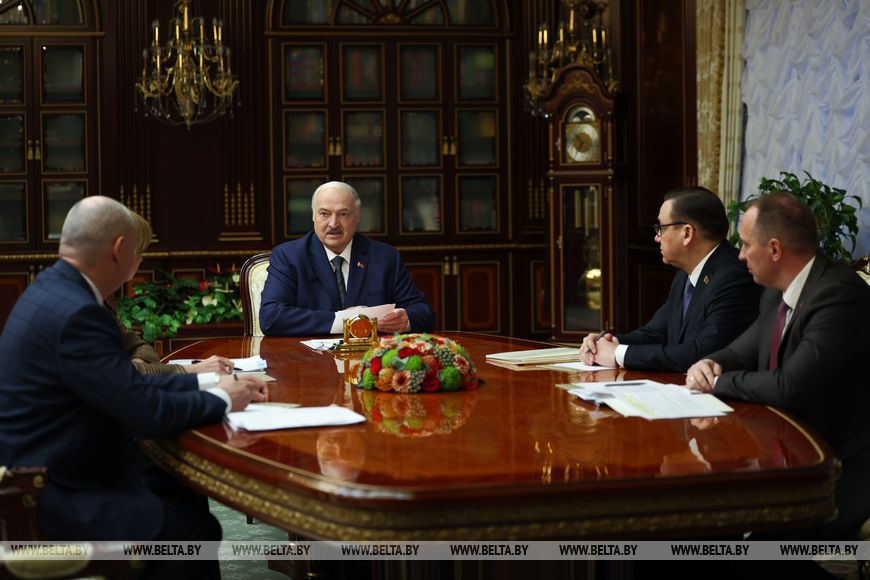
The president stressed that expanding access to IVF is not connected to the state’s efforts to solve demographic problems. Over four years, 2,528 children have been born in Belarus thanks to these reproductive technologies, and this is, of course, not enough to significantly increase the national birth rate. “It will not solve the demographic problem. It is a gift to a woman who has gained the right to become a mother,” Aleksandr Lukashenko emphasized.
According to him, the state has introduced many other measures to support mothers and families with children and to encourage childbirth, including a long three-year parental leave, various benefits, and maternity capital. “We support children everywhere we can. It is already a whole list [of measures]. We could do even more, but that is someone’s money [we would have to take it from one area and redirect it to another]. I am afraid that parents might step away from raising their children: they give birth and say, ‘Lukashenko, you take care of him.’ I say: the third one is mine,” the president remarked with a touch of humor.