
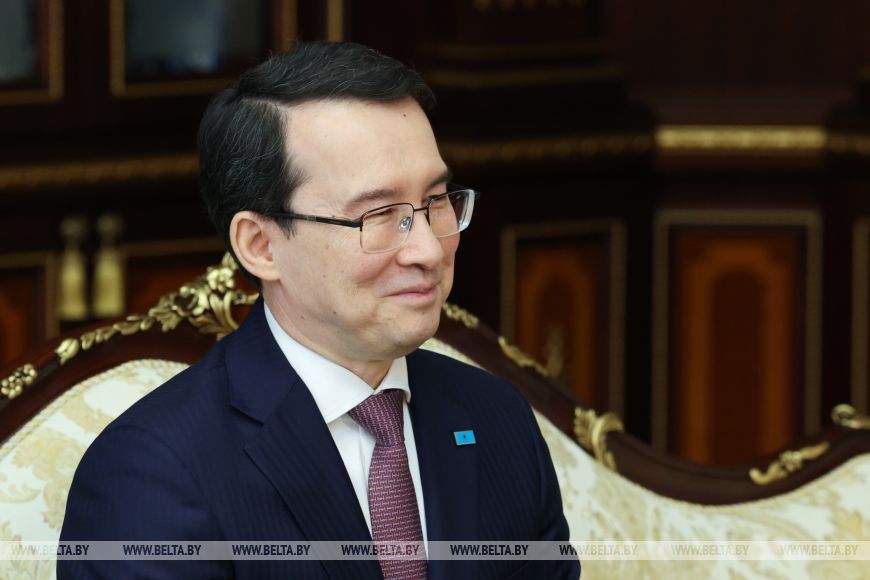
MINSK, 17 March (BelTA) – Belarusian President Aleksandr Lukashenko highly assessed the results of the referendum in Kazakhstan which adopted the country's new Constitution as he met with Ambassador Extraordinary and Plenipotentiary of Kazakhstan to Belarus Timur Zhaksylykov in Minsk on 17 March, BelTA has learned.
The head of state said that he had closely followed the situation in Kazakhstan during the preparation and conduct of the referendum.
“I could not miss the opportunity to meet with you following the main political event in Kazakhstan. Especially since now our Constitution Days will fall on the same date -15 March,” Aleksandr Lukashenko said at the beginning of the meeting.
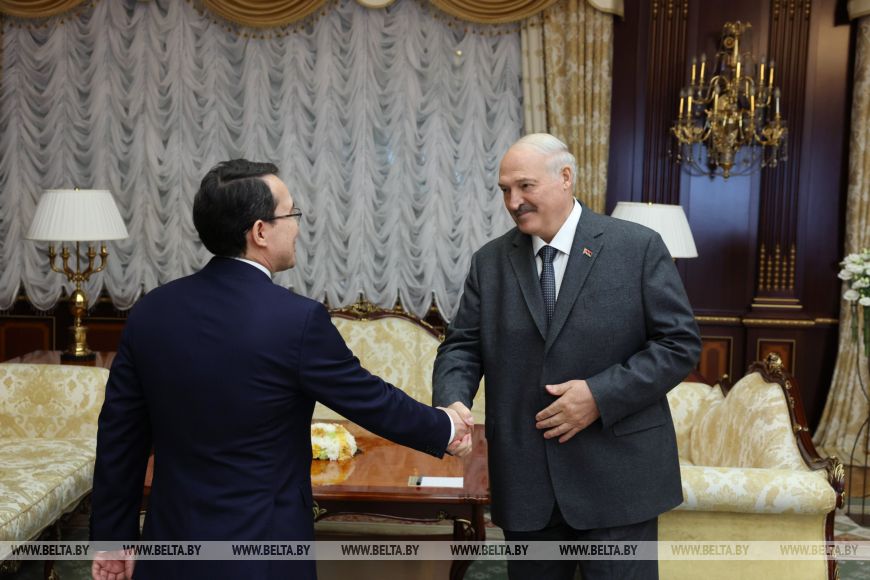
The president particularly noted the unequivocal popular support for the new Constitution and Kazakhstan President Kassym-Jomart Tokayev. “Regardless of how you look at it, this represents support for the president. He took a risk during this turbulent period by bringing crucial questions for Kazakhstan to a referendum, and the people backed him judging by the turnout and particularly the vote (more than 87%). A remarkable outcome,” Aleksandr Lukashenko stressed.
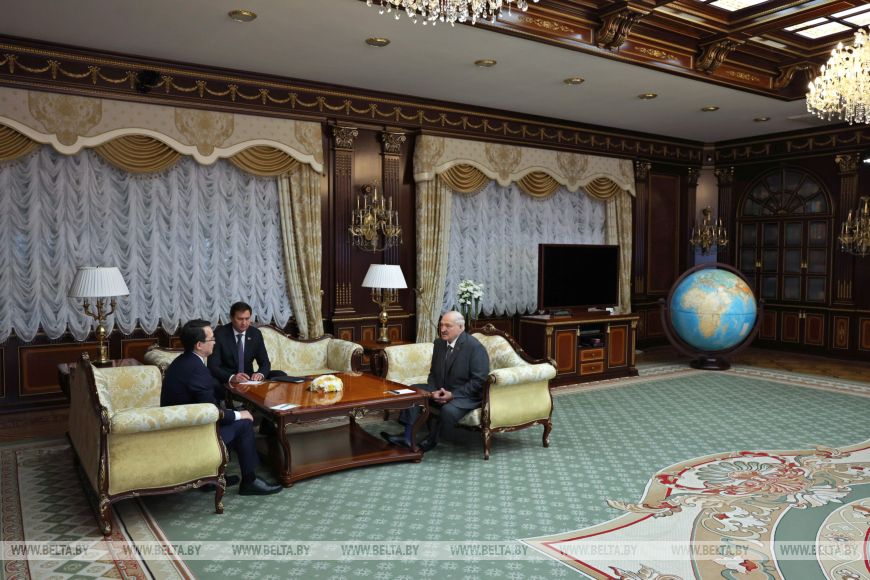
“I would like to congratulate you. Please convey to Kassym-Jomart Tokayev my warmest wishes and congratulations on the result. He did well. And to congratulate the Kazakh people, the citizens of Kazakhstan, on this success,” the Belarusian leader added.
The Belarusian leader expressed confidence that Kazakhstan will continue its steady progress following the adoption of the new Constitution and will gain substantial positive advantages from it.
According to Kazakhstan media, the updated Constitution establishes a new architecture of power in the country. The document is focused on human and civil rights, institutions that should strengthen the sustainability of the state and improve the quality of life in society.
One of the key innovations is the formation of a unicameral parliament, the Kurultai, consisting of 145 members and the introduction of the position of vice president, who will act on the instructions of the head of state.
Another innovation is the new People's Council of Kazakhstan, a supreme advisory body representing the interests of the people. It will be vested with the right to develop recommendations on domestic policy and strengthening public harmony, to introduce draft laws into the Kurultai, and to initiate a referendum.
For the first time in this country, the right to protection of personal data in the digital environment is enshrined at the constitutional level. The Constitution also, for the first time, directly defines marriage as a voluntary and equal union between a man and a woman, registered by the state.
The head of state said that he had closely followed the situation in Kazakhstan during the preparation and conduct of the referendum.
“I could not miss the opportunity to meet with you following the main political event in Kazakhstan. Especially since now our Constitution Days will fall on the same date -15 March,” Aleksandr Lukashenko said at the beginning of the meeting.
The president particularly noted the unequivocal popular support for the new Constitution and Kazakhstan President Kassym-Jomart Tokayev. “Regardless of how you look at it, this represents support for the president. He took a risk during this turbulent period by bringing crucial questions for Kazakhstan to a referendum, and the people backed him judging by the turnout and particularly the vote (more than 87%). A remarkable outcome,” Aleksandr Lukashenko stressed.
“I would like to congratulate you. Please convey to Kassym-Jomart Tokayev my warmest wishes and congratulations on the result. He did well. And to congratulate the Kazakh people, the citizens of Kazakhstan, on this success,” the Belarusian leader added.
The Belarusian leader expressed confidence that Kazakhstan will continue its steady progress following the adoption of the new Constitution and will gain substantial positive advantages from it.
The new Constitution was adopted in Kazakhstan based on the results of the national referendum on 15 March. More than 87% of people voted in favor of the Fundamental Law.
According to Kazakhstan media, the updated Constitution establishes a new architecture of power in the country. The document is focused on human and civil rights, institutions that should strengthen the sustainability of the state and improve the quality of life in society.
One of the key innovations is the formation of a unicameral parliament, the Kurultai, consisting of 145 members and the introduction of the position of vice president, who will act on the instructions of the head of state.
Another innovation is the new People's Council of Kazakhstan, a supreme advisory body representing the interests of the people. It will be vested with the right to develop recommendations on domestic policy and strengthening public harmony, to introduce draft laws into the Kurultai, and to initiate a referendum.
For the first time in this country, the right to protection of personal data in the digital environment is enshrined at the constitutional level. The Constitution also, for the first time, directly defines marriage as a voluntary and equal union between a man and a woman, registered by the state.