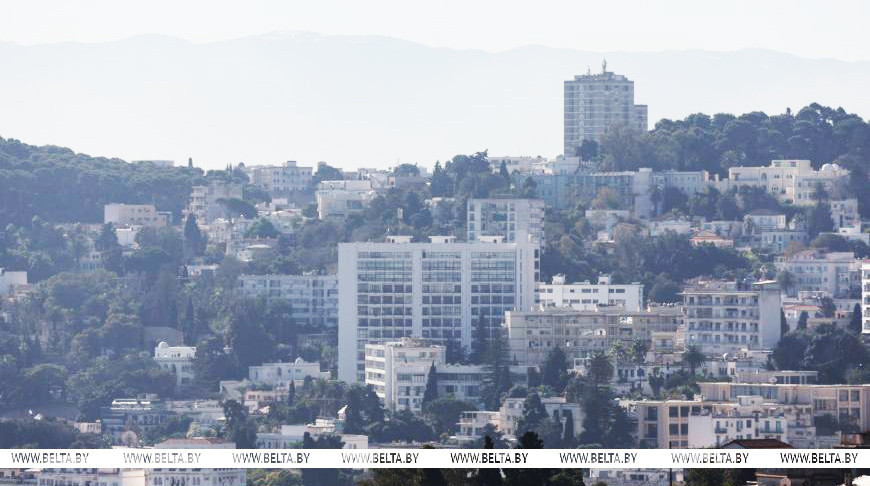
An archive photo
At the beginning of the year, Aleksandr Lukashenko received a message from his Algerian counterpart, Abdelmadjid Tebboune. In it, the Algerian president extended an invitation for a visit, expressing his satisfaction with the friendly nature of bilateral relations and hope for their further strengthening. Subsequently, in October, on the occasion of the 30th anniversary of diplomatic relations, Aleksandr Lukashenko sent a reciprocal letter to President Tebboune outlining prospective avenues for interstate cooperation. Now, concluding the year, an official Belarusian delegation is being welcomed in Algiers. This prompts several questions: Why have Belarusian-Algerian relations gained this new momentum? What is the strategic interest in North Africa for Belarus? And what drives Algeria’s pursuit of partners beyond the West? Let’s examine these points.
Why is Belarus actively developing relations with Africa?
Belarus’ ambition to expand its presence in Africa is not a recent development. The republic has long maintained the principle of balanced relations with its international partners. The intensified cooperation with African nations observed in recent years represents a direct pursuit of this strategic balance. Moreover, President Aleksandr Lukashenko has expressed a firm conviction that Africa represents the future. Consequently, he asserts that Belarus must more proactively seek partnerships within this vital market and consolidate its foothold there with urgency.
“For Belarus, Africa today is what China was 30 years ago: a market of the future where we must engage proactively and establish our own niches. It is there that the reserves for export diversification lie, particularly for the key sectors of our economy such as agriculture, mechanical engineering, fertilizer production, and others,” the Belarusian leader stated recently.
These efforts have already yielded substantial results. Last year alone, Belarusian exports to Africa surpassed half a billion dollars. Flagship programs for agricultural mechanization, successfully implemented with Zimbabwe and Nigeria, have become a distinctive hallmark of Belarusian cooperation on the continent. This successful model is generating significant interest among other African nations, from Guinea-Bissau to Mozambique.
Simultaneously, Belarus is deepening ties with its traditional partners on the continent, including Egypt, Kenya, South Africa, and Ethiopia. Now, cooperation with Algeria has also gained significant new momentum.
“We are true to our principle – we come to Africa as friends to help and share knowledge where there is a need,” Aleksandr Lukashenko said emphasizing Belarus’ priorities.
Even during the Soviet era, Belarusian military and civilian specialists were providing assistance to the peoples of Algeria, Angola, Mozambique, and other African nations. Today, Belarus remains true to this principle: offering genuine support to its African partners, a commitment demonstrated not merely in words, but in actions and results.
What do we know about Algeria?
A brief overview: Algeria, with a population exceeding 45 million, is the second-largest country in Africa. Its rich historical heritage stretches back to the Phoenician and Roman eras, and it stands as a stronghold of the continent’s indigenous Berber people. Geographically, it is bordered by the Mediterranean Sea to the north, Tunisia and Libya to the east, Mali and Niger to the south, and Mauritania, Western Sahara, and Morocco to the west. Approximately 80% of its vast territory is covered by the Sahara Desert.
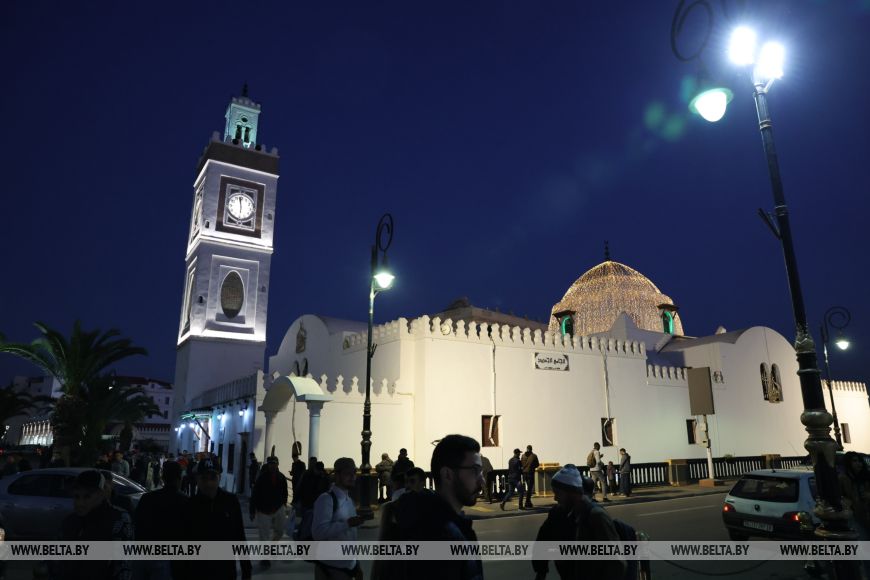
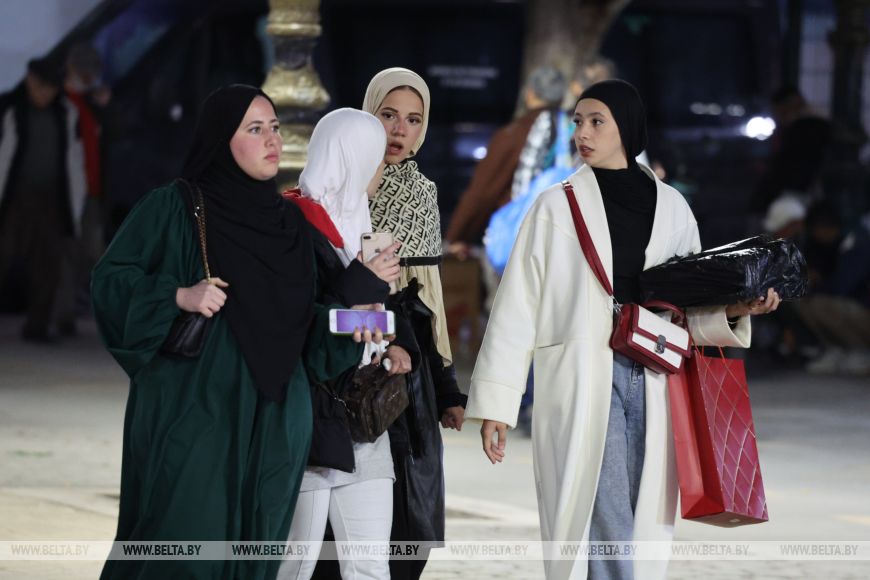
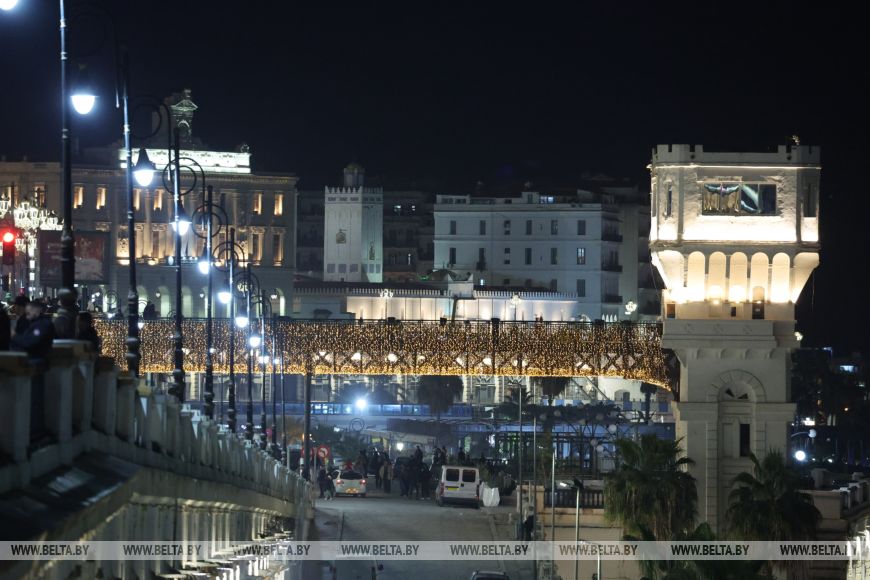 Following a prolonged period as a French colony, Algeria won its independence in 1962 after a devastating eight-year war. The nation later endured a civil war in the 1990s, known as the Black Decade. Today, it has emerged as one of Africa’s leading economies, where oil and natural gas constitute nearly all of its exports. Its primary economic partners are within the European Union, with Italy, Spain, and France being key recipients; Algeria serves as a major supplier of natural gas to Europe.
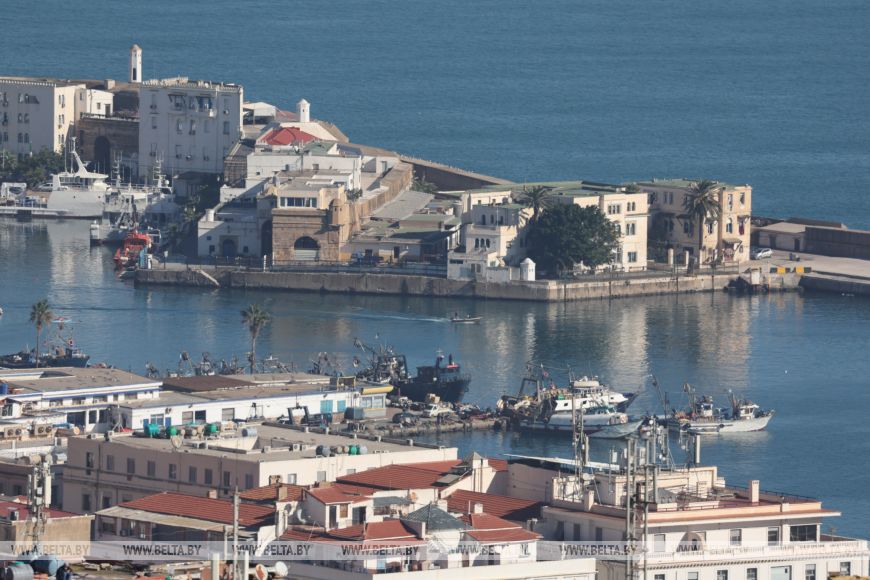
Algiers, the nation’s capital, extends approximately 16 kilometers along the Mediterranean coastline. The city is built in an amphitheater style on the slopes of Mount Djurdjura, where streets ascend one above another like great steps. This distinctive topography has earned Algeria the moniker of a “city of staircases”, as streets throughout the capital frequently transition into stairways.
Why have relations between Belarus and Algeria intensified?
Belarus and Algeria established diplomatic relations three decades ago, in October 1995. While the bilateral trade dynamics left much to be desired just a few years ago, promising new momentum has recently emerged. Prior to 2020, trade between the two countries barely surpassed the $10 million mark, and following the pandemic, it effectively came to a standstill. However, in 2024, trade turnover surged to approximately $50 million, which represents a sixteenfold increase compared to 2023. Despite this significant growth, this figure remains notably low for a country of Algeria’s size and for the open Belarusian market. The current volume consists primarily of Belarusian exports to Algeria.
Cooperation with Algeria aligns directly with Belarus’ broader strategic approach to Africa. As part of its effort to establish a foothold in key continental markets, Algeria represents a crucial northern link in this expanding chain. The country also holds significant economic potential for Belarusian producers, serving as a strategic hub for forging promising business connections with companies across the Mediterranean, Arab, and wider African markets.
Algeria, for its part, is actively seeking to diversify its trade partnerships beyond traditional Western markets. This shift is driven by global challenges and a strategic focus on strengthening national food security. Within this context, Algeria views Belarus as a reliable partner and supplier of essential goods, particularly agricultural machinery and food products. The intensified high-level dialogue and recent agreements between the two nations clearly indicate that both Belarus and Algeria recognize the potential for a long-term partnership that extends well beyond conventional trade into broader cooperation.
In a message to his Algerian counterpart, Aleksandr Lukashenko observed that the era of unilateral hegemony and diktat is fading, making way for a multipolar and more equitable world order. Under these circumstances, the head of state stressed the critical importance of strengthening coordination between nations that are united by a commitment to genuine partnership founded on mutual respect, equality, and the principle of non-interference in internal affairs.
In what areas do Belarus and Algeria cooperate?
It is known that Belarus and Algeria are preparing a roadmap for cooperation in the coming years. In particular, the parties are discussing industrial cooperation, supplies of machinery and food products (including baby food, powdered milk, and halal meat), as well as partnership in agriculture, pharmaceuticals, and information and communication technologies.
Belarus is ready to assist Algeria in a large-scale project to green the desert, as well as in building complexes for drying and storing grain. In addition, back in 2011 MTZ established assembly production of BELARUS tractors in Algeria. By 2015, more than 500 tractor kits had been delivered to the country. The Belarusian enterprise is now interested in resuming the project.
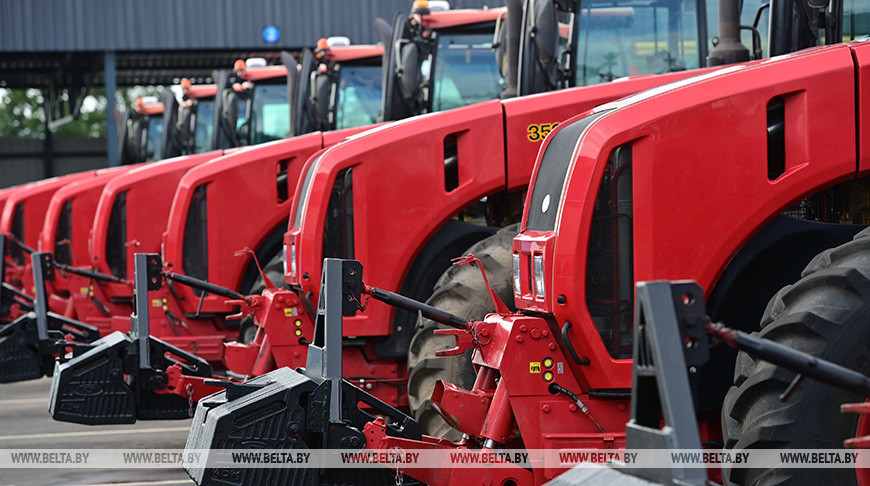
“Algeria is primarily interested in energy-intensive models of Belarusian tractors. Next, I would highlight cargo and passenger vehicles. This involves localizing the production of Belarusian trucks and buses in Algeria. Separately, I would also note agricultural cooperation, the introduction of Belarusian technologies for mechanization and precision agriculture,” said earlier Ambassador Extraordinary and Plenipotentiary of Belarus to Egypt, Oman, Sudan, and Algeria Yevgeny Sobolevsky.
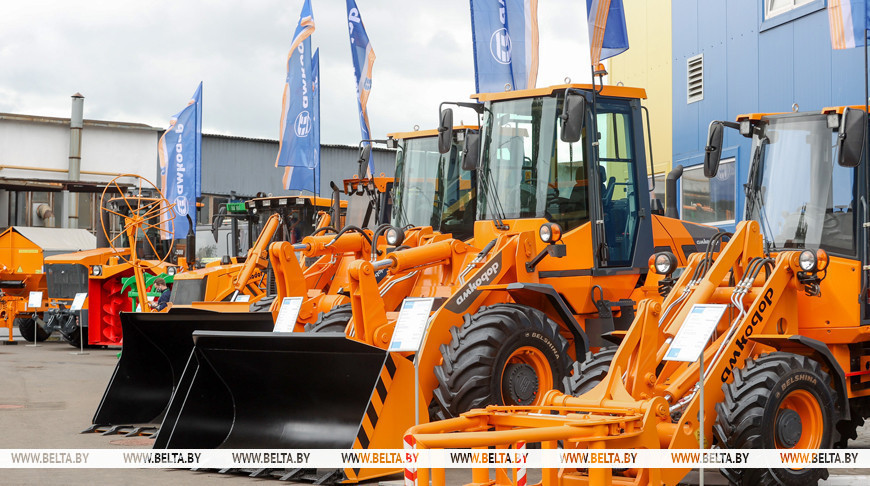
Algeria’s Agriculture Minister Youcef Cherfa stated that his country is ready to strengthen cooperation with Belarus in agriculture, the agro-industrial complex, energy, pharmaceuticals, the manufacturing industry, trade, transport, and innovation.
Ahead of the president’s visit, Algeria hosted a bilateral business forum. Over a hundred representatives of ministries, organizations, and enterprises from both sides took part. The business agenda was preceded by talks between the ministers of trade.
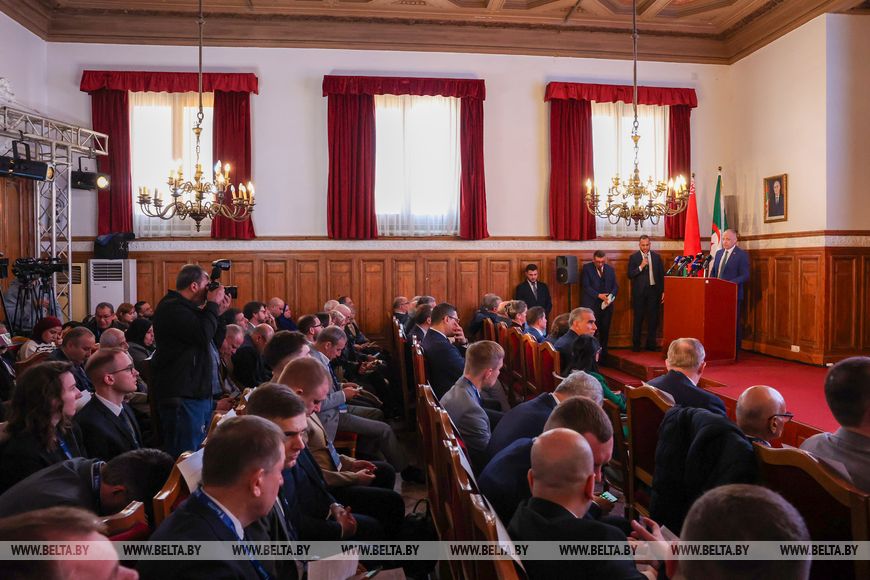
“Our countries, Belarus and Algeria, despite being far apart geographically, are quite similar. These are independent, proud nations with hardworking people, rich histories, and great futures. And it is this common future that we begin to build here and now. I believe our economic relations are still in the early stages of development. Each side is taking cautious, small steps toward the other,” said Belarusian Minister of Antimonopoly Regulation and Trade Artur Karpovich.
Can Belarus and Algeria become close partners?
The highest-level contacts, however lofty it may sound, are always a guiding star in bilateral relations. And here Belarus and Algeria demonstrate warm unity. But will it be possible to complement the trusting political dialogue with serious economic projects?
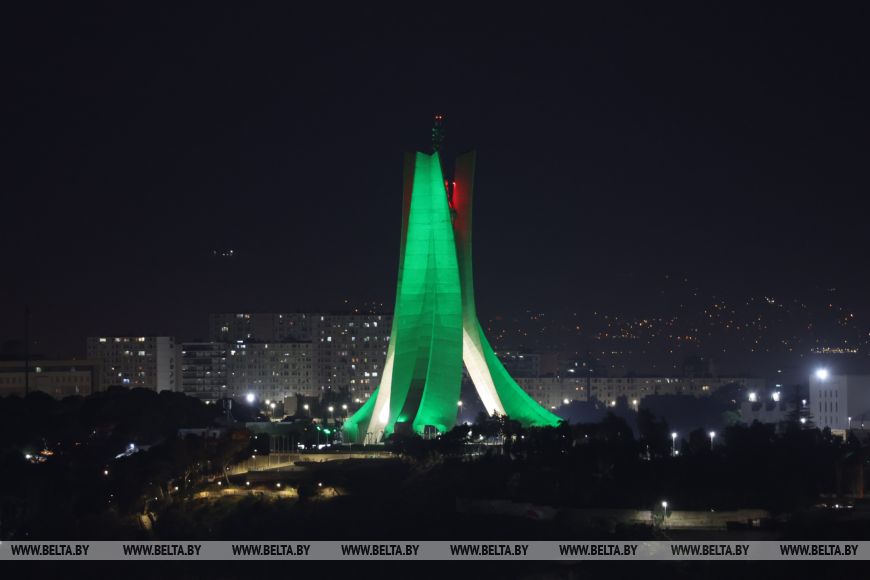
On the one hand, our countries share a common, albeit brief, history. And the influence of Belarus in Africa speaks for itself. Some African leaders ask their colleagues to introduce them to Aleksandr Lukashenko at international forums - that says something.
On the other hand, successful economic cooperation requires true diversification: it is not enough to rely on permanent supplies of machinery and individual goods. Belarusian food products, for example, currently reach Algeria through intermediaries, which naturally affects prices. Mechanisms for direct deliveries must therefore be found. While differing standards may present challenges, they are quite solvable.
The two sides need to develop industrial, technological, and infrastructure cooperation to make relations sustainable. Algeria, declaring plans to develop new lands and expand food production, could actively purchase Belarusian machinery and technologies, while Belarus could strengthen its position as a supplier.
Aleksandr Lukashenko often suggests to new partners that they identify three or four key areas, develop concrete approaches, and implement these projects. Given the number of points of contact between Belarus and Algeria, it is likely that the two countries will take the same approach this time as well. And then the Belarusian side’s approach is well known: everything promised will certainly be delivered.
Photos of Belarus' Foreign Affairs Ministry, from BelTA's archive