

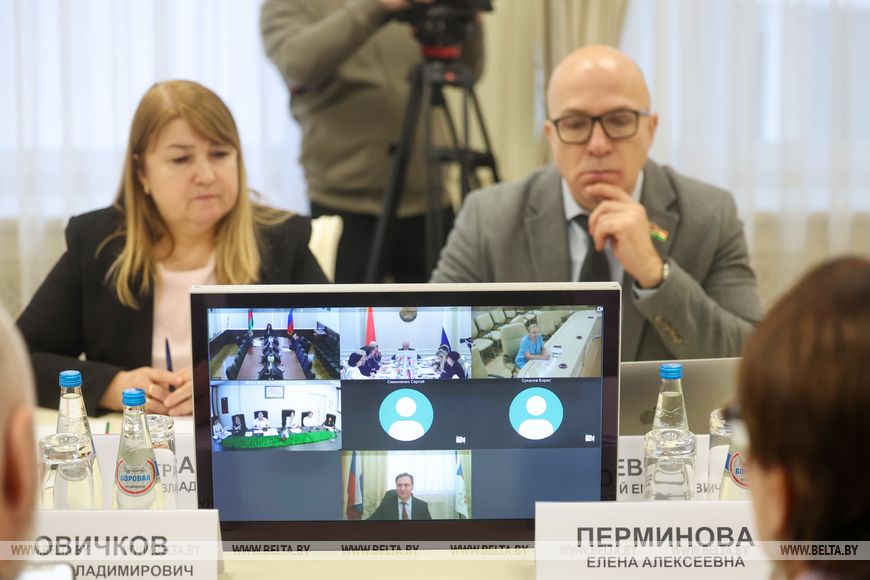
GRODNO, 24 January (BelTA) – The meeting of the Healthcare Commission of the Parliamentary Assembly of the Union State of Belarus and Russia addressed issues of interregional cooperation between the two countries in healthcare, using Grodno Oblast as an example, BelTA has learned.
The MPs learned about the work of two medical institutions in the region: the perinatal center and the university clinic. They also visited the Grodno State Medical University.
“During our visit of the medical institutions and the medical university in Grodno, we saw how fast healthcare advances in Belarus,” Yelena Perminova, Deputy Chairwoman of the Parliamentary Assembly’s Healthcare Commission, Chairwoman of the Committee of the Federation Council of the Federal Assembly of the Russian Federation, said. “We, as parliamentarians, must respond very quickly to the issues that currently exist both in the medical community and, most importantly, among patients. I believe that primary care should be developed first and foremost. In Russia, the second stage of developing primary healthcare is now underway. Significant funds are being allocated to equip polyclinics in rural areas and small towns, but the most important thing is to train qualified personnel, so mentorship is being developed. It was useful to learn how this practice works in Belarus.”
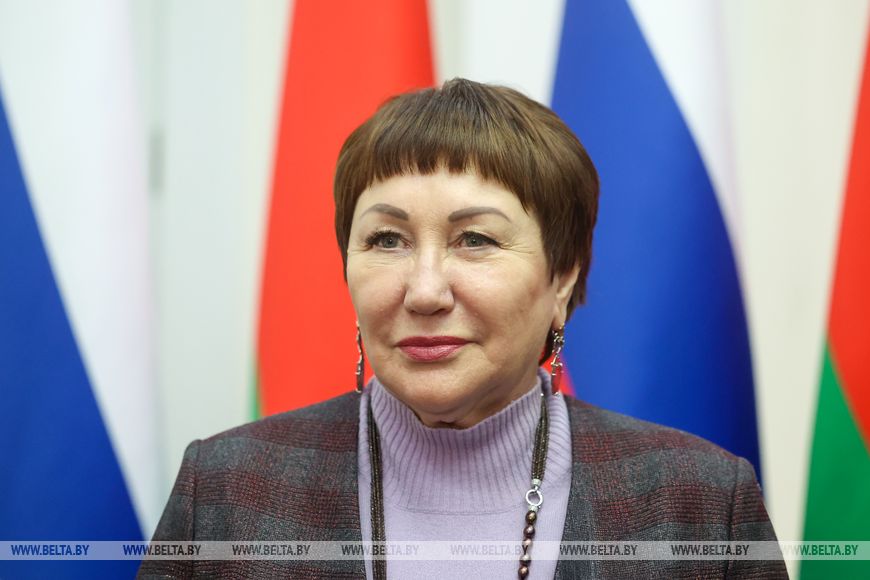
As the Russian MP noted, both Belarus and Russia have good healthcare systems. The commission’s task is to integrate and promote them in both countries. For this purpose, interaction at the regional level is very useful. The exchange of scientific practice and student training methods is also of interest.
“Our cooperation has great prospects in all areas, and in healthcare, it is developing to mutual benefit,” Deputy Chairman of the Grodno Oblast Executive Committee Viktor Pranyuk emphasized. “Our medical institutions are well-equipped, with highly qualified personnel, and provide modern, technologically advanced medical care to people, wherever they live. This fully applies to Russian citizens as well. Everything is being done so that they feel that Russian people are not strangers to us. Good connections have been established between Grodno State Medical University and medical universities in Russia, which also contributes to improving the quality of healthcare personnel training.”
The role and tasks of the parliamentary corps in developing ties for the benefit of people’s health, including in the regions of the two states, were highlighted by Chairwoman of the Grodno Oblast Council of Deputies Yelena Pasyuta.
The effectiveness of the interaction, which is of interest to both sides, was outlined by Belarusian First Deputy Minister of Healthcare Yelena Bogdan. She emphasized the benefits of exchanging experience, ways of healthcare organization and new technologies, and noted the interest in continuing close cooperation in these areas.
Head of the Main Healthcare Directorate of the Grodno Oblast Executive Committee Lyudmila Keda outlined examples of fruitful cooperation. She also spoke about the region’s positive experience in creating conditions for equal access to medical services for all residents, based on inter-district centers that provide high-tech care to people regardless of their place of residence. The figures and facts she cited demonstrated both the successful development of regional healthcare institutions and significant progress in providing primary care to the population.
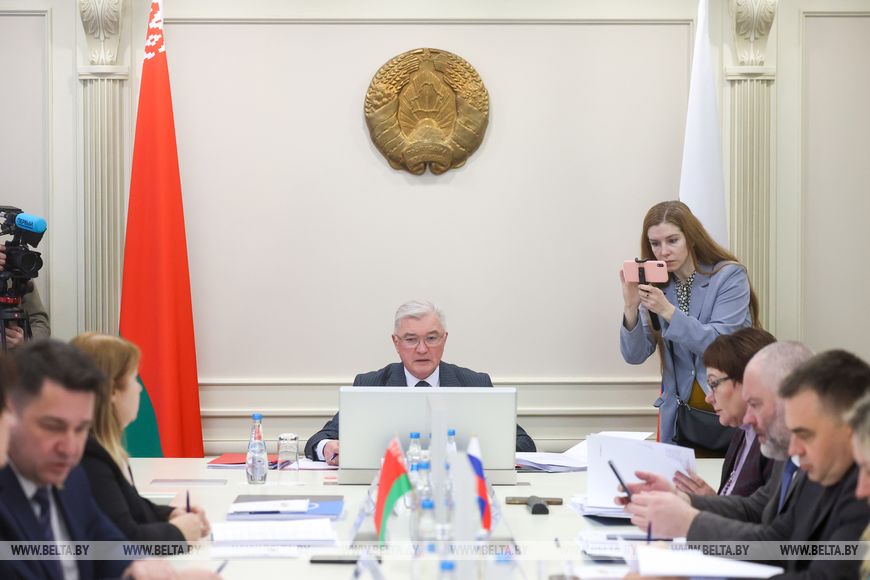
The commission meeting, chaired by its head, Chairman of the Standing Commission of the House of Representatives of the National Assembly of Belarus on Healthcare, Physical Culture, Family and Youth Policy Valery Malashko, considered issues of equal access of citizens of the two countries to medical services, the development of the Union State program “Innovative technology and equipment for the production of baby food products for 2025-2028,” proposals for the work of the permanent seminar under the Parliamentary Assembly of the Union of Belarus and Russia in May-June 2026, and issues of legal protection of medical workers in the two states.
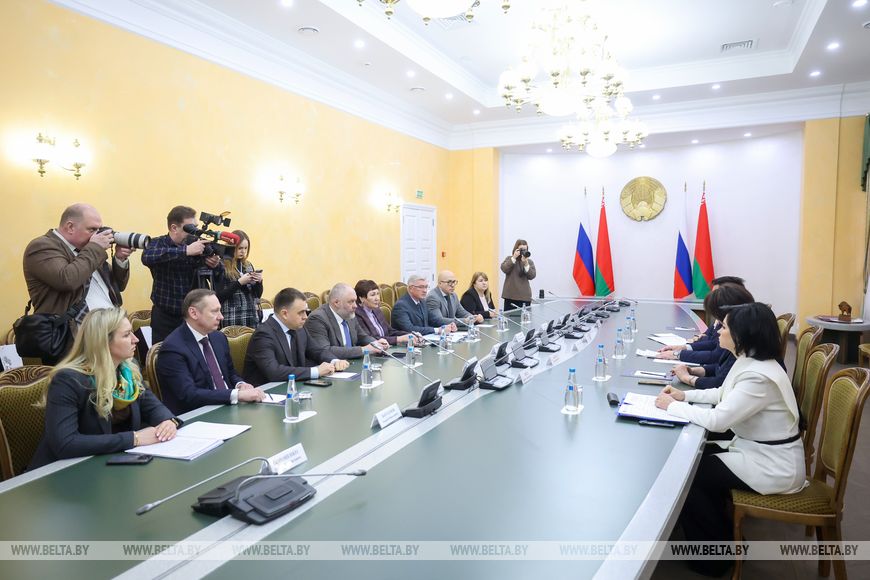
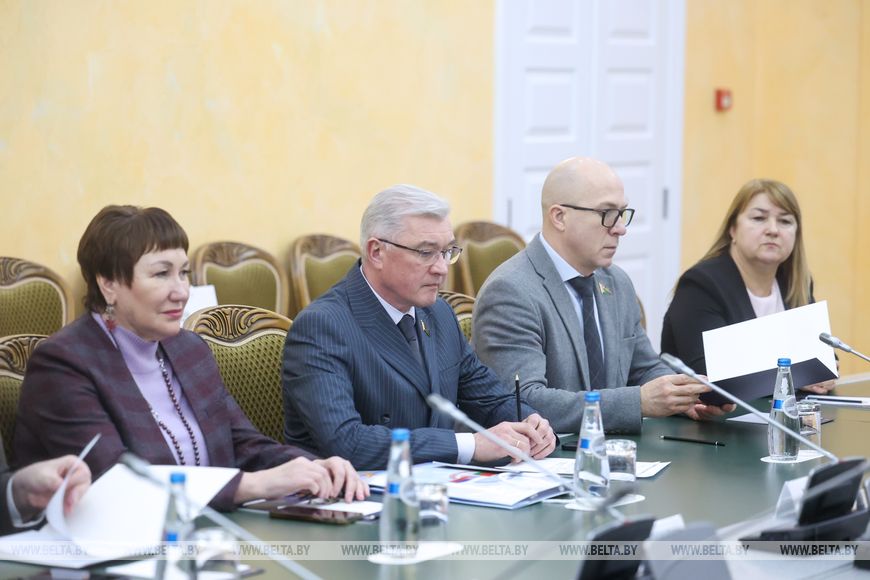
The MPs summarized the results of the implementation of the Union State’s healthcare measures for 2025 and discussed the development of new ones. The event was attended by representatives of the Standing Committee of the Union State of Belarus and Russia, the healthcare ministries of both countries, the Russian Ministry of Civil Defense, Emergencies and Disaster Relief, as well as the Grodno Oblast Executive Committee.
Photos by Leonid Shcheglov/BelTA