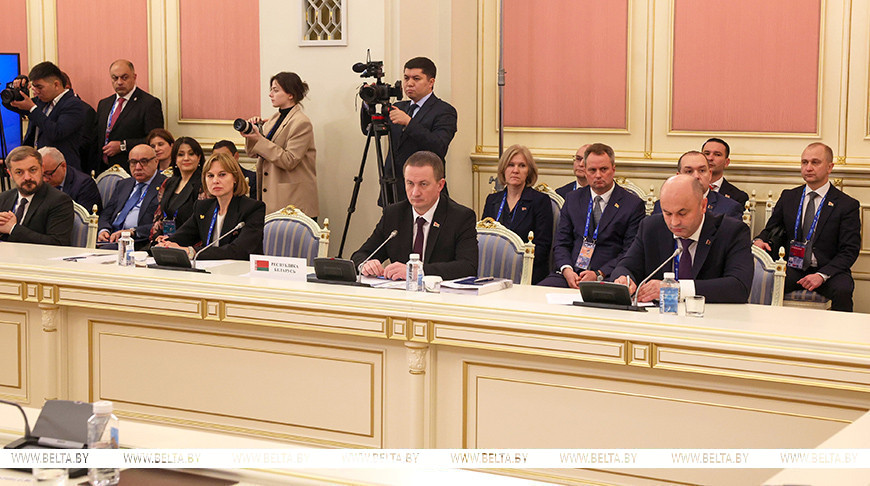
MOSCOW, 11 December (BelTA) – A solid foundation has been created within the Eurasian Economic Union for the transition to a new stage of cooperation among its five member states, Belarusian Prime Minister Aleksandr Turchin said at an expanded meeting of the Eurasian Intergovernmental Council in Moscow on 11 December, BelTA has learned.
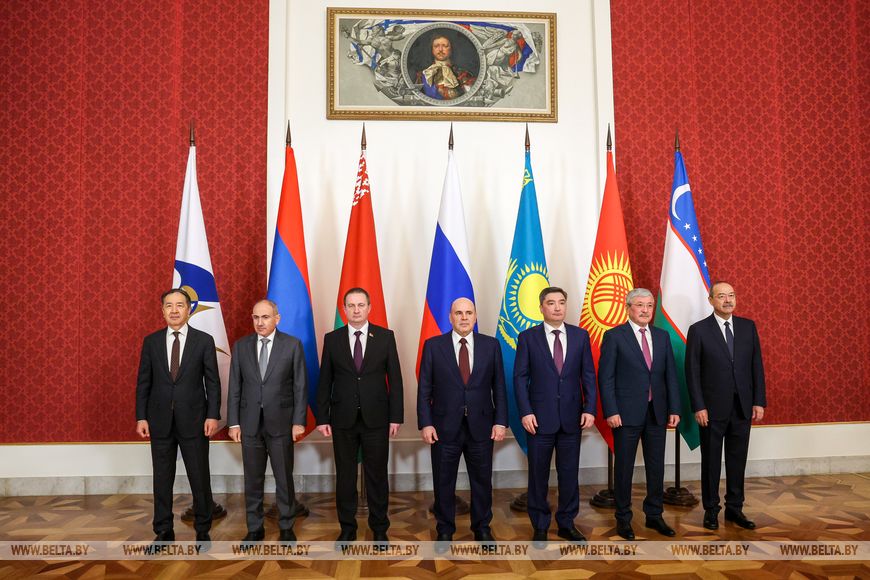
“This year has marked the final stage of implementing the Eurasian economic integration strategy until 2025,” said Aleksandr Turchin. “The execution of this strategy has enabled us to build a solid integration foundation in order to advance to a new phase of Eurasian cooperation, based on the principles outlined in the Eurasian Economic Path Declaration. I regard this as a major milestone in the development of Eurasian integration, which allows us to look to the near future of the Eurasian Economic Union with confidence.”
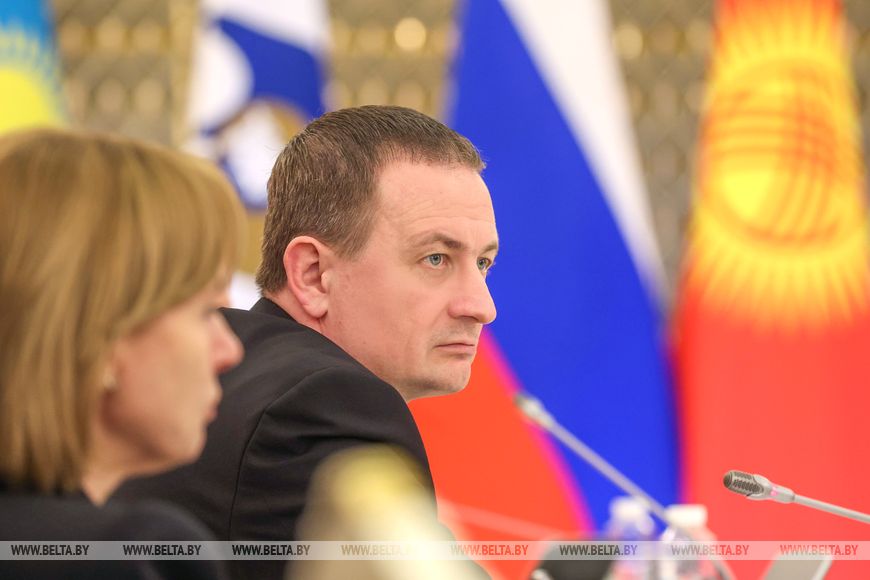
Belarus chaired the Eurasian Economic Union bodies in 2025. “Our consistent focus has been on removing barriers and reducing exemptions and restrictions in mutual trade,” stated the Belarusian head of government. “Over the year, the Eurasian Economic Commission examined over 30 problematic issues, resolved five, and member states are preparing legal acts to settle eight more. However, issues in this area are far from over. Consistent work to guarantee the four freedoms within the Eurasian space must continue.”
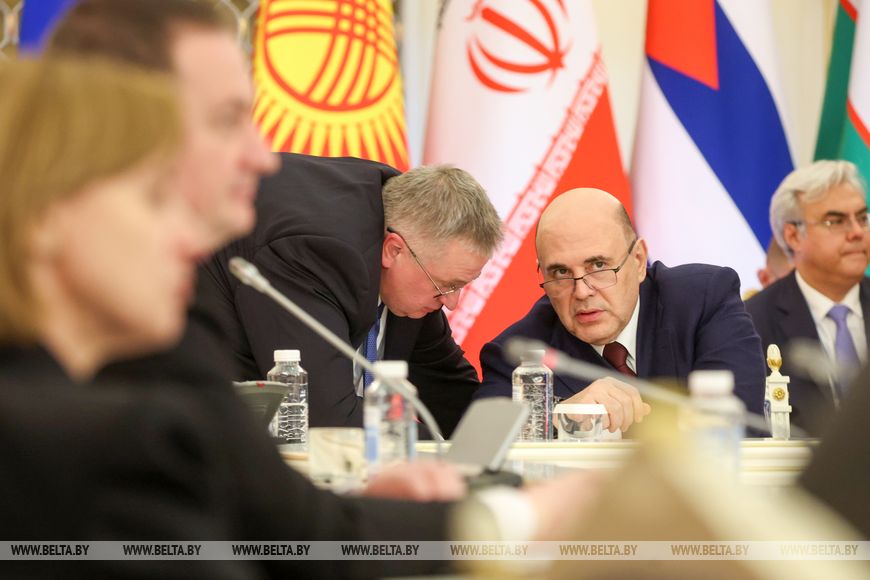
According to him, EAEU countries have achieved tangible progress in customs administration for the import of high‑tax goods, mitigating fiscal risks and budgetary losses for member states. “As a result of these efforts, approximately $75 million in additional import duties and over $600 million in value‑added tax have been returned to national budgets,” said Aleksandr Turchin. “Systematic cooperation on harmonizing risk indicators for high‑tax goods should be maintained.”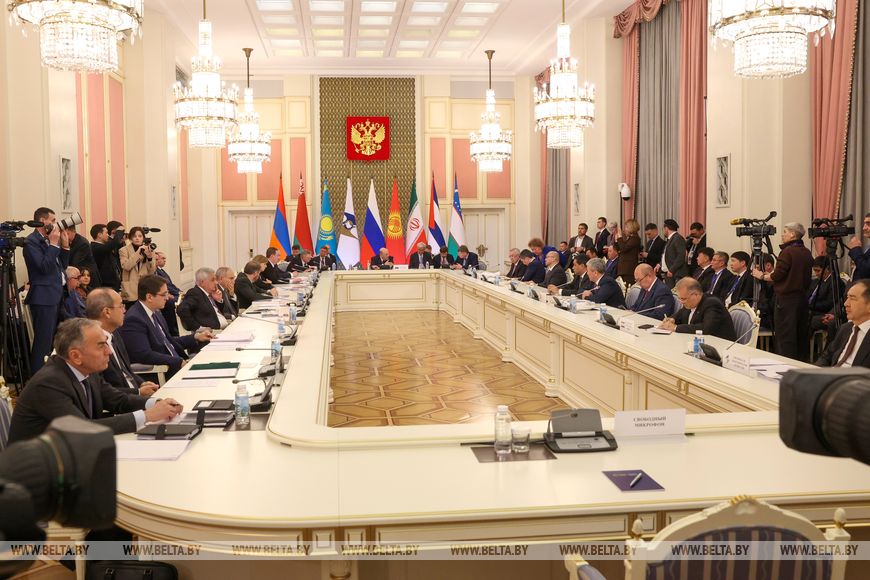
He also highlighted positive developments regarding the mutual recognition of electronic signatures for public procurement and measures to ensure the smooth functioning of the bank‑guarantee recognition mechanism. “For more than 100 product names, including sensitive ones like medical devices and pharmaceuticals, countries have agreed on criteria for recognizing goods as Eurasian in public procurement. This year, the Eurasian Register of Industrial Goods grew by 50% since it was launched in 2020 and is now actively used to verify a product’s country of origin and to seek cooperation partners within the EAEU,” the prime minister added.
Favorable conditions have been established to build sustainable cooperative ties across the union. “The updated regulations on interstate programs hold great potential to stimulate industrial cooperation within the EAEU. Pursuing the Belarusian initiative for a joint import‑substitution program, the Eurasian Economic Commission has prepared a series of reviews on potential industrial collaboration. Let me give you one figure: the list of foreign components and assemblies used by Russian manufacturers alone runs to 6,000 items. Looking at each country, the scope for cooperative partnerships is virtually limitless,” Aleksandr Turchin pointed out.
“We expect the financial assistance mechanism for joint agricultural projects to become more effective next year, which will deepen cooperation in innovation and agrotechnology. We must advance the regulatory framework so that practical steps in this area can proceed without delay. It is also essential to intensify the Commission’s work on food security issues across the EAEU. This topic is critically important and sensitive for every member state’s economy,” the prime minister continued.
“Serious attention has been given to protecting the common market from unsafe products. A number of key documents have been adopted, establishing a framework for interaction among supervisory, customs, and accreditation authorities. We must streamline the operation of this interstate system so that the fight against improperly issued conformity assessment documents is effective throughout the entire EAEU market,” urged Aleksandr Turchin.
He also mentioned ongoing work to establish a common EAEU financial market. “Several documents have been adopted to ensure the free circulation of securities, strengthen trade and investment cooperation, and protect the rights and legitimate interests of financial services consumers. The most important task now is to ensure their full implementation. Each of these documents was adopted with a view to the future and with the expectation of tangible economic effect. Harmonization in the financial sector must be a continuous process, keeping pace with developments in national legislation, international standards, and emerging realities like digital financial assets, currencies, and payment systems,” the prime minister stressed.
In his view, the services sector holds considerable potential for strengthening economic ties within the EAEU. “In this context, I would like to highlight the concept for tourism development in the Eurasian Economic Union and the importance of promoting the hospitality sector and related infrastructure. This industry can significantly contribute to GDP growth, job creation, support for traditional crafts, and the preservation of our peoples’ cultural heritage.”
“I have outlined the key decisions taken over the past year. At the same time, a number of equally important tasks remain on the Eurasian integration agenda, on which coordinated agreement is still needed,” emphasized the Belarusian prime minister.
“The year of Belarus’ chairmanship of EAEU bodies is drawing to a close. Its results will be presented by the President of the Republic of Belarus, Aleksandr Grigoryevich Lukashenko, at the December meeting of the Supreme Eurasian Economic Council,” concluded Aleksandr Turchin.