
Photo courtesy of Reuters
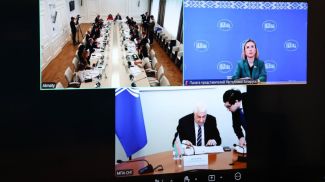
On 5 January, the UN Security Council convened for an emergency meeting on Venezuela. It was called at the initiative of Colombia to discuss the recent developments, with Russia and China supporting the move. Despite accusations of violating international law and the UN Charter, the United States emerged unscathed and frankly, no one expected events to unfold otherwise. Who supported Venezuela, and who, in turn, sided with the United States? And why is the Security Council seemingly powerless in this situation?
How did UN leadership respond to U.S. actions?
United Nations Under-Secretary-General for Political and Peacebuilding Affairs Rosemary DiCarlo addressed the meeting on behalf of the UN Secretary-General. She expressed deep concern over the failure to uphold international law and warned that U.S. actions are establishing a dangerous precedent.
“The Charter enshrines the prohibition of the threat or use of force against the territorial integrity or political independence of any state. The maintenance of international peace and security depends on the continued commitment of all Member States to adhere to all the provisions of the Charter,” said Rosemary DiCarlo.
She added that in combating drug trafficking, which was a stated U.S. objective, adherence to international law remains essential. “International law contains tools to address issues such as illicit traffic in narcotics, disputes about resources and human rights concerns. This is the route we need to take,” she emphasized.
President of the United Nations General Assembly Annalena Baerbock also made a statement outside the Security Council chamber. She urged to stick to the UN Charter during the times of stability and crisis.
“The UN Charter is not optional, it is our guiding framework, in moments of calm and in times of crisis, like in Venezuela today, culminating with the United States military action. A peaceful, safe and just world for everyone is only possible if the rule of law prevails instead of might makes right.”
Why did Colombia call for an emergency Security Council meeting?
During the meeting, Colombia’s Permanent Representative to the UN Leonor Zalabata Torres strongly condemned recent U.S. actions in Venezuela. She emphasized that the UN Charter permits the use of force only in exceptional circumstances, such as self-defense, but not to seize political control of another state.
Leonor Zalabata Torres emphasized that there was no justification for the unilateral use of force and that sovereign states must have full authority over their territory including their natural resources.
The Colombian diplomat also warned that the uncertainty following the attack on Venezuela could trigger a migration crisis. Colombia has already taken measures to maintain stability along its border.
It is worth noting that in a recent exchange with journalists, U.S. President Donald Trump accused Colombian President Gustavo Petro of involvement in drug trafficking and did not rule out an operation in Colombia similar to the one in Venezuela. Could this be a continuation of the very dangerous precedent that UN officials warned about?
How did Russia respond to the U.S. operation in Venezuela?
Russia’s Permanent Representative to the UN Vasily Nebenzya sharply criticized U.S. conduct. He stated that the start of the new year has shocked all who had hoped for respect for international law, non‑interference in internal affairs, and a commitment to diplomacy and compromise as guiding principles of the new American administration.
“The assault against the leader of Venezuela, compounded by the deaths of dozens of Venezuelan and Cuban citizens, in the eyes of many has become a harbinger of a turn back to the era of lawlessness and U.S. domination by force and chaos. There is no, and can be no justification for the crime cynically perpetrated by the United States in Caracas, and we firmly condemn the U.S. act of armed aggression against Venezuela in breach of all international legal norms,” the diplomat emphasized.
He insisted that any issues and disagreements between the USA and Venezuela must be settled via dialogue. “This is precisely what the UN Charter prescribes, the goals and principles of which a number of states have in recent years begun to apply selectively, depending on political expediency. We are now seeing the results of this irresponsible, selective approach to international law, which they labeled a ‘rules-based world order’. Well, here is your world order in all its glory, a sight that shocks even committed Atlanticists,” the Russian diplomat stated.

According to him, what is particularly striking is the unprecedented cynicism with which Washington did not even bother to disguise the true objectives of its criminal operation: establishing unlimited control over Venezuela’s natural resources and advancing its hegemonic ambitions in Latin America. “Thus, Washington is giving new impetus to neocolonialism and imperialism, which have been firmly and repeatedly rejected by the peoples of this region, and indeed of the Global South as a whole,” Vasily Nebenzya emphasized.
What China demanded from the USA
China’s representative stated at the meeting that his country is deeply shocked and firmly condemns the unilateral, illegal, and aggressive actions of the USA against Venezuela.
He accused the USA of “brazenly trampling on Venezuela’s sovereignty, security, and legitimate rights and interests”, noting that the USA prioritizes force over multilateralism and military action over diplomacy.
Warning of a grave threat to peace in Latin America and beyond, the Chinese diplomat called on the USA to heed the voice of the international community and return to dialogue.
“We urge the USA to heed the overwhelming voice of the international community, abide by international law and the purposes and principles of the UN Charter, cease violating the sovereignty and security of other countries, halt attempts to overthrow the government of Venezuela, and return to the path of political resolution through dialogue and negotiation. We urge the USA to ensure the personal safety of President Maduro and his wife and release them immediately,” stated Sun Lei, Deputy Permanent Representative of China to the United Nations.
He emphasized that no country can play the role of the world’s police, and no country can claim to be the international judge. “We demand that the USA change course, cease its policies of intimidation and coercion, and develop relations and cooperation with regional countries based on mutual respect, equality, and non-interference in internal affairs,” said the Chinese representative.
What Venezuela says about the U.S. intervention
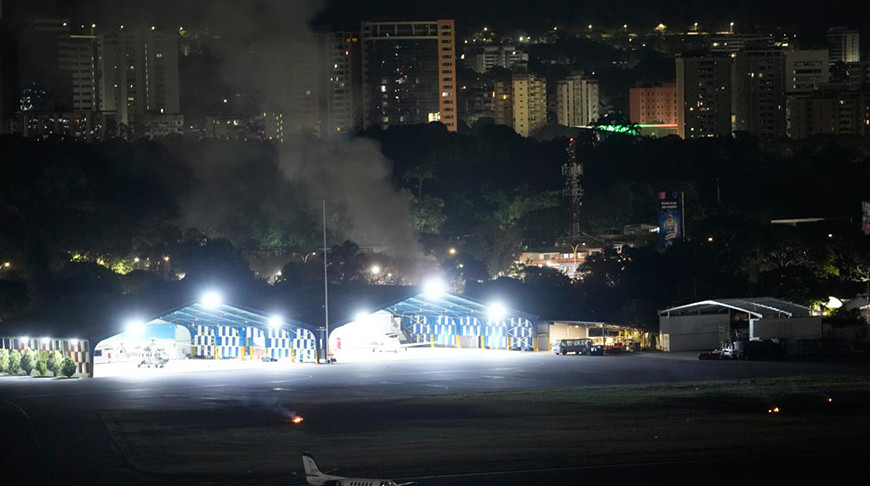
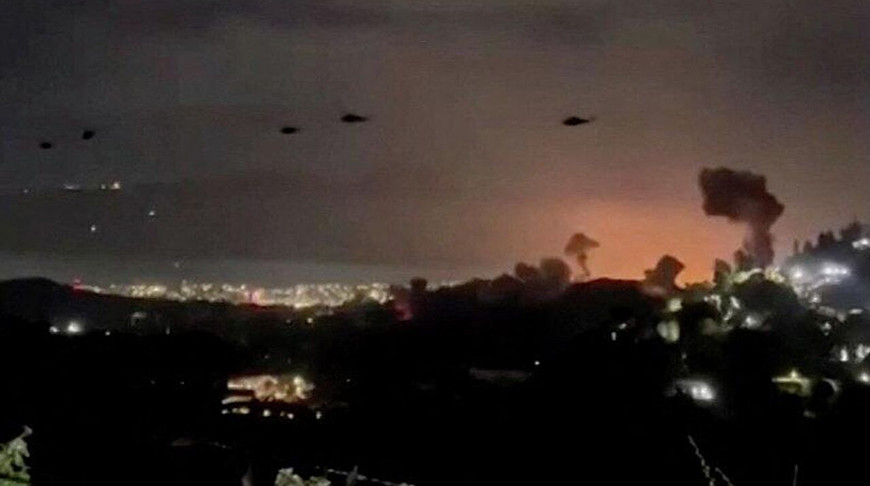
In turn, Venezuela’s Permanent Representative to the UN Samuel Moncada stated that on 3 January, his country was subjected to an illegal armed attack by the USA. According to the diplomat, the attack included bombardments of Venezuelan territory, the death of civilians and military personnel, the destruction of critical infrastructure, as well as the abduction of the constitutional President Nicolas Maduro and his wife Cilia Flores.
Samuel Moncada emphasized that what is happening poses a threat not only to Venezuela’s sovereignty but to the entire system of international law. He called on the Security Council to condemn the use of force, demand the release of the Venezuelan leadership, and take measures to de-escalate the situation and protect the civilian population.

“We cannot ignore a key aspect of American aggression. Venezuela is a victim of attack because of the natural wealth present in our country,” stated the diplomat.
Despite the crisis, Venezuela, according to Samuel Moncada, maintains constitutional order and a commitment to diplomacy and peaceful settlement.
How the U.S. explains carrying out the military operation in Venezuela
The U.S. Permanent Representative to the UN Michael Waltz rejected all the accusations made and expressed indignation that the Security Council was even discussing this topic. He cited U.S. Secretary of State Marco Rubio’s statement that Washington had conducted a targeted law enforcement operation to apprehend two individuals wanted on criminal charges, calling Nicolas Maduro and his wife Cilia Flores “narco-terrorists”.
Emphasizing that no one is waging war against Venezuela or its people, Michael Waltz compared these actions to the arrest of Manuel Noriega, the commander of the Panamanian Defense Forces and de facto leader of Panama in the 1980s, during a U.S. military operation in 1989. He stated that Nicolas Maduro is a fugitive and leader of a “violent foreign terrorist organization” linked to illicit drug trafficking networks that use drugs as a weapon against the USA.
According to him, what is particularly striking is the unprecedented cynicism with which Washington did not even bother to disguise the true objectives of its criminal operation: establishing unlimited control over Venezuela’s natural resources and advancing its hegemonic ambitions in Latin America. “Thus, Washington is giving new impetus to neocolonialism and imperialism, which have been firmly and repeatedly rejected by the peoples of this region, and indeed of the Global South as a whole,” Vasily Nebenzya emphasized.
What China demanded from the USA
China’s representative stated at the meeting that his country is deeply shocked and firmly condemns the unilateral, illegal, and aggressive actions of the USA against Venezuela.
He accused the USA of “brazenly trampling on Venezuela’s sovereignty, security, and legitimate rights and interests”, noting that the USA prioritizes force over multilateralism and military action over diplomacy.
Warning of a grave threat to peace in Latin America and beyond, the Chinese diplomat called on the USA to heed the voice of the international community and return to dialogue.
“We urge the USA to heed the overwhelming voice of the international community, abide by international law and the purposes and principles of the UN Charter, cease violating the sovereignty and security of other countries, halt attempts to overthrow the government of Venezuela, and return to the path of political resolution through dialogue and negotiation. We urge the USA to ensure the personal safety of President Maduro and his wife and release them immediately,” stated Sun Lei, Deputy Permanent Representative of China to the United Nations.
He emphasized that no country can play the role of the world’s police, and no country can claim to be the international judge. “We demand that the USA change course, cease its policies of intimidation and coercion, and develop relations and cooperation with regional countries based on mutual respect, equality, and non-interference in internal affairs,” said the Chinese representative.
What Venezuela says about the U.S. intervention
In turn, Venezuela’s Permanent Representative to the UN Samuel Moncada stated that on 3 January, his country was subjected to an illegal armed attack by the USA. According to the diplomat, the attack included bombardments of Venezuelan territory, the death of civilians and military personnel, the destruction of critical infrastructure, as well as the abduction of the constitutional President Nicolas Maduro and his wife Cilia Flores.
Samuel Moncada emphasized that what is happening poses a threat not only to Venezuela’s sovereignty but to the entire system of international law. He called on the Security Council to condemn the use of force, demand the release of the Venezuelan leadership, and take measures to de-escalate the situation and protect the civilian population.
“We cannot ignore a key aspect of American aggression. Venezuela is a victim of attack because of the natural wealth present in our country,” stated the diplomat.
Despite the crisis, Venezuela, according to Samuel Moncada, maintains constitutional order and a commitment to diplomacy and peaceful settlement.
How the U.S. explains carrying out the military operation in Venezuela
The U.S. Permanent Representative to the UN Michael Waltz rejected all the accusations made and expressed indignation that the Security Council was even discussing this topic. He cited U.S. Secretary of State Marco Rubio’s statement that Washington had conducted a targeted law enforcement operation to apprehend two individuals wanted on criminal charges, calling Nicolas Maduro and his wife Cilia Flores “narco-terrorists”.
Emphasizing that no one is waging war against Venezuela or its people, Michael Waltz compared these actions to the arrest of Manuel Noriega, the commander of the Panamanian Defense Forces and de facto leader of Panama in the 1980s, during a U.S. military operation in 1989. He stated that Nicolas Maduro is a fugitive and leader of a “violent foreign terrorist organization” linked to illicit drug trafficking networks that use drugs as a weapon against the USA.
The American diplomat stated that evidence of the guilt of Nicolás Maduro and his wife would be openly presented during their trial. This recalled the well-known episode 20 years ago, when U.S. Secretary of State Colin Powell addressed the UN with a report on Iraq’s alleged “chemical weapons”, displaying a vial supposedly containing a sample of a dangerous substance. No further evidence incriminating Iraq was ever presented.
Michael Waltz also mentioned Venezuela’s large oil reserves. “We cannot allow the world’s largest energy reserves to be controlled by America’s adversaries,” he stressed, indirectly confirming the reasons for aggression cited by Venezuela.
AP Photo
Who else supported Venezuela
The representative of Liberia, speaking also on behalf of Congo and Somalia, recalled the official communiqué of the African Union, in which member states reaffirmed their commitment to the fundamental principles of international law, including respect for state sovereignty, territorial integrity, and the right of peoples to self-determination enshrined in the UN Charter.
“We continue to monitor events in Venezuela with deep concern,” said the Liberian representative. “We will continue to act in defense of the fundamental principles of international law, while respecting the sovereignty and territorial integrity of states.”
Ambassador and Permanent Representative of Chile to the UN Paula Narváez Ojeda strongly condemned unilateral U.S. military actions against Venezuela. “Chile expresses deep concern and firmly condemns unilateral U.S. military actions against Venezuela,” she said during a special UN Security Council session.
The diplomat also rejected any attempts to impose external control over strategic natural resources, while acknowledging that drug trafficking is indeed a serious problem for Latin America and must be addressed – but by entirely different means.
Ambassador and Permanent Representative of Mexico to the UN Héctor Vasconcelos declared that U.S. military actions against Venezuela are unacceptable and constitute a gross violation of the UN Charter.
“The Government of Mexico has already made its position clear, condemning the 3 January military aggression against facilities in Venezuela, which is an obvious violation of Article 2 of the UN Charter. Such actions must not be tolerated, as they deal a serious blow to the Charter itself and to the principles of multilateralism,” the diplomat said.
The Mexican side emphasized that the prohibition on the threat or use of force against the sovereignty, territorial integrity, and political independence of states is a fundamental principle of international law, regardless of the country or system of government.
Support for Venezuela at the meeting also came from Eritrea (on behalf of the Group of Friends in Defense of the UN Charter), Iran, Cuba, Nicaragua, Uganda, and South Africa.
“If we cannot defend the sovereign rights of any state when they are deliberately violated, then the question arises: who among us can feel secure, relying on the principles of the UN Charter and international law? Failure to address such violations is tantamount to anarchy. It only normalizes the use of force and military power as a method of conducting international politics. This would be a step backward, to the world that existed before the United Nations and that gave rise to two world wars,” said the South African representative.
Which countries supported the U.S. position on Venezuela
U.S. allies such as Panama, Argentina, Latvia, and the United Kingdom sidestepped the issue of American actions. Instead, they chose to focus on Venezuela’s domestic political situation, analyzing the results of the presidential election held two and a half years ago. Each of these countries reiterated its commitment to the principles of international law, yet none mentioned the military strikes on Caracas or the abduction of Nicolás Maduro.
Representatives of Denmark and France were somewhat bolder. While speaking in a biased manner about Venezuela’s difficult internal political situation, they also expressed concern over violations of international law.
Reuters photo
“No state should seek to influence political outcomes in Venezuela through the use of threat of force or through other means inconsistent with international law. Venezuela’s future can be decided only by Venezuelans,” the Danish ambassador to the UN said.
Opinions from external parties were also heard during the session. Venezuelan activist Mercedes De Freitas, a representative of the so-called civil society, acted as an expert and in what appeared to be the role of an advocate for the United States at the meeting. She also chose not to discuss the latest January events but spoke about food shortages in Venezuela and demanded the release of “political prisoners.”
However, President of the UN Sustainable Development Solutions Network and Director of the Center for Sustainable Development at Columbia University Jeffrey Sachs highlighted an interesting point. He noted that the essence of the meeting was not about determining the nature of Venezuela. “The issue is whether any member state, by force, coercion, or economic strangulation, has the right to determine Venezuela’s political future or to exercise control over its affairs,” Jeffrey Sachs said.
In his opinion, the UN Security Council must decide whether it intends to uphold Article 2(4) of the UN Charter, which prohibits the threat or use of force against the territorial integrity or political independence of any state, or is prepared to abandon it.
Why the UN Security Council is powerless in the Venezuela situation
The UN Security Council indeed often proves incapable of decisive action that could stop major crises like the situation in Venezuela or at least prevent their recurrence.
Although this body bears the primary responsibility for maintaining peace and can make binding decisions, including sanctions and even the use of force (for example, peacekeepers’ deployment), in practice, everything is much more complicated. The adoption of any binding decision requires at least 9 votes in favor from the 15 members, as well as no veto being cast by any of the five permanent members (the United States, Russia, China, the United Kingdom, and France).
This means that if one of the permanent members of the UN Security Council is a party to a dispute or defends its position, it can simply block any decision it dislikes. Even if the majority of UN countries support a particular measure. In practice, this almost always leads to various kinds of compromise or very soft resolutions.
Therefore, it often turns out that in the case of a large-scale conflict, the UN Security Council convenes to express opinions but cannot impose coercive measures or sanctions, authorize a peacekeeping operation, or warn of legal consequences if one of the permanent members opposes it.
The Venezuela situation is precisely such an example. Although many countries condemned the U.S. actions at the emergency meeting, a resolution that would change the situation or punish anyone is impossible.
In fact, the permanent members of the UN Security Council pursue their national interests: economic, strategic, and geopolitical. This, rather than world peace, is what each of them prioritizes.
The practice of diplomatic rhetoric is exactly why the UN, and especially the Security Council, often face severe criticism. This is why there have been growing calls to reform this body recently. Many believe that the composition of the Security Council does not correspond to the modern world. According to UN Secretary-General Antonio Guterres, this creates not only a problem of legitimacy but also a problem of effectiveness.
The Belarusian side also believes that the composition of the UN Security Council is due for an update, primarily by including more developing countries from Asia, Africa, and Latin America.
But in reality, the problem is much deeper. In 2005, while participating in the events of the 60th session of the UN General Assembly, Belarusian President Aleksandr Lukashenko emphasized that UN decisions must be obeyed by all.
“The structure of the United Nations can hardly be questioned. In my opinion, it is a normal, simple structure. The whole issue is one of effectiveness. If the Security Council has decided that there will be no war in Iraq, then there must be no war. If the Security Council has made a decision on the nuclear disarmament of a particular country, then it must be implemented,” the Belarusian leader stated.
But in the current situation, it seems easier for the UN to abandon some points or even articles in its Charter than to take decisive measures. Especially since achieving consensus on them is another challenge.