
The story of Aleksei Kozhukhovsky, a resident of the agro-town of Khatezhino in Minsk District, is an inspiring testament that true calling can be found at any age, and that a drastic career change can become a great achievement. In the Belarusians in Focus project we asked Aleksei why people go to the banya, who and how it heals, and what is the secret of beneficial steam.
Temperature of success
When Aleksei realized that money was no longer his primary motivation in his work, he decided to leave the printing business he had dedicated two decades to. He sought fulfillment in building something, not just in a paycheck. Aleksei’s journey into professional steaming began in 2021, though the seed of the idea was planted much earlier, after a friend once introduced him to the “magic of the venik (a bundle of leafy tree branches)”. However, the conscious desire to turn this into his life's work only matured years later. He focused exclusively on the Russian banya, ruling out other formats for himself, such as the hammam or Finnish sauna.
“My key principle is a comfortable temperature, not exceeding 65°C, which the body can easily tolerate,” Aleksei Kozhukhovsky said detailing the nuances of his steaming technique. “In the art of the banya, there is a golden rule - the 'Rule of 120.' It's a harmonious balance of temperature and humidity: their sum should equal 120. For example, if the thermometer reads 60°C, then the humidity should be 60%. The higher one indicator is, the lower the other must be. This is the only way the time spent in the steam room becomes truly comfortable, as everything depends on the air density and thermal conductivity. I have taken measurements with a pyrometer on numerous occasions and confirmed: even if the room temperature is 70°C, the surface temperature of the body does not exceed 42°C. The body is a wise self-regulating system. However, it should not be subjected to the stress of extreme heat. The limit of 60°C is dictated by nature itself. Within the 40-60°C range, sweat glands are activated; the body undergoes a cleansing process, expelling toxins. But once you cross that threshold, the mode shifts from ‘cleansing’ to ‘survival’. Instead of sweat, interstitial fluid begins to seep out: the body makes an emergency attempt to cool itself down and prevent overheating. Extreme heat of 100°C is not about health; it’s about aggression. In that mode, the body isn’t cleansing. It’s in survival mode. The euphoria upon exiting a scorching steam room is the joy of a survivor, not the result of deep relaxation. Remember: in a proper banya, we replenish our strength; we do not fight for our lives.”
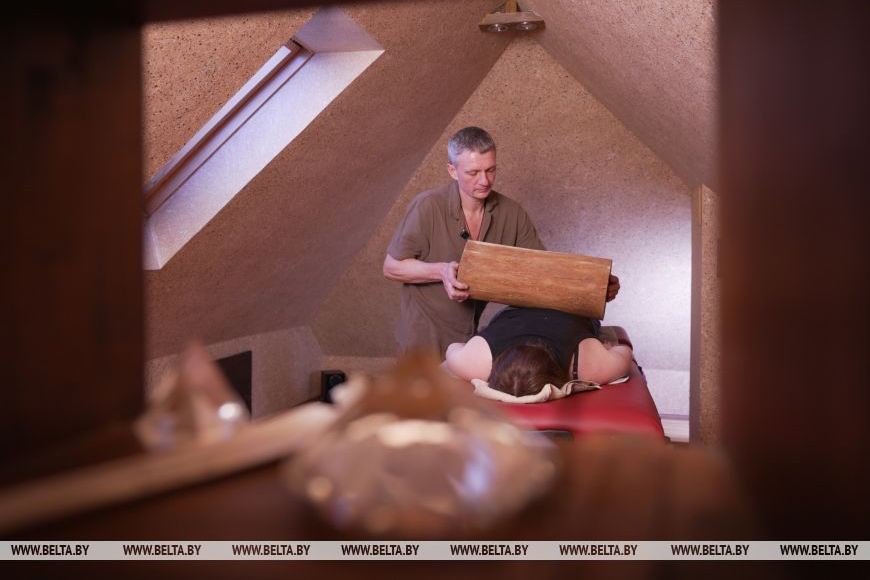
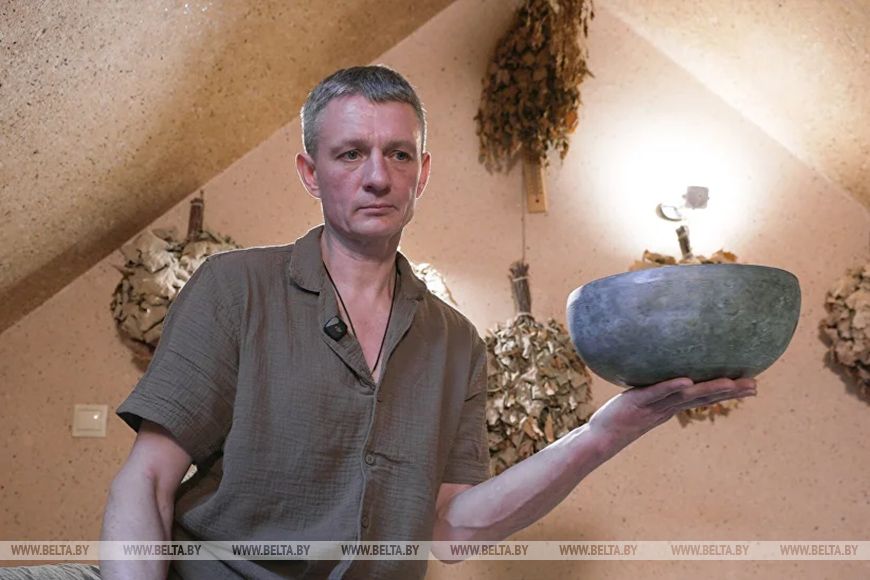
“I pay special attention to the most sensitive guests. For children, the banya is more like a game, and although they love water, we maintain the gentlest possible regime in the steam room. Even pregnant women can enjoy this form of relaxation: at 45-50°C lying on their side, they receive gentle relaxation without risk to their bodies.”
Aleksei is a true believer in “gentle steaming”. In his steam room, a guest can spend up to four hours, perceiving this time as a complete mini-retreat. If one feels burdened in spirit or overwhelmed by mental fatigue, a mindful visit to such a steam room becomes the best medicine. What inspires Aleksei the most... are the skeptics: through them, he understands that he is in the right place. This happens when someone who previously disliked the banya emerges with shining eyes and a renewed spirit.
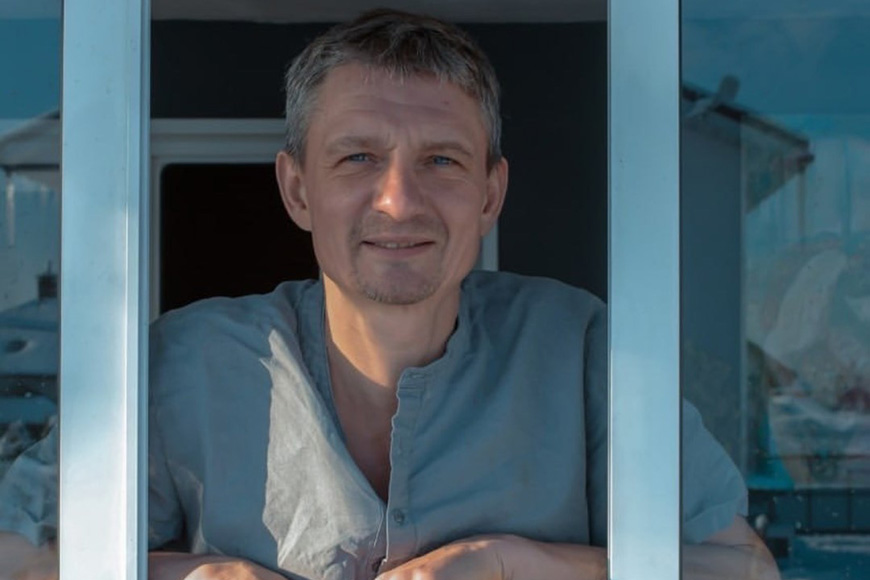
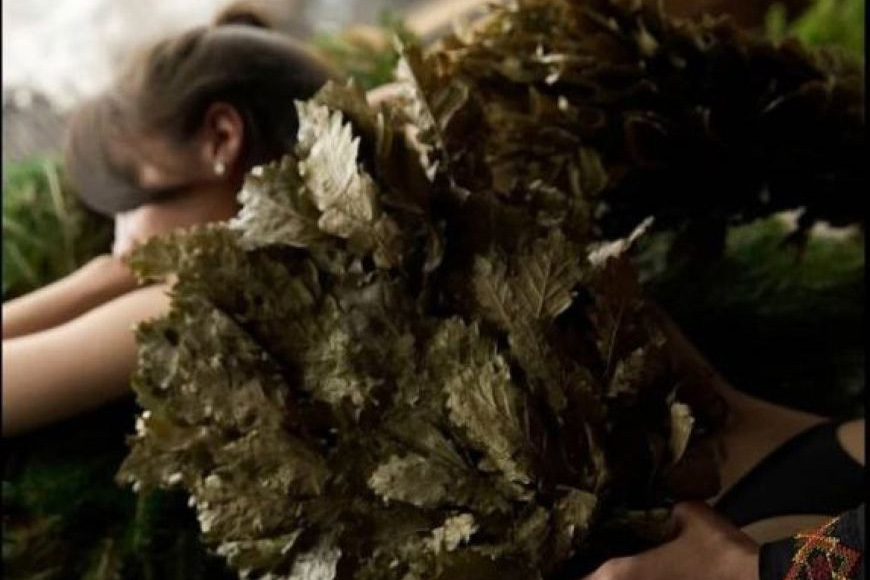
 People come to the banya weighed down by worries and depart renewed, as if reborn. For Aleksei, this is not merely a business, it is a calling. He is convinced that only a sincere, non‑commercial approach allows the banya to become the fastest and deepest path to restoring a person’s mental well‑being.
When Aleksei realized that money was no longer his primary motivation in his work, he decided to leave the printing business he had dedicated two decades to. He sought fulfillment in building something, not just in a paycheck. Aleksei’s journey into professional steaming began in 2021, though the seed of the idea was planted much earlier, after a friend once introduced him to the “magic of the venik (a bundle of leafy tree branches)”. However, the conscious desire to turn this into his life's work only matured years later. He focused exclusively on the Russian banya, ruling out other formats for himself, such as the hammam or Finnish sauna.
“My key principle is a comfortable temperature, not exceeding 65°C, which the body can easily tolerate,” Aleksei Kozhukhovsky said detailing the nuances of his steaming technique. “In the art of the banya, there is a golden rule - the 'Rule of 120.' It's a harmonious balance of temperature and humidity: their sum should equal 120. For example, if the thermometer reads 60°C, then the humidity should be 60%. The higher one indicator is, the lower the other must be. This is the only way the time spent in the steam room becomes truly comfortable, as everything depends on the air density and thermal conductivity. I have taken measurements with a pyrometer on numerous occasions and confirmed: even if the room temperature is 70°C, the surface temperature of the body does not exceed 42°C. The body is a wise self-regulating system. However, it should not be subjected to the stress of extreme heat. The limit of 60°C is dictated by nature itself. Within the 40-60°C range, sweat glands are activated; the body undergoes a cleansing process, expelling toxins. But once you cross that threshold, the mode shifts from ‘cleansing’ to ‘survival’. Instead of sweat, interstitial fluid begins to seep out: the body makes an emergency attempt to cool itself down and prevent overheating. Extreme heat of 100°C is not about health; it’s about aggression. In that mode, the body isn’t cleansing. It’s in survival mode. The euphoria upon exiting a scorching steam room is the joy of a survivor, not the result of deep relaxation. Remember: in a proper banya, we replenish our strength; we do not fight for our lives.”
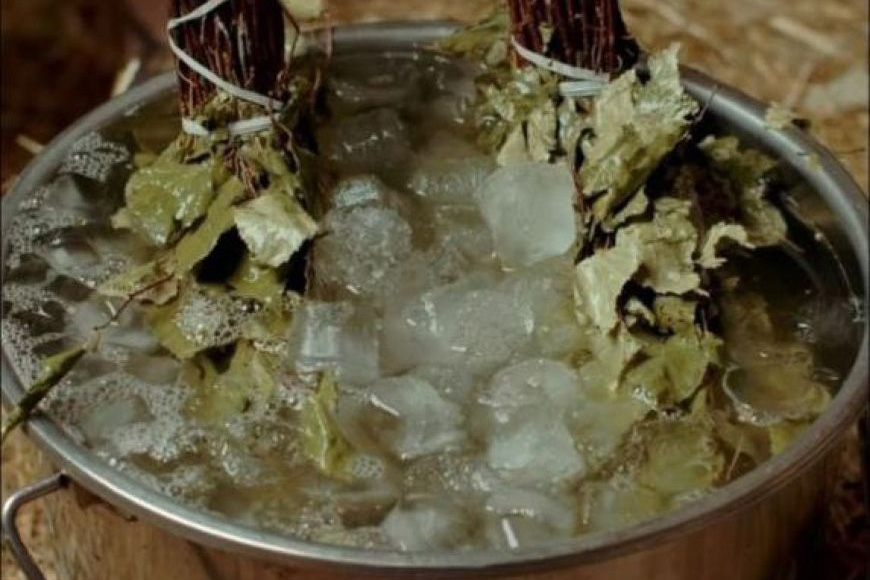
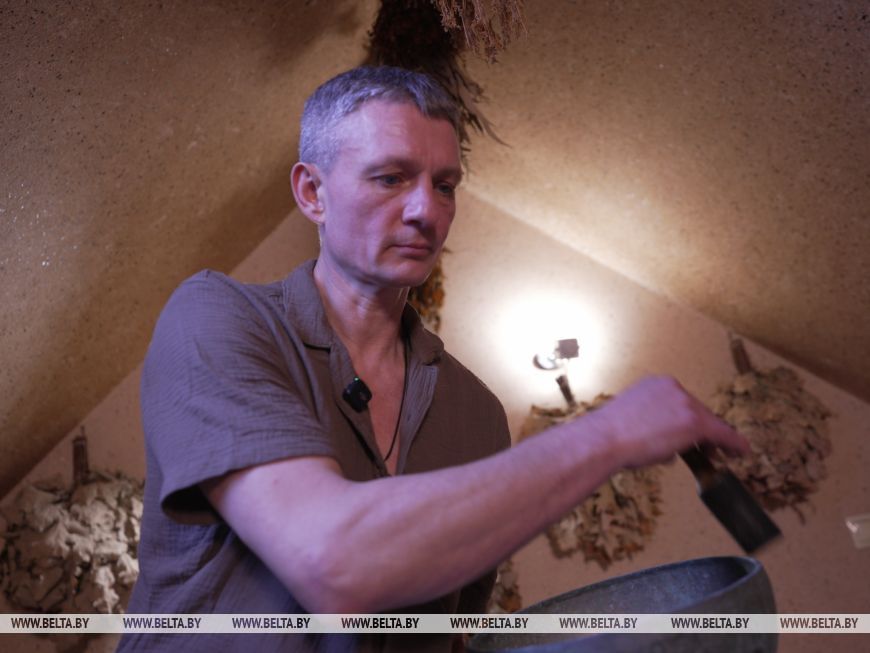
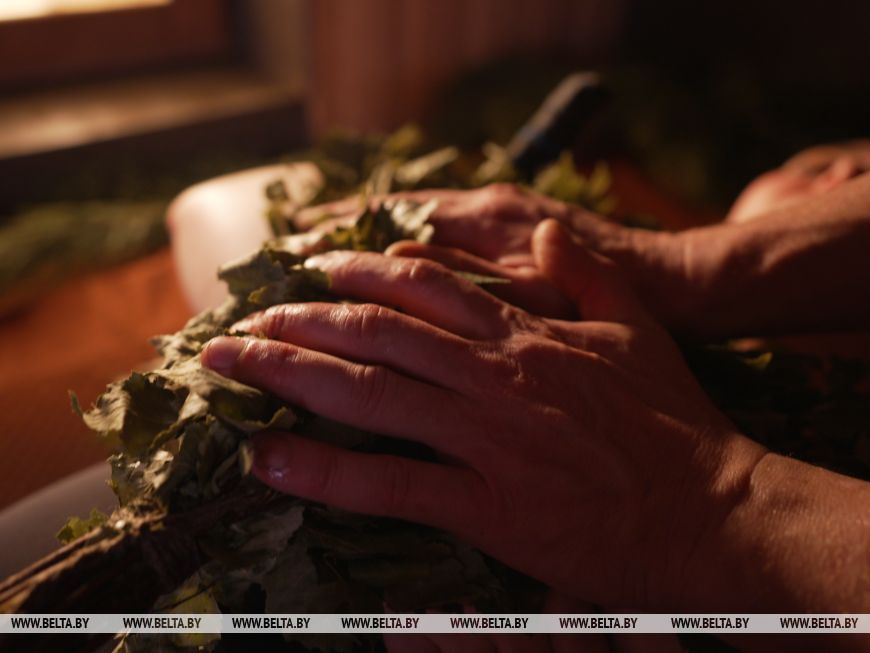
Aleksei has moved away from the traditional multi-tiered shelves, a legacy of public bathhouses designed to accommodate as many people as possible. He uses only one bench: low, but very wide and comfortable, created for individual comfort. He views the venik (bath broom) not as a tool for beating, but as a medium for creating rhythms and sensations. Primarily, the steam master uses birch or Canadian oak veniks.
The Khatezhino banya has strict yet essential rules. The foremost among them is the complete prohibition of alcohol. This is a matter not only of banya philosophy but also of safety.
New interpretation of banya
The Khatezhino banya has strict yet essential rules. The foremost among them is the complete prohibition of alcohol. This is a matter not only of banya philosophy but also of safety.
“I often have to persuade guests to trust in a clear state of mind, and we almost always reach an understanding. Every session begins with a dialogue. I carefully assess the person's condition, inquire about any contraindications, and ask how they feel. However, I consider the 40-60°C degree range to be a universal key to health, suitable for almost everyone. High-quality ventilation also plays a huge role here - in a proper banya breathing should be effortless."
“I pay special attention to the most sensitive guests. For children, the banya is more like a game, and although they love water, we maintain the gentlest possible regime in the steam room. Even pregnant women can enjoy this form of relaxation: at 45-50°C lying on their side, they receive gentle relaxation without risk to their bodies.”
Aleksei is a true believer in “gentle steaming”. In his steam room, a guest can spend up to four hours, perceiving this time as a complete mini-retreat. If one feels burdened in spirit or overwhelmed by mental fatigue, a mindful visit to such a steam room becomes the best medicine. What inspires Aleksei the most... are the skeptics: through them, he understands that he is in the right place. This happens when someone who previously disliked the banya emerges with shining eyes and a renewed spirit.
Aleksei Kozhukhovsky’s goal is to help each guest leave behind the rush of daily life, quiet the noise of the city, and find inner calm. Remarkably, this tranquility extends to the banya master himself: the banya heals both those on the bench and the one holding the whisk; even challenges become a catalyst for growth.
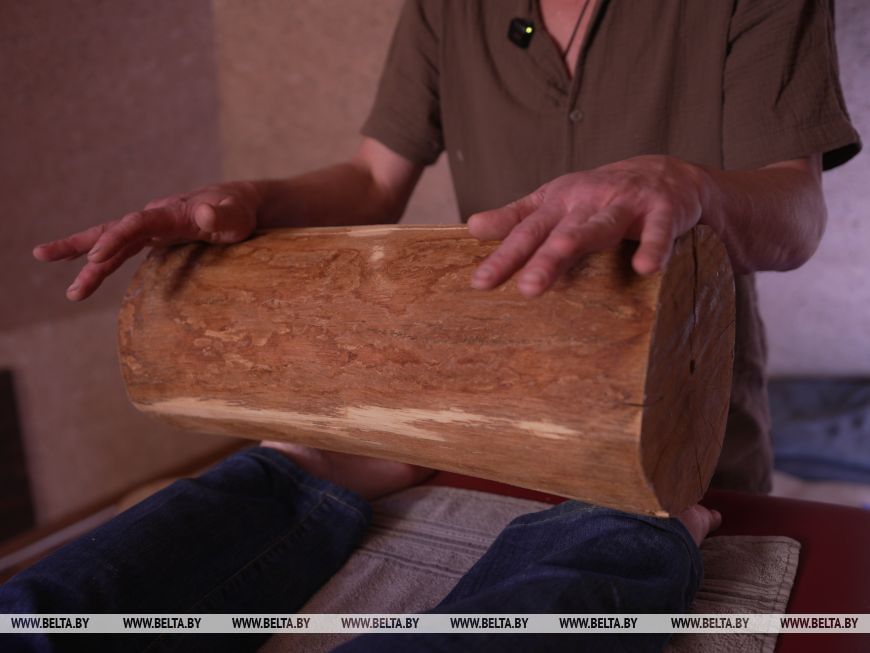
Each session is a unique dialogue with the guest’s inner state. To draw the mind away from everyday concerns, Aleksei uses a full palette of tools. He incorporates sound therapy (the resonance of Nepalese singing bowls, the chime of bells, the cosmic vibrations of the khang), as well as aromatherapy that makes a guest feel like they are in a hayloft infused with the scents of meadow herbs and healing infusions. He frequently employs original methods of his own creation. Among them are his own musical instruments, like the “tropical rainfall”.
People come to the banya weighed down by worries and depart renewed, as if reborn. For Aleksei, this is not merely a business, it is a calling. He is convinced that only a sincere, non‑commercial approach allows the banya to become the fastest and deepest path to restoring a person’s mental well‑being.
The banya space in Khatezhino is designed for total regeneration and deep immersion in silence. The atmosphere itself whispers relaxation: after steaming, guests can visit the outdoor contrast pools. The owner takes special pride in the spacious thermal pool (32–35°C), ideal for aqua healing. Picture yourself blissfully submerged in warm water, entrusting your body to the hands of a master. In this weightlessness, through gentle aqua gymnastics and stretching, long‑held tension dissolves, back pain fades, and stress melts away.
“A vacation shouldn’t be something you wait for the entire year,” Aleksei believes. “A weekly banya session is essential physical therapy. When your muscles relax in the warmth, intrusive thoughts also retreat.” A blessed quiet descends, followed by a clarity and calm that gives strength to move forward.
Talented self‑taught and certified specialists
Aleksei remarks enthusiastically that a foundation for a new banya culture has been laid in our country, and the art of steaming has finally gained official recognition. The profession of “fourth‑category bath master” was formalized in 2022, and last year saw an important development when the first 17 specialists received their diplomas from the National Institute of Vocational Training. The Association of Spa Services initiated this new qualification, also developing a strict professional standard. It details everything from specific steaming techniques to in‑depth knowledge of anatomy and physiology.
The main challenge was finding mentors capable of conveying mastery within an academic framework. The course became a reality thanks to the synergy between the National Institute of Vocational Training that developed the curriculum, and the City Baths organization that provided the training grounds. The course itself is short taking two and a half months, but it offers comprehensive, interdisciplinary training. Future professionals study not only steaming and foam‑massage techniques, but also anatomy and physiology to understand the body’s response to heat, as well as materials science to manage resources effectively, the psychology of communication to build a trusting atmosphere, as well as occupational safety and economics.
While the profession of a bath master was officially formalized, there is no mandatory requirement for entrepreneurs in the banya business to hold the relevant qualification. As a result, the vast majority of bath attendants are talented, self‑taught enthusiasts. Aleksei is one of them.
Working in water parks was a formative experience for him. It was there, interacting with a wide variety of people, that he refined his skills, learned to understand different personalities, and adapted his practice to individual needs. This hands‑on experience proved as valuable as any theoretical course.
“Today, I am self‑employed. This is a deliberate choice after my time as an individual entrepreneur. My work is a fine art of wellness, with a range of services extending well beyond the traditional steam. I build my programs around a deep connection with nature, offering comprehensive cosmetic and spa treatments. Essential oils and precious botanical bases hold a special place in my practice. I have an unwavering preference for natural oils from Belarus.”
Festival drive
Aleksei’s professional growth has also been fueled by connecting with colleagues. A milestone event was the Banya Fest in Suzdal, a large-scale celebration of steam culture, where among a huge number of participants, it was the Belarusians who were told: “You are the best!” While Russia’s modern spa and banya culture spans decades, in Belarus it is only just beginning its vibrant rise, fostering healthy competition and a search for unique features.
At the festival, our protagonist presented his pride and joy — an original mobile banya that can comfortably accommodate up to 12 people.
“There was a constant line from early morning until late evening. The steam was thick, and we worked nonstop,” the master recalls. As part of a close-knit team of about ten Belarusian enthusiasts, he went to Suzdal not for profit, but for invaluable experience and an exchange of energy.
Surprisingly, that genuine drive also yielded practical results: the trip was fully self-funded, and the master’s toolkit was expanded with new professional equipment. Here in Belarus, the festival at Ptich, Volkovichi, has become the country’s premier banya event, bringing together “the warmth of tradition, the technology of today, and the health of tomorrow”. This year, Aleksei attended the forum as a supporter, to encourage the rapidly growing community of like-minded enthusiasts.

“We can take pride in how events are organized in our country. The site featured more than 10 unique bathhouses. The biggest sensation was Belarus’ largest tented banya, where hourly sessions allowed 40 people to experience the magic of communal aromatic steaming with fans. Special attention was also given to a children’s area. There was also a platform for those dreaming of building their own steam room or turning their hobby into a successful project. Industry gurus from Belarus, Russia, and Lithuania shared their experience. The culmination of the celebration was Belarus’ spa-banya and classical steam bathing championships. An international panel of judges selected the country’s best steam masters, confirming the high level of professionalism of our banya wizards.”
Aleksei sincerely believes in the large-scale development of the banya industry in Belarus. He is convinced that we are now on the verge of a qualitative leap, as we already have everything necessary for success: talented and passionate people, an officially recognized profession, deep knowledge of traditions, and access to the most modern technologies.
I knew it would be unusual, but not this much
You can only truly appreciate the magic of a banya through personal experience, and I did just that. I should note, I considered myself a seasoned banya-goer: extreme heat in a friend’s village banya was a familiar ritual, but a visit to the Khatezhino banya completely overturned my ideas about relaxation.
It all began with the amazing sensation from the vibrations of singing bowls. I had seen such things in spa brochures but never believed they could bestow such peace and tranquility. From the first sounds, I knew I was wrong. A few minutes later, after entering the steam room, I was already expecting something extraordinary. I lay down on a movable bench with warm water, which responded gently to my every movement. Instead of scorching, stifling air, there was a comfortable temperature and gentle streams of heat from a fan, creating a perfect balance. For the first time in a steam room, I felt warmth in my feet while my head remained clear, free from the usual throbbing in my temples.

When I was covered with veniks (leafy bunches) and allowed to breathe in Siberian fir, a feeling of absolute lightness came over me. This “forest breath” displaced all fatigue within minutes. The final touch was warming under a towel: in a cocoon of warm air, with music and the sound of bells, I finally heard that profound silence.
I returned to Minsk with an important discovery: inner peace is priceless. One must learn to leave the hustle and bustle at the door, giving one’s body and mind a true, profound rest.
Olga Prolyuk,
photos by Kirill Pasmurtsev and from open internet sources,
7 Dnei newspaper.
Aleksei’s professional growth has also been fueled by connecting with colleagues. A milestone event was the Banya Fest in Suzdal, a large-scale celebration of steam culture, where among a huge number of participants, it was the Belarusians who were told: “You are the best!” While Russia’s modern spa and banya culture spans decades, in Belarus it is only just beginning its vibrant rise, fostering healthy competition and a search for unique features.
At the festival, our protagonist presented his pride and joy — an original mobile banya that can comfortably accommodate up to 12 people.
“There was a constant line from early morning until late evening. The steam was thick, and we worked nonstop,” the master recalls. As part of a close-knit team of about ten Belarusian enthusiasts, he went to Suzdal not for profit, but for invaluable experience and an exchange of energy.
Surprisingly, that genuine drive also yielded practical results: the trip was fully self-funded, and the master’s toolkit was expanded with new professional equipment. Here in Belarus, the festival at Ptich, Volkovichi, has become the country’s premier banya event, bringing together “the warmth of tradition, the technology of today, and the health of tomorrow”. This year, Aleksei attended the forum as a supporter, to encourage the rapidly growing community of like-minded enthusiasts.
“We can take pride in how events are organized in our country. The site featured more than 10 unique bathhouses. The biggest sensation was Belarus’ largest tented banya, where hourly sessions allowed 40 people to experience the magic of communal aromatic steaming with fans. Special attention was also given to a children’s area. There was also a platform for those dreaming of building their own steam room or turning their hobby into a successful project. Industry gurus from Belarus, Russia, and Lithuania shared their experience. The culmination of the celebration was Belarus’ spa-banya and classical steam bathing championships. An international panel of judges selected the country’s best steam masters, confirming the high level of professionalism of our banya wizards.”
Aleksei sincerely believes in the large-scale development of the banya industry in Belarus. He is convinced that we are now on the verge of a qualitative leap, as we already have everything necessary for success: talented and passionate people, an officially recognized profession, deep knowledge of traditions, and access to the most modern technologies.
I knew it would be unusual, but not this much
You can only truly appreciate the magic of a banya through personal experience, and I did just that. I should note, I considered myself a seasoned banya-goer: extreme heat in a friend’s village banya was a familiar ritual, but a visit to the Khatezhino banya completely overturned my ideas about relaxation.
It all began with the amazing sensation from the vibrations of singing bowls. I had seen such things in spa brochures but never believed they could bestow such peace and tranquility. From the first sounds, I knew I was wrong. A few minutes later, after entering the steam room, I was already expecting something extraordinary. I lay down on a movable bench with warm water, which responded gently to my every movement. Instead of scorching, stifling air, there was a comfortable temperature and gentle streams of heat from a fan, creating a perfect balance. For the first time in a steam room, I felt warmth in my feet while my head remained clear, free from the usual throbbing in my temples.
When I was covered with veniks (leafy bunches) and allowed to breathe in Siberian fir, a feeling of absolute lightness came over me. This “forest breath” displaced all fatigue within minutes. The final touch was warming under a towel: in a cocoon of warm air, with music and the sound of bells, I finally heard that profound silence.
I returned to Minsk with an important discovery: inner peace is priceless. One must learn to leave the hustle and bustle at the door, giving one’s body and mind a true, profound rest.
Olga Prolyuk,
photos by Kirill Pasmurtsev and from open internet sources,
7 Dnei newspaper.