

MINSK, 9 May (BelTA) – Victory Day is celebrated in the Republic of Belarus today — a holiday won in heavy battles for the freedom and independence of the Motherland. For the residents of the country this is not only a holiday, but also a day of remembrance, deep respect and gratitude to all those who made the Great Victory possible.
81 years ago, 9 May 1945 marked the victory in the Great Patriotic War of 1941-1945, which had lasted for 1,418 days and nights. The Soviet people played a decisive role in the fight against fascism, bore the brunt of the war, and determined the future of the entire world civilization.
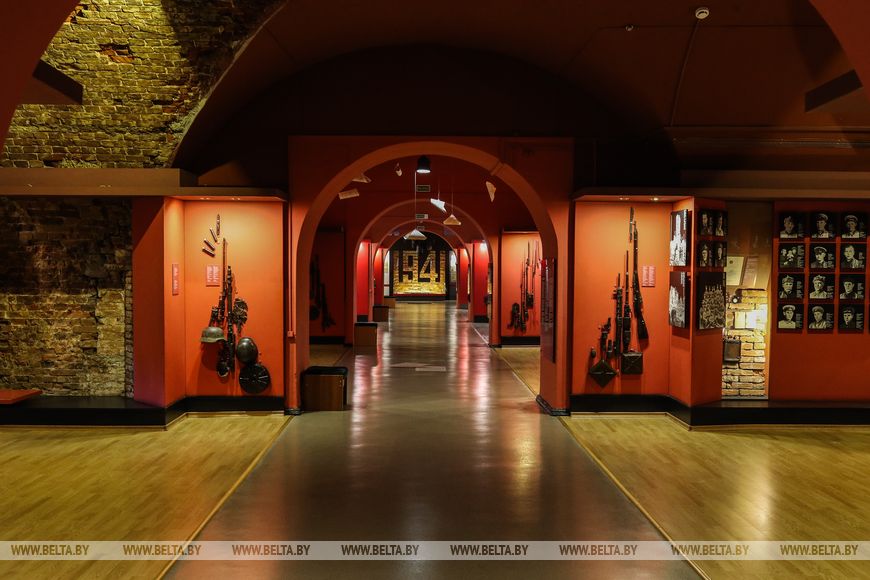
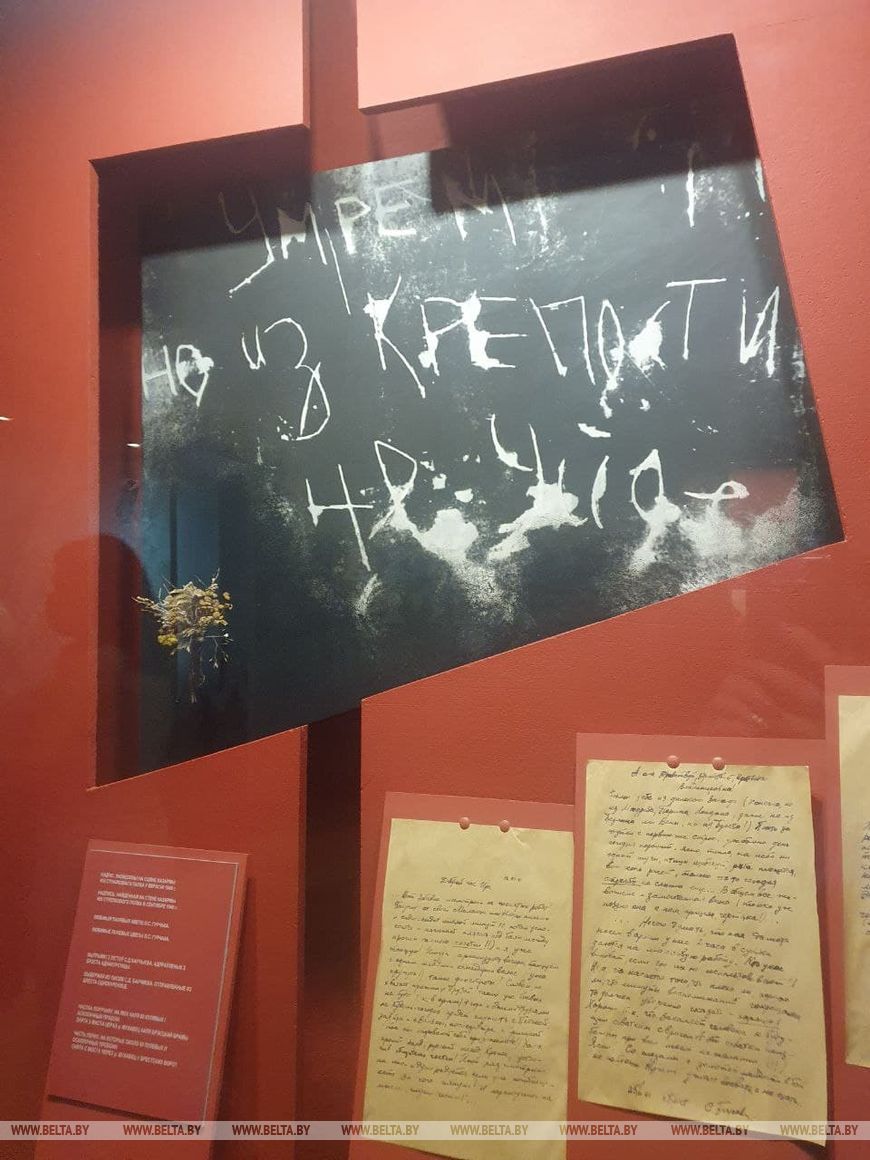
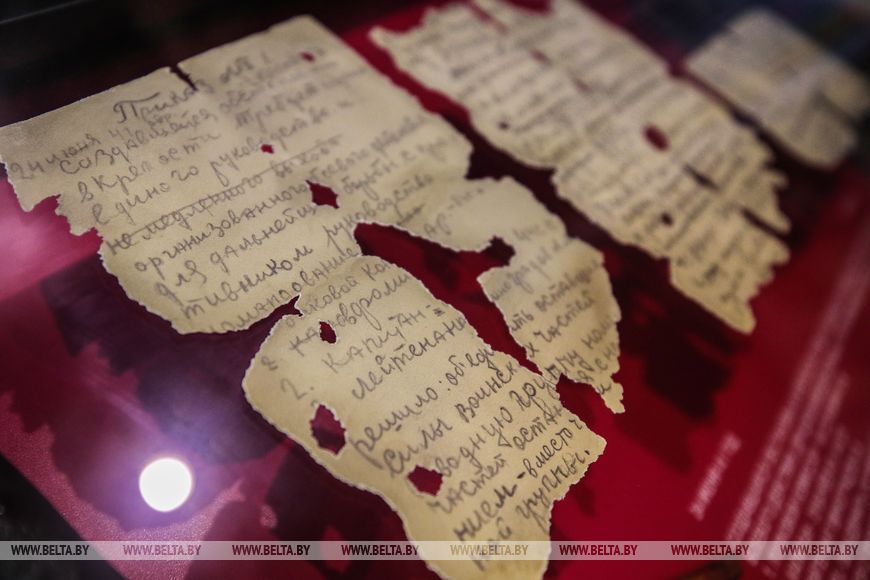
Belarus was the first of the Soviet Union republics to face the massive onslaught of the fascist invaders and became an arena of the largest battles. Border service units and leading elements of the covering forces were the first ones to repulse the enemy’s offensive. Enemy aircraft bombed railway junctions, airfields as well as Brest, Grodno, Volkovysk, Baranovichi, and other Belarusian cities and towns. The defenders of the Brest Fortress, Minsk, and Mogilev stood their ground. Soviet Katyusha multiple-launch rocket systems were used against the enemy for the first time outside the city of Orsha on 14 July. The resistance offered to the enemy in battles on the territory of Belarus at the beginning of the war made it possible to thwart German plans for a rapid offensive on Moscow.
However, despite the courage and heroism shown, the territory of Belarus was occupied by the Nazi by the beginning of September 1941. Once Belarus was occupied, the enemy faced resistance of unprecedented scale and persistence. The key form of the nationwide resistance was the partisan movement, in which about 374,000 partisans participated. The anti-fascist underground resistance movement numbered over 70,000 people. Representatives of different nations of the Soviet Union and anti-fascists from European countries fought alongside Belarusians in the partisan units. During the war there were about 30 partisan zones, which the Germans could not occupy.

The Kholm Gate of the Brest Fortress in 1941
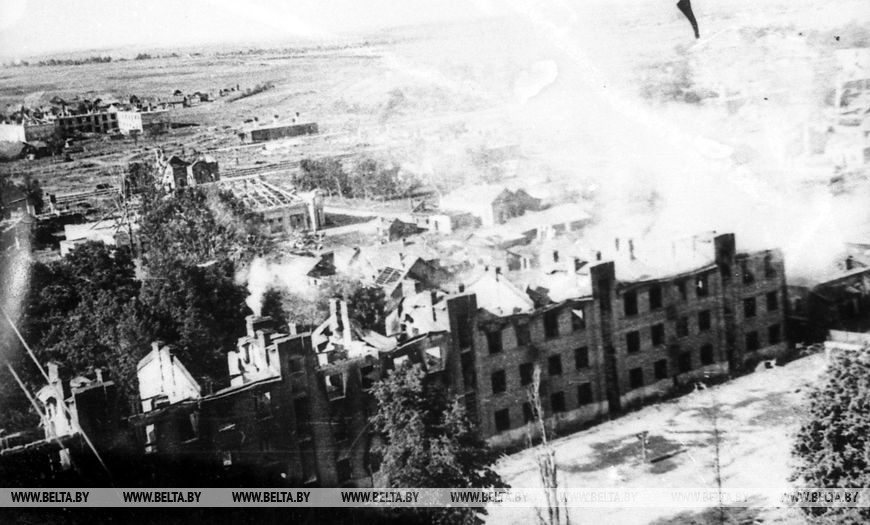
Houses in Zhlobin set on fire by the Nazi during their retreat, 1944
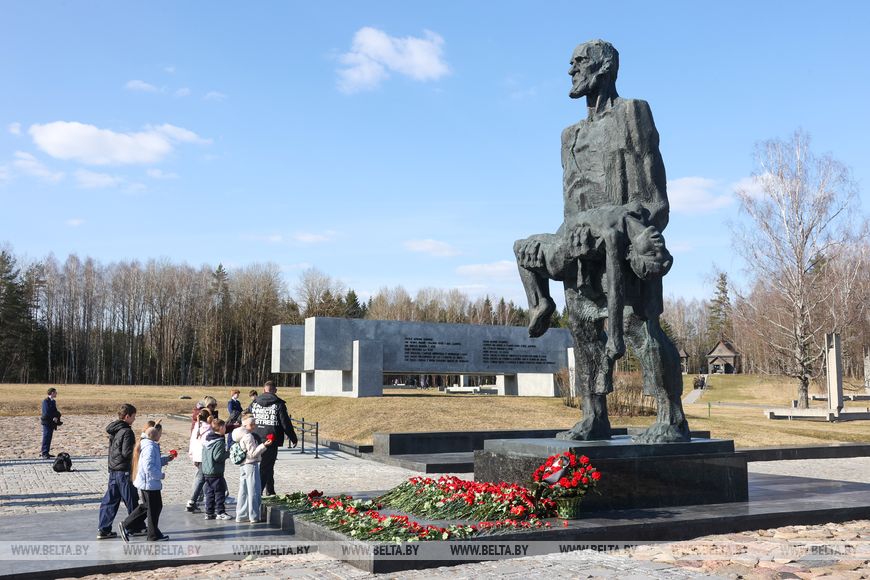
The Nazis conducted at least 187 large-scale punitive operations in Belarus. A tragic symbol of mass slaughter of the civilian population is the village of Khatyn. During the investigation of the criminal case into the genocide of the Belarusian people, it was established that 578 death camps operated on the territory of Belarus. Among them was Trostenets, the largest death camp in all occupied Soviet territory, where, according to the latest data from the Prosecutor General’s Office of Belarus, at least 546,000 people were killed.

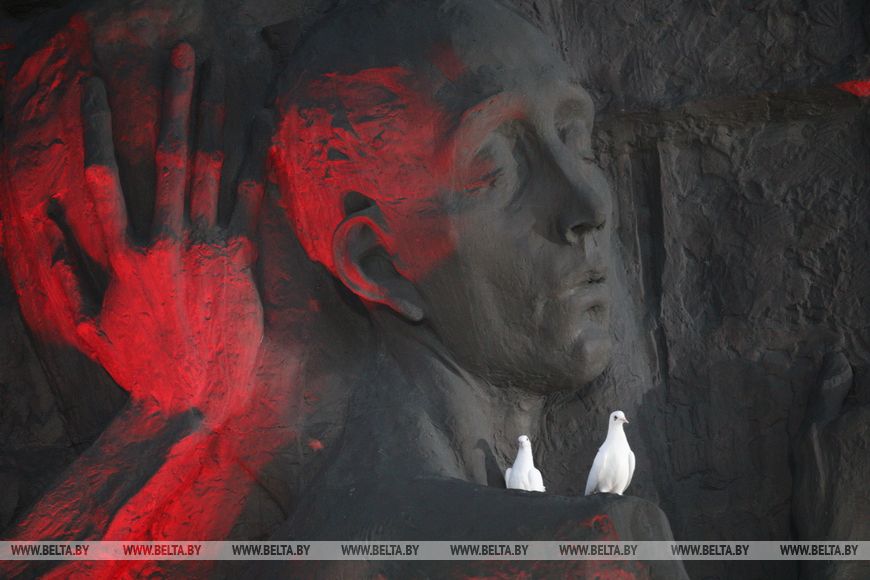
During the years of the Nazi occupation on the territory of the BSSR, Nazi criminals destroyed at least 12,868 rural settlements completely or partially, including together with the residents. The list of villages and hamlets that shared the tragic fate of Khatyn — in other words, those that were burned down completely with their residents and did not recover after the war — has been supplemented with new settlements. At present there are at least 290 of them.


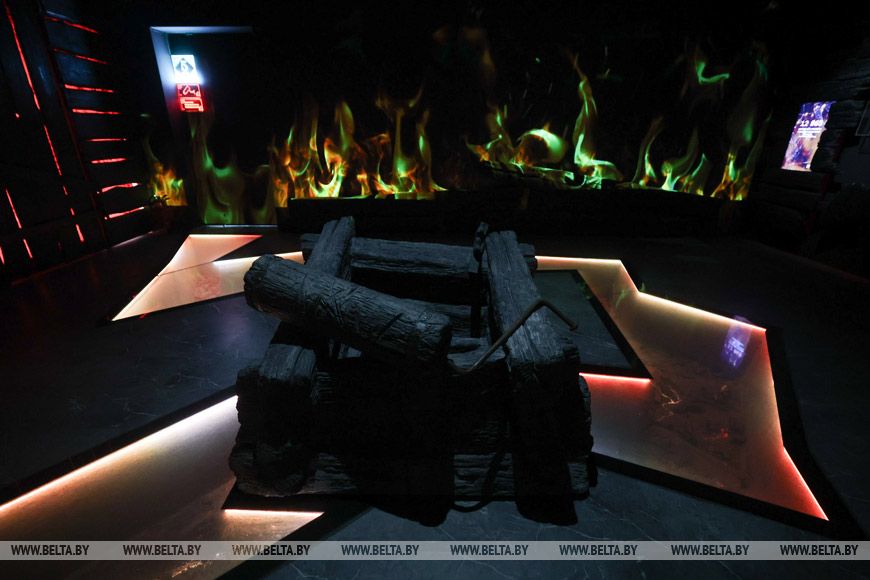
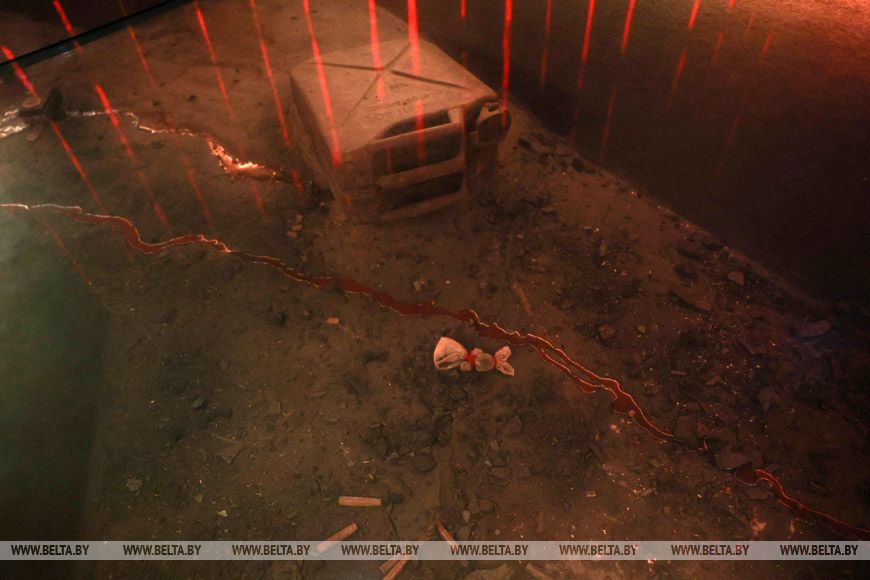

The sole witness of the Khatyn tragedy Iosif Iosifovich Kaminsky tells about the dreadful day of March 1943 when the village was burned down together with all its residents, May 1968
During the war Belarus lost more than half of its national wealth. The human losses were enormous. During the Nazi occupation from 1941 to 1944, at least 3 million civilians and prisoners of war were exterminated on the territory of Belarus, and more than 380,000 people were driven into German slavery under the threat of death, many of whom died as a result of unbearable working conditions, deprivation and torture.
The memory of the Great Patriotic War has been preserved in Belarus throughout all the post-war years. For mass heroism and courage shown in the struggle against aggressors, the capital of Belarus, the city of Minsk, was awarded the honorary title of Hero City among 12 cities of the former Soviet Union. The Brest Fortress received the title of Hero Fortress. Other Belarusian cities were also honored with awards. Numerous obelisks, monuments, memorial complexes, and the Mound of Glory testify to the victims of the war and the heroic deed of the people. The Belarusian State Museum of the History of the Great Patriotic War is an important scientific and cultural institution.
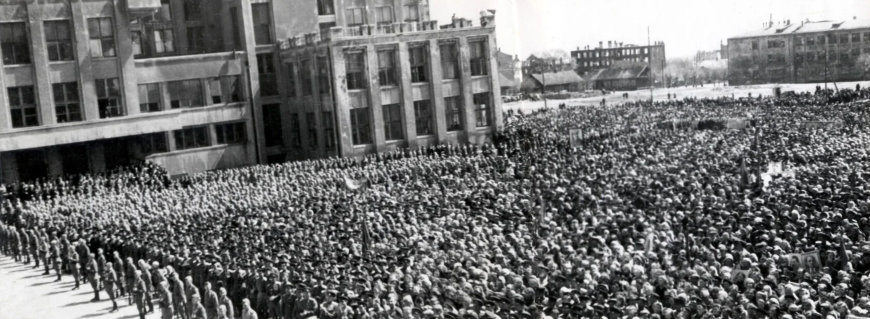
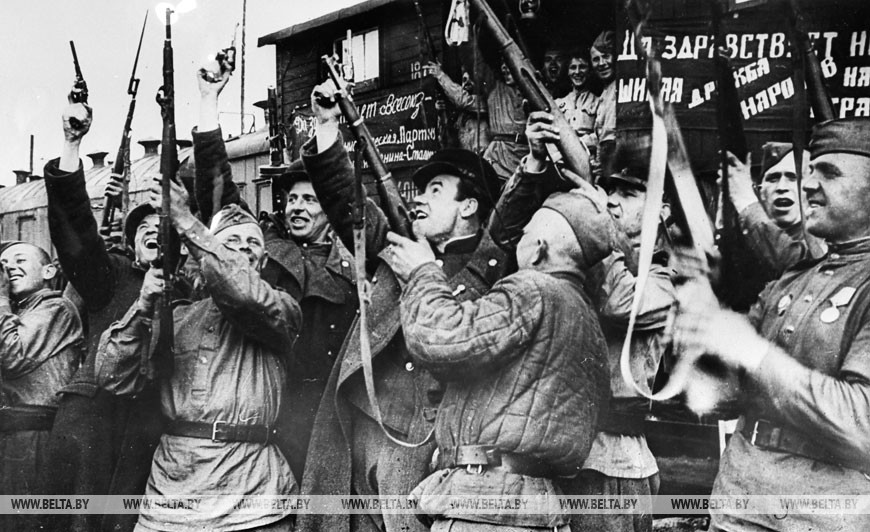
Victory gunfire, 1945

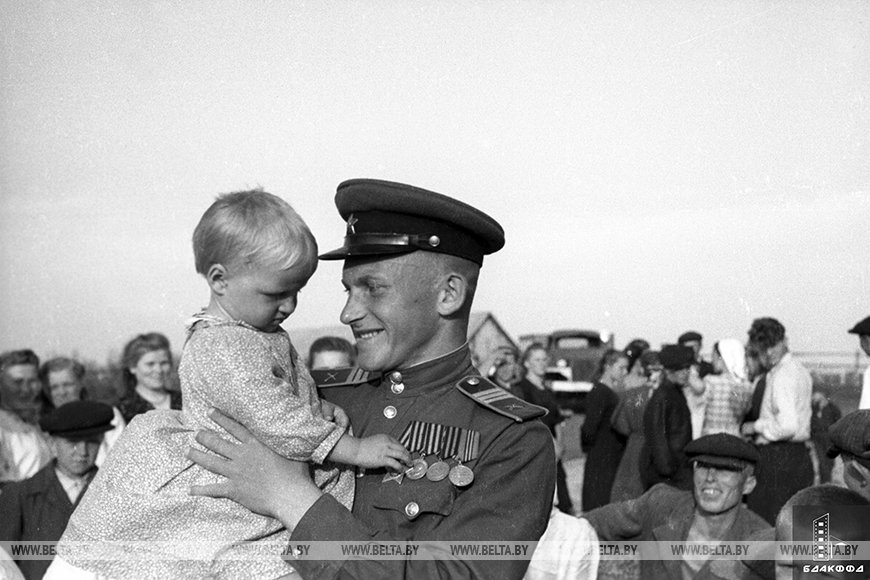
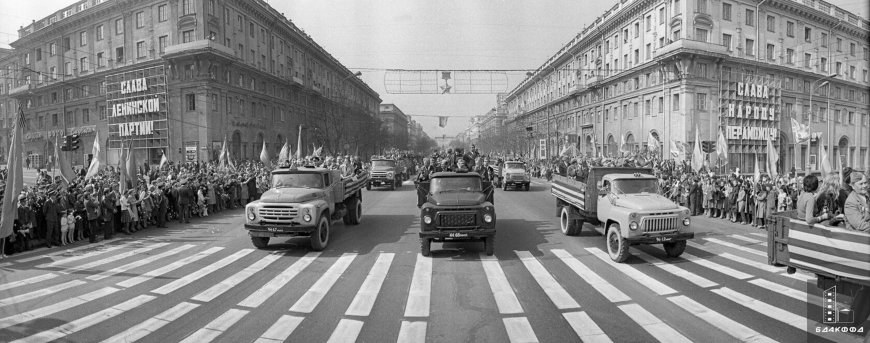
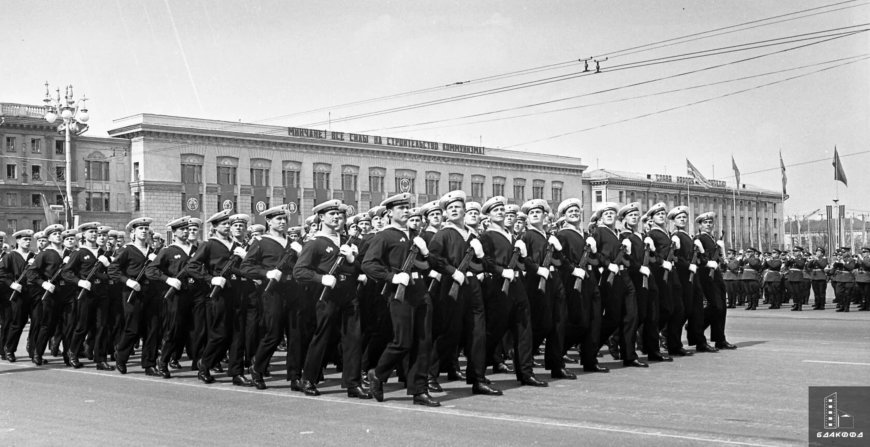
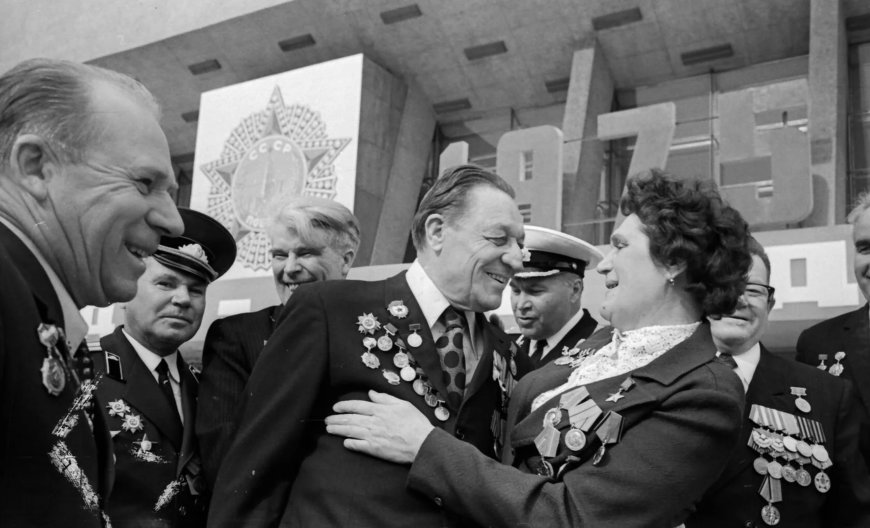
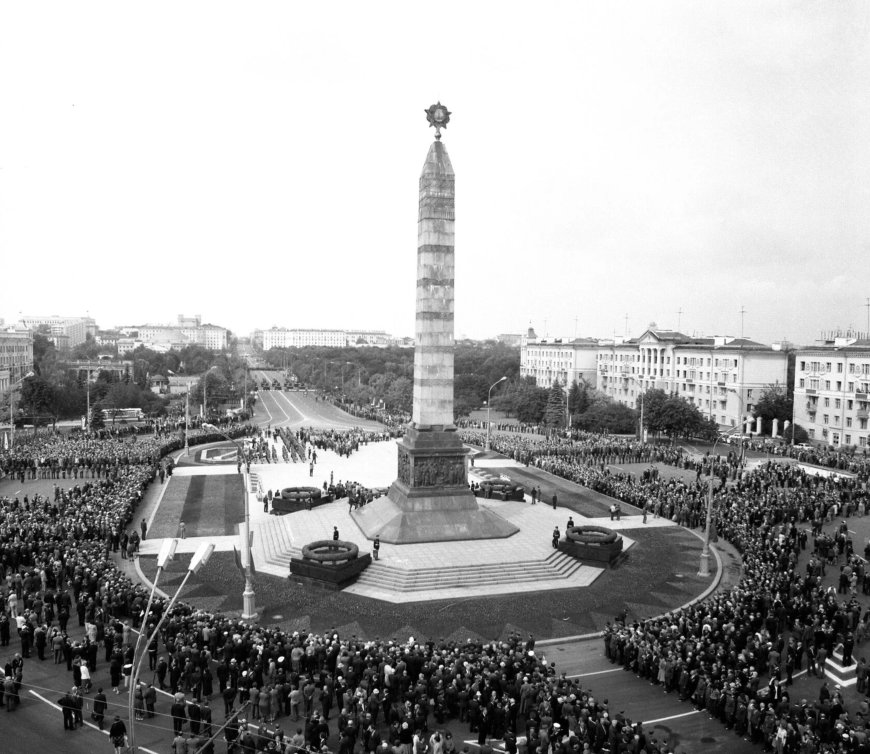
The history of Belarus has not seen a battle crueler than the Great Patriotic War. There has been no heroic deed bigger than the feat of the Soviet soldiers who defended the Motherland and who saved humanity from Nazism. The memory about the dreadful war and the Great Victory cannot fade away: it is forever inscribed in the history of the Fatherland and every Belarusian family. The past tragedy and the hard-won Victory are the eternal source of pain and bitterness, pride and glory of the Belarusian people. Time moves us further and further away from events of the Great Patriotic War, but feats of those who died in battles, sorrow for millions of innocent victims and the tragedy of the occupation forever remain in the hearts and souls of the older generation, are kept in the memory of their children, grandchildren and great-grandchildren.

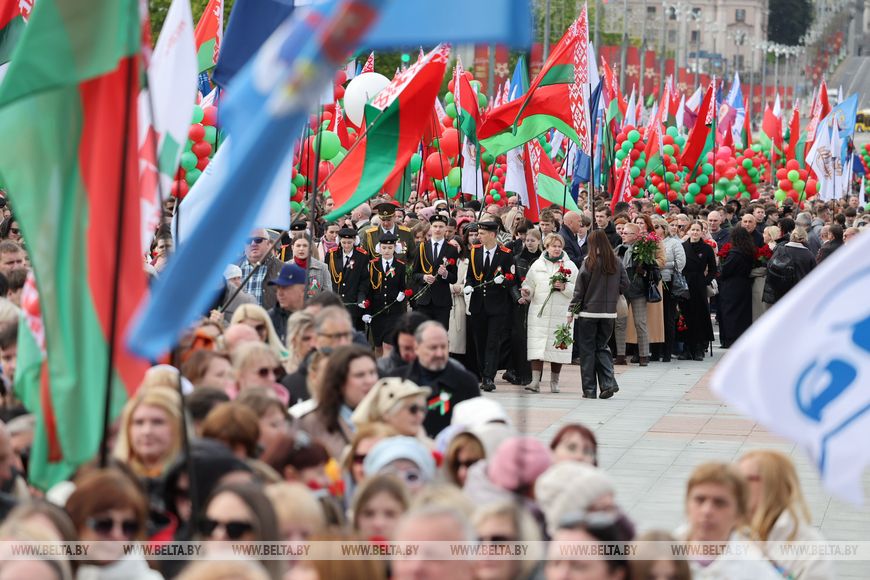
Veterans are honored all over the republic. At present 574 veterans of the Great Patriotic War live in Belarus, including 269 war participants and disabled war veterans, 146 homefront workers, and 156 survivors of the Siege of Leningrad. Apart from that, 5,500 citizens are victims of the consequences of the war, most of them are former prisoners of fascist concentration camps, prisons, and other places of forced imprisonment.
Victory Day is traditionally celebrated all over the country for several days. Public flower-laying ceremonies are organized in Belarusian cities and towns at burial sites of soldiers and prisoners of concentration camps in order to honor the memory of those who fell during the Great Patriotic War. Festivals, exhibitions, patriotic events, and singing contests are organized as well as themed lessons and awareness-raising events in schools.
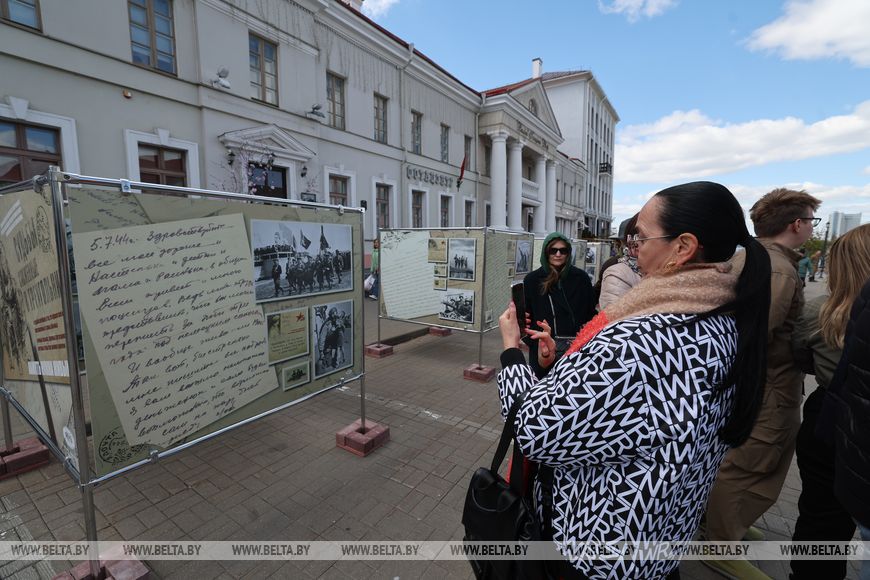
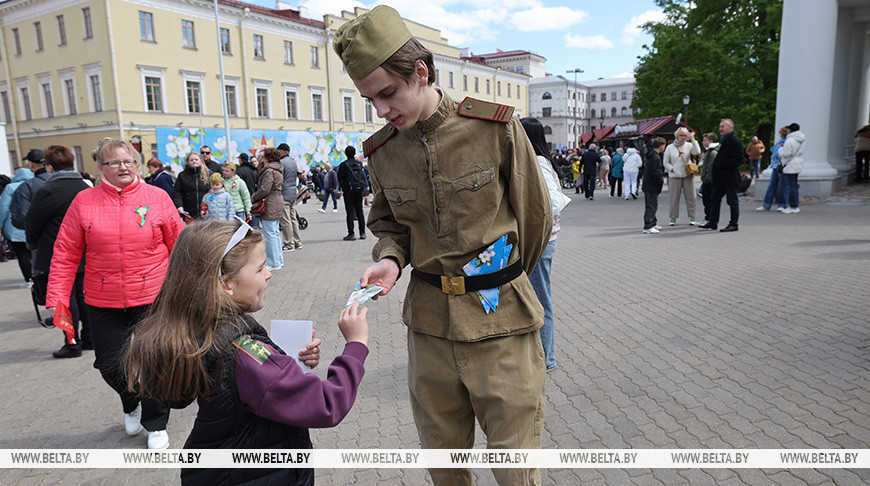
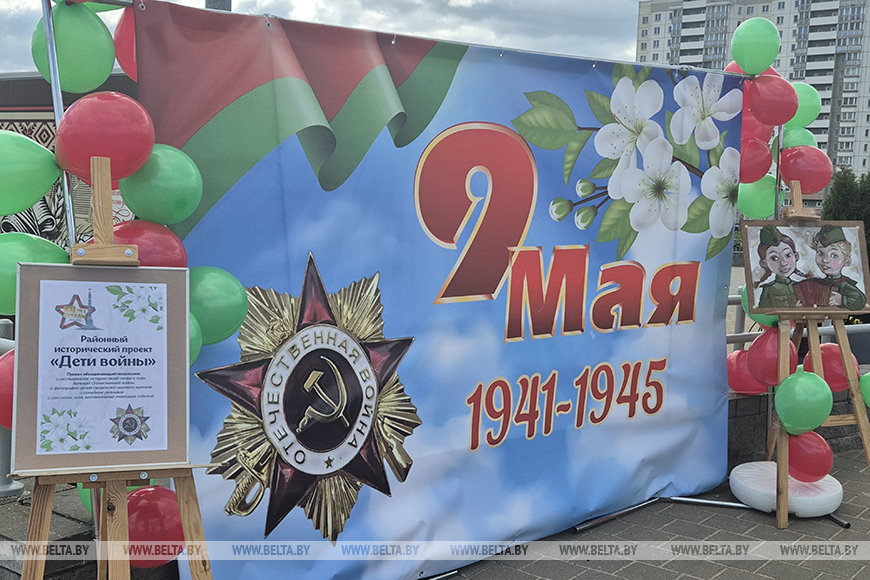
For instance, on the day of the celebration of the 81st anniversary of the Victory in the Great Patriotic War, the Roads of Victory event and a concert featuring Belarusian and Russian pop stars will take place at the site outside the Sports Palace in Minsk. A fair will be open. The Loshitsa Estate and Park Complex will offer a historical reenactment-quest Young Soldier’s School. In the evening on 9 May the campaign Let’s Sing Victory Day Together! will be held in Belarus. The celebration will traditionally culminate in fireworks.
Belarus remembers! Belarus is proud!