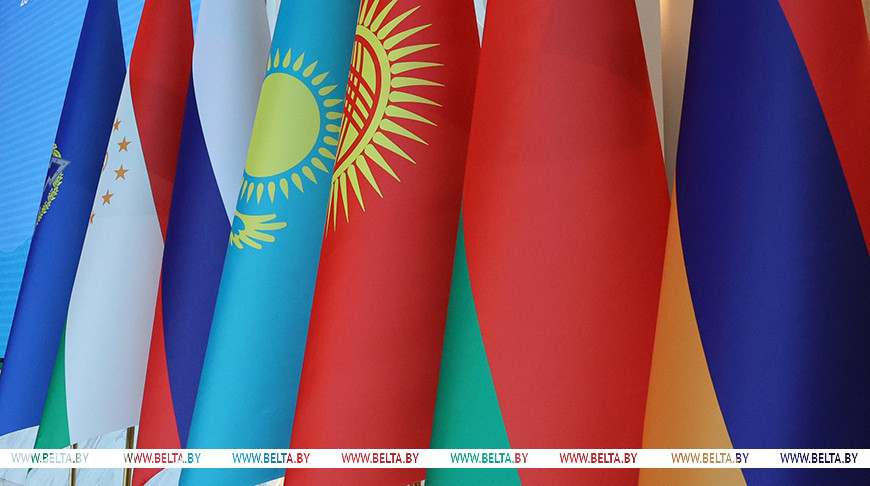
Photo by the House of Representatives of the National Assembly of the Republic of Belarus
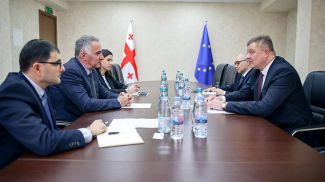
MOSCOW, 8 December (BelTA) - The Parliamentary Assembly of the Collective Security Treaty Organization adopted a model law on counterterrorism at its meeting in Moscow on 8 December, BelTA has learned.
The CSTO model law is designed to harmonize the legislation among CSTO member states in the field of counterterrorism and to regulate social relations in this area.
As it was noted during the bill presentation, the law establishes the goals and objectives, principles, and legal framework for countering terrorism and minimizing or eliminating the consequences of terrorist acts. The law outlines the objectives and responsibilities of state bodies, and the obligations and responsibilities of the media in public outreach efforts to counter terrorism.
The model law outlines a nationwide system of measures for protecting facilities against potential terrorist acts, the responsibilities of national, interagency, and administrative-territorial counterterrorism bodies in safeguarding vulnerable facilities and also the responsibilities of managers and owners of high-risk and critical infrastructure facilities in ensuring their counterterrorism protection.

The document also defines the objectives and forms of international cooperation in the field of counterterrorism, and addresses matters related to the extradition of individuals who have committed terrorist crimes or are reasonably suspected of doing so.
The meeting also adopted recommendations on improving the legislation of CSTO member states in the field of civil defense, on the convergence and harmonization of criminal and administrative legislation of CSTO member states in the area of critical information infrastructure security, and on harmonizing the criminal legislation of CSTO member states regarding accountability for crimes against peace and the security of humanity.
Furthermore, the CSTO PA approved a draft model (standard) agreement on cooperation among CSTO member states in the use of new types of weapons and technologies to ensure collective security and uphold the principles and norms of international humanitarian law, along with a series of other documents.
The Belarusian delegation was headed by Chairman of the House of Representatives, Igor Sergeyenko.