
The Olympic Games are always a major media event. Announcements and results of competitions, expert evaluations, interviews with coaches and athletes – these are top stories in global media for the next two weeks. To illustrate with numbers: the total television audience for the 2024 Summer Olympics in Paris reached approximately five billion people, while the previous 2022 Winter Olympics in Beijing attracted over two billion television viewers. Billions more learn about Olympic events from the pages of periodicals and news feeds of information agencies.
In 2026, the world will be able to watch the Olympic Games thanks to 3,000 accredited journalists. Work at the main media center of the Olympic Games, Fiera City Milano, began several days before the official opening. Incidentally, this is one of the largest conference centers in Europe. Belarusian specialists have also familiarized themselves with it. Aleksandr Novikov, a leading specialist in the Information Department of the National Olympic Committee of Belarus, shared his impressions of the “media heart” of the Olympics with BelTA journalists.
No frills, but comfortable
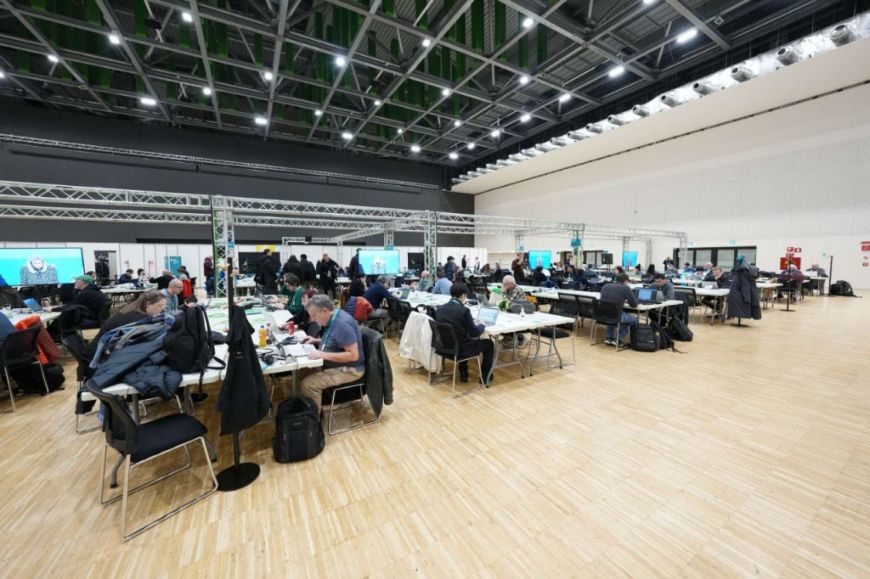
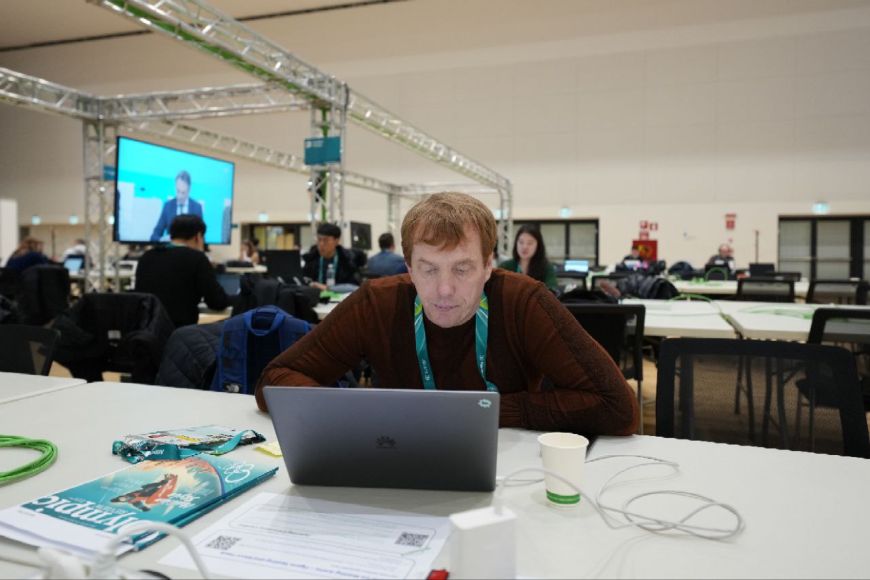
According to Aleksandr Novikov, who has worked at other Olympic Games as well, the press center in Milan doesn’t stand out with any particular extravagance. “Nor should it. There's plenty else to be amazed by at the Olympics. It's a thoughtfully designed, comfortable press center with everything needed for work. The largest news agencies have their own dedicated work cubicles. There are many rooms for press conferences. This is a big plus, as the International Olympic Committee provides journalists with interesting topics. For example, the 145th General Assembly is taking place in Milan. The IOC is open to working with journalists; official briefings are held every hour. The organizers promptly respond to questions and help resolve any issues that arise. The Olympic volunteers are very friendly toward journalists. One interesting observation: while previous Games had more young volunteers, in Milan there are more older people. Another interesting note is the relatively small amount of outdoor advertising on city streets, but quite a few billboards and banners can be seen near the sports venues. And what was especially surprising - despite the Olympic Games, road repairs are actively underway in Milan. The Olympics are the Olympics, but repairs proceed on schedule. Overall, the Olympic Games don’t disrupt the city's daily life at all. Nothing hinders us from working (a lot) and enjoying the world’s premier sporting event, which we’ll be delighted to show to our viewers and readers,” Aleksandr Novikov said recounting his impressions.
BelTA
In 2026, the world will be able to watch the Olympic Games thanks to 3,000 accredited journalists. Work at the main media center of the Olympic Games, Fiera City Milano, began several days before the official opening. Incidentally, this is one of the largest conference centers in Europe. Belarusian specialists have also familiarized themselves with it. Aleksandr Novikov, a leading specialist in the Information Department of the National Olympic Committee of Belarus, shared his impressions of the “media heart” of the Olympics with BelTA journalists.
No frills, but comfortable
“For journalists at the Olympic Games, the route is standard: stadium – press center – hotel. For media professionals, the press center is a second home, sometimes even the first one. This time, our press center is located in the center of Milan, easily accessible: a trip from the accommodation by metro with two transfers takes about 40 minutes. If time is tight, Italians are happy to provide taxi services, though you’ll have to pay for it. So we try to stick to the schedule and make it everywhere. Convenient transportation is arranged between the press center and the sports venues. The press center operates 24/7 so you can work calmly, or, for those racing against a deadline, not so calmly, at any convenient time,” Aleksandr Novikov noted.
According to Aleksandr Novikov, who has worked at other Olympic Games as well, the press center in Milan doesn’t stand out with any particular extravagance. “Nor should it. There's plenty else to be amazed by at the Olympics. It's a thoughtfully designed, comfortable press center with everything needed for work. The largest news agencies have their own dedicated work cubicles. There are many rooms for press conferences. This is a big plus, as the International Olympic Committee provides journalists with interesting topics. For example, the 145th General Assembly is taking place in Milan. The IOC is open to working with journalists; official briefings are held every hour. The organizers promptly respond to questions and help resolve any issues that arise. The Olympic volunteers are very friendly toward journalists. One interesting observation: while previous Games had more young volunteers, in Milan there are more older people. Another interesting note is the relatively small amount of outdoor advertising on city streets, but quite a few billboards and banners can be seen near the sports venues. And what was especially surprising - despite the Olympic Games, road repairs are actively underway in Milan. The Olympics are the Olympics, but repairs proceed on schedule. Overall, the Olympic Games don’t disrupt the city's daily life at all. Nothing hinders us from working (a lot) and enjoying the world’s premier sporting event, which we’ll be delighted to show to our viewers and readers,” Aleksandr Novikov said recounting his impressions.
BelTA
Photos courtesy of the NOC of Belarus